What's a Hot Spot on a Dog? Complete Identification & Treatment Guide
Learn what's a hot spot on a dog, how to spot early warning signs, treatment costs, and prevention strategies.

If you've ever noticed your dog frantically licking, chewing, or scratching at a single spot — and found a raw, weeping, angry-looking patch of skin underneath — you've likely encountered a hot spot. But what's a hot spot on a dog, exactly?
A hot spot, medically known as acute moist dermatitis or pyotraumatic dermatitis, is a localized skin infection that develops when a dog's own licking, chewing, or scratching damages the skin barrier and introduces bacteria. According to the Merck Veterinary Manual, hot spots are among the most common bacterial skin conditions seen in veterinary practice, affecting an estimated 1 in 20 dogs each year. They can appear in a matter of hours — a small irritated area at 8 AM can become a 3-inch weeping wound by evening. The good news: with prompt identification and treatment, most hot spots resolve within 7 to 14 days.
What Is a Hot Spot on a Dog?
A hot spot is a self-inflicted wound. The process typically follows a predictable cycle: something irritates the skin (an insect bite, moisture trapped under fur, an allergic reaction, or a minor scratch), the dog licks or chews at the area to relieve the itch or pain, the mechanical trauma breaks the skin, and normal skin bacteria — usually Staphylococcus pseudintermedius — colonize the damaged tissue. The resulting infection causes more itching and pain, which causes more licking, creating a rapid worsening spiral.
Hot spots are characterized by:
- Rapid onset — often appearing within 2 to 12 hours
- Well-defined borders — clearly distinguishable from surrounding healthy skin
- Moist, exudative surface — the area weeps serum or pus
- Intense pain and pruritus (itching) — dogs may yelp when the area is touched
- Warmth to the touch — hence the name "hot spot"
They most commonly appear on the head (particularly behind the ears and on the cheeks), the hips and hindquarters, and the limbs. Dogs with thick, dense coats — like Golden Retrievers, German Shepherds, and Rottweilers — are especially prone because their fur traps moisture and makes early detection harder.
Recognizing the Symptoms: Early vs. Advanced Signs
Catching a hot spot early dramatically reduces treatment complexity and cost. Use this checklist to assess where your dog's condition stands.
| Severity | Symptoms | Timeframe |
|---|---|---|
| Early Warning (Stage 1) | Persistent licking or chewing at one spot; slight redness on skin parting; mild hair loss or thinning in a coin-sized area; dog seems distracted or irritated but is still eating and playing normally | 0–6 hours |
| Moderate (Stage 2) | Visible raw or moist patch (1–3 inches); skin is clearly red and inflamed; foul or yeasty odor from the area; dog resists you touching the spot; mild swelling of surrounding tissue; possible thin yellow or clear discharge | 6–24 hours |
| Advanced (Stage 3) | Large open wound (3+ inches); thick yellow, green, or bloody discharge; matted hair crusted with dried exudate around the lesion; significant swelling and warmth; dog is lethargic, whining, or refusing food; possible fever (normal dog temperature: 101–102.5°F / 38.3–39.2°C) | 24–72+ hours |
Risk Factors: Which Dogs Are Most Vulnerable?
Any dog can develop a hot spot, but certain factors significantly increase risk. Understanding these helps you know whether your dog needs extra vigilance.
Hot Spot Risk Factor Profile
Breed predisposition: Golden Retrievers, German Shepherds, Labrador Retrievers, Rottweilers, St. Bernards, and any breed with a dense double coat. According to AKC health resources, these breeds trap moisture more readily, creating an ideal environment for bacterial overgrowth.
Coat type: Thick, long, or double-coated dogs are at higher risk. Matted or poorly maintained coats are a major contributor.
Age: Most common in adult dogs aged 2–8 years, though puppies with heavy flea burdens and seniors with arthritis-related licking can also be affected.
Underlying allergies: Dogs with atopic dermatitis (environmental allergies), food allergies, or flea allergy dermatitis are 3–5 times more likely to develop hot spots. The itch-scratch cycle is the primary driver.
Environment: Hot, humid weather (especially summer months); frequent swimming or bathing without thorough drying; outdoor dogs in warm climates.
Behavioral factors: Anxiety-related licking (acral lick dermatitis), boredom-induced chewing, and pain-related licking (e.g., a dog licking an arthritic hip joint).
Ear infections: Hot spots behind or below the ear are frequently secondary to otitis externa. If your dog is shaking their head and scratching at their ears, check for hot spots on the neck and jaw area.
How Are Hot Spots Diagnosed?
Hot spots are usually diagnosed through visual examination and history — an experienced veterinarian can often identify acute moist dermatitis within minutes of seeing the lesion. However, your vet may recommend additional diagnostics to identify the underlying cause or rule out mimicking conditions.
- Visual and physical examination ($50–$85 office visit fee): The vet assesses the lesion's appearance, location, size, and depth. They'll palpate surrounding tissue for swelling, check for satellite lesions, and examine the ears, teeth, and anal glands for potential triggers.
- Cytology / impression smear ($35–$65): A glass slide is pressed against the lesion to collect cells and bacteria, then examined under a microscope. This confirms bacterial involvement and helps distinguish between staphylococcal infection, yeast overgrowth (Malassezia), or mixed infection — which affects treatment selection.
- Flea comb examination (included in office visit): The vet checks for fleas, flea dirt, or other parasites that may have initiated the itch cycle.
- Skin scraping ($30–$50): If demodectic or sarcoptic mange is suspected, the vet scrapes the skin surface to look for mites under the microscope.
- Fungal culture (DTM) ($40–$75): Ordered if ringworm is a differential, particularly in puppies or multi-pet households.
- Bacterial culture and sensitivity ($80–$150): Reserved for recurrent, non-responsive, or deep hot spots. This test identifies the specific bacteria and which antibiotics will be effective — critical if methicillin-resistant Staphylococcus pseudintermedius (MRSP) is suspected.
- Allergy workup ($200–$600+): For dogs with recurrent hot spots, your vet may recommend intradermal allergy testing or serum IgE testing to identify environmental allergens. Food trials (8–12 weeks on a hydrolyzed or novel protein diet) may also be recommended.
Total diagnostic cost range: $85–$175 for an uncomplicated first-time hot spot; $250–$500+ if underlying allergies or resistant infections are suspected.
Treatment Options: What Works and What to Expect
Hot spot treatment follows a multi-pronged approach: stop the self-trauma, treat the infection, manage the pain and inflammation, and address the underlying cause. Here's how the options compare.
| Treatment | How It Works | Typical Cost | Success Rate | Best For |
|---|---|---|---|---|
| Clip and clean | Hair is clipped around the lesion; area is gently cleansed with chlorhexidine or povidone-iodine solution to remove crust and exudate | $30–$75 (in-clinic) | Essential first step for all stages | All hot spots; mandatory for Stage 2–3 |
| Topical antimicrobials | Sprays, wipes, or gels containing chlorhexidine, silver sulfadiazine, or mupirocin applied 1–2 times daily | $15–$35 (product) | 85–95% for mild–moderate spots | Stage 1–2 hot spots; small lesions |
| Oral antibiotics | Systemic antibiotics (typically cephalexin, amoxicillin-clavulanate, or clindamycin) given for 7–14 days for superficial infections, up to 4–6 weeks for deep infections | $15–$45 (generic); $50–$90 (brand) | 90–95% with appropriate selection | Stage 2–3 hot spots; large or multiple lesions |
| Oral corticosteroids | Short course of prednisone or prednisolone (typically 5–7 days at anti-inflammatory dose: 0.5 mg/kg initially, then tapering) to break the itch cycle rapidly | $10–$25 | Highly effective for itch relief; 90%+ of dogs stop self-trauma within 24–48 hours | Dogs with intense pruritus; used alongside antibiotics |
| Injectable steroid | A single dexamethasone or methylprednisolone injection for rapid anti-inflammatory effect | $25–$50 | Similar to oral; useful for dogs that resist pills | Non-compliant patients; severe acute flare-ups |
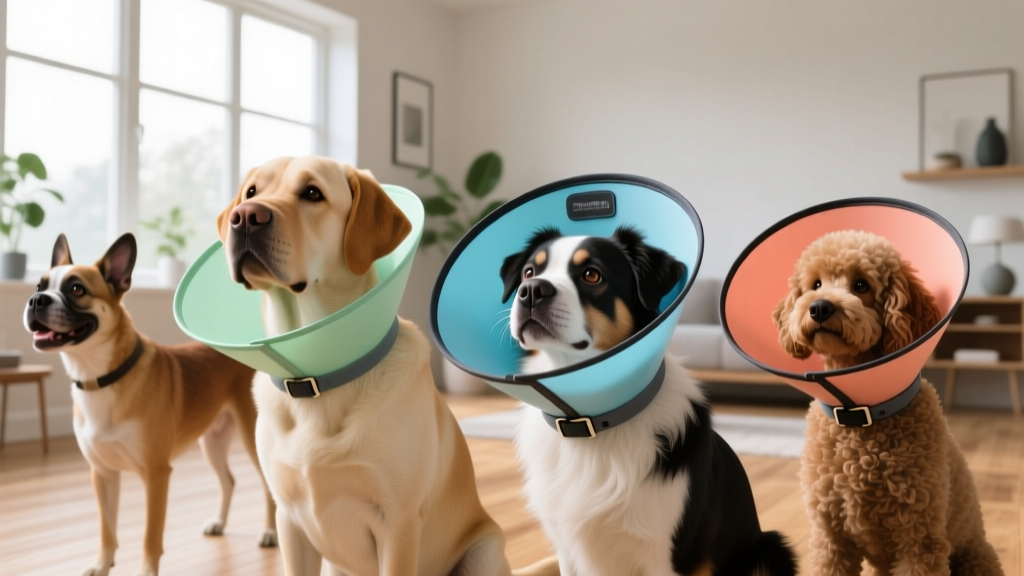
| Elizabethan collar (E-collar) | Physical barrier preventing the dog from reaching the lesion; must be worn 24/7 until fully healed | $10–$30 (plastic); $20–$45 (inflatable/recovery collar) | Critical for success — without it, recurrence rate exceeds 60% | All hot spots; non-negotiable for most cases |
| Sedation for clipping | Mild sedation (dexmedetomidine or trazodone) if the hot spot is too painful to clip while the dog is awake | $40–$90 | N/A — enables treatment | Severely painful Stage 3 lesions; anxious dogs |
Home Care and Daily Management
Your veterinarian will send you home with a treatment plan, and your consistency in following it determines the outcome. Here's what daily management looks like:
Daily Care Routine
- E-collar stays on 24/7. Remove it only under direct supervision (e.g., during leashed walks if you can prevent access to the site). Even 5 minutes of unsupervised licking can undo days of healing. Most dogs need the collar for 10–14 days.
- Clean the area 1–2 times daily using a vet-recommended antiseptic solution (chlorhexidine 2–4% diluted per label instructions, or veterinary wound wash). Gently pat — don't rub — with a clean gauze pad. Allow to air dry or pat dry with a fresh gauze.
- Apply topical medication as directed after cleaning. Allow the product to absorb for 5–10 minutes before letting the dog move around. Wash your hands thoroughly afterward.
- Administer all oral medications for the full prescribed course, even if the hot spot looks healed. Stopping antibiotics early promotes resistant bacterial strains.
- Monitor and photograph daily. Take a photo of the lesion at the same time each day with consistent lighting. This creates an objective record of whether the area is shrinking, drying, and re-epithelializing — or worsening. Share these with your vet at recheck.
What NOT to Do
- Do not apply human over-the-counter antibiotic ointments (Neosporin, Bacitracin) without veterinary approval. These can cause contact dermatitis in some dogs and the petroleum base traps moisture against the wound, which is counterproductive for a moist dermatitis.
- Do not use hydrogen peroxide or rubbing alcohol. Both damage healthy tissue and delay healing. They also sting intensely, which can cause your dog to associate wound care with pain and become aggressive during treatment.
- Do not bandage or cover the hot spot unless your veterinarian specifically instructs you to. Occlusive coverings trap moisture and heat — exactly the conditions that worsen acute moist dermatitis.
- Do not bathe your dog with regular shampoo during treatment. If a bath is necessary, use only a veterinary-prescribed antimicrobial shampoo and ensure the hot spot area is thoroughly dried afterward.
When to See the Vet: Red Flag Symptoms
🚨 Call Your Veterinarian Immediately If:
- The hot spot is larger than 3 inches in diameter or is rapidly expanding
- Your dog has a fever (rectal temperature above 103°F / 39.4°C)
- You notice foul-smelling, thick green or bloody discharge — this suggests deep tissue infection
- The skin around the hot spot feels crepitant (crackling under the skin, indicating gas-producing bacteria)
- Your dog is lethargic, refusing food, or vomiting
- The hot spot is located near the eye, inside the ear canal, or around the genitals
- You see multiple hot spots appearing simultaneously — this suggests a systemic underlying cause
- The lesion has not improved after 48 hours of prescribed treatment
- Your dog is immunocompromised (on chemotherapy, long-term steroids, or has Cushing's disease)
For after-hours emergencies or suspected toxic exposure, contact the ASPCA Animal Poison Control Center at (888) 426-4435 (24/7, consultation fee applies).
If your regular vet is closed and your dog is showing systemic signs (fever, lethargy, spreading infection), an emergency veterinary visit may be necessary. Emergency clinic visit fees typically range from $100–$200, with total costs for emergency hot spot management running $250–$600 depending on severity and diagnostics needed.
Cost Breakdown: What to Budget
| Service | Low End | Typical | High End / Complex |
|---|---|---|---|
| Office visit / exam fee | $50 | $70 | $95 |
| Clip, clean, and debride | $30 | $50 | $75 |
| Cytology | $35 | $50 | $65 |
| Topical medication | $15 | $25 | $40 |
| Oral antibiotics (7–14 days) | $15 | $30 | $90 |
| Oral steroid (short course) | $10 | $15 | $25 |
| E-collar | $10 | $20 | $45 |
| Sedation (if needed) | $40 | $65 | $90 |
| Recheck appointment | $40 | $55 | $85 |
| TOTAL — Uncomplicated hot spot | $165 | $250 | $385 |
| Bacterial culture & sensitivity | $80 | $115 | $150 |
| Allergy testing (serum IgE) | $200 | $350 | $600 |
| TOTAL — Recurrent/complex case | $450 | $700 | $1,100+ |
For dogs with chronic recurrent hot spots driven by allergies, long-term costs can be significantly higher. Allergen-specific immunotherapy (allergy shots or sublingual drops) runs $200–$400 for initial formulation plus $100–$200 annually for refills. Monthly medications like Apoquel (oclacitinib, $50–$100/month depending on dog size) or Cytopoint injections ($65–$150 every 4–8 weeks) may be recommended for ongoing itch management.
Prevention: Stopping Hot Spots Before They Start
Prevention focuses on managing the three factors that drive hot spot formation: moisture, irritation, and self-trauma.
Coat and Skin Maintenance
- Brush regularly — at minimum 2–3 times per week for double-coated breeds. During shedding season (spring and fall), daily brushing prevents matting that traps moisture against the skin.
- Thoroughly dry your dog after every bath or swim. Use a high-velocity dryer (like the Metro Air Force Commander, approximately $130–$180) for thick-coated breeds — towel drying alone leaves moisture trapped at the skin level. Pay special attention to ears, armpits, and the groin area.
- Keep hair clipped short around common hot spot sites (behind ears, on hips) during warm months. Many owners of Golden Retrievers and German Shepherds opt for a "sanitary clip" and thinning of the hindquarter coat in summer.
- Use a leave-in conditioning spray with soothing ingredients (aloe vera, colloidal oatmeal) for dogs prone to dry, itchy skin — but only if the coat can be fully dried afterward.
Flea and Parasite Control
- Maintain year-round flea prevention with a veterinary-recommended product. Flea allergy dermatitis is one of the top triggers for hot spots. Options include oral isoxazolines (Bravecto, NexGard, Simparica — typically $40–$65 per dose) or topical treatments (Frontline Plus, Advantage II — $15–$25 per dose). Consult your veterinarian for the best option for your dog's size and health status.
- Treat all pets in the household simultaneously — even if only one dog has hot spots, a single untreated pet can sustain a flea population.
Allergy Management
- If your dog has known allergies, stay ahead of the itch cycle rather than waiting for a hot spot to develop. This may mean starting Apoquel or Cytopoint before peak allergy season begins.
- For food-allergic dogs, strict adherence to the prescribed diet is essential. Even a single off-diet treat can trigger an allergic flare and secondary hot spot within 24–48 hours.
- Consider omega-3 fatty acid supplementation (EPA/DHA at 20–55 mg/kg combined EPA+DHA daily) to support skin barrier function. Veterinary-formulated fish oil products (e.g., Nordic Naturals Omega-3 Pet, Welactin) provide standardized dosing.
Behavioral Interventions
- For anxiety-driven licking, work with a certified positive-reinforcement trainer or veterinary behaviorist. Enrichment activities (food puzzles, sniffari walks, frozen Kongs) reduce boredom-related chewing.
- If your dog licks a specific joint or area repeatedly, have your vet evaluate for underlying pain — arthritis, hip dysplasia, or a soft tissue injury may be the hidden cause. Addressing the pain often eliminates the licking.
Frequently Asked Questions
Can hot spots spread to other dogs or to humans?
No. Hot spots caused by typical Staphylococcus pseudintermedius infection are not considered zoonotic (transmissible to humans) under normal circumstances. They also don't spread from dog to dog through contact. However, if the underlying cause is ringworm (a fungal infection that can mimic hot spots), that IS contagious to other pets and humans — another reason veterinary diagnosis matters.
Will a hot spot heal on its own without treatment?
Rarely. Because the itch-pain-lick cycle is self-perpetuating, most untreated hot spots worsen rather than resolve. A very small, early-stage hot spot might heal if you immediately prevent all licking (E-collar) and keep the area clean and dry — but this approach carries risk. If the spot doesn't show clear improvement within 24 hours of home management, veterinary treatment is needed.
Are hot spots the same as pyoderma?
Hot spots are a form of surface pyoderma — a bacterial skin infection confined to the superficial layers. However, the term "pyoderma" also encompasses deeper skin infections (deep pyoderma, furunculosis) that require longer, more aggressive antibiotic courses. Your vet's cytology exam helps determine the depth of infection.
How long does it take for hair to grow back after a hot spot heals?
Hair regrowth typically begins 2–3 weeks after the skin has fully healed and takes 4–8 weeks to fully cover the area. In some cases, particularly with deep or large hot spots, the regrown hair may be a slightly different texture or color. Permanent hair loss (alopecia) is uncommon but can occur if the hair follicles were severely damaged.
My dog keeps getting hot spots — what's going on?
Recurrent hot spots almost always indicate an unresolved underlying cause. The most common culprits, in order of frequency, are: flea allergy dermatitis, environmental allergies (atopic dermatitis), food allergies, chronic ear infections, and pain-related behavioral licking. A systematic workup with your veterinarian — potentially including allergy testing, food trials, and orthopedic evaluation — is the path to breaking the cycle.
This article is for informational purposes only and does not replace professional veterinary advice. Always consult your veterinarian for diagnosis and treatment of your dog's skin conditions. Treatment decisions should be made in partnership with a licensed veterinarian who has examined your dog in person.
Tom Renshaw
All our authors care for dogs every day — read more of their work on the authors page.