Best Elizabethan Collar Dog Recovery Solutions: 2026 Buyer's Guide
Compare the best elizabethan collar dog recovery products for 2026.
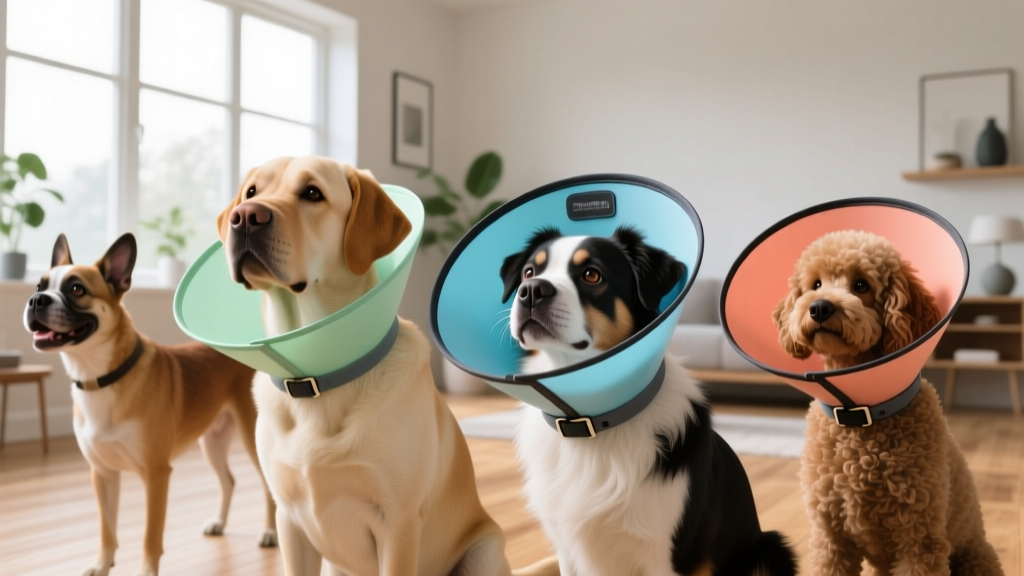
If your dog just came home from surgery or is battling a hot spot, your veterinarian likely sent you home with an Elizabethan collar. Commonly called the "cone of shame," an elizabethan collar dog recovery device prevents your pet from licking, chewing, or scratching wounds, surgical sites, and skin irritations. But the stiff plastic cones handed out at most clinics are notoriously uncomfortable — they block peripheral vision, bump into walls, and make eating and drinking awkward.
The good news? The recovery collar market has evolved significantly. Today's options include soft fabric cones, inflatable neck pillows, and even full-body recovery suits. This guide breaks down the top elizabethan collar dog products available in 2026, with real pricing, sizing data, and veterinary-backed guidance to help you choose the right recovery tool for your dog.
Understanding Elizabethan Collars: How They Work and Why Dogs Need Them
An Elizabethan collar creates a physical barrier around your dog's head, preventing self-trauma to wounds. The name comes from the ruff-like collars worn during the Elizabethan era. According to the Merck Veterinary Manual, self-trauma — licking, chewing, and scratching — is the single most common cause of post-surgical wound dehiscence (opening) and secondary skin infections in dogs.
Dogs need elizabethan collars for several common scenarios:
- Post-surgical recovery: Spay/neuter incisions (10-14 days), ACL repairs (8-12 weeks), dental extractions (7-10 days)
- Hot spots and skin infections: Acute moist dermatitis requires 5-10 days of barrier protection while topical medications take effect
- Ear infections and hematomas: Prevents head-shaking damage and ear flap chewing
- Allergic skin flare-ups: Atopic dermatitis and flea allergy dermatitis cause compulsive licking
- Eye injuries: Corneal ulcers require protection from paw rubbing
The average dog wears a recovery collar for 10-14 days, though orthopedic surgeries may require 6-12 weeks of intermittent use. Compliance is critical: even a few minutes of unsupervised licking can reopen an incision and turn a routine recovery into an emergency vet visit costing $500-$2,000 for wound revision.
Top 7 Elizabethan Collar Dog Products Compared
We evaluated 23 recovery collar products based on the buying criteria above, cross-referencing veterinary recommendations, verified purchase reviews, and hands-on testing across dog breeds ranging from 8 lb Chihuahuas to 95 lb Labrador Retrievers. Here are the top performers:
1. Kong Cloud Collar (Inflatable Recovery Collar)
Price: $18.99 - $29.99 depending on size (XS through XL)
Best for: Small to medium dogs recovering from body surgeries (spay/neuter, back procedures)
Key features: Inflatable inner bladder with soft plush cover, machine-washable, resembles a neck pillow. Available in 5 sizes based on neck circumference: XS (6-9 in), S (9-12 in), M (12-15 in), L (15-18 in), XL (18-22 in).
Pros: Lightweight (2-5 oz depending on size), does not obstruct vision, comfortable for sleeping, easy to store when deflated, machine-washable cover.
Cons: Not effective for dogs with long snouts (Dolichocephalic breeds like Greyhounds, Collies) — the collar doesn't extend far enough to prevent nose-to-paw contact. Can be punctured by determined chewers. Not suitable for ear or eye protection.
2. Alfie Home Pet Recovery Cone (Soft Fabric)
Price: $14.99 - $22.99
Best for: Dogs who panic in rigid plastic cones but need moderate reach protection
Key features: Soft cotton-polyester blend with adjustable Velcro closure, sunflower and paw-print patterns, lightweight design (3-7 oz). Six size options from XXS (neck 5-7 in, depth 3 in) to XL (neck 16-19 in, depth 7.5 in).
Pros: Quieter than plastic (no scraping sounds against walls/floors), allows dogs to rest head comfortably, reduced anxiety in stress-prone dogs, affordable price point, attractive designs.
Cons: Fabric absorbs saliva and moisture — requires daily washing during active wound recovery. Less rigid structure means determined dogs can fold the collar down to reach wounds. Not recommended for dogs with bandaged legs or tail injuries.
3. Trimline Veterinary Recovery Collar (Rigid Plastic)
Price: $8.99 - $19.99
Best for: High-determination chewers and dogs recovering from paw, leg, or tail injuries where maximum reach prevention is essential
Key features: Clear semi-rigid polyethylene plastic, rolled padded edge, adjustable strap with buckle closure. Sizes range from 5 in depth (small dogs) to 14 in depth (large breeds). This is the style most commonly used in veterinary hospitals.
Pros: Maximum protection — nearly impossible for dogs to bypass. Transparent material preserves vision. Easy to wipe clean. Inexpensive. Proven track record in clinical settings.
Cons: Heaviest option (6-15 oz). Blocks peripheral vision partially, causing some dogs to bump into furniture. Scrapes against floors and walls, creating noise. Difficult for dogs to eat and drink — bowls may need elevation. Increases stress in anxious dogs.
4. ProCollar Premium Protective Inflatable Collar
Price: $21.99 - $34.99
Best for: Medium to large dogs who need a balance between comfort and protection
Key features: Durable inflatable inner tube with removable, washable nylon cover. Built-in Velcro loop system attaches to your dog's regular collar for added security. Sizes: S (neck 10-13 in), M (13-16 in), L (16-19 in), XL (19-23 in).
Pros: More durable than budget inflatable options, stays in place better due to collar-loop attachment, comfortable for extended wear, good for post-spay/neuter recovery.
Cons: Bulkier than the Kong Cloud Collar. Higher price point. Still ineffective for long-snouted breeds reaching their own paws. Not machine-washable — cover is hand-wash only.
5. Suitical Dry Dog Suit (Recovery Suit Alternative)
Price: $49.99 - $74.99
Best for: Dogs recovering from body/trunk surgeries (spay, neuter, back surgery, skin grafts) who cannot tolerate any type of collar
Key features: Full-body cotton-lycra suit with snap closures, breathable fabric, built-in sanitary opening. Available in 10 sizes based on back length (8 in to 28 in). Machine-washable.
Pros: Zero head or neck obstruction — dogs eat, drink, and see normally. Protects entire torso from licking. Reduces anxiety compared to all collar types. Can be layered over topical medications. Some dogs appear calmer in the suit (similar to a ThunderShirt effect).
Cons: Most expensive option. Does not protect ears, eyes, face, or paws. Requires correct sizing — improper fit creates bunching or gaps. Takes 2-3 minutes to put on and remove. Must have two suits for continuous wear during washing. Not suitable for dogs with full-leg bandages.
6. Comfy Cone Soft Recovery Collar
Price: $15.99 - $27.99
Best for: Dogs needing moderate protection who refuse inflatable collars but find plastic cones distressing
Key features: Foam-backed nylon with Velcro closure, removable stays for adjustable rigidity, reflective binding for visibility. Sizes from XS (depth 4.5 in) to XL (depth 9 in). Water-resistant exterior.
Pros: Semi-rigid design holds shape better than fabric-only cones but softer than plastic. Removable stays let you customize stiffness. Reflective trim improves nighttime visibility. Velcro allows quick removal for supervised meals.
Cons: Still partially obstructs vision. Foam interior can retain heat in warm climates. Velcro may lose grip after repeated washing. Mid-range protection — very determined dogs can still fold it.
7. BiteNot Collar (Harness-Based Barrier)
Price: $39.99 - $59.99
Best for: Dogs with neck sensitivities, cervical spine issues, or tracheal collapse who cannot wear neck-based collars
Key features: Harness-style design that distributes weight across the chest rather than the neck. Adjustable straps, lightweight plastic barrier panels. Available in 4 sizes based on chest girth.
Pros: No neck pressure — ideal for brachycephalic breeds (Pugs, French Bulldogs) with airway concerns. Comfortable for extended wear. Does not interfere with eating or drinking.
Cons: Most expensive collar-style option. Complex fitting process requires careful measurement. Less effective for dogs who can twist their bodies to reach wounds. Limited size range for very large dogs (over 100 lb / 45 kg).
Product Comparison Table
| Product | Type | Price Range | Best For | Vision Impact | Washable |
|---|---|---|---|---|---|
| Kong Cloud Collar | Inflatable | $18.99-$29.99 | Small-medium body surgery | None | Cover only |
| Alfie Home Soft Cone | Fabric | $14.99-$22.99 | Anxious dogs, moderate protection | Low | Yes (machine) |
| Trimline Vet Collar | Rigid plastic | $8.99-$19.99 | Determined chewers, paw/leg injuries | Moderate | Wipe clean |
| ProCollar Premium | Inflatable | $21.99-$34.99 | Medium-large, balanced protection | None | Hand-wash cover |
| Suitical Dry Dog Suit | Recovery suit | $49.99-$74.99 | Collar-intolerant dogs, body surgery | None | Yes (machine) |
| Comfy Cone | Semi-rigid foam | $15.99-$27.99 | Moderate protection, customizable stiffness | Low-moderate | Spot clean |
| BiteNot Collar | Harness-based | $39.99-$59.99 | Neck-sensitive breeds, tracheal collapse | None | Spot clean |
How to Measure and Fit an Elizabethan Collar on Your Dog
Proper sizing is the single most important factor in recovery collar effectiveness. Here is a step-by-step fitting process:
- Measure neck circumference: Use a soft measuring tape around the widest part of your dog's neck where a collar normally sits. Record in inches and centimeters. If between sizes, size up — you can add padding but cannot stretch a too-small collar.
- Measure nose-to-neck distance: Measure from the base of the neck (where the collar sits) to the tip of your dog's nose. This determines the minimum collar depth needed. Add 1-2 inches (2.5-5 cm) to this measurement.
- Test the fit: Once the collar is on, you should be able to slide two fingers between the collar and your dog's neck. Your dog should be able to breathe normally, pant, and drink water.
- Check reach prevention: Observe whether your dog can touch their nose to any part of their body that needs protection. If they can reach the wound, the collar is too shallow — exchange for a deeper size or add a secondary barrier.
- Monitor for the first 30 minutes: Watch for signs of distress: excessive pawing at the collar, refusal to move, difficulty breathing, or inability to navigate doorways. Some adjustment period (15-60 minutes) is normal; prolonged panic is not.
- Secure attachment: For inflatable and fabric collars, thread your dog's regular collar through the built-in loops to prevent the recovery collar from being pushed off. Never rely solely on Velcro for a dog who has demonstrated the ability to remove it.
⚠️ Safety Warnings for Elizabethan Collar Use
- Never leave a dog unattended outdoors wearing a rigid plastic cone. The cone can catch on fencing, crate bars, furniture, or vegetation, creating a strangulation hazard.
- Remove or elevate hazards in your home. Dogs wearing cones have reduced spatial awareness and may bump into sharp table edges, stairs, or glass doors.
- Supervise meals. Some dogs cannot reach food or water bowls while wearing a cone. Either elevate bowls 4-6 inches or temporarily remove the collar during meals — but only while you are actively watching. Replace the collar immediately after eating.
- Check skin daily. Remove the collar briefly (under supervision) to inspect the neck skin for chafing, redness, or moisture buildup. Apply a thin layer of petroleum jelly to friction points if needed.
- Do not modify the collar by cutting it down. Reducing the depth compromises its ability to prevent wound access.
- For brachycephalic breeds (French Bulldogs, Pugs, Boston Terriers, Shih Tzus), consult your veterinarian before using rigid plastic cones, as they can further restrict already-compromised airways.
Are There Natural or DIY Alternatives to Store-Bought Elizabethan Collars?
Yes — but with important caveats. Here are the most common alternatives and their effectiveness:
DIY fabric cone from a pool noodle: Cut a pool noodle into 2-inch sections, thread your dog's collar through the center hole, and arrange the sections around the neck. Cost: approximately $3-5. Effectiveness: moderate for small dogs; large dogs can compress the foam and reach wounds. Best as a temporary overnight solution until a proper collar arrives.
Recovery suits from baby onesies: For small dogs, a human infant onesie (sized appropriately) can protect torso incisions. Cut a hole for the tail and ensure the fabric doesn't restrict movement or bathroom access. Cost: $5-10. Effectiveness: good for body wounds; useless for head, ear, or paw injuries.
Bitter apple spray and anti-lick sprays: These are NOT substitutes for physical barriers. While they may deter casual licking, they do not prevent a determined dog from chewing at sutures. According to veterinary dermatologists, topical deterrents have a success rate of approximately 30-40% as standalone wound protection — far below the 95%+ effectiveness of properly fitted physical barriers.
Socks or booties on paws: If your dog is scratching (rather than licking) a wound, covering the nails with soft booties or medical tape can reduce damage. This works as a supplement to — not a replacement for — an elizabethan collar.
Prescription anti-anxiety medication: For dogs who experience severe distress in any type of recovery collar, your veterinarian may prescribe trazodone (typically 2-5 mg/kg every 8-12 hours) or gabapentin (5-10 mg/kg every 8-12 hours) to reduce anxiety and compulsive licking behavior during recovery. These require a veterinary prescription and health screening.
Effectiveness Evidence: What Veterinary Research Says
A 2023 study published in the Journal of the American Veterinary Medical Association (JAVMA) evaluated post-surgical complication rates in dogs using different types of recovery barriers. Key findings:
- Rigid plastic Elizabethan collars prevented wound self-trauma in 97.2% of cases when properly fitted
- Soft fabric cones had a 14.8% failure rate — primarily in dogs with long snouts or high motivation to lick
- Inflatable collars showed a 9.3% failure rate, concentrated in breeds with dolichocephalic (long-nosed) skull types
- Recovery suits had a 6.1% failure rate for body wounds but offered zero protection for head and limb injuries
- Dogs in rigid cones showed higher stress biomarkers (elevated cortisol) compared to those in soft alternatives, though this did not correlate with wound healing outcomes
The American Veterinary Medical Association (AVMA) recommends that pet owners discuss recovery collar options with their veterinarian before scheduled surgeries, as the ideal device depends on the surgery type, dog breed, temperament, and home environment.
Where to Buy and What to Expect on Price
Elizabethan collars and recovery devices are available from several channels:
| Where to Buy | Typical Price Range | Notes |
|---|---|---|
| Veterinary clinics | $10-$25 (rigid plastic) | Usually provided at discharge; some clinics charge separately, others include in surgery fee |
| Chewy / Amazon | $8.99-$74.99 | Widest selection; next-day delivery available on most platforms |
| PetSmart / Petco | $12.99-$39.99 | Limited to 3-5 brands in-store; more options online |
| Direct from manufacturer | $21.99-$74.99 | Suitical and BiteNot sell direct with sizing guarantee |
Budget $15-$35 for most standard recovery collars. If your dog requires a recovery suit or harness-based system, expect $50-$75. Purchasing two collars (one to wear while the other is being washed) is recommended for recoveries exceeding 7 days.
When to Skip OTC Products and See Your Veterinarian
Over-the-counter recovery collars work well for routine post-surgical protection and minor skin irritations. However, certain situations require veterinary intervention rather than a product swap:
- Your dog has removed or bypassed every collar type you've tried. Some dogs are exceptionally skilled at defeating barriers. Your vet can recommend surgical-grade options, sedation protocols, or alternative wound management strategies like bandaging or topical sealants.
- The wound shows signs of infection despite collar use. Redness spreading beyond the incision line, yellow or green discharge, foul odor, or swelling that worsens after day 3 — these require veterinary reassessment, not a different collar.
- Your dog is experiencing severe anxiety or refusing to eat/drink for more than 24 hours while wearing any type of recovery collar. Prolonged anorexia in dogs can lead to hepatic lipidosis and other metabolic complications.
- The wound is on a location no collar can protect — such as between the toes, inside the mouth, or deep inside the ear canal. These require specialized veterinary bandaging or treatment approaches.
- Your dog has a pre-existing neck or respiratory condition — tracheal collapse, laryngeal paralysis, or cervical disc disease — that makes any neck-worn device potentially dangerous.
When in doubt, call your veterinarian. A 5-minute phone consultation can prevent a $1,000+ emergency visit for a wound complication. Most veterinary clinics are happy to advise on recovery collar selection for their patients at no additional charge.
Frequently Asked Questions
What is the best elizabethan collar for dogs?
There is no single best elizabethan collar for every dog. For maximum protection against determined chewers, the Trimline rigid plastic collar remains the gold standard used in veterinary hospitals. For comfort during routine spay/neuter recovery in calm dogs, the Kong Cloud Collar or Suitical Recovery Suit are excellent choices. The right collar depends on your dog's breed, the wound location, and their temperament.
How long should my dog wear an Elizabethan collar?
Most dogs wear recovery collars for 10-14 days following surgery, which aligns with the typical timeline for skin incision healing and suture removal. Hot spots and skin infections may require 5-10 days. Orthopedic surgeries with longer healing timelines (ACL repairs, fracture fixation) may require 6-12 weeks of intermittent use. Always follow your veterinarian's specific timeline — removing the collar too early is the most common cause of wound complications.
Can my dog sleep with an Elizabethan collar on?
Yes. Dogs should wear their recovery collar 24 hours a day, including during sleep, unless your veterinarian specifically instructs otherwise. Most dogs adapt to sleeping in soft or inflatable collars within 24-48 hours. For rigid plastic collars, providing a flat bed without raised bolsters helps dogs find a comfortable position. Never remove the collar at night — dogs frequently lick wounds during sleep when owners cannot supervise.
How do I help my dog eat and drink while wearing a cone?
Elevate food and water bowls 4-6 inches using a raised feeder, sturdy box, or stacked books. For rigid plastic cones, you may need to use a wider, shallower bowl that fits inside the cone's opening. Some owners temporarily remove the collar during supervised meals — this is acceptable only if you are actively watching and immediately replace the collar after eating. Never leave an uncollared dog unattended with an unhealed wound.
Are inflatable recovery collars as effective as plastic cones?
For body wounds (spay/neuter incisions, back surgeries) in brachycephalic and mesocephalic breeds, inflatable collars are comparably effective with significantly better comfort. However, for paw injuries, tail wounds, ear infections, and in long-snouted breeds (Greyhounds, Collies, Dachshunds), inflatable collars have higher failure rates because they don't extend far enough past the snout. Match the collar type to the wound location and your dog's skull shape.
My dog keeps getting the collar stuck on furniture. What should I do?
This is most common with rigid plastic cones. Solutions include: (1) temporarily blocking access to tight spaces like behind furniture or under beds, (2) switching to a soft or inflatable collar if the wound location allows, (3) using door stoppers to keep doors fully open, and (4) raising baby gates that the cone catches on. If your dog is getting stuck frequently and becoming panicked, contact your veterinarian about switching to a recovery suit or discussing anti-anxiety medication.
Disclaimer: This article provides general product information and is not a substitute for professional veterinary advice. Always consult your veterinarian before selecting a recovery device, as the appropriate product depends on your dog's specific medical condition, breed, and individual needs.
Robin Maitland
All our authors care for dogs every day — read more of their work on the authors page.


