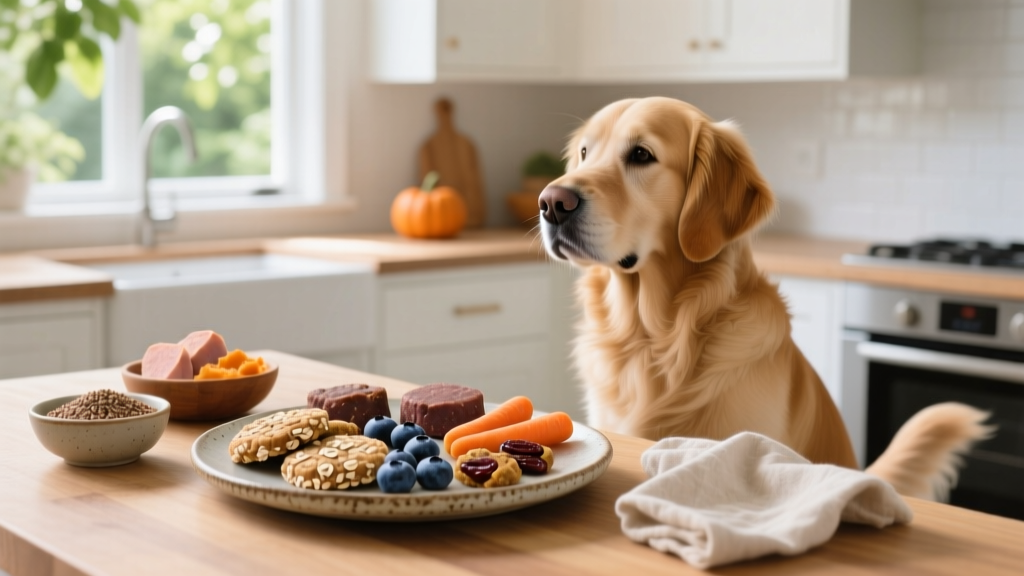
Homemade Remedies for Dog's Bad Breath: Diet-Based Solutions That Work
Discover effective homemade remedies for dog's bad breath through targeted nutrition, safe supplements, and vet-approved diet changes with exact feeding guidelines.

Why Your Dog's Breath Smells: The Nutrition Connection
Bad breath in dogs — clinically known as halitosis — affects an estimated 80% of dogs over age three, according to the Merck Veterinary Manual. While most owners reach for dental chews or toothbrushes, the root cause often traces back to diet. Gastrointestinal imbalances, food intolerances, and nutrient deficiencies all contribute to oral odor from the inside out.
Before exploring homemade remedies for dog's bad breath, understand that persistent halitosis signals underlying issues: periodontal disease, kidney dysfunction, diabetes, or gastrointestinal disorders. If your dog's breath suddenly worsens or smells fruity, ammonia-like, or putrid, consult your veterinarian immediately — these are red flags for systemic disease.
Nutritional Requirements for Oral Health
A diet supporting fresh breath must address three systems simultaneously: oral microbiome balance, digestive health, and immune function. Here's what adult dogs need daily:
| Nutrient | Adult Maintenance (AAFCO Min) | Oral Health Target | Function |
|---|---|---|---|
| Crude Protein | 18% DM | 22-28% DM | Gum tissue repair, saliva enzyme production |
| Crude Fat | 5.5% DM | 10-15% DM | Fat-soluble vitamin absorption, coat/skin barrier |
| Calcium | 0.5% DM | 0.5-1.2% DM | Tooth mineralization, jaw bone density |
| Phosphorus | 0.4% DM | 0.4-1.0% DM | Works with calcium for tooth structure |
| Omega-3 Fatty Acids | Not specified | 0.3-0.5% DM | Anti-inflammatory for gingival tissues |
| Fiber | Not specified | 3-5% DM | Mechanical tooth cleaning, gut motility |
Caloric needs by weight (adult, moderate activity):
- 10 lb / 4.5 kg: ~250-300 kcal/day
- 25 lb / 11 kg: ~500-600 kcal/day
- 50 lb / 23 kg: ~800-950 kcal/day
- 75 lb / 34 kg: ~1,100-1,300 kcal/day
- 100 lb / 45 kg: ~1,350-1,600 kcal/day
Adjust by ±20% based on activity level (working dogs need more), age (seniors need 10-15% fewer), and body condition score. An overweight dog produces more volatile sulfur compounds in the mouth — a direct contributor to halitosis.
Top Commercial Foods for Breath Support (2026 Picks)
When selecting commercial food targeting oral health, verify these label elements:
- AAFCO Statement: Must read "complete and balanced for [life stage]" — not "for intermittent feeding"
- First Ingredient: Named animal protein (chicken, salmon, lamb) — not "meat meal" or grain
- VOHC Seal: Veterinary Oral Health Council acceptance indicates proven tartar/plaque reduction
- Probiotic Strains: Look for Lactobacillus acidophilus, Bifidobacterium, Enterococcus faecium
- Added Zinc: Zinc gluconate or zinc sulfate reduces volatile sulfur compounds
1. Hill's Prescription Diet t/d Dental Care
Price: $75-95 for 27.5 lb bag | Best for: Dogs with established periodontal disease
Nutritional Profile: 16.4% protein, 14.3% fat, 1.5% fiber (DM basis). The kibble's patented fiber matrix scrubs teeth mechanically during chewing. VOHC-accepted for both plaque and tartar control.
Why it works: Larger kibble size forces full-tooth engagement before fracture. Requires prescription — your vet must authorize purchase.
2. Purina Pro Plan Veterinary Diets DH Dental Health
Price: $65-85 for 27.5 lb bag | Best for: Mild-to-moderate halitosis with tartar buildup
Nutritional Profile: 17.0% protein, 12.0% fat, 4.5% fiber. Contains sodium hexametaphosphate, which binds calcium in saliva to prevent tartar mineralization.
Why it works: Clinically shown to reduce tartar by up to 45% in 28 days. Also prescription-only.
3. Royal Canin Dental Dry Dog Food
Price: $70-90 for 22 lb bag | Best for: Adult dogs prone to plaque accumulation
Nutritional Profile: 18.0% protein, 12.0% fat, 5.8% fiber. Dual-action kibble: mechanical scrubbing plus chemical tartar control via polyphosphates.
Why it works: Available without prescription through Royal Canin's direct channel. Kibble shape designed for brachycephalic and dolichocephalic breeds differently.
4. Orijen Senior Dog Food
Price: $85-110 for 25 lb bag | Best for: Senior dogs with age-related halitosis
Nutritional Profile: 38% protein, 15% fat, 8% fiber (as-fed). 85% animal ingredients including fresh turkey, wild-caught fish, and free-range eggs. High protein supports gum tissue repair in aging dogs.
Why it works: No synthetic preservatives that can contribute to oral inflammation. Freeze-dried raw coating adds enzymatic activity that breaks down oral biofilm.
5. Wellness CORE Advanced Health Small Breed
Price: $45-60 for 12 lb bag | Best for: Small breeds (under 25 lb) with crowding-related dental issues
Nutritional Profile: 34% protein, 14% fat, 4% fiber. Includes glucosamine for jaw joint support and omega-3s from salmon oil for gingival inflammation.
Why it works: Smaller kibble size appropriate for small mouths while still providing mechanical cleaning. Added chicory root (inulin) supports gut microbiome, reducing GI-sourced halitosis.
6. The Honest Kitchen Whole Food Clusters Small Breed
Price: $55-75 for 12 lb bag | Best for: Owners wanting minimally processed food with breath benefits
Nutritional Profile: 28% protein, 16% fat, 5% fiber. Cold-pressed clusters retain natural enzymes destroyed by high-heat extrusion. Contains fresh parsley and spearmint — natural breath fresheners.
Why it works: Human-grade ingredients with visible herb inclusions. The cluster texture crumbles differently than extruded kibble, coating teeth with enzymatic residue.
Homemade Remedies for Dog's Bad Breath: Safe Recipes
Homemade additions to your dog's regular diet can provide targeted breath support. However, these are supplements to a complete diet, not replacements.
Recipe 1: Parsley-Mint Dental Sprinkle
- 2 tbsp fresh flat-leaf parsley, finely minced
- 1 tbsp fresh spearmint, finely minced
- 1 tsp coconut oil (unrefined, cold-pressed)
- 1 tsp ground flaxseed
Preparation: Mix ingredients, spread on parchment, dehydrate at 150°F (65°C) for 2 hours until crisp. Crumble and store in airtight container (refrigerate, use within 2 weeks).
Serving: ¼ tsp per 10 lb body weight, sprinkled over regular food once daily. A 50 lb dog gets approximately 1¼ tsp daily.
Why it works: Parsley contains chlorophyll, which binds volatile sulfur compounds. Coconut oil provides lauric acid with antimicrobial properties against Porphyromonas gingivalis, the primary bacterium in canine periodontal disease.
Recipe 2: Probiotic Yogurt-Pumpkin Cubes
- 1 cup plain Greek yogurt (full-fat, no xylitol — check label carefully)
- ½ cup plain canned pumpkin (NOT pie filling)
- 1 tsp honey (raw, unpasteurized)
- 2 probiotic capsules opened (canine-specific: FortiFlora or equivalent, 1 billion CFU minimum)
Preparation: Blend all ingredients, pour into silicone ice cube trays, freeze 4 hours.
Serving: 1 cube per 25 lb body weight as a post-meal treat. A 50 lb dog gets 2 cubes daily.
Why it works: GI-sourced halitosis often stems from dysbiosis. The probiotic strains in FortiFlora (Enterococcus faecium SF68) are clinically documented to improve stool quality and reduce oral malodor from gut fermentation. Pumpkin's soluble fiber promotes regular bowel movements, reducing putrefactive gas absorption.
Recipe 3: Green Apple & Carrot Dental Sticks
- 1 medium green apple, cored and seeds removed (seeds contain cyanogenic glycosides — toxic)
- 2 medium carrots
- 1 egg
- 1 cup oat flour
Preparation: Grate apple and carrot, mix with egg and oat flour to form dough. Roll into stick shapes (~4 inches long). Bake at 325°F (163°C) for 35-40 minutes until firm. Cool completely before serving.
Serving: 1 stick per day for dogs over 25 lb; half a stick for smaller dogs. Supervise chewing.
Why it works: Malic acid in green apples stimulates saliva production, which naturally flushes oral bacteria. Carrot fiber provides mechanical abrasion on tooth surfaces during chewing. The firm texture requires sustained gnawing, mimicking the action of dental chews.
Foods and Ingredients to Avoid
Some common foods actively worsen halitosis or pose toxicity risks when used in homemade preparations:
| Ingredient | Why Avoid | Toxic Dose |
|---|---|---|
| Garlic (all forms) | Causes Heinz body anemia; damages red blood cells | 15-30 g/kg body weight (approx. 1 clove per 10 lb dog) |
| Onion / chives / leeks | N-propyl disulfide causes oxidative hemolysis | Any amount — cumulative toxicity |
| Xylitol (birch sugar) | Rapid insulin release → hypoglycemia → liver failure | 0.1 g/kg (as little as 1-2 pieces of sugar-free gum) |
| Grapes / raisins | Idiopathic acute kidney injury; tartaric acid suspected | Any amount — no safe threshold established |
| Macadamia nuts | Causes weakness, tremors, hyperthermia | 2.4 g/kg |
| Apple seeds | Cyanogenic glycosides release hydrogen cyanide | Large quantities needed, but avoid entirely |
| Cooked bones | Splinter into sharp fragments → GI perforation | Any cooked bone |
Transition Protocol: Switching Foods Safely
Sudden diet changes cause GI upset, which paradoxically worsens breath through increased gut fermentation and loose stools. Follow this 10-day transition schedule:
| Days | Old Food | New Food | What to Watch For |
|---|---|---|---|
| 1-2 | 75% | 25% | Appetite, willingness to eat |
| 3-4 | 50% | 50% | Stool consistency (should be firm) |
| 5-6 | 25% | 75% | Gas, bloating, vomiting |
| 7-8 | 10% | 90% | Energy levels, coat texture |
| 9-10 | 0% | 100% | Full acceptance, normal digestion |
Extend the transition to 14 days if your dog has: a history of food sensitivities, is a puppy under 6 months, is a senior over 10 years, or has a diagnosed GI condition (IBD, exocrine pancreatic insufficiency).
If loose stools occur at any stage: Hold at the current ratio for 2 additional days before progressing. Add 1 tsp plain canned pumpkin per 10 lb body weight to firm stools. If diarrhea persists beyond 48 hours, revert to previous ratio and consult your vet.
Feeding Amounts by Weight: The Calculator
Overfeeding directly contributes to halitosis — excess calories lead to weight gain, which increases inflammatory markers and alters oral microbiome composition. Use this calculator as a starting point, then adjust based on body condition score.
| Dog Weight | Sedentary/ Senior | Moderate Activity | Highly Active/ Working | Weight Loss Target |
|---|---|---|---|---|
| 10 lb / 4.5 kg | 210 kcal | 275 kcal | 350 kcal | 190 kcal |
| 25 lb / 11 kg | 400 kcal | 525 kcal | 675 kcal | 360 kcal |
| 50 lb / 23 kg | 640 kcal | 850 kcal | 1,100 kcal | 575 kcal |
| 75 lb / 34 kg | 860 kcal | 1,150 kcal | 1,475 kcal | 775 kcal |
| 100 lb / 45 kg | 1,050 kcal | 1,400 kcal | 1,800 kcal | 945 kcal |
Adjustment factors to apply:
- Intact (unspayed/neutered): Add 10-15% to moderate activity column
- Post-spay/neuter: Reduce by 10-20% — metabolic rate drops within 2 weeks of surgery
- Pregnant (last trimester): Add 25-50% depending on litter size
- Lactating: Add 50-100% — nursing is the highest energy demand a dog faces
- Cold climate (below 32°F / 0°C): Add 10-25% for outdoor dogs
Supplements: What to Add and When
Targeted supplements amplify the breath-freshening effects of diet. These are evidence-based additions, not marketing hype:
| Supplement | Dosage | Timing | Breath Benefit |
|---|---|---|---|
| Fish oil (EPA/DHA) | 20-55 mg/kg combined EPA+DHA daily | With food, once daily | Reduces gingival inflammation; a 50 lb dog gets ~500-1,250 mg |
| Probiotics (multi-strain) | 1-5 billion CFU daily | With food, AM and PM | Rebalances oral and gut microbiome; reduces sulfur-producing bacteria |
| Coenzyme Q10 | 1-2 mg/kg daily | With food, once daily | Supports gingival tissue repair; especially useful in dogs over 7 years |
| Zinc (as zinc gluconate) | 1-2 mg/kg daily | With food, once daily | Binds volatile sulfur compounds directly in oral cavity |
| Digestive enzymes | Per product label (varies by concentration) | Sprinkled on food at each meal | Improves nutrient breakdown; reduces undigested protein fermentation in gut |
Important: Zinc supplementation above 5 mg/kg/day can cause toxicity (vomiting, lethargy, copper deficiency). Always start at the low end of the dosage range. If your dog is on a complete commercial diet, it likely already contains adequate zinc — check the guaranteed analysis before adding more.
Monitoring Success: How to Know It's Working
Track these indicators over a 4-6 week period after implementing dietary changes:
- Ribs: You should feel them easily without pressing hard, but not see them prominently (ideal: BCS 4-5)
- Waist: Visible tuck when viewed from above and from the side
- Abdominal tuck: Belly should angle upward from ribcage to hindquarters
An ideal BCS (4-5/9) correlates with reduced systemic inflammation and better oral health outcomes. Overweight dogs (BCS 7-9) have 2.5x higher rates of periodontal disease.
Weekly Breath Assessment Protocol:
- Lift your dog's lip and assess gum color (should be salmon-pink, not red or pale)
- Sniff directly at the gum line — not just the exhale — to localize the odor source
- Rate breath on a 1-5 scale (1 = barely detectable, 5 = room-filling offensive)
- Record in a notebook or phone app with the date
Additional success markers to track:
- Stool quality: Should be firm, formed, and easy to pick up (score 2-3 on the Purina Fecal Scoring System). Loose, foul-smelling stools indicate the diet isn't suiting your dog's GI tract.
- Coat quality: Should become shinier within 4-6 weeks of proper omega fatty acid intake. Dull, flaky coat suggests inadequate fat or essential fatty acid levels.
- Energy level: Appropriate for breed and age. Lethargy can indicate insufficient calories or an underlying condition causing the halitosis.
- Tartar visible on teeth: Brown/yellow buildup along the gumline should not increase. If it does, diet alone is insufficient — professional dental cleaning is needed.
When Diet Isn't Enough: Red Flags for Veterinary Attention
- Breath that smells like ammonia or urine (possible kidney disease)
- Sweet, fruity breath (possible diabetic ketoacidosis)
- Blood in saliva or on chew toys
- Loose, broken, or discolored teeth
- Swelling on the face or under the eyes (tooth root abscess)
- Reluctance to eat, dropping food, or chewing on one side only
- Pawing at the mouth or face
- Excessive drooling, especially if blood-tinged
- Weight loss despite normal appetite
- Vomiting or regurgitation accompanying bad breath
These symptoms indicate conditions that no dietary change can resolve — they require professional diagnosis and treatment.
Frequently Asked Questions
What is the best dog food for bad breath?
The best food for halitosis combines mechanical cleaning action (appropriate kibble size and texture), probiotics for microbiome balance, and omega-3 fatty acids for gingival anti-inflammatory support. For dogs with diagnosed dental disease, prescription diets like Hill's t/d or Purina DH are clinically proven. For prevention in healthy dogs, high-protein options like Orijen or Wellness CORE with added dental-supportive ingredients work well. Always verify the AAFCO statement matches your dog's life stage.
How much should I feed my dog to help with bad breath?
Feed to maintain an ideal body condition score of 4-5/9. Overfeeding contributes to obesity, which increases systemic inflammation and worsens periodontal disease. Use the feeding calculator table above as a starting point, then adjust based on your dog's individual metabolism, activity level, and whether they are spayed/neutered. Most commercial food bags overestimate feeding amounts by 15-25% — weigh your dog's food on a kitchen scale rather than using the cup measurements on the bag.
Can I feed my dog a homemade or raw diet for better breath?
You can, but only with professional formulation. A JAVMA study found that 95% of homemade dog food recipes found online were nutritionally deficient. Raw diets carry additional risks: a FDA study found that 25% of raw pet food samples tested positive for Salmonella and 71% for Listeria. If you want a homemade diet, work with an ACVN diplomate veterinary nutritionist who will formulate recipes meeting AAFCO nutrient profiles and provide exact supplement dosages. The homemade toppers and treats in this article are safe additions to a complete commercial diet but should never exceed 10% of daily calories.
What ingredients should I avoid in homemade breath remedies?
Never use garlic, onion, chives, leeks, xylitol, grapes, raisins, macadamia nuts, apple seeds, or cooked bones. Garlic is especially problematic — many online "natural" recipes include it as a "breath freshener," but it causes dose-dependent red blood cell damage. Even small amounts given daily accumulate toxicity over time. Always check peanut butter labels for xylitol (sometimes listed as birch sugar) before using it as a treat base.
How do I switch my dog to a new food safely?
Follow a 10-day gradual transition: 75/25 old-to-new for days 1-2, then 50/50 for days 3-4, 25/75 for days 5-6, 10/90 for days 7-8, and 100% new food by day 9-10. If your dog has a sensitive stomach, extend each phase by 2 days. If diarrhea or vomiting occurs at any stage, hold at the current ratio for 48 hours before progressing. Add plain canned pumpkin (1 tsp per 10 lb body weight) if stools become loose during transition.
Does my dog need supplements for bad breath?
Not necessarily — if you're feeding a complete, AAFCO-approved commercial diet, it already contains baseline vitamins and minerals. However, targeted additions can help: fish oil (20-55 mg/kg EPA+DHA) reduces gingival inflammation, and a canine-specific probiotic (1-5 billion CFU) rebalances oral bacteria. CoQ10 (1-2 mg/kg) benefits dogs over 7 years with age-related gum recession. Always check your food's guaranteed analysis first to avoid over-supplementing, particularly with fat-soluble vitamins (A, D, E, K) and minerals like zinc, which can reach toxic levels.
How long before I see improvement in my dog's breath?
Diet-based improvements typically appear within 3-6 weeks. Probiotic effects on oral microbiome balance show measurable changes within 14-21 days. Omega-3 anti-inflammatory effects on gingival tissue take 4-6 weeks to reach full efficacy. If no improvement occurs after 6 weeks of consistent dietary change, the halitosis likely has a non-dietary cause — schedule a veterinary dental examination including full-mouth radiographs, which detect sub-gingival disease invisible to visual inspection.
Anouk Beaumont
All our authors care for dogs every day — read more of their work on the authors page.