Safe Ingredients & Nutrition Guide
Discover vet-approved homemade dog treats recipes with safe ingredients, nutritional breakdowns, and feeding guidelines for every life stage.
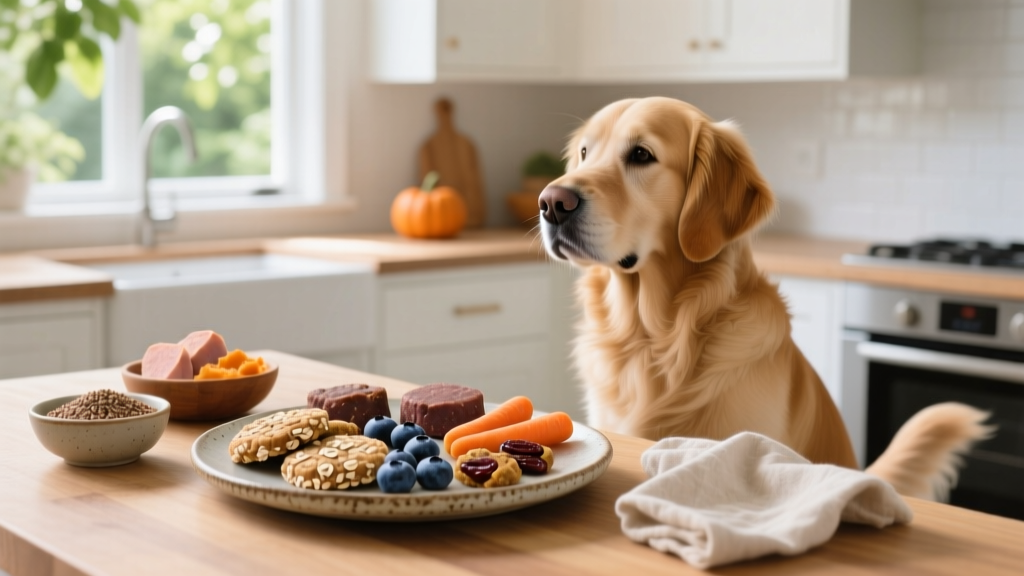
Nutritional Requirements for Homemade Dog Treats
Before whipping up a batch of homemade dog treats, it's crucial to understand that treats should never exceed 10% of your dog's daily caloric intake. For a 50-pound adult dog requiring 1,000-1,200 calories daily, that means treats should provide no more than 100-120 calories per day.
| Life Stage | Protein % | Fat % | Daily Calories (50 lb dog) | Max Treat Calories |
|---|---|---|---|---|
| Puppy (2-12 months) | 22-28% | 8-12% | 1,200-1,500 | 120-150 |
| Adult (1-7 years) | 18-25% | 5-8% | 1,000-1,200 | 100-120 |
| Senior (7+ years) | 18-22% | 4-6% | 800-1,000 | 80-100 |
| Weight Loss | 25-30% | 3-5% | 700-900 | 70-90 |
| Active/Working | 26-32% | 10-15% | 1,500-2,000 | 150-200 |
Vet-Approved Homemade Dog Treats Recipes
Peanut Butter Banana Biscuits
Ingredients: 2 cups whole wheat flour (or oat flour for grain-sensitive dogs), 1/2 cup unsalted, xylitol-free peanut butter, 1 ripe banana (mashed), 1/4 cup low-sodium chicken broth
Instructions: Preheat oven to 350°F. Mix all ingredients until dough forms. Roll to 1/4-inch thickness and cut into shapes. Bake 20-25 minutes until golden. Cool completely before serving.
Nutritional info per treat (1-inch biscuit): 35 calories, 1g protein, 1g fat, 6g carbs
Sweet Potato Chews
Ingredients: 2 medium sweet potatoes (no added oils or seasonings)
Instructions: Preheat oven to 250°F. Slice sweet potatoes into 1/4-inch strips. Place on parchment-lined baking sheet. Bake 2-3 hours, flipping halfway, until chewy but not crisp. Store in refrigerator up to 2 weeks.
Nutritional info per chew (3-inch strip): 25 calories, 0.5g protein, 0g fat, 6g carbs
Frozen Yogurt Blueberry Bites
Ingredients: 1 cup plain, unsweetened Greek yogurt, 1/2 cup fresh blueberries, 1 tablespoon honey (optional, omit for diabetic dogs)
Instructions: Mix yogurt and honey. Place blueberries in silicone molds, fill with yogurt mixture. Freeze 4-6 hours. Store in freezer up to 3 months.
Nutritional info per bite: 15 calories, 1g protein, 0.5g fat, 2g carbs
Liver Training Treats
Ingredients: 1 pound beef or chicken liver, 1/2 cup oat flour, 2 eggs
Instructions: Preheat oven to 350°F. Blend liver until smooth. Mix in flour and eggs. Pour into lined 8x8 pan. Bake 30-35 minutes until firm. Cool and cut into pea-sized pieces for training.
Nutritional info per piece (pea-sized): 8 calories, 1g protein, 0.3g fat, 0.5g carbs
Safe vs. Toxic Ingredients: What to Include and Avoid
| ✅ Safe Ingredients | ❌ Toxic Ingredients | ⚠️ Use with Caution |
|---|---|---|
| Peanut butter (xylitol-free) | Xylitol (artificial sweetener) | Salt (limit to <100mg/treat) |
| Pumpkin (plain, canned) | Chocolate/cocoa powder | Cheese (high fat, lactose) |
| Sweet potatoes | Grapes/raisins | Liver (vitamin A toxicity if overfed) |
| Blueberries | Onions/garlic | Eggs (cook thoroughly) |
| Carrots | Macadamia nuts | Wheat flour (allergies) |
| Plain yogurt | Avocado | Fish (remove all bones) |
| Oats/oat flour | Raw yeast dough | Coconut oil (high calorie) |
Commercial Treat Selection: What to Look For
When purchasing commercial treats alongside your homemade options, always check for these criteria:
AAFCO Statement
Look for treats that state they meet AAFCO (Association of American Feed Control Officials) standards. While treats don't require complete-and-balanced statements like full diets, reputable brands will indicate compliance with AAFCO ingredient definitions and labeling requirements.
Ingredient Quality Indicators
- Named protein source first: "Chicken" or "Beef" rather than "meat by-products"
- Limited ingredients: Fewer than 10 ingredients typically indicates higher quality
- No artificial preservatives: Avoid BHA, BHT, ethoxyquin
- Made in USA/Canada/EU: Stricter manufacturing standards
- Clear sourcing: Specific origin of main ingredients
Top Recommended Commercial Treats (2026)
Price: $8-12 (16 oz)
Calories: 3 per treat
Best for: Training, small dogs
Features: Multiple protein options, no artificial preservatives
Price: $10-15 (16 oz)
Calories: 3.5 per treat
Best for: Dogs with food sensitivities
Features: Limited ingredient, grain-free options
Price: $15-20 (14 oz)
Calories: 5 per treat
Best for: High-value rewards
Features: Single ingredient, 100% beef liver
Price: $7-10 (10 oz)
Calories: 2.5 per treat
Best for: Weight management
Features: Low calorie, fruit-based flavors
Price: $9-13 (8 oz)
Calories: 4 per treat
Best for: Puppies, senior dogs
Features: DHA for brain development, soft texture
Feeding Guidelines and Portion Control
| Dog Weight | Daily Calories | Max Treat Calories (10%) | Homemade Treat Equivalent |
|---|---|---|---|
| 10 lb | 300-350 | 30-35 | 1 peanut butter biscuit OR 2 sweet potato chews |
| 25 lb | 600-700 | 60-70 | 2 biscuits OR 3 chews OR 4 yogurt bites |
| 50 lb | 1,000-1,200 | 100-120 | 3 biscuits OR 5 chews OR 8 yogurt bites |
| 75 lb | 1,400-1,600 | 140-160 | 4 biscuits OR 6 chews OR 10 yogurt bites |
| 100+ lb | 1,800-2,200 | 180-220 | 5-6 biscuits OR 8 chews OR 12 yogurt bites |
Adjustment Factors
Activity Level: Working or highly active dogs may handle 15% of calories from treats. Sedentary dogs should stay at 5-8%.
Age: Puppies under 6 months should receive minimal treats (focus on training with regular kibble). Senior dogs with reduced metabolism need 20-30% fewer treat calories.
Health Conditions: Diabetic dogs require low-carb treats. Dogs with kidney disease need low-protein options. Always consult your vet for condition-specific guidance.
Supplements and Add-Ins
Most healthy dogs on complete commercial diets don't need supplements in treats. However, these additions can provide benefits:
Beneficial Add-Ins
- Fish oil (1/4 tsp per 25 lb dog): Omega-3s for coat and joint health
- Probiotic powder (per package dosage): Digestive support, especially for dogs with sensitive stomachs
- Turmeric (1/8 tsp per 25 lb dog): Anti-inflammatory, pair with black pepper for absorption
- Glucosamine (per vet recommendation): Joint support for senior or large-breed dogs
Storage and Food Safety
Homemade treats lack commercial preservatives, making proper storage critical:
| Treat Type | Room Temperature | Refrigerator | Freezer |
|---|---|---|---|
| Baked biscuits | 1 week (airtight container) | 2-3 weeks | 3 months |
| Dehydrated chews | 2 weeks (sealed bag) | 1 month | 6 months |
| Frozen yogurt bites | Not recommended | Not recommended | 3 months |
| Liver treats | 3-4 days | 1-2 weeks | 2 months |
Signs of spoilage: Discard treats with off odors, visible mold, color changes, or slimy texture. When in doubt, throw it out.
Monitoring Your Dog's Response
Track these indicators to ensure treats aren't causing problems:
Body Condition Score (BCS)
Use the 9-point BCS scale monthly. Ideal score is 4-5 (ribs easily felt but not visible, visible waist from above). If your dog gains weight, reduce treat portions by 25%.
Digestive Health
Watch for loose stools, gas, or vomiting after introducing new treats. Transition slowly—start with 1/4 of the intended portion and increase over 3-4 days.
Allergic Reactions
Signs include itching, ear infections, paw licking, or hives. If symptoms appear, discontinue the treat and consult your vet. Common allergens: wheat, dairy, chicken, beef.
Frequently Asked Questions
Can I feed my dog a completely homemade diet instead of commercial food?
While possible, homemade complete diets require precise formulation by a veterinary nutritionist to avoid severe deficiencies. The American College of Veterinary Nutrition warns that most homemade diets lack essential nutrients like calcium, vitamin E, and trace minerals. Treats are fine for occasional use, but complete homemade meals need professional guidance.
How do I know if my homemade treats are nutritionally balanced?
Treats don't need to be nutritionally complete since they represent less than 10% of daily intake. Focus on safe ingredients and appropriate portions rather than balance. Your dog's main diet should provide all necessary nutrients.
Are grain-free treats better for dogs?
Not necessarily. The FDA has investigated potential links between grain-free diets and dilated cardiomyopathy (DCM) in dogs. Unless your dog has a diagnosed grain allergy (rare—less than 1% of dogs), grain-inclusive treats using oats or whole wheat are perfectly safe and may be preferable.
Can puppies have homemade treats?
Puppies over 12 weeks can have small amounts of homemade treats, but they should be tiny (pea-sized) and soft. Focus training rewards on their regular kibble to avoid nutritional imbalances during critical growth phases.
What if my dog has food allergies?
Identify the specific allergen through veterinary-supervised elimination trials. Then create treats using novel proteins (venison, duck, rabbit) and alternative carbohydrates (sweet potato, quinoa). Always introduce one new ingredient at a time and monitor for 2 weeks.
How long should I bake treats to kill bacteria?
Internal temperature must reach 165°F to eliminate salmonella and E. coli. Use an instant-read thermometer for meat-based treats. Baked goods should be golden brown and firm throughout.
Aaron Whyte
All our authors care for dogs every day — read more of their work on the authors page.