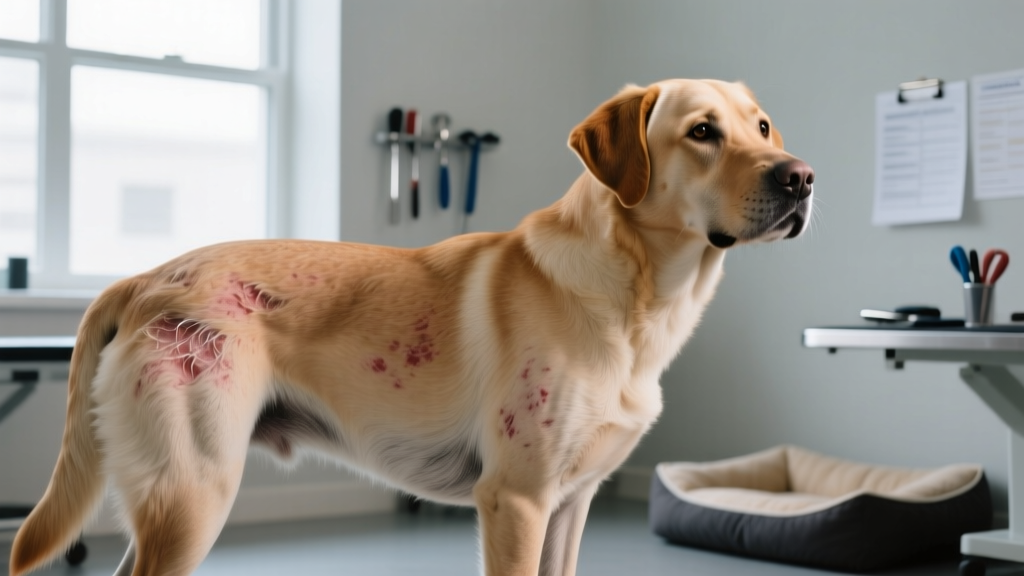
Gabapentin for Dogs: Dosage Guide, Side Effects & Vet Insights
Complete guide to gabapentin for dogs dosage by weight and condition. Covers uses, side effects, drug interactions, cost, and when to call your vet.

Gabapentin requires a veterinarian prescription and should only be used under direct veterinary supervision. Never administer gabapentin prescribed for another pet or for human use without explicit veterinary guidance. Your vet determines the correct dose based on your dog's weight, condition, kidney function, and concurrent medications.
Gabapentin has become one of the most widely prescribed medications in veterinary neurology and pain management. Originally developed as an anticonvulsant for human epilepsy, this versatile drug now plays a central role in managing chronic pain, anxiety, and seizure disorders in dogs. If your veterinarian has recommended gabapentin — or you're preparing for a conversation about whether it's right for your dog — understanding the dosing framework, expected side effects, and monitoring requirements will help you become a more informed partner in your dog's care.
What Is Gabapentin Used for in Dogs?
Gabapentin (brand name Neurontin, among others) belongs to a drug class called anticonvulsants or antiepileptics, though its veterinary applications extend well beyond seizure control. The Merck Veterinary Manual categorizes it as a gabapentinoid — a compound that modulates calcium channel activity in the central nervous system.
Here's a breakdown of how veterinarians prescribe gabapentin:
Despite its name, gabapentin does not directly bind to GABA receptors. Instead, it binds to the α2δ (alpha-2-delta) subunit of voltage-gated calcium channels in the brain and spinal cord. By reducing calcium influx into nerve terminals, gabapentin decreases the release of excitatory neurotransmitters — specifically glutamate, substance P, and norepinephrine. The practical result: overactive pain signals get dampened, seizure thresholds increase, and anxiety responses become less intense.
Onset of action is typically 1–2 hours after oral administration, with peak plasma concentrations reached within 2–3 hours in most dogs. The drug is not metabolized by the liver; it is excreted almost entirely unchanged through the kidneys, which has important implications for dosing in dogs with renal disease.
FDA-Approved vs. Off-Label Uses
Gabapentin is not FDA-approved specifically for veterinary use in dogs. It is prescribed as an extra-label (off-label) medication under the Animal Medicinal Drug Use Clarification Act (AMDUCA). This is standard practice in veterinary medicine — many commonly used drugs, from trazodone to metronidazole, carry the same status. Your veterinarian is legally authorized to prescribe gabapentin for any condition where clinical evidence supports its use.
Common veterinary applications include:
- Neuropathic pain management — intervertebral disc disease (IVDD), nerve root compression, diabetic neuropathy
- Chronic musculoskeletal pain — osteoarthritis adjunct therapy, often combined with NSAIDs or other analgesics
- Seizure management — adjunctive therapy for refractory epilepsy, often alongside phenobarbital or potassium bromide
- Pre-visit anxiety — situational use before veterinary appointments (part of "fear-free" protocols)
- Post-surgical pain — particularly after orthopedic or spinal procedures
- Syringomyelia management — especially in Cavalier King Charles Spaniels and other predisposed breeds
Gabapentin for Dogs Dosage by Condition and Weight
Dosing gabapentin is not one-size-fits-all. Your veterinarian will calculate the dose based on your dog's weight in kilograms, the condition being treated, kidney function, and whether other medications are being used concurrently. The following table reflects standard veterinary dosing ranges referenced in current pharmacology literature and the Plumb's Veterinary Drug Handbook.
| Condition | Dosage Range (mg/kg) | Frequency | Route |
|---|---|---|---|
| Neuropathic / chronic pain | 5–15 mg/kg | Every 8–12 hours | Oral |
| Adjunctive seizure control | 10–20 mg/kg | Every 8 hours | Oral |
| Pre-visit anxiety (single dose) | 15–30 mg/kg | Once, 2 hours before visit (some vets add a dose the night before) | Oral |
| Post-surgical pain | 5–10 mg/kg | Every 8–12 hours | Oral |
| Syringomyelia | 10–15 mg/kg | Every 8 hours | Oral |
Dosage Calculation Examples by Dog Weight
To make these ranges more concrete, here's what a typical pain-management dose (10 mg/kg every 8 hours) looks like across common weight classes:
| Dog Weight | Weight in kg | Single Dose at 10 mg/kg | Daily Total (q8h) |
|---|---|---|---|
| 10 lb | 4.5 kg | 45 mg | 135 mg |
| 25 lb | 11.4 kg | 114 mg | 342 mg |
| 50 lb | 22.7 kg | 227 mg | 681 mg |
| 75 lb | 34.1 kg | 341 mg | 1,023 mg |
| 100 lb | 45.5 kg | 455 mg | 1,365 mg |
Important note on capsule sizes: Gabapentin is commercially available in 100 mg, 300 mg, 400 mg, 600 mg, and 800 mg capsules, as well as 600 mg and 800 mg tablets. For small dogs, your vet may prescribe compounded gabapentin (available through veterinary compounding pharmacies in precise doses like 25 mg or 50 mg per capsule) or the oral solution (250 mg/5 mL). Never split capsules to approximate a dose — the powder inside is not evenly distributed, and capsule integrity affects absorption.
Administration Instructions: How to Give Gabapentin
Gabapentin can be administered with or without food. However, giving it with a small meal or treat often reduces the likelihood of gastrointestinal upset, which is among the more common mild side effects.
Frequency and timing: Gabapentin has a relatively short half-life in dogs — approximately 3–4 hours. This is why most pain and seizure protocols require dosing every 8 hours (three times daily) to maintain therapeutic blood levels. Missing doses or extending intervals significantly reduces the drug's effectiveness, particularly for seizure control where consistent blood levels are critical.
Duration of treatment: This varies enormously depending on the condition:
- Post-surgical pain: Typically 5–14 days, then tapered
- Pre-visit anxiety: Single dose or two-dose protocol (night before + morning of)
- Chronic neuropathic pain: Long-term, potentially lifelong, with periodic reassessment
- Adjunctive seizure management: Long-term, potentially lifelong; never discontinue abruptly
Critical warning on discontinuation: If your dog has been on gabapentin for more than 1–2 weeks, do not stop the medication suddenly. Abrupt withdrawal can trigger rebound seizures (even in dogs not originally treated for epilepsy), heightened pain sensitivity, and anxiety. Your veterinarian will provide a tapering schedule — typically reducing the dose by 25% every 3–5 days over a 1–2 week period.
Side Effects of Gabapentin in Dogs
Most dogs tolerate gabapentin well, but side effects are common enough that owners should know what to expect. Sedation is by far the most frequently reported issue, especially during the first week of treatment as the dog's system adjusts.
| Side Effect | Frequency | Typical Duration | Owner Action |
|---|---|---|---|
| Sedation / drowsiness | ~20–30% | Usually improves within 5–7 days | Monitor; contact vet if severe or persistent beyond 2 weeks |
| Ataxia (wobbliness, incoordination) | ~10–15% | Often resolves within 3–5 days | Use ramps instead of stairs; block access to pools/balconies |
| Vomiting | ~5–10% | Intermittent, often dose-related | Give with food; if persistent, vet may adjust dose |
| Diarrhea | ~5% | Usually transient | Monitor hydration; contact vet if lasting >48 hours |
| Increased appetite | ~5% | May persist throughout treatment | Manage food portions to prevent weight gain |
- Severe lethargy — dog cannot be roused or is unresponsive
- Respiratory depression — slow, shallow, or labored breathing
- Facial swelling, hives, or difficulty breathing — signs of anaphylaxis (rare but possible)
- Seizures — paradoxically, if your dog is NOT on gabapentin for seizures and develops one, or if breakthrough seizures increase in frequency
- Severe vomiting or diarrhea — especially with blood or lasting more than 24 hours
- Behavioral changes — sudden aggression, extreme agitation, or disorientation
If you suspect an overdose, contact your veterinarian immediately or call the ASPCA Animal Poison Control Center at (888) 426-4435 (24/7, consultation fee applies) or the Pet Poison Helpline at (855) 764-7661.
Contraindications: Dogs Who Should NOT Receive Gabapentin
While gabapentin is generally well-tolerated, certain dogs require modified dosing or should avoid the drug entirely:
- Kidney disease (renal insufficiency): Since gabapentin is excreted almost entirely by the kidneys, dogs with reduced renal function will accumulate the drug. Your vet will likely reduce the dose by 25–50% and extend dosing intervals depending on the severity of kidney impairment (staged via IRIS guidelines). Blood work (BUN, creatinine, SDMA) should be current before starting.
- Known hypersensitivity: Dogs with a documented allergic reaction to gabapentin or pregabalin (a related gabapentinoid) should not receive it.
- Liver disease: While gabapentin is not metabolized by the liver (making it safer than many other drugs for dogs with hepatic disease), severe liver disease can alter protein binding and fluid balance, which may indirectly affect drug distribution. Your vet will evaluate on a case-by-case basis.
- Very young puppies: Safety data in puppies under 6 months is limited. Use in young dogs is at the veterinarian's clinical discretion.
- Pregnant or nursing dogs: Gabapentin crosses the placenta and is excreted in milk. Use in pregnant or lactating dogs is generally avoided unless the benefit clearly outweighs the risk.
Drug Interactions and Concurrent Medications
Gabapentin has a relatively favorable drug interaction profile compared to many other neurological medications, but several interactions warrant attention:
| Concurrent Drug | Interaction | Clinical Significance |
|---|---|---|
| Opioids (morphine, tramadol, buprenorphine) | Additive CNS depression; gabapentin bioavailability may increase by up to 44% | High — dose adjustment often needed; monitor closely for excessive sedation |
| Other CNS depressants (trazodone, acepromazine, benzodiazepines) | Additive sedation and ataxia | Moderate–High — commonly combined for anxiety protocols but requires careful dose titration |
| Antacids (aluminum/magnesium hydroxide) | Reduces gabapentin absorption by up to 20% | Moderate — separate administration by at least 2 hours |
| NSAIDs (carprofen, meloxicam, firocoxib) | No significant pharmacokinetic interaction | Low — commonly and safely combined for multimodal pain management |
| Phenobarbital | No significant interaction; complementary mechanisms | Low — frequently combined for refractory epilepsy under neurologist guidance |
Always provide your veterinarian with a complete list of every medication, supplement, and over-the-counter product your dog is taking — including flea/tick preventives, joint supplements, and calming aids. Even seemingly benign products can alter how gabapentin is absorbed or processed.
Monitoring Requirements and Follow-Up
Unlike some veterinary medications that require intensive blood monitoring (phenobarbital, for example), gabapentin is relatively straightforward to manage. However, responsible prescribing still involves periodic check-ins:
- Baseline (before starting): Complete blood count (CBC), serum biochemistry panel (especially BUN, creatinine, SDMA for kidney function). Cost: $80–$180 depending on clinic and region.
- First follow-up (2–4 weeks): Physical exam, assessment of therapeutic response, side effect evaluation. Your vet may adjust the dose upward if the initial dose is well-tolerated but insufficient for pain/anxiety control.
- Ongoing (every 6–12 months for long-term use): Repeat blood work to monitor kidney function, weight check (gabapentin can increase appetite), and assessment of whether the medication is still indicated.
- As needed: Contact your vet if sedation worsens, if your dog's condition changes, or before adding any new medications.
For dogs on gabapentin for seizure management, your veterinarian or veterinary neurologist may recommend keeping a seizure log (date, duration, severity, possible triggers) to evaluate whether the adjunctive therapy is providing adequate control.
Cost and Availability
Gabapentin is available as a generic medication, which keeps costs relatively accessible compared to newer proprietary drugs. Here's what you can expect to pay in 2026:
- Generic capsules (100 mg, 300 mg): $0.15–$0.50 per capsule at most pharmacies
- Generic tablets (600 mg, 800 mg): $0.30–$0.80 per tablet
- Oral solution (250 mg/5 mL): $25–$55 per 473 mL bottle
- Compounded gabapentin (custom doses, flavored chews): $30–$75 per month depending on formulation and pharmacy
- Monthly cost estimate (50 lb / 22.7 kg dog, pain protocol at 10 mg/kg q8h): Approximately $15–$45 per month using generic capsules purchased through your vet or a human pharmacy with a veterinary prescription
Many pet insurance plans (Trupanion, Healthy Paws, Nationwide, ASPCA Pet Health Insurance) cover gabapentin when prescribed for a diagnosed condition, provided the condition is not pre-existing. Typical co-pays range from 10–30% of the medication cost depending on your plan.
Where to fill: You can fill gabapentin prescriptions at most human pharmacies (CVS, Walgreens, Walmart, Costco) with a valid veterinary prescription, often at lower cost than purchasing directly from the veterinary clinic. Online pharmacies should be VIPPS-accredited (Verified Internet Pharmacy Practice Sites) to ensure product legitimacy.
Missed Doses and Overdose: What to Do
If you miss a dose: Give it as soon as you remember, unless it's nearly time for the next scheduled dose. In that case, skip the missed dose and resume the regular schedule. Never double the dose to "catch up." For seizure management, even a single missed dose can lower the seizure threshold — set phone alarms or use a pill organizer to maintain consistency.
If an overdose occurs: Gabapentin overdose in dogs typically causes pronounced sedation, ataxia, and possibly vomiting. While gabapentin has a relatively wide safety margin (the LD50 in dogs is quite high), massive overdoses — particularly in small dogs or those with kidney disease — can cause dangerous respiratory depression. Steps to take:
- Note the approximate amount ingested and the time of ingestion
- Contact your veterinarian or an emergency veterinary clinic immediately
- Call ASPCA Animal Poison Control at (888) 426-4435 for guidance (a consultation fee of approximately $95 applies)
- Do not attempt to induce vomiting unless specifically instructed by a veterinary professional
- Bring the medication bottle/packaging to the clinic for accurate dose verification
Treatment for overdose is generally supportive — intravenous fluids to enhance renal clearance, monitoring of vital signs, and observation until the drug is eliminated. Most dogs recover fully within 12–24 hours with appropriate supportive care.
Alternatives to Gabapentin for Dogs
Gabapentin is not the only option for neuropathic pain, seizure management, or anxiety. Depending on your dog's specific condition, your veterinarian may discuss these alternatives — either as substitutes or complementary therapies:
- Pregabalin (Lyrica): A closely related gabapentinoid with a similar mechanism but higher bioavailability and longer duration of action. Dosed at 2–4 mg/kg every 12 hours. May be preferred when gabapentin requires inconvenient three-times-daily dosing. Cost is higher ($1–$3 per capsule generic).
- Amantadine: An NMDA receptor antagonist used for chronic pain, particularly when "wind-up" pain (central sensitization) is suspected. Often combined with NSAIDs and gabapentin in a multimodal protocol. Dosed at 3–5 mg/kg once daily.
- Tramadol: A weak opioid with serotonergic activity. While its efficacy for chronic pain in dogs has been debated in recent veterinary literature (a 2018 study published in the Journal of the American Veterinary Medical Association questioned its analgesic efficacy in dogs), it remains in use for some cases. Your vet will evaluate based on current evidence.
- NSAIDs (carprofen, meloxicam, grapiprant): First-line for inflammatory musculoskeletal pain. Often combined with gabapentin for multimodal pain management. Require periodic liver and kidney monitoring.
- Librela (bedinvetmab): A monthly anti-NGF monoclonal antibody injection for osteoarthritis pain, approved for dogs. Administered by your veterinarian. Growing evidence base since its US market introduction.
- Phenobarbital / potassium bromide / levetiracetam: First-line anticonvulsants for epilepsy, with gabapentin typically reserved as an adjunctive option when seizure control is incomplete.
- Trazodone / fluoxetine / clomipramine: For anxiety-related conditions, these may be preferred as primary agents, with gabapentin used situationally (pre-visit protocols).
The choice between gabapentin and its alternatives depends on the specific diagnosis, your dog's comorbidities, concurrent medications, cost considerations, and how your individual dog responds. There is no universally "best" option — only the best option for your specific dog under your veterinarian's guidance.
Frequently Asked Questions
Can I give my dog human gabapentin?
Human gabapentin and veterinary gabapentin are the same active ingredient. However, you should never give your dog gabapentin prescribed for you or another person without your veterinarian's explicit direction. Human formulations may contain xylitol (a toxic sweetener for dogs) in liquid forms, and the capsule or tablet strengths may not match your dog's prescribed dose. Always obtain gabapentin through a veterinary prescription filled at a reputable pharmacy.
How long does it take for gabapentin to start working in dogs?
For acute uses like pre-visit anxiety, effects typically begin within 1–2 hours. For chronic pain management, your veterinarian will likely start at a lower dose and gradually increase over 1–2 weeks. Full therapeutic effect for chronic conditions may take 2–4 weeks as the dose is titrated to the optimal level for your individual dog.
Does gabapentin need to be given exactly every 8 hours?
For seizure management and chronic pain, maintaining consistent blood levels is important, so sticking close to the 8-hour interval is ideal. A variance of 30–60 minutes is generally acceptable. Setting alarms on your phone can help. If maintaining a strict q8h schedule is impractical for your lifestyle, discuss with your vet whether a q12h protocol at a higher per-dose amount might be appropriate — this is sometimes feasible for pain management but generally not recommended for seizure control.
Will gabapentin make my dog "high" or change their personality?
Gabapentin causes sedation, not euphoria, in dogs. Your dog may seem sleepy, less interested in play, or slightly uncoordinated during the adjustment period. This typically resolves within the first week. If your dog seems persistently "out of it" or their personality changes significantly after two weeks on a stable dose, consult your veterinarian — the dose may be too high, or a different medication may be more suitable.
Can gabapentin be used long-term in dogs?
Yes. Many dogs take gabapentin for months or years for chronic conditions like osteoarthritis, syringomyelia, or refractory epilepsy. Because it is not metabolized by the liver and does not cause organ damage in the way that long-term NSAIDs or corticosteroids can, it is considered one of the safer options for long-term neurological pain management. Periodic kidney function monitoring (every 6–12 months) is recommended for dogs on extended therapy.
My dog gained weight since starting gabapentin — is that normal?
Increased appetite is a recognized side effect in approximately 5% of dogs taking gabapentin. Combined with the sedative effect (which may reduce activity levels), weight gain is possible. Monitor your dog's body condition score (BCS) monthly, measure food portions precisely, and discuss with your vet if weight gain exceeds 5% of body weight. Adjusting food intake or switching to a lower-calorie diet usually resolves the issue without discontinuing the medication.
Disclaimer: This article is for informational purposes only and does not replace professional veterinary advice. Always consult your veterinarian before starting, adjusting, or discontinuing any medication for your dog. Individual responses to gabapentin vary, and your veterinarian is the only qualified professional who can determine the appropriate treatment plan for your pet.
Priya Sutaria
All our authors care for dogs every day — read more of their work on the authors page.