Hair Loss in Dogs: Complete Guide to Causes, Diagnosis & Treatment
Comprehensive guide to hair loss in dogs: symptoms, causes, vet diagnosis process, treatment costs, breed risks, and when to seek emergency care.
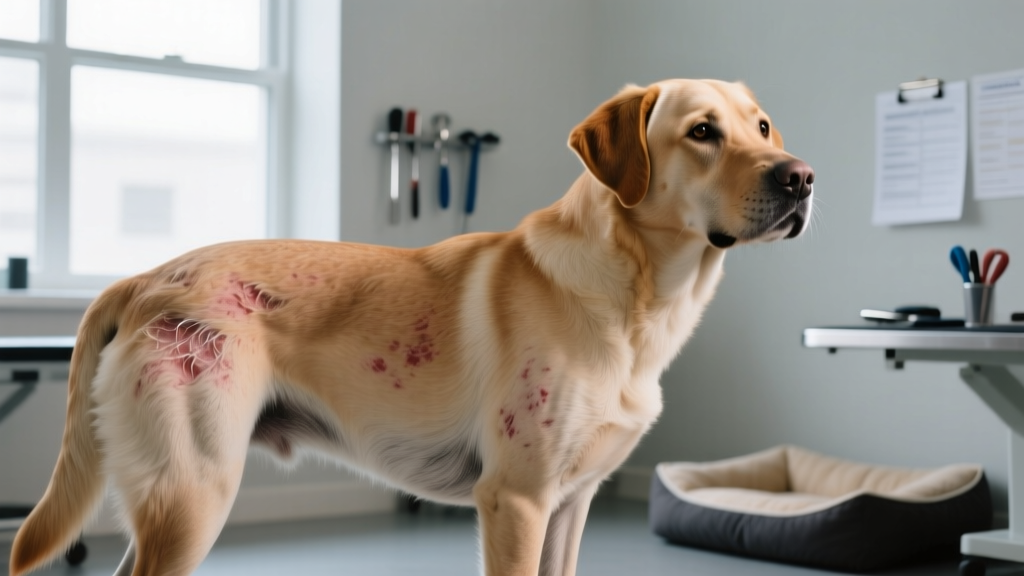
If your dog is losing hair in patches, developing bald spots, or thinning across their coat, you're likely wondering whether it's a minor skin irritation or something more serious. Hair loss in dogs — clinically known as alopecia — is one of the most common reasons pet owners visit the veterinary dermatologist. According to the Merck Veterinary Manual, canine alopecia encompasses any partial or complete loss of hair from areas where it normally grows, and it can stem from dozens of underlying causes ranging from simple allergies to endocrine disorders and autoimmune diseases.
Alopecia affects an estimated 10–15% of all veterinary dermatology cases. It is not a disease itself but rather a symptom of an underlying condition. The cause may be parasitic (fleas, mites), infectious (bacterial, fungal), hormonal (hypothyroidism, Cushing's disease), allergic (food, environmental, flea allergy dermatitis), or behavioral (compulsive licking). Some breeds carry genetic predispositions to specific types of hair loss. Because the differential diagnosis list is extensive, a systematic veterinary workup is essential — home diagnosis based on appearance alone frequently leads to incorrect treatment.
What Causes Hair Loss in Dogs?
Understanding the root cause is the single most important step in addressing canine alopecia. Veterinarians categorize hair loss causes into several major groups, each requiring different diagnostic approaches and treatments.
Allergic Causes
Allergies are the number one cause of hair loss in dogs. The three primary allergy types include:
- Flea Allergy Dermatitis (FAD): Even a single flea bite can trigger intense itching and hair loss in sensitized dogs. Hair loss typically appears along the back, tail base, and hindquarters.
- Environmental Allergies (Atopic Dermatitis): Reactions to pollen, dust mites, or mold cause paw licking, face rubbing, and patchy hair loss. Often seasonal initially, progressing to year-round symptoms.
- Food Allergies: Proteins like chicken, beef, or dairy can trigger itchy skin and hair loss, often around the face, paws, and ears. Food allergies account for roughly 10–15% of allergic skin disease in dogs.
Parasitic and Infectious Causes
- Demodectic Mange (Demodex mites): Causes patchy or generalized hair loss, especially in puppies and immunocompromised dogs. Demodex canis mites live in hair follicles and proliferate when the immune system is weakened.
- Sarcoptic Mange: Intensely itchy mites that cause severe hair loss on ear margins, elbows, and abdomen.
- Ringworm (Dermatophytosis): Fungal infection causing circular bald patches with crusting. Highly contagious and zoonotic (transmissible to humans).
- Bacterial Pyoderma: Secondary bacterial infections (typically Staphylococcus pseudintermedius) that develop in damaged skin, causing pustules, crusting, and hair loss.
Endocrine (Hormonal) Causes
- Hypothyroidism: Underactive thyroid gland causes symmetrical hair loss on the trunk, a "rat tail" appearance, and a dull, dry coat. Most common in medium-to-large breeds aged 4–10 years.
- Cushing's Disease (Hyperadrenocorticism): Excess cortisol production causes thinning skin, symmetrical trunkal alopecia, pot-bellied appearance, and increased thirst/urination. Most common in dogs over 6 years old.
- Alopecia X (Growth Hormone-Responsive Dermatosis): Primarily affects Pomeranians, Chow Chows, and Nordic breeds. Causes gradual hair loss on the trunk while the head and legs remain unaffected.
Other Causes
- Pressure sores (decubital ulcers): Hair loss over bony prominences in large, heavy dogs that lie on hard surfaces.
- Injection site reactions: Localized hair loss following certain vaccinations or steroid injections.
- Psychogenic alopecia: Compulsive licking or chewing due to anxiety, boredom, or stress.
- Post-clipping alopecia: Hair fails to regrow after being shaved, particularly in Nordic and double-coated breeds.
Symptoms of Hair Loss in Dogs: Early vs. Advanced Signs
Recognizing where your dog falls on the symptom spectrum helps you communicate effectively with your vet and understand urgency levels.
| Severity | Symptoms | Action Required |
|---|---|---|
| Early / Mild |
• Small bald patches (1–2 inches) • Mild flaking or dandruff • Occasional scratching or licking • Dull or slightly thinning coat • Redness limited to one area |
Schedule routine vet appointment within 1–2 weeks |
| Moderate |
• Multiple bald patches or expanding areas • Persistent scratching, chewing, or licking • Skin thickening or darkening (hyperpigmentation) • Crusting, scabbing, or oozing lesions • Hair loss on trunk (symmetrical pattern) • Increased shedding beyond normal |
Schedule vet appointment within 3–5 days |
| Advanced / Severe |
• Widespread or near-total body hair loss • Open sores, bleeding, or secondary infections • Foul odor from skin • Extreme itchiness preventing sleep or eating • Lethargy, weight changes, increased thirst/urination • Hair loss combined with pot-bellied appearance • Rapid onset of symptoms (days, not weeks) |
See vet within 24–48 hours |
Breed Predispositions and Risk Factors
Which Breeds Are Prone to Hair Loss?
| Condition | High-Risk Breeds |
|---|---|
| Hypothyroidism | Golden Retrievers, Doberman Pinschers, Irish Setters, Cocker Spaniels, Dachshunds |
| Cushing's Disease | Poodles (all sizes), Dachshunds, Boxers, Boston Terriers, Yorkshire Terriers |
| Alopecia X | Pomeranians, Chow Chows, Keeshonds, Samoyeds, Alaskan Malamutes, Siberian Huskies |
| Demodectic Mange | Shar-Peis, Bulldogs, Boxers, Great Danes, Afghan Hounds |
| Color Dilution Alopecia | Blue/fawn Dobermans, Blue Great Danes, Fawn Irish Setters, "Blue" Pit Bull-type dogs |
| Pattern Baldness | Dachshunds (ventral), Chihuahuas, Boston Terriers, Whippets, Greyhounds |
Additional Risk Factors
- Age: Endocrine causes increase significantly after age 6; puppies are more susceptible to demodectic mange
- Intact vs. spayed/neutered: Intact females have higher risk of hormone-responsive alopecia; spayed dogs have slightly higher hypothyroidism rates
- Weight: Obese dogs have higher risk of endocrine disorders and skin fold infections
- Environment: Humid climates increase fungal and bacterial skin infections; outdoor dogs have higher parasite exposure
- Medications: Long-term corticosteroid use can cause iatrogenic (medication-induced) Cushing's syndrome and hair loss
How Veterinarians Diagnose Hair Loss in Dogs
Because the list of potential causes is extensive, your veterinarian will typically follow a systematic diagnostic process, starting with the least invasive tests and progressing based on findings.
Diagnostic Workup — Step by Step
- Step 1: Physical Examination & History ($50–$85 exam fee)
Your vet examines the pattern of hair loss (symmetrical vs. patchy), checks for parasites, assesses skin condition, and reviews your dog's medical history, diet, and environmental changes. Symmetrical trunkal hair loss without itching strongly suggests endocrine causes; patchy loss with itching points toward allergies, parasites, or infections. - Step 2: Skin Scraping & Cytology ($35–$75)
A scalpel blade gently scrapes the skin surface to collect mites (Demodex, Sarcoptes), yeast, and bacteria for microscopic examination. Results are typically available during the same visit. - Step 3: Fungal Culture (DTM) ($40–$80)
Hair samples are placed on Dermatophyte Test Medium to check for ringworm. Results take 10–21 days. A Wood's lamp (UV light) screening may be done in-office but only detects about 50% of Microsporum canis infections. - Step 4: Complete Blood Work ($120–$250)
A complete blood count (CBC), chemistry panel, and thyroid panel (total T4, free T4, TSH) screen for hypothyroidism and other systemic disease. If Cushing's is suspected, additional tests are needed. - Step 5: Endocrine Testing — if indicated ($150–$400)
Low-Dose Dexamethasone Suppression Test (LDDST) or ACTH Stimulation Test to confirm Cushing's disease. These require multiple blood draws over several hours and are often performed as day-procedures at the clinic. - Step 6: Skin Biopsy ($200–$500 including pathology)
If initial tests are inconclusive or if an autoimmune condition (such as pemphigus) or rare dermatosis is suspected, punch biopsies (typically 2–4 samples) are sent to a veterinary dermatopathologist. Results take 7–14 days. - Step 7: Allergy Testing — if indicated ($350–$800)
Intradermal skin testing (performed by a veterinary dermatologist) or serum IgE testing to identify specific environmental allergens for immunotherapy formulation. Food allergies are diagnosed through an 8–12 week elimination diet trial using a novel protein or hydrolyzed diet.
Total diagnostic cost range: For straightforward cases (allergies, parasites), expect $150–$350 total. For complex cases requiring endocrine panels, biopsies, and allergy testing, costs can reach $800–$1,500+ before treatment begins.
Treatment Options for Hair Loss in Dogs
Treatment depends entirely on the underlying cause. Below is a comparison of common diagnoses, their treatments, expected outcomes, and associated costs.
| Cause | Primary Treatment | Monthly Cost | Regrowth Timeline | Success Rate |
|---|---|---|---|---|
| Flea Allergy Dermatitis | Prescription flea preventive (e.g., Bravecto, Simparica Trio) + short-term Apoquel or Cytopoint for itch relief | $20–$65 | 2–6 weeks after flea control established | Excellent with strict flea control |
| Environmental Allergies (Atopy) | Cytopoint injections (every 4–8 weeks), Apoquel (daily), or custom immunotherapy serum | $45–$150 | 4–12 weeks; management is lifelong | 70–80% respond well to Cytopoint/Apoquel |
| Food Allergies | Strict elimination diet trial (8–12 weeks) using hydrolyzed protein (e.g., Royal Canin HP, Hill's z/d) or novel protein | $80–$150 (food cost) | 6–12 weeks after identifying trigger | Excellent if trigger identified and avoided |
| Demodectic Mange | Oral isoxazolines (fluralaner/NexGard used off-label) or ivermectin protocol; amitraz dips for refractory cases | $25–$80 | 4–8 weeks; full regrowth 3–6 months | 90%+ for localized; 70–85% for generalized juvenile-onset |
| Ringworm | Oral antifungals (itraconazole or terbinafine) + medicated shampoos (chlorhexidine/miconazole); environmental decontamination | $30–$100 | 6–12 weeks treatment course | 95%+ with compliant treatment |
| Hypothyroidism | Lifelong oral levothyroxine (Thyforon, generic), dosed at 0.02 mg/kg twice daily, rechecked at 4 and 8 weeks | $15–$40 | Coat improvement begins 4–8 weeks; full regrowth 3–6 months | Excellent — near-normal lifespan with medication compliance |
| Cushing's Disease | Trilostane (Vetoryl) oral medication, dosed by weight; monitoring with ACTH stim tests every 3–6 months | $50–$200 (medication + monitoring) | 3–6 months for coat improvement | 85–90% controlled with trilostane; median survival 2–2.5 years post-diagnosis |
| Alopecia X | Neutering (if intact), melatonin supplementation (3–12 mg/day), or microneedling; trilostane in refractory cases | $10–$60 | Variable — 2–6 months if responsive; some dogs don't regrow hair | Variable — 50–60% respond to melatonin; neutering resolves ~50% of intact dogs |
Prognosis and Life Expectancy by Condition
The prognosis for hair loss depends entirely on the underlying cause. Most conditions causing alopecia are manageable, and many are fully curable.
| Condition | Curable? | Life Expectancy Impact | Long-Term Outlook |
|---|---|---|---|
| Flea Allergy Dermatitis | Manageable (not curable — allergy persists) | No impact on lifespan | Excellent with consistent flea prevention |
| Atopic Dermatitis | Not curable — lifelong management | No impact on lifespan | Good with appropriate medication; quality of life remains high |
| Demodectic Mange (Localized) | Yes — often self-resolves in puppies | No impact | Excellent; 90% resolve within 6–8 weeks |
| Demodectic Mange (Generalized) | Often curable; adult-onset may indicate underlying disease | Depends on underlying cause if adult-onset | Guarded to good; 15–30% may have relapses |
| Ringworm | Yes — fully curable | No impact | Excellent with treatment compliance; reinfection possible |
| Hypothyroidism | Not curable — lifelong medication | Normal lifespan with treatment | Excellent once stabilized; recheck thyroid levels every 6–12 months |
| Cushing's Disease | Not curable (pituitary-dependent); potentially curable if adrenal tumor is surgically removable | Median survival 2–2.5 years with treatment (per AKC) | Fair to good with monitoring; untreated Cushing's leads to diabetes, infections, and organ damage |
| Alopecia X | Variable response — cosmetic condition | No impact on lifespan | Good — condition is cosmetic only; dog remains healthy |
Home Care and Daily Management
While your veterinarian directs the medical treatment plan, daily home care significantly impacts recovery speed and your dog's comfort level.
Bathing and Topical Care
- Medicated shampoos: Use only what your vet prescribes. Chlorhexidine-based shampoos (2–4%) are common for bacterial infections; ketoconazole shampoos for yeast. Contact time matters — lather and leave on for 10 full minutes before rinsing.
- Bathing frequency: Typically 2–3 times per week during active treatment, reducing to weekly or as-needed once controlled.
- Avoid human products: Human shampoos have a different pH (5.5) than canine skin (6.2–7.4) and can worsen irritation.
Preventing Self-Trauma
- Elizabethan collar (cone): Essential if your dog is chewing or licking affected areas. Recovery cones should stay on 24/7 until your vet confirms healing.
- Alternatives to cones: Recovery suits (e.g., Suitical Recovery Suit, $30–$50) or inflatable collars can work for trunkal lesions, but are less effective for paw or tail chewing.
- Nail trimming: Keep nails short to reduce damage from scratching. Trim every 1–2 weeks during active flare-ups.
Environmental Management
- Flea control: Treat ALL pets in the household simultaneously. Wash bedding weekly in hot water (minimum 130°F / 54°C). Vacuum daily during active flea infestations and discard vacuum bags/canisters outside.
- Ringworm decontamination: Diluted bleach solution (1:10 ratio) on hard surfaces; steam clean carpets and upholstery. Ringworm spores survive up to 18 months in the environment.
- Allergen reduction: Wipe your dog's paws and coat with a damp microfiber cloth after outdoor exposure. Use HEPA air filters in rooms where your dog spends the most time.
Nutrition Support
- Omega-3 fatty acids: Fish oil supplements containing EPA and DHA at a combined dose of 20–55 mg/kg body weight daily can reduce inflammation and support skin barrier function. Look for products with NASC (National Animal Supplement Council) quality seal.
- High-quality protein: Skin and coat regeneration requires adequate protein. Ensure your dog's diet meets AAFCO standards for adult maintenance or all life stages.
- Probiotics: Emerging evidence suggests gut-skin axis involvement in allergic disease. Strains like Lactobacillus rhamnosus may help modulate immune response, though results vary.
Treatment Costs: What to Budget
Understanding the financial commitment helps you plan realistically. Costs vary by region, clinic type (general practice vs. veterinary dermatologist), and disease complexity.
| Expense Category | Low Estimate | Typical | High Estimate |
|---|---|---|---|
| Initial exam + basic diagnostics | $120 | $250–$400 | $600+ |
| Full endocrine workup (Cushing's/thyroid) | $300 | $500–$800 | $1,200+ |
| Skin biopsy + pathology | $200 | $350–$500 | $700 |
| Allergy testing (dermatologist) | $450 | $600–$800 | $1,200 |
| Monthly medication (ongoing) | $20 | $50–$100 | $200+ |
| Dermatology specialist consultation | $150 | $200–$350 | $500+ |
| Worst-case scenario (complex Cushing's with complications) | $2,000 | $3,000–$5,000 | $8,000+ (first year) |
Pet insurance note: Most accident-and-illness policies cover diagnostic workups and treatments for hair loss, provided the condition is not pre-existing. Annual policy maximums typically range from $5,000 to unlimited. Reimbursement rates are usually 70–90% after the deductible. If your dog is young and healthy, enrolling now protects against future dermatological or endocrine conditions.
Prevention Strategies
Not all causes of hair loss are preventable — genetic and endocrine conditions, for instance, cannot be fully avoided. However, you can significantly reduce risk for the most common causes.
- Year-round flea prevention: Use a veterinary-recommended oral or topical flea preventive every month without gaps. Products containing fluralaner (Bravecto), sarolaner (Simparica), or spinosad (Comfortis) are highly effective. Even indoor-only dogs need protection — fleas enter homes on clothing and shoes.
- Regular grooming and skin checks: Part your dog's fur and inspect skin weekly. Look for redness, bumps, scaling, or thinning patches. Early detection means simpler, less expensive treatment.
- Balanced nutrition: Feed an AAFCO-approved diet appropriate for your dog's life stage. Avoid frequent diet changes that can trigger food sensitivities.
- Limit unnecessary steroid use: While corticosteroids like prednisone are sometimes necessary, long-term use causes iatrogenic Cushing's syndrome and hair loss. Discuss steroid-sparing alternatives (Apoquel, Cytopoint) with your vet for chronic allergy management.
- Genetic screening for breeders: If you breed dogs, screen for hereditary conditions like color dilution alopecia and pattern baldness in susceptible breeds.
- Stress reduction: For dogs prone to psychogenic alopecia, provide adequate mental stimulation (puzzle feeders, training sessions, scent work) and address separation anxiety with a certified behaviorist using positive reinforcement methods.
🚨 When to See the Vet Immediately
Seek veterinary care within 24 hours if your dog's hair loss is accompanied by any of these red flags:
- Open, bleeding, or oozing sores
- Foul odor emanating from the skin
- Rapid hair loss spreading over hours to days
- Extreme lethargy, collapse, or refusal to eat
- Excessive thirst and urination combined with hair loss (possible Cushing's or diabetes)
- Hair loss in a puppy under 6 months old (demodectic mange can progress rapidly)
- Any skin lesion that looks ulcerated, raised, or discolored (rule out cutaneous lymphoma or mast cell tumor)
- Signs of pain when the affected area is touched
For non-emergency hair loss, schedule a routine appointment within 1–2 weeks. Do not attempt home treatment with OTC medicated shampoos, essential oils, or human topical steroids before your vet visit — these can alter diagnostic test results and delay proper treatment.
Frequently Asked Questions
Can hair loss in dogs be cured?
It depends on the cause. Parasitic infections (mange, ringworm) are typically fully curable. Allergies are manageable but not curable — they require lifelong treatment. Endocrine conditions like hypothyroidism and Cushing's disease are not curable but are highly manageable with daily medication, and hair often regrows significantly once hormone levels are stabilized.
Is hair loss in dogs contagious to humans or other pets?
Some causes are contagious. Ringworm (dermatophytosis) is zoonotic — it can spread to humans and other animals through direct contact or contaminated surfaces. Sarcoptic mange can temporarily affect humans (causing itchy bumps) and spreads readily between dogs. Demodectic mange is NOT contagious — Demodex mites are species-specific and considered part of normal skin fauna. Fleas can bite humans but cannot complete their lifecycle on human blood.
Will my dog's hair grow back after treatment?
In most cases, yes — hair regrowth begins within 4–8 weeks of effective treatment and may take 3–6 months for full coat restoration. Exceptions include: long-standing Cushing's disease where skin has become permanently thin; post-clipping alopecia in Nordic breeds (hair may never fully regrow); and scar tissue from deep infections or wounds where hair follicles are destroyed.
How much does hair loss treatment cost for dogs?
Initial diagnostic workups range from $150 to $1,500 depending on complexity. Ongoing monthly medication costs range from $15 (generic levothyroxine for hypothyroidism) to $200+ (trilostane and monitoring for Cushing's). Allergy management with Cytopoint injections averages $65–$150 per injection every 4–8 weeks. Pet insurance can offset 70–90% of these costs for non-pre-existing conditions.
What is the life expectancy of a dog with hair loss?
Hair loss itself does not reduce life expectancy. The prognosis depends on the underlying cause. Dogs with allergies, mange, ringworm, or hypothyroidism typically live normal lifespans with appropriate treatment. Dogs with Cushing's disease have a median survival of approximately 2–2.5 years after diagnosis with proper management. Untreated endocrine disease or undiagnosed cutaneous cancer can significantly shorten lifespan.
Are there natural or home remedies for hair loss in dogs?
Some supportive measures can complement veterinary treatment: omega-3 fish oil supplementation, oatmeal-based baths for soothing itchy skin, and ensuring a nutritionally complete diet. However, "natural" remedies like coconut oil, apple cider vinegar, or essential oils applied to the skin have no strong evidence for treating the underlying causes of alopecia and can sometimes worsen irritation or delay proper diagnosis. Always consult your veterinarian before trying any supplement or home remedy.
Which breeds are most prone to hair loss?
Breeds with the highest predisposition include Pomeranians, Chow Chows, and Nordic breeds (Alopecia X); Doberman Pinschers and Golden Retrievers (hypothyroidism); Poodles and Dachshunds (Cushing's disease); Shar-Peis and Bulldogs (demodectic mange); and blue or fawn-coated dogs of various breeds (color dilution alopecia). However, any breed can develop hair loss from allergies, parasites, or infections.
Sources consulted: Merck Veterinary Manual — Diagnosis of Skin Disease in Dogs; AKC — Cushing's Disease in Dogs; AVMA — Dog Care Resources.
Robin Maitland
All our authors care for dogs every day — read more of their work on the authors page.