What Are the First Signs of Bloat in a Dog? Early...
What are the first signs of bloat in a dog? Learn early warning symptoms, risk factors, emergency treatment costs, and life-saving prevention strategies.
ASPCA Animal Poison Control: (888) 426-4435 (24/7, consultation fee applies) — useful if you suspect your dog ingested a substance contributing to gastric distress.
What Is Bloat (GDV) in Dogs?
Bloat — clinically known as Gastric Dilatation-Volvulus (GDV) — occurs when a dog's stomach fills with gas, fluid, or food (dilatation) and then twists on its axis (volvulus). The twist traps stomach contents and cuts off blood supply to the stomach wall, spleen, and sometimes the pancreas. As pressure builds, the distended stomach compresses the diaphragm, making breathing difficult, and compresses the caudal vena cava, reducing blood return to the heart. This cascade leads to cardiovascular collapse, tissue necrosis, and, without intervention, death.
GDV is most common in large and giant deep-chested breeds. According to Merck Veterinary Manual, the condition affects approximately 6% of large-breed dogs and 9% of giant-breed dogs over their lifetimes. Without treatment, mortality approaches 100%. Even with aggressive surgical treatment, mortality ranges from 10% to 33%, depending on how quickly the dog reaches veterinary care and whether complications like gastric necrosis or cardiac arrhythmias develop.
Understanding the first signs of bloat in a dog can mean the difference between life and death. Many owners describe a window of 1 to 3 hours between the first subtle signs and cardiovascular collapse — and acting within that window dramatically improves outcomes.
First Signs of Bloat: Symptom Checklist by Severity
Recognizing early-stage bloat symptoms is critical because GDV progresses rapidly. The following checklist organizes symptoms from early warning signs (where immediate action can still prevent the stomach from twisting) through advanced, life-threatening signs.
| Stage | Symptom | What You'll Observe | Timeframe |
|---|---|---|---|
| Early Warning (Gastric Dilatation) | Restlessness / pacing | Dog can't settle, keeps moving, lies down and gets up repeatedly | 30 min – 2 hrs after eating |
| Abdominal distension | Belly looks swollen, feels tight or drum-like when tapped gently | Progressive over 1–3 hrs | |
| Unproductive retching | Dog attempts to vomit but produces nothing or only white foam/saliva | Repeated episodes | |
| Excessive drooling | Thick, ropey saliva; dog can't swallow comfortably | Ongoing | |
| Frequent position changes | Stands, sits, lies down, stands again; may look back at abdomen | Continuous | |
| Whining or vocalizing | Unusual vocalization, signs of discomfort when belly is touched | Variable | |
| Advanced (Volvulus / Shock) | Pale or blue gums | Gums lose pink color, appear white, gray, or bluish | Within 2–4 hrs of onset |
| Rapid heart rate (tachycardia) | Pulse exceeds 140–160 bpm; may feel irregular | Progressive | |
| Weakness / collapse | Dog staggers, can't stand, or falls when trying to walk | 3–5 hrs post-onset | |
| Shallow, rapid breathing | Labored breathing; abdomen pushes against diaphragm | Progressive | |
| Hypothermia | Extremities feel cold; body temperature drops below 99°F (37.2°C) | Late stage | |
| Unresponsiveness | Dog appears dazed, won't respond to name or commands | Pre-terminal |
Key insight from clinical experience: The single most telling early sign is unproductive retching combined with a distended abdomen. If your dog is trying to vomit and nothing comes out while their belly is visibly swollen, treat this as an emergency. Do not wait to see if symptoms resolve on their own — they will not.
Which Breeds Are Prone to Bloat? Risk Factors Explained
- Breed/Body type: Deep-chested large and giant breeds (highest risk)
- Age: Risk increases significantly after 7 years old
- Weight: Dogs over 99 lb (45 kg) at greatest risk; underweight dogs also predisposed
- Genetics: Having a first-degree relative with GDV increases risk by 63%
- Eating habits: Eating one large meal per day; eating rapidly; elevated food bowls
- Temperament: Anxious, fearful, or stress-reactive dogs show higher incidence
- Post-meal activity: Vigorous exercise within 1 hour of eating a large meal
Highest-Risk Breeds for GDV
Research published in the Journal of the American Veterinary Medical Association and summarized by the American Kennel Club identifies these breeds as most susceptible:
| Breed | Lifetime GDV Risk (Est.) | Chest Conformation |
|---|---|---|
| Great Dane | ~37–42% | Very deep, narrow |
| St. Bernard | ~25–30% | Deep, moderate width |
| Weimaraner | ~20–25% | Deep, narrow |
| Irish Setter | ~18–22% | Deep, narrow |
| Gordon Setter | ~18–20% | Deep, narrow |
| Standard Poodle | ~15–20% | Deep, moderate |
| Irish Wolfhound | ~15–20% | Very deep, narrow |
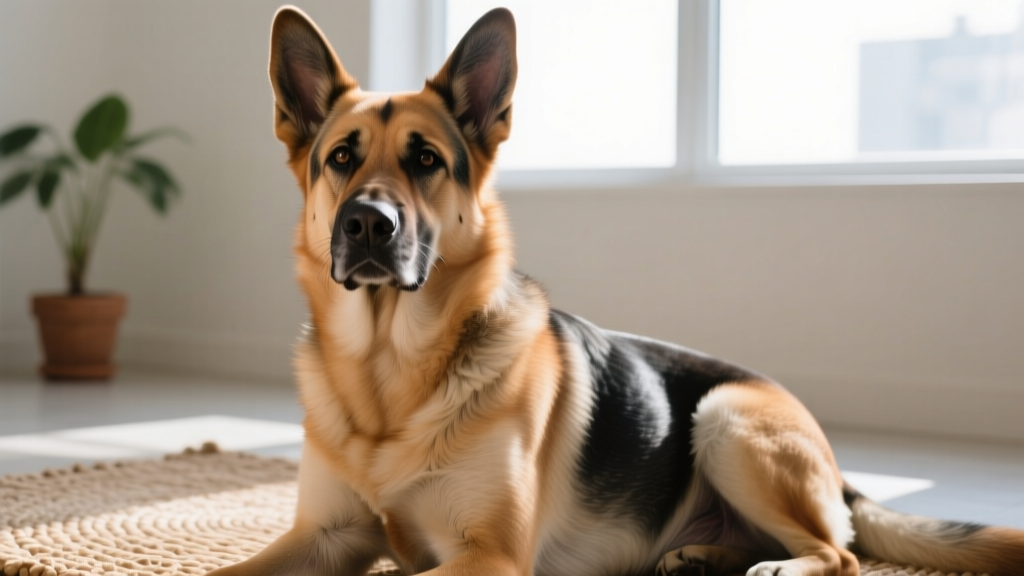
| German Shepherd Dog | ~12–18% | Deep, moderate |
| Doberman Pinscher | ~10–15% | Deep, moderate |
| Old English Sheepdog | ~10–14% | Moderate |
While these breeds carry the highest genetic predisposition, any dog can develop bloat, including mixed breeds and smaller dogs like Dachshunds and Basset Hounds, whose elongated body shape creates similar anatomical vulnerability.
Environmental and Behavioral Risk Factors
Beyond genetics, several modifiable risk factors contribute to GDV development:
- Meal frequency: Dogs fed one large daily meal have a 2× higher risk compared to dogs fed two or more smaller meals (Purdue University study).
- Eating speed: Rapid eaters who gulp air (aerophagia) alongside food face increased risk. Using a slow-feeder bowl can reduce speed by 30–50%.
- Elevated bowls: Contrary to older advice, a landmark study by Glickman et al. found that raised food bowls may actually increase GDV risk by approximately 20–52% in large and giant breeds.
- Food composition: Diets where a fat source or oil appears among the first four ingredients are associated with a 2.76× increased risk. Dry foods with larger kibble size (>30 mm) may also elevate risk.
- Water intake after meals: Drinking large volumes of water immediately after eating a dry meal causes rapid kibble expansion in the stomach.
How Is Bloat Diagnosed at the Vet?
When you arrive at the emergency clinic with a suspected bloat case, the veterinary team will move quickly. Diagnosis and stabilization happen simultaneously — there is no "wait and see" phase with GDV.
- Physical examination (5–10 min): The vet palpates the abdomen, assesses gum color, checks heart rate and rhythm, and evaluates mentation. A distended, tympanic (drum-like) abdomen with signs of shock is often enough for a presumptive GDV diagnosis.
- Lateral abdominal radiograph (X-ray) ($80–$200): The definitive diagnostic tool. A GDV-affected stomach shows a characteristic "double bubble" or "shelf" sign on X-ray, confirming the twist. Simple dilatation without volvulus shows a single large gas-filled stomach.
- Blood work — CBC and chemistry panel ($100–$250): Evaluates organ function, electrolyte imbalances, lactate levels (elevated lactate >6 mmol/L suggests gastric necrosis and carries a worse prognosis), and clotting parameters.
- ECG (electrocardiogram) ($50–$120): Cardiac arrhythmias, especially ventricular premature contractions (VPCs), are common in GDV patients and may require antiarrhythmic treatment.
- Blood pressure monitoring: Hypotension is common in shock; guides fluid therapy decisions.
Total diagnostic cost range: $280–$690, depending on your region and whether you're at a general practice or specialty emergency hospital.
Your veterinarian will determine which tests are necessary based on your dog's presentation. In critical cases, the team may proceed directly to surgery based on physical exam findings alone, running blood work concurrently.
Treatment Options: Medical, Surgical, and Supportive Care
GDV treatment follows a staged approach: stabilize first, then surgically correct, then manage post-operative complications.
Phase 1: Emergency Stabilization (Before Surgery)
- IV catheter placement and aggressive fluid therapy: Large-bore catheters in both front legs to deliver crystalloid fluids (typically 60–90 mL/kg in the first hour) to combat shock and restore blood pressure.
- Gastric decompression: The vet passes a stomach tube through the mouth to release trapped gas. If the twist prevents tube passage, trocarization (inserting a large needle directly through the abdominal wall into the stomach) releases pressure.
- Pain management: Opioid analgesics such as hydromorphone or fentanyl CRI (constant-rate infusion).
- Antiarrhythmic drugs: Lidocaine CRI if ventricular arrhythmias are present on ECG.
Phase 2: Surgical Intervention
| Procedure | Description | When Used | Cost Range |
|---|---|---|---|
| Gastric derotation + gastropexy | Surgeon untwists the stomach, assesses tissue viability, then tacks the stomach wall to the body wall (gastropexy) to prevent re-twisting | Standard treatment for confirmed volvulus | $2,500–$5,500 |
| Splenectomy (if needed) | Removal of the spleen if it has infarcted (lost blood supply) due to the twist | Required in ~25–35% of GDV surgeries | Adds $500–$1,200 |
| Gastric resection (partial) | Removal of necrotic (dead) stomach tissue and stapling/suturing remaining healthy tissue | Required in ~10–15% of cases with prolonged twist | Adds $800–$2,000 |
| Prophylactic gastropexy | Preventive tacking of the stomach to the body wall without an active GDV event — often done during spay/neuter in high-risk breeds | Elective prevention for at-risk breeds | $400–$1,200 |
Phase 3: Post-Operative Critical Care
After surgery, dogs typically remain hospitalized for 2 to 5 days in the intensive care unit. Post-operative care includes:
- Continuous ECG monitoring: Ventricular arrhythmias peak 12–36 hours post-surgery and can be fatal if untreated. Monitoring typically lasts 24–48 hours minimum.
- IV fluids and electrolyte management: Ongoing fluid support with potassium and other electrolyte supplementation as needed.
- Antiarrhythmic therapy: Lidocaine CRI for 24–72 hours if arrhythmias are present, followed by oral mexiletine in some cases.
- Antibiotics: Broad-spectrum IV antibiotics (e.g., ampicillin-sulbactam + enrofloxacin) if gastric wall compromise or peritonitis is suspected.
- Gastroprotectants: Pantoprazole or famotidine to reduce gastric acid production and protect healing stomach tissue.
- Nutritional support: Small, frequent bland meals starting 12–24 hours post-surgery if the dog is stable.
Prognosis and Survival Rates by Severity
Prognosis depends heavily on how quickly the dog receives treatment and the extent of tissue damage at the time of surgery. The following data is drawn from peer-reviewed studies in the Journal of Veterinary Emergency and Critical Care and the Journal of the American Animal Hospital Association.
| Clinical Stage | Key Indicators | Survival Rate | Notes |
|---|---|---|---|
| Dilatation only (no twist) | Stomach distended but not rotated; dog hemodynamically stable | ~90–95% | Best outcome; gastropexy still recommended to prevent future volvulus |
| Volvulus, early presentation | Twist present but tissue viable; lactate <6 mmol/L; no arrhythmias | ~80–90% | Most dogs that reach surgery within 2–3 hours of onset survive |
| Volvulus, moderate severity | Some gastric wall compromise; lactate 6–10 mmol/L; arrhythmias present | ~60–75% | Splenectomy may be required; 3–5 day hospitalization typical |
| Volvulus, severe / late presentation | Gastric necrosis requiring resection; lactate >10 mmol/L; DIC or peritonitis | ~30–50% | Gastric resection significantly worsens prognosis; some dogs do not survive surgery |
| Untreated GDV | No veterinary intervention | ~0% | Death typically occurs within 6–18 hours from shock, organ failure, and sepsis |
Important prognostic factor: Serum lactate level at presentation is one of the most reliable predictors. A study in the Journal of Veterinary Internal Medicine found that dogs with initial lactate levels below 6.0 mmol/L had a survival rate of approximately 89%, while those above 6.0 mmol/L had a survival rate closer to 43%.
For dogs that survive the initial episode and recover from surgery, long-term prognosis is generally good. Most return to normal activity within 2–4 weeks. The gastropexy procedure reduces the recurrence of volvulus from approximately 70–80% down to less than 5%. However, the stomach can still dilate (simple bloat without twist) in a small percentage of dogs even after gastropexy.
How Much Does Bloat Treatment Cost?
GDV treatment is one of the most expensive emergency veterinary scenarios. Understanding the cost breakdown helps owners prepare financially — and reinforces why pet insurance or an emergency savings fund is essential for large-breed owners.
| Cost Component | Low Estimate | High Estimate | Notes |
|---|---|---|---|
| Emergency exam & triage | $100 | $250 | After-hours emergency clinics charge more |
| Diagnostics (X-ray, blood work, ECG) | $280 | $690 | Varies by clinic and region |
| Stabilization (IV fluids, decompression, meds) | $500 | $1,500 | Depends on duration and complexity |
| Surgery (derotation + gastropexy) | $2,500 | $5,500 | Specialty/surgical centers charge more |
| Splenectomy (if needed) | $500 | $1,200 | Required in ~30% of cases |
| Gastric resection (if needed) | $800 | $2,000 | Worst-case tissue necrosis scenario |
| Hospitalization (2–5 days ICU) | $1,500 | $4,000 | Includes monitoring, IV meds, nursing care |
| Post-op medications (take-home) | $80 | $250 | Antibiotics, gastroprotectants, pain meds |
| Follow-up visits (2–3 appointments) | $150 | $400 | Suture removal, recheck labs |
| TOTAL (uncomplicated case) | $5,000 | $8,000 | Typical range for standard GDV surgery |
| TOTAL (complicated case) | $7,000 | $12,000+ | With splenectomy, resection, extended ICU stay |
Prophylactic gastropexy — performed electively during spay/neuter in at-risk breeds — costs $400–$1,200 and is a fraction of emergency treatment costs. Many veterinary surgeons recommend this for Great Danes, Weimaraners, Standard Poodles, and other high-risk breeds.
Financial planning tip: Pet insurance plans from providers like Trupanion, Healthy Paws, or Nationwide typically cover GDV surgery and hospitalization if the policy is in place before the event. Monthly premiums for large breeds range from $50–$120/month in 2026. Given that a single GDV episode can exceed $10,000, insurance is a strong consideration for owners of predisposed breeds.
Prevention Strategies: Reducing Your Dog's Bloat Risk
While no prevention strategy guarantees immunity, the following evidence-based measures significantly reduce risk:
Feeding Modifications
- Split meals: Feed 2–3 smaller meals per day rather than one large meal. This is the single most impactful dietary change.
- Slow-feeder bowls: Use puzzle feeders or slow-feed bowls (e.g., Outward Hound Fun Feeder, Kong Wobbler) to reduce eating speed and air gulping.
- Avoid elevated bowls: Place food and water bowls at floor level. The Glickman study found raised bowls increased GDV risk by approximately 20–52%.
- Check food ingredients: Avoid kibble where a fat source (e.g., chicken fat, lamb fat, oil blend) appears among the first four ingredients.
- Restrict water around meals: Don't allow large volumes of water immediately before or after meals. Offer small, frequent sips instead. Wait at least 30–60 minutes after eating before offering a full bowl.
Exercise and Lifestyle
- Rest period after meals: Avoid vigorous exercise, running, or rough play for at least 60 minutes (ideally 2 hours) after eating.
- Stress reduction: Minimize stressful situations around mealtimes. If your dog eats anxiously (e.g., in a multi-dog household), feed them in a separate, quiet area.
Prophylactic Gastropexy
For high-risk breeds, discuss prophylactic (preventive) gastropexy with your veterinarian. This surgical procedure tacks the stomach to the abdominal wall and is often performed at the time of spay or neuter. It does not prevent dilatation but prevents the life-threatening twist. Studies show it reduces volvulus recurrence to less than 5%.
Some veterinary surgeons now offer laparoscopic-assisted gastropexy, a minimally invasive option with shorter recovery time (3–5 days vs. 10–14 days for open surgery). Costs range from $800–$1,800 depending on the facility.
Go to your nearest emergency veterinary clinic right now if your dog shows any combination of these red-flag symptoms:
- Distended, swollen, or tight-feeling abdomen
- Repeated attempts to vomit with nothing coming out (unproductive retching)
- Excessive drooling with signs of distress
- Pale, white, or blue gums
- Restlessness and inability to get comfortable, especially after eating
- Sudden weakness, stumbling, or collapse
- Rapid breathing or labored breathing after a meal
Do NOT attempt home treatment. Do not wait until morning. Do not try to induce vomiting. GDV is always an emergency, and time is the single most important factor in survival. Call your vet or emergency clinic while en route so they can prepare for your arrival.
Home Care After Bloat Surgery: Recovery and Management
If your dog survives GDV surgery, the recovery period at home requires careful management for 2 to 4 weeks.
First 2 Weeks Post-Discharge
- Strict rest: Leash walks only for bathroom breaks. No running, jumping, or playing. Crate rest may be necessary for active dogs.
- Incision monitoring: Check the surgical incision twice daily for redness, swelling, discharge, or opening. An Elizabethan collar (cone) must be worn at all times to prevent licking.
- Feeding protocol: Small, frequent meals (4–6 per day) of a bland, easily digestible diet — such as boiled chicken breast and white rice, or a veterinary-prescribed gastrointestinal diet like Hill's i/d or Royal Canin GI Low Fat.
- Medications: Administer all prescribed antibiotics, pain medications, and gastroprotectants on schedule. Do not skip doses.
- Water: Offer small amounts frequently rather than allowing large-volume drinking.
Weeks 3–4 and Beyond
- Gradual return to normal diet: Transition back to regular food slowly over 5–7 days, mixing increasing proportions of regular food with the bland diet.
- Gradual return to exercise: Increase walk duration by 5–10 minutes every few days. Return to full activity by week 4 if the vet clears your dog at the follow-up appointment.
- Permanent lifestyle changes: Continue feeding multiple small meals, using slow-feeders, and enforcing post-meal rest. These habits should be lifelong for any GDV survivor.
Monitoring for Complications
Watch for these post-operative warning signs that require immediate veterinary contact:
- Fever above 103°F (39.4°C)
- Incision site redness, swelling, or discharge
- Vomiting or refusal to eat for more than 12 hours
- Lethargy that worsens rather than improves day by day
- Irregular heartbeat or episodes of weakness (arrhythmias can appear up to 72 hours post-surgery)
Frequently Asked Questions
Can a dog survive bloat without surgery?
In rare cases where only gastric dilatation (without volvulus/twist) is present, medical management with decompression and monitoring may be sufficient. However, once volvulus has occurred, surgery is the only treatment that can save the dog's life. Attempting home treatment for GDV is not viable — the mortality rate without veterinary intervention approaches 100%.
How quickly does bloat develop in dogs?
GDV can develop within 30 minutes to 3 hours after eating, though some cases occur without a clear meal-related trigger. The progression from early signs to cardiovascular collapse can happen in as little as 1 to 2 hours, which is why immediate veterinary attention is essential.
Does bloat only happen in large dogs?
No. While large and giant deep-chested breeds are at highest risk, bloat has been documented in dogs of all sizes, including Dachshunds, Corgis, and mixed-breed dogs. Any dog with a relatively deep chest cavity compared to its width has some anatomical predisposition.
Can bloat recur after treatment?
Without a gastropexy, the recurrence rate for GDV is estimated at 70–80%. With a properly performed gastropexy, the volvulus recurrence rate drops to less than 5%. However, simple gastric dilatation (bloating without twisting) can still occur occasionally. This is why permanent feeding and lifestyle modifications remain important.
What is the life expectancy of a dog that survives bloat?
Dogs that survive GDV surgery and recover without major complications generally have a normal life expectancy for their breed. The gastropexy provides long-term protection against recurrence. Some dogs may develop chronic gastrointestinal sensitivity or occasional simple bloat episodes, but these are manageable with dietary adjustments. Always consult your veterinarian about your dog's specific recovery and long-term care plan.
Should I get pet insurance specifically for bloat coverage?
If you own a breed predisposed to GDV, pet insurance is strongly recommended. Look for policies that cover hereditary and congenital conditions, emergency surgery, and hospitalization without breed-specific exclusions. Most comprehensive plans will cover GDV treatment. Enroll your dog while young and healthy — pre-existing condition exclusions mean that if your dog has already had a bloat episode, future episodes will not be covered.
This article is for informational purposes only and does not replace professional veterinary care. If you suspect your dog has bloat, contact your veterinarian or nearest emergency veterinary clinic immediately. Always consult your veterinarian for diagnosis, treatment decisions, and ongoing care guidance.
Robin Maitland
All our authors care for dogs every day — read more of their work on the authors page.