Can Dogs Have Gatorade? Safety, Risks & What Vets Recommend
Can dogs have Gatorade? We break down the sugar, sodium, and dye risks, when it might help, safe serving sizes by weight, and better hydration alternatives.
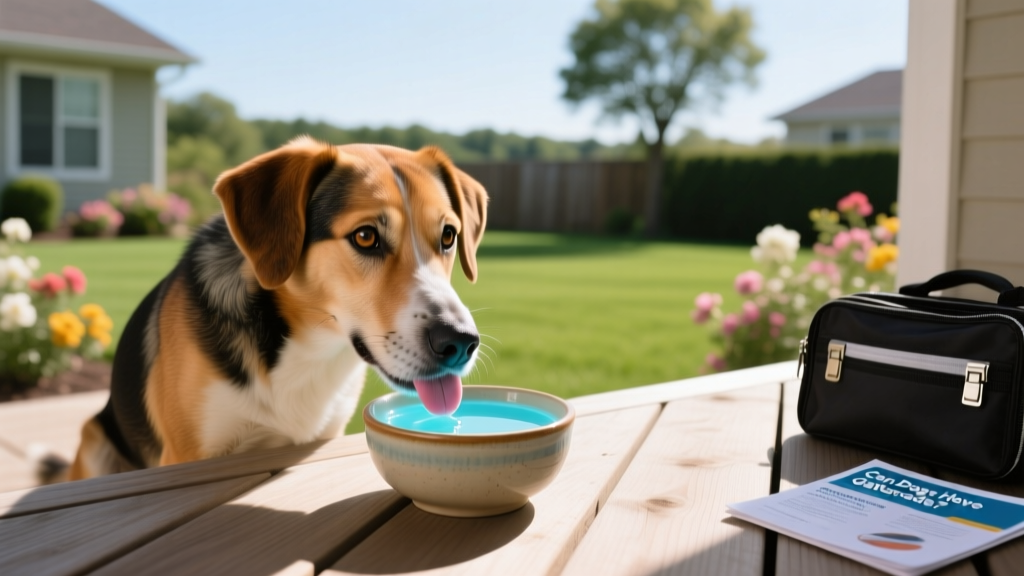
The Short Answer: Can Dogs Have Gatorade?
Dogs can physically drink Gatorade without immediate toxicity, but veterinarians generally advise against it. The high sugar content (34 g per 20 oz bottle), artificial dyes (Red 40, Blue 1), and sodium levels formulated for human sweat loss make it a poor hydration choice for dogs. In rare cases of mild dehydration or hypoglycemia, a veterinarian may suggest a small amount of unflavored or diluted Gatorade as a stopgap — but canine-specific electrolyte solutions or plain water are almost always the better option.
If you've noticed your dog panting heavily after a hike or seeming lethargic on a hot afternoon, reaching for the neon sports drink in your cooler might feel instinctive. After all, Gatorade replenishes electrolytes for human athletes. But canine physiology handles heat, hydration, and electrolyte balance very differently than ours. Dogs lose most of their heat through panting rather than sweating, so their electrolyte depletion patterns don't match what Gatorade was designed to address.
The ASPCA Animal Poison Control does not list Gatorade as toxic to dogs, but "not toxic" is very different from "recommended." Let's break down exactly what's in the bottle, what it does to your dog's body, and when — if ever — a small amount might be acceptable.
What's Actually in Gatorade? A Nutrition Breakdown for Dog Owners
Understanding why Gatorade is problematic for dogs starts with reading the label. Here's what a standard 20 oz (591 mL) bottle of Gatorade Thirst Quencher (Fruit Punch flavor) contains, compared to what a 50 lb dog actually needs daily:
| Nutrient | Gatorade (20 oz bottle) | Daily Need for 50 lb Dog | Concern Level |
|---|---|---|---|
| Calories | 140 kcal | ~800-1,000 kcal | Moderate (empty calories) |
| Sugar | 34 g (sucrose + dextrose) | 0 g required | High |
| Sodium | 270 mg | ~100-200 mg (dietary) | Moderate-High |
| Potassium | 75 mg | ~600-1,000 mg | Low (negligible benefit) |
| Artificial Dyes | Red 40, Blue 1 (varies by flavor) | None needed | Moderate (allergy/sensitivity risk) |
| Carbohydrates | 36 g | Variable | Moderate |
The core issue is clear: Gatorade delivers a massive sugar load with relatively modest electrolyte content. A dog would need to drink an impractical (and dangerous) volume to get meaningful potassium replenishment, and by that point, the sugar intake would be extreme. According to the Merck Veterinary Manual, excess sugar in canine diets contributes to obesity, insulin resistance, and dental disease — all conditions already prevalent in the pet population.
Safe Serving Sizes: If Your Vet Says a Small Amount Is Okay
To be direct: most dogs never need Gatorade. However, if your veterinarian has specifically recommended offering a small amount of diluted sports drink during recovery from mild gastrointestinal upset or heat exposure, here are the maximum serving guidelines:
| Dog Weight Class | Weight Range | Max Single Serving (Diluted 50/50 with Water) | Max Frequency |
|---|---|---|---|
| Small breeds | Under 20 lb / 9 kg | 1-2 tablespoons (15-30 mL) | Once, then reassess |
| Medium breeds | 20-50 lb / 9-23 kg | 2-4 tablespoons (30-60 mL) | Once, then reassess |
| Large breeds | 50-90 lb / 23-41 kg | ¼ cup (60 mL) | Once, then reassess |
| Giant breeds | Over 90 lb / 41+ kg | ⅓ cup (80 mL) | Once, then reassess |
These amounts assume the Gatorade is diluted 50/50 with plain water and that you're using an unflavored or lightly flavored variety without artificial sweeteners. Never give a dog Gatorade Zero or any variety containing xylitol (sometimes listed as "birch sugar") — xylitol is acutely toxic to dogs and can cause hypoglycemia and liver failure within 30 minutes of ingestion. Always check the ingredient label before offering any human beverage to your dog.
How to Prepare Gatorade for a Dog (If Directed by Your Vet)
- Read the label first. Confirm the product does NOT contain xylitol, sucralose blends marketed as "Zero Sugar," or any sugar alcohols. Standard Gatorade Thirst Quencher (full sugar) is the only variety that avoids xylitol risk, though it still carries sugar concerns.
- Choose the least dyed option. Glacier Cherry or Lemon-Lemon tend to have fewer dye compounds than bright red or blue varieties. If you can find an unflavored electrolyte solution made for dogs (like K9 Power or Bully Maxx), use that instead.
- Dilute 50/50 with fresh water. This cuts sugar concentration and sodium load in half while still providing a flavored liquid that may entice a reluctant drinker.
- Serve at room temperature. Ice-cold liquids can cause stomach cramping in dogs, especially small breeds. Aim for 68-72°F (20-22°C).
- Offer in a clean bowl, not the bottle. Let your dog lap it naturally. Do not syringe-feed unless specifically instructed by your veterinarian, as aspiration risk is real.
- Discard any leftover after 2 hours. Sugar solutions breed bacteria rapidly at room temperature.
What Happens if a Dog Drinks Too Much Gatorade?
The risks scale with volume and your dog's size. Here's what to expect at different exposure levels:
Mild Overconsumption (a few licks from a spilled cup)
Most dogs will experience no ill effects from a few laps off the patio floor. You might notice slightly loose stool within 12-24 hours due to the sugar drawing water into the intestines (osmotic diarrhea). Offer plenty of fresh water and monitor.
Moderate Overconsumption (half a bottle for a medium dog)
- Vomiting — the concentrated sugar solution irritates the stomach lining
- Diarrhea — often within 2-6 hours, may be watery
- Hyperactivity followed by lethargy — blood sugar spike and crash
- Increased thirst and urination — the body attempting to flush excess sodium and glucose
Severe Overconsumption (full bottle for a small dog, or xylitol-containing variety)
This is an emergency. Signs include:
- Profuse vomiting or diarrhea, potentially with blood
- Tremors, stumbling, or collapse (especially with xylitol)
- Rapid or labored breathing
- Seizures (xylitol-induced hypoglycemia)
- Your dog consumed ANY product containing xylitol — even a small amount
- Vomiting or diarrhea persists beyond 12 hours
- Your dog shows signs of lethargy, weakness, or disorientation
- Your dog is a puppy, senior, or has pre-existing diabetes or kidney disease
- You notice tremors, seizures, or collapse
ASPCA Animal Poison Control: (888) 426-4435 (24/7, consultation fee applies)
Pet Poison Helpline: (855) 764-7661
When Gatorade Might Actually Be Suggested (and Better Alternatives)
There are narrow scenarios where a veterinarian might mention sports drinks as a temporary measure. Understanding these — and the superior alternatives — helps you make informed decisions.
Scenario: Mild Dehydration After Exercise
Your dog panted heavily on a summer hike but is still alert and willing to drink. Better alternative: Offer cool (not cold) fresh water in small, frequent amounts — about ½ cup every 15-20 minutes. Canine electrolyte products like K9 Power Go Dog ($25-35 for a 16 oz container) or Bully Maxx Hydration are formulated with appropriate sodium-to-potassium ratios for dogs and contain no artificial dyes.
Scenario: Parvovirus Recovery or Severe GI Illness
Dogs recovering from parvovirus or hemorrhagic gastroenteritis lose fluids and electrolytes rapidly. In these cases, your veterinarian will typically administer subcutaneous or IV fluids (Lactated Ringer's Solution or similar) at the clinic. Take-home recommendations usually include veterinary oral rehydration solutions like Unflavored Pedialyte (which has lower sugar and no dyes compared to Gatorade) at a dose your vet will specify based on your dog's weight and condition. Gatorade is not an appropriate substitute in these situations.
Scenario: Reluctant Drinker (Picky Dog or Post-Surgery)
Some dogs simply refuse plain water after surgery or during illness. Rather than Gatorade, try:
- Low-sodium chicken or bone broth (no onion or garlic) — warmed slightly to enhance aroma
- Ice cubes made from diluted broth
- A pet water fountain — many dogs prefer moving water ($20-45 for models like the Catit Flower Fountain or Petsafe Drinkwell)
- Adding 1-2 tablespoons of water to their wet food
Dogs Who Should Never Have Gatorade
Even in small, diluted amounts, Gatorade poses elevated risks for certain dogs. Skip it entirely if your dog falls into any of these categories:
- Diabetic dogs — the 34 g sugar load per bottle can cause dangerous blood glucose spikes, complicating insulin management
- Dogs with kidney disease — excess sodium stresses already-compromised kidneys, and the AKC notes that sodium restriction is often part of renal dietary management
- Dogs with heart conditions — particularly congestive heart failure, where sodium retention worsens fluid buildup
- Overweight or obese dogs — empty calories from sugar compound weight issues; a single 20 oz bottle contains 140 kcal, roughly 14-18% of a 50 lb dog's daily caloric need
- Puppies under 6 months — their developing digestive systems are more sensitive to sugar and sodium fluctuations
- Dogs with known dye sensitivities — artificial colors like Red 40 and Blue 1 have been associated with hypersensitivity reactions in some dogs, including itching, ear infections, and GI upset
- Senior dogs (8+ years) — age-related decline in kidney and liver function makes processing excess sugar and sodium harder
Frequently Asked Questions
Can dogs drink Gatorade safely at all?
Technically yes, in very small diluted amounts for a healthy adult dog — but it offers no benefit that plain water or canine-specific electrolyte solutions don't provide more safely. Most veterinarians recommend against it entirely.
Is Gatorade good for dogs nutritionally?
No. Gatorade contains no vitamins, negligible beneficial minerals relative to canine needs, and delivers its electrolytes alongside 34 g of sugar and artificial dyes. There is no nutritional upside for dogs.
Can I give my dog Gatorade for dehydration?
It's not the right tool. Dogs dehydrate differently than humans — they lose water primarily through panting, not sodium-heavy sweat. Plain water, veterinary oral rehydration solutions, or canine-formulated electrolyte powders are far more effective and safer.
What about Gatorade Zero or G2 (low sugar)?
These are potentially more dangerous. Some "zero sugar" or reduced-sugar Gatorade varieties contain artificial sweeteners. While aspartame and sucralose are not acutely toxic to dogs, you must confirm the product does not contain xylitol (birch sugar), which is lethal even in small amounts. Always read every ingredient.
My dog drank a whole bottle of Gatorade — what do I do?
For a large dog (70+ lb), monitor for vomiting, diarrhea, and lethargy over the next 12-24 hours. Ensure access to fresh water. For a small dog (under 25 lb), or if the product contained xylitol, contact your veterinarian or the ASPCA Animal Poison Control at (888) 426-4435 immediately.
Are there human drinks that ARE safe for dogs?
Plain water is always best. In small amounts, unflavored Pedialyte (original, not flavored varieties with added sugar), low-sodium broth (no onion/garlic), or coconut water (unsweetened, in tiny amounts — it's high in potassium) can be occasional options. Consult your veterinarian before introducing any non-water beverage regularly.
Can dogs have Pedialyte instead of Gatorade?
Unflavored Pedialyte is generally a better choice than Gatorade for dogs needing electrolyte support — it has less sugar (about 6 g per 8 oz vs. Gatorade's roughly 14 g per 8 oz), no artificial dyes in the unflavored version, and a more balanced electrolyte profile. However, it should still only be used under veterinary guidance, particularly for dogs with kidney or heart conditions.
Disclaimer: This article is for informational purposes only and does not replace professional veterinary advice. Always consult your veterinarian before introducing new foods or beverages to your dog's diet, especially if your dog has existing health conditions or is on medication.
Tom Renshaw
All our authors care for dogs every day — read more of their work on the authors page.


