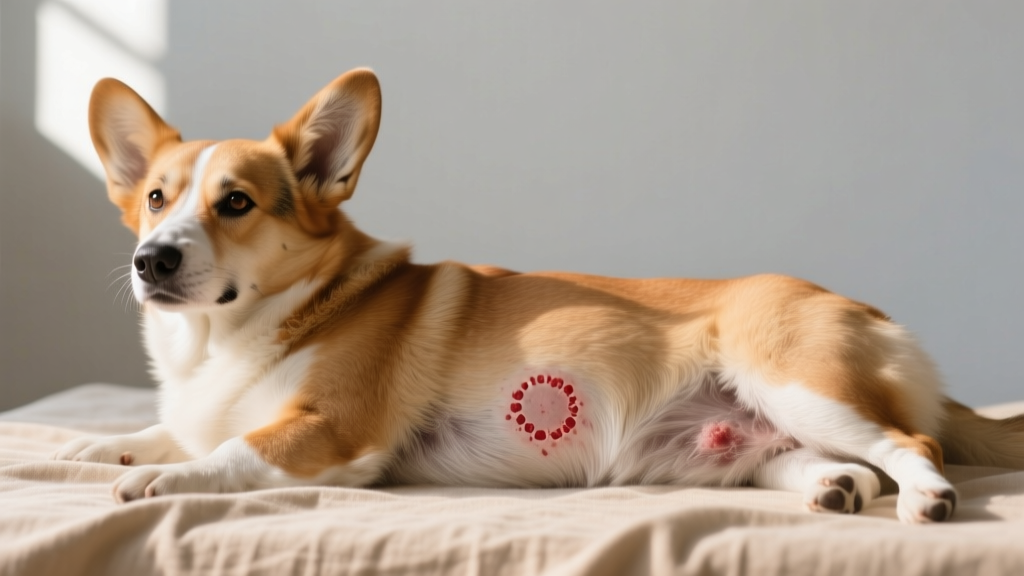
Ear Mites in Dogs Treatment: Complete Guide to Eliminating Otodectes
Comprehensive ear mites in dogs treatment guide covering identification, prescription and OTC options, prevention products, and environmental control strategies.

What Are Ear Mites and How Do You Spot Them?
Ear mites (Otodectes cynotis) are microscopic arachnid parasites that colonize the external ear canal of dogs, feeding on ear wax, skin debris, and tissue fluids. While individually invisible to the naked eye at roughly 0.3–0.5 mm in length, a heavy infestation creates unmistakable signs that any attentive owner can recognize.
Parasite Identification: Otodectes cynotis
| Attribute | Details |
|---|---|
| Size | 0.3–0.5 mm (barely visible as tiny white specks) |
| Color | White to pale cream against dark ear debris |
| Legs | 4 pairs in adults (arachnid classification) |
| Location on dog | Primarily external ear canal; can migrate to head, neck, and tail base |
| Ear debris appearance | Dark brown to black, crumbly, resembling coffee grounds |
| Odor | Strong, yeasty or musty smell from secondary infection |
To visualize live mites, gently collect a sample of ear debris on a cotton swab, place it on dark paper, and warm it under a lamp. Within minutes, you may see tiny white dots moving across the surface. However, definitive diagnosis requires microscopic examination by your veterinarian, who will look for adult mites, nymphs, and eggs to confirm Otodectes rather than other ear conditions like yeast infections or bacterial otitis.
The Ear Mite Life Cycle: Why Treatment Takes 3–4 Weeks
Understanding the ear mite life cycle explains why a single treatment never fully resolves an infestation and why your veterinarian will recommend a multi-week protocol.
Otodectes cynotis Life Cycle Stages
- Egg Stage (4 days): Female mites cement eggs to ear canal skin and hair shafts. Each female lays approximately 1–3 eggs daily over her 2-month lifespan.
- Larval Stage (3–10 days): Six-legged larvae hatch and begin feeding on ear debris. They remain in the ear canal throughout this phase.
- Protonymph Stage (3–10 days): Larvae molt into eight-legged protonymphs. Some protonymphs develop into adult females; others become deutonymphs.
- Deutonymph Stage (3–10 days): This stage attaches to adult males via copulatory appendages. After mating, the deutonymph molts into a mature female.
- Adult Stage (up to 2 months): Mature males and females reproduce, continuing the cycle. The complete egg-to-adult timeline spans 18–28 days under optimal conditions (warm, humid ear canal environment).
The entire cycle from egg to reproducing adult takes approximately 3 weeks, which is why treatment protocols must span at least one full life cycle. Any eggs present at the start of treatment will hatch after initial medication wears off, requiring continued therapy or a second treatment round. According to the Merck Veterinary Manual, ear mites can survive off the host for up to 12 days in favorable conditions, making environmental treatment essential.
How Do Dogs Get Ear Mites?
Ear mites are highly contagious between animals through direct contact. They do not jump or fly — transmission requires physical proximity. The most common routes include:
- Dog-to-dog contact: Play, grooming, sleeping together, or nose-to-ear sniffing transfers mites between dogs in the same household or at dog parks and daycare facilities.
- Cat-to-dog transmission: Cats are the primary reservoir host for Otodectes cynotis. Even asymptomatic cats can carry mite populations that spread to dogs. If you have a multi-pet household, all animals need simultaneous treatment.
- Contaminated environments: Mites can survive on bedding, grooming tools, and soft furnishings for up to 12 days. Shared crates, kennels, and grooming stations serve as fomites (contaminated surfaces).
- Foster/rescue intake: Puppies and dogs from shelters or high-density environments have elevated exposure risk. It's common to discover ear mites within the first 1–2 weeks after bringing home a new pet.
Contrary to popular belief, ear mites are not typically acquired from outdoor environments like grass or soil. They are an obligate parasite that requires a host to survive long-term. Your dog almost certainly contracted them from another infected animal.
Symptoms by Severity: Mild Irritation to Secondary Infections
Ear Mite Symptoms Organized by Infestation Severity
| Severity | Symptoms | What's Happening |
|---|---|---|
| Mild (early infestation) | Occasional ear scratching, slight head shaking, small amount of dark debris | Small mite population establishing in ear canal; minimal inflammation |
| Moderate (established infestation) | Frequent scratching, head tilting, visible dark crumbly discharge, ear redness, odor | Growing mite population triggering immune response; secondary yeast overgrowth common |
| Severe (heavy burden) | Constant scratching causing self-trauma, aural hematoma (blood blister on ear flap), thick crusty debris blocking canal, pain when ears touched, head tilt, balance issues | Secondary bacterial/yeast infection, ruptured eardrum possible, skin lesions on head and neck from mite migration |
Aural hematoma is a particularly common complication. The vigorous head shaking and scratching rupture blood vessels in the ear flap (pinna), creating a swollen, fluid-filled pocket that requires surgical drainage. Treatment of the hematoma alone can cost $300–$800, making early ear mite treatment far more economical.
Ear Mites in Dogs Treatment: Prescription and OTC Options
Effective ear mites in dogs treatment requires medication that kills both adult mites and newly hatched larvae. No single product kills mite eggs, so treatment duration must cover the full life cycle.
Step-by-Step Treatment Protocol
- Veterinary diagnosis: Your vet performs an otoscopic exam and ear cytology (microscopic debris evaluation). Cost: $50–$85 for the exam plus $25–$45 for cytology. This rules out bacterial or yeast infections that require different medications.
- Ear cleaning: Use a veterinarian-recommended ear cleanser to flush debris before applying medication. Mites hide under wax layers, and medication cannot penetrate thick buildup. Products like Epi-Otic Advanced or Vet Basics Ear Cleanser ($12–$18 per bottle) work well.
- Apply acaricidal medication: Follow your vet's prescribed treatment schedule precisely. Missing doses allows surviving mites to repopulate.
- Treat all household pets simultaneously: Every dog, cat, and ferret in the home needs treatment regardless of symptoms, or they will re-infect each other.
- Environmental decontamination: Wash all bedding in hot water (minimum 130°F / 54°C), vacuum thoroughly, and treat the home with a pet-safe insecticide spray if infestation is severe.
- Follow-up exam: Return to your vet 3–4 weeks after starting treatment for recheck cytology to confirm eradication. Cost: $45–$65.
Prescription Treatment Options
| Product | Active Ingredient | Application | Duration | Efficacy | Approx. Cost |
|---|---|---|---|---|---|
| Revolution Plus (selamectin + sarolaner) | Selamectin | Topical (spot-on, back of neck) | Monthly preventive; 1–2 doses treat active infestation | 94–100% after 2 monthly doses | $25–$40/dose |
| Bravecto Plus (fluralaner + moxidectin) | Moxidectin | Topical (spot-on) | Single dose covers 8–12 weeks | 98–100% single application | $45–$65/dose |
| Ivermectin injection (off-label) | Ivermectin | Subcutaneous injection by vet | 2–3 injections at 2-week intervals | 90–95% with full protocol | $15–$30/injection |
| Tresaderm (neomycin + thiabendazole + dexamethasone) | Thiabendazole | Ear drops, twice daily | 7–14 days | 85–90% when used correctly | $18–$30/bottle |
| Simparica Trio (sarolaner + moxidectin + pyrantel) | Moxidectin + Sarolaner | Oral chewable, monthly | Monthly; 1–2 doses for treatment | 95–100% after 2 doses | $30–$50/dose |
OTC and Over-the-Counter Options
Several OTC ear mite treatments are available at pet stores and online, typically containing pyrethrins or pyrethrum (natural insecticides derived from chrysanthemums). Common OTC products include Hartz Ear Mite Treatment, PetArmor Ear Mite Treatment, and Sentry Ear Mite Relief ($8–$15 per bottle).
However, OTC products have significant limitations compared to prescription options:
- Lower efficacy: Pyrethrin-based products typically achieve 70–85% kill rates versus 95–100% for prescription parasiticides. Many dogs require multiple treatment rounds.
- Shorter residual activity: Most OTC ear drops must be applied daily for 7–14 days, and they lack the sustained-release properties of modern spot-on treatments.
- No secondary infection treatment: OTC products kill mites but do not address the bacterial or yeast overgrowth that accompanies most moderate-to-severe infestations. Your vet's prescription may combine an acaricide with an antibiotic and anti-inflammatory.
- Toxicity risk: Pyrethrins can cause neurological reactions in some dogs, particularly small breeds and puppies under 12 weeks. Never use dog pyrethrin products on cats — permethrin is fatal to cats.
When to See the Vet Immediately: If your dog shows a head tilt, loss of balance, excessive pain when ears are touched, bleeding from the ear canal, or a swollen ear flap (possible aural hematoma), seek veterinary care within 24 hours. These signs suggest complications beyond simple mite infestation.
Prevention Products Compared: Keeping Ear Mites Away
Modern parasite prevention products that protect against ear mites typically also cover fleas, ticks, heartworm, and intestinal parasites. Here is how the leading options compare for ear mite coverage specifically:
| Product | Type | Active Ingredient(s) for Mites | Dosing Interval | Coverage Beyond Mites | Price Range (per dose) |
|---|---|---|---|---|---|
| Revolution Plus | Topical spot-on | Selamectin + Sarolaner | Monthly | Fleas, ticks, heartworm, roundworms, hookworms, ear mites | $25–$40 |
| Bravecto Plus | Topical spot-on | Fluralaner + Moxidectin | Every 8–12 weeks | Fleas, ticks, heartworm, ear mites, roundworms, hookworms | $45–$65 |
| Simparica Trio | Oral chewable | Sarolaner + Moxidectin + Pyrantel | Monthly | Fleas, ticks, heartworm, roundworms, hookworms, ear mites | $30–$50 |
| NexGard Plus | Oral chewable | Afoxolaner + Moxidectin + Pyrantel | Monthly | Fleas, ticks, heartworm, roundworms, hookworms, ear mites | $28–$45 |
| Advantage Multi | Topical spot-on | Imidacloprid + Moxidectin | Monthly | Fleas, heartworm, roundworms, hookworms, whipworms, ear mites | $20–$35 |
Key selection criteria: If your dog resists oral medications, a topical spot-on like Revolution Plus or Bravecto Plus offers stress-free application. For dogs with sensitive skin at the application site, oral chewables like Simparica Trio avoid topical irritation. Bravecto Plus offers the longest interval between doses (up to 12 weeks), which benefits owners who struggle with monthly compliance. All of these products require a veterinary prescription — discuss your dog's health history, breed-specific sensitivities (e.g., MDR1 gene mutation in herding breeds affects ivermectin/moxidectin tolerance), and lifestyle with your veterinarian before choosing.
Environmental Control: Breaking the Reinfection Cycle
Treating your dog without addressing the environment is like mopping the floor while the faucet is still running. Otodectes cynotis can survive off-host for up to 12 days, meaning mites shed onto bedding and furniture can reinfest your dog after treatment.
Home Treatment Protocol
- Bedding: Wash all dog beds, blankets, and crate pads in hot water (minimum 130°F / 54°C) and dry on high heat for at least 20 minutes. Repeat weekly during treatment.
- Soft furnishings: Vacuum carpets, rugs, upholstered furniture, and car interiors thoroughly. Dispose of the vacuum bag or empty the canister outside immediately.
- Hard surfaces: Wipe down crate interiors, kennel surfaces, and grooming tables with a diluted bleach solution (1 part bleach to 32 parts water) or a veterinary-grade disinfectant.
- Grooming tools: Soak brushes, combs, and ear cleaning supplies in isopropyl alcohol for 15 minutes or replace them entirely.
- Insecticide sprays: For severe household infestations, apply a pet-safe pyrethrin-based environmental spray (e.g., Virbac Knockout E.S. Area Treatment, $18–$25) to carpets and upholstery. Keep pets away during application and until surfaces are fully dry (typically 1–2 hours).
Yard treatment is generally unnecessary for ear mites since they cannot survive prolonged exposure to sunlight and temperature fluctuations outdoors. Focus your environmental efforts indoors where your dog spends the most time.
Seasonal Risk and Zoonotic Potential
Ear Mite Risk Calendar by Region
| Region | Peak Risk Period | Notes |
|---|---|---|
| Southern US (FL, TX, Gulf Coast) | Year-round | Warm, humid climate supports continuous mite activity; indoor pets at constant risk |
| Southeast / Mid-Atlantic | March–November | Risk drops in winter but indoor heating keeps environments favorable |
| Midwest / Northeast | April–October | Lower winter risk, but multi-pet households and kennels maintain transmission year-round |
| Pacific Northwest | Year-round (moderate) | Mild winters and indoor living maintain steady risk levels |
| Mountain West / High Desert | May–September | Dry conditions reduce off-host survival; risk primarily from direct animal contact |
Unlike fleas and ticks, ear mites are less influenced by outdoor seasonal changes because they live within the warm, humid environment of the ear canal and spread primarily through direct contact rather than environmental exposure. The greatest risk factor is not the season — it's exposure to other infected animals. Puppies, shelter dogs, and dogs in boarding or daycare facilities face elevated risk regardless of time of year.
Can Humans Get Ear Mites from Dogs?
Otodectes cynotis is considered to have very low zoonotic potential. Human infestation is exceptionally rare and, when reported, typically involves transient mites on the skin of arms or torso from close contact with heavily infested animals. Mites cannot complete their life cycle on humans and die within days without a canine or feline host.
However, other household pets are at significant risk. Cats, ferrets, and foxes are susceptible hosts. If your dog is diagnosed with ear mites, all companion animals in the household must be treated simultaneously, even if they show no symptoms. Cats in particular may carry low-level infestations asymptomatically and serve as a reinfection source.
Frequently Asked Questions
How do I know if my dog has ear mites?
The hallmark sign is dark brown to black crumbly debris in the ear canal resembling coffee grounds, accompanied by intense scratching and head shaking. However, these same symptoms can indicate yeast infections, bacterial otitis, or foreign bodies. Only a veterinary ear cytology exam can definitively confirm ear mites. Never begin treatment based on symptoms alone — you may be treating the wrong condition and delaying proper care.
What are the best prevention products for ear mites?
The most effective preventives are prescription parasiticide products containing selamectin, moxidectin, or sarolaner — such as Revolution Plus, Simparica Trio, or Bravecto Plus. These provide broad-spectrum protection against ear mites plus fleas, ticks, and heartworm. Monthly application maintains continuous protection. Consult your veterinarian to select the best product for your dog's weight, breed, and health status.
How long does ear mites in dogs treatment take to work?
Most prescription treatments begin killing adult mites within 24–48 hours, and you should notice reduced scratching within 3–5 days. However, complete eradication requires 3–4 weeks to cover the full life cycle. Eggs present at treatment initiation will hatch and must be killed by residual medication or a follow-up dose. Do not stop treatment early just because symptoms improve.
Can ear mites spread to humans or other pets?
Human transmission is extremely rare and self-limiting. However, ear mites spread readily between dogs, cats, and ferrets through direct contact. Every pet in the household must receive treatment simultaneously to prevent a ping-pong reinfection cycle. Isolate the affected dog from other animals during the first 48 hours of treatment if possible.
How often should I treat my dog for ear mites?
For active infestations, follow your veterinarian's prescribed protocol — typically 1–2 doses of a prescription parasiticide spaced 2–4 weeks apart. For ongoing prevention, monthly application of a broad-spectrum preventive (Revolution Plus, Simparica Trio, etc.) provides continuous protection. Dogs in high-exposure environments (boarding, daycare, multi-pet households with outdoor cats) benefit from year-round preventive use.
Are home remedies like olive oil or vinegar effective?
Olive oil, mineral oil, and apple cider vinegar may temporarily soothe irritated ears and suffocate some adult mites, but they do not kill eggs or larvae and cannot resolve an established infestation. Introducing unformulated substances into the ear canal can also worsen inflammation or push debris deeper. According to the Veterinary Information Network, proven acaricidal medications are vastly more effective and safer than home remedies. Always consult your veterinarian before placing any substance in your dog's ears.
Disclaimer: This article is for educational purposes and does not replace professional veterinary advice. Always consult your veterinarian for diagnosis and treatment of ear mite infestations. If you suspect your dog has ingested a toxic substance, contact the ASPCA Animal Poison Control Center at (888) 426-4435 (24/7, consultation fee applies).
Jonas Cole
All our authors care for dogs every day — read more of their work on the authors page.