Ringworm on Dogs Belly: Identification, Treatment & Prevention Guide
Spotting ringworm on dogs belly? Learn how to identify, treat, and prevent this fungal infection with vet-backed protocols and product comparisons.
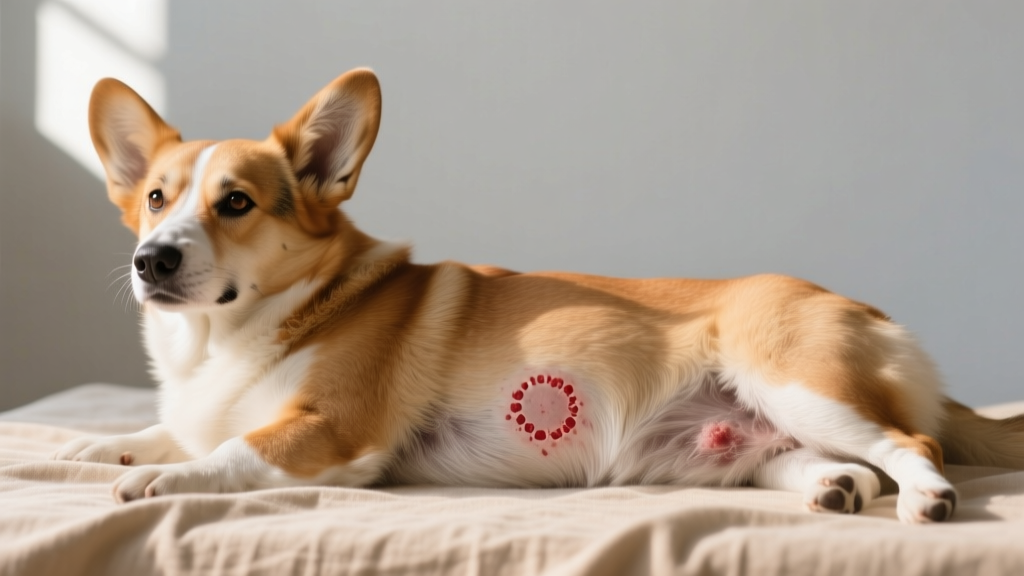
If you've noticed circular, hairless patches on your dog's underside, you may be dealing with ringworm — and the belly is one of the most common sites for this fungal infection to appear. The thin skin and sparse hair on a dog's belly make it especially vulnerable to dermatophytes, the fungi responsible for ringworm. While the name suggests a worm, ringworm is actually a highly contagious fungal skin infection that demands prompt attention to prevent spread to other pets and even humans.
This guide covers everything you need to know about ringworm on dogs belly — from visual identification and life cycle science to treatment protocols and environmental decontamination. We'll compare prescription and over-the-counter options with real efficacy data so you can make an informed decision with your veterinarian.
How to Identify Ringworm on Your Dog's Belly
Ringworm doesn't look the same on every dog, but the belly offers distinct visual clues because the skin is relatively hairless and easy to inspect. Dermatophytes — primarily Microsporum canis (responsible for roughly 70% of canine ringworm cases), Microsporum gypseum, and Trichophyton mentagrophytes — invade the hair shafts and superficial skin layers.
Visual Identification Guide: Ringworm on Dog Belly
| Feature | Description |
|---|---|
| Lesion Shape | Circular or oval patches, typically 0.5–3 inches (1–7 cm) in diameter |
| Color | Reddened (erythematous) center with a darker, raised, scaly border ring |
| Hair Loss Pattern | Alopecia (hair loss) in distinct round patches; broken hairs at lesion edges |
| Skin Texture | Crusty, scaly, or flaky surface; may appear grayish or ash-colored |
| Location on Belly | Most common on the lower abdomen, inner thighs, and groin area |
| Itch Level | Variable — mild to moderate pruritus (itching); some dogs show no scratching |
| Number of Lesions | Early: 1–3 isolated spots. Advanced: multiple coalescing patches |
Mild vs. Severe Ringworm: Symptom Severity Scale
Understanding severity helps you decide how urgently to seek veterinary care and what treatment intensity to expect.
| Severity | Symptoms | Typical Presentation |
|---|---|---|
| Mild (Focal) | 1–3 small circular lesions, minimal scaling, little to no itching | Often discovered during grooming; dog otherwise acting normal |
| Moderate (Multifocal) | 4–10 lesions across belly and possibly spreading to legs, face, or back; noticeable scaling and broken hairs | Dog may scratch or lick affected areas; lesions may begin merging |
| Severe (Generalized) | Widespread patches covering large body areas; intense inflammation, crusting, secondary bacterial infection (pus, odor); significant hair loss | Dog appears uncomfortable, may have lethargy; often indicates immune compromise or delayed treatment |
According to the Merck Veterinary Manual, generalized ringworm often signals an underlying immunosuppressive condition, making veterinary evaluation critical.
How Dogs Get Ringworm: Transmission Routes
Ringworm spreads through three primary pathways, and understanding these is essential for both treatment and preventing reinfection in your household.
Direct Contact Transmission
The most common route. Your dog picks up fungal spores through skin-to-skin contact with an infected animal — another dog, a cat (cats are notorious asymptomatic carriers of M. canis), or even a rabbit or guinea pig. Grooming sessions, shared sleeping areas, and play wrestling are high-risk activities.
Environmental (Fomite) Transmission
Dermatophyte spores are remarkably hardy. They can survive on bedding, grooming tools, carpet fibers, furniture, and even HVAC vents for 12–18 months under favorable conditions. Your dog doesn't need to touch an infected animal — simply lying on contaminated carpet or a previously used dog bed can trigger infection. The belly is particularly exposed because it contacts the ground and flooring directly during rest.
Soil Contact
Microsporum gypseum is a geophilic (soil-loving) dermatophyte. Dogs who dig, roll in dirt, or lie on bare ground — especially in warm, humid climates — can contract ringworm from contaminated soil. This variant often appears on the belly, muzzle, and paws.
- Puppies under 12 months (immature immune systems)
- Senior dogs or those on immunosuppressive medications
- Dogs in shelters, boarding facilities, or multi-pet households
- Brachycephalic breeds and breeds with skin folds (bulldogs, pugs) where moisture traps against the belly
- Warm, humid environments (spores thrive at 75–85°F / 24–29°C with high humidity)
The Ringworm Life Cycle: How It Spreads and Reproduces
Dermatophyte Life Cycle (Simplified)
- Spore Attachment (Day 0): Fungal spores (arthroconidia) land on your dog's skin — typically the belly after contact with contaminated surfaces or soil.
- Germination (Days 1–3): Under warm, humid conditions, spores germinate and begin growing hyphae (fungal threads) that penetrate the outer skin layer (stratum corneum).
- Hair Shaft Invasion (Days 3–7): Hyphae invade hair follicles and grow down into the hair shaft, digesting keratin — the structural protein in hair and skin.
- Lesion Formation (Days 7–14): The immune response causes inflammation, creating the characteristic circular lesion. Hair breaks off at the skin surface, creating the bald patch.
- Spore Shedding (Day 14 onward): The infected dog now sheds millions of spores into the environment through loose hair and skin flakes. A single infected hair can contain thousands of spores.
- Environmental Contamination (Ongoing): Shed spores persist on surfaces for up to 18 months, creating a reinfection reservoir.
Incubation period: Typically 7–14 days from exposure to visible lesions, though some dogs may not show symptoms for up to 4 weeks.
This life cycle explains why treating the dog alone isn't enough — you must simultaneously decontaminate the environment to break the spore-shedding cycle.
Health Risks and Zoonotic Potential
Can Ringworm Spread to Humans?
Yes. Ringworm is a zoonotic disease — meaning it transmits from animals to humans. Microsporum canis readily infects people, particularly:
- Children under 10 (developing immune systems)
- Elderly individuals
- Anyone immunocompromised (chemotherapy, HIV, organ transplant recipients)
- People with skin abrasions or eczema
In humans, ringworm appears as itchy, red, ring-shaped rashes — often on the arms, chest, or abdomen where you hold or cuddle your dog. If you develop lesions while treating your dog, see a physician for topical or oral antifungal therapy.
Can Ringworm Spread to Other Pets?
Absolutely. Cats, other dogs, rabbits, and guinea pigs are all susceptible. In multi-pet households, all animals should be examined by a veterinarian, even if they show no visible lesions. Cats in particular can be asymptomatic carriers — harboring and spreading M. canis without any visible symptoms.
Secondary Complications in Dogs
While ringworm itself isn't life-threatening, untreated cases can lead to:
- Secondary bacterial pyoderma: Broken skin invites Staphylococcus infection, requiring antibiotic treatment
- Widespread alopecia: Extensive hair loss that takes months to regrow
- Chronic skin thickening: Long-standing infections cause lichenification (leathery, hyperpigmented skin)
- Emotional stress and discomfort: Persistent itching affects quality of life
Diagnosis: How Your Vet Confirms Ringworm
Before starting treatment, proper diagnosis is essential because several conditions mimic ringworm on a dog's belly — including demodectic mange, bacterial folliculitis, allergic dermatitis, and superficial pyoderma.
| Diagnostic Test | Method | Accuracy | Typical Cost | Turnaround |
|---|---|---|---|---|
| Wood's Lamp Exam | UV light causes M. canis to fluoresce apple-green | ~50% sensitivity (many strains don't fluoresce) | $25–$50 | Immediate (in-clinic) |
| Direct Microscopy | Hair pluck examined under microscope for spores/hyphae | ~60% sensitivity | $30–$60 | Immediate (in-clinic) |
| Fungal Culture (DTM) | Hair/skin sample grown on dermatophyte test medium | Gold standard — ~95% accuracy | $50–$120 | 10–21 days |
| PCR Testing | DNA-based identification of dermatophyte species | ~90–95% sensitivity and specificity | $80–$150 | 1–3 days |
The American Veterinary Medical Association (AVMA) recommends fungal culture as the definitive diagnostic method, though PCR is gaining adoption for faster turnaround.
Treatment Protocol: OTC vs. Prescription Options
Step-by-Step Ringworm Treatment Protocol
Step 1: Topical Antifungal Therapy (First-Line for Mild Cases)
For focal belly lesions (1–3 spots), topical treatment may be sufficient:
- Miconazole + Chlorhexidine shampoo: Bathe 2–3 times per week. Leave lather on for 10 minutes before rinsing. Cost: $15–$30 per bottle.
- Clotrimazole 1% cream (OTC): Apply to individual lesions twice daily. Useful for small, isolated belly patches. Cost: $5–$12 per tube.
- Terbinafine 1% cream (OTC): Alternative to clotrimazole with slightly better keratin penetration. Apply twice daily. Cost: $8–$15 per tube.
- Lime sulfur dip (2%): Applied by dilution and pour-over (not rinsed off). Highly effective but has a strong odor and stains fabrics. Cost: $20–$35 per bottle. Often recommended for multi-pet households.
Step 2: Oral Antifungal Medication (Moderate to Severe Cases)
When ringworm covers multiple areas, involves deep follicles, or fails to respond to topical therapy, your veterinarian will prescribe systemic treatment:
| Medication | Dosage | Duration | Cost (30-day, 50 lb dog) | Efficacy |
|---|---|---|---|---|
| Itraconazole (Rx) | 5–10 mg/kg once daily (pulse therapy: 1 week on, 1 week off) | 6–12 weeks | $80–$200 | ~90% cure rate; preferred first-line oral |
| Terbinafine (Rx) | 20–30 mg/kg once daily | 4–8 weeks | $40–$100 | ~85% cure rate; good safety profile |
| Griseofulvin (Rx) | 25–50 mg/kg divided BID | 8–12 weeks | $30–$80 | ~75–80% cure rate; older drug with more side effects (GI upset, bone marrow suppression in cats) |
Important: Oral antifungals require veterinary prescription and monitoring. Liver enzyme panels are recommended before and during treatment with itraconazole or griseofulvin. Never dose your dog without veterinary guidance.
Step 3: Combined Therapy (Best Outcomes)
Research published in the Journal of the American Veterinary Medical Association shows that combining oral and topical therapy reduces treatment duration by approximately 30% compared to either approach alone. The topical treatment reduces environmental spore shedding while the oral medication attacks the infection systemically.
Step 4: Treatment Monitoring
Your vet will typically perform follow-up fungal cultures every 2–3 weeks. Treatment continues until two consecutive negative cultures are obtained, taken 2–4 weeks apart. Prematurely stopping treatment is the #1 cause of ringworm recurrence.
Environmental Decontamination: Breaking the Reinfection Cycle
This step is non-negotiable. Studies show that without environmental decontamination, reinfection rates approach 30–40% even with appropriate medical therapy. Here's a room-by-room protocol:
Hard Surfaces and Flooring
- Diluted bleach solution: Mix 1 part household bleach (5.25% sodium hypochlorite) to 10 parts water. Apply to tile, sealed hardwood, and concrete. Leave for 10 minutes before rinsing. This kills dermatophyte spores on contact.
- Accelerated hydrogen peroxide (AHP): Products like Rescue™ (0.5% AHP) are effective against dermatophytes and less corrosive than bleach. Cost: $25–$40 per gallon concentrate.
Soft Surfaces and Fabrics
- Wash all bedding, blankets, and towels in hot water (minimum 130°F / 54°C) with regular detergent. Run through a full dry cycle on high heat.
- Vacuum daily — carpets, upholstery, and crevices. Immediately seal and dispose of vacuum bags or empty canisters outside. Vacuuming physically removes spore-laden hair and skin flakes.
- Steam clean carpets and upholstery — steam at 150°F+ (66°C+) kills dermatophyte spores. Professional steam cleaning costs $100–$250 for a standard home.
Grooming Tools and Accessories
- Soak brushes, combs, and clippers in the bleach solution for 10 minutes, then rinse thoroughly. Alternatively, replace inexpensive grooming tools entirely.
- Wash or replace collars, harnesses, and fabric toys. Non-porous rubber toys can be soaked in disinfectant.
Yard and Outdoor Areas
For M. gypseum (soil-borne ringworm), complete soil decontamination is impractical. However, you can:
- Restrict digging in known contaminated areas for 6–12 months
- Remove and replace topsoil in small, high-use areas (dog runs, favorite digging spots)
- Ensure outdoor areas receive direct sunlight — UV radiation degrades spores over time
Prevention: Products, Protocols, and Seasonal Risk
Seasonal Risk Calendar for Ringworm
| Season | Risk Level | Regional Notes |
|---|---|---|
| Spring (Mar–May) | 🟡 Moderate | Increasing humidity in Southeast and Gulf states raises risk. Soil-borne M. gypseum becomes active as ground thaws in Northern states. |
| Summer (Jun–Aug) | 🔴 High | Peak risk nationwide. Warm, humid conditions are ideal for dermatophyte growth. Dogs spending more time outdoors, digging, visiting dog parks, and boarding at kennels face elevated exposure. |
| Fall (Sep–Nov) | 🟡 Moderate | Risk declines in Northern states as temperatures drop. Remains elevated in Southern states (FL, TX, LA, GA). Indoor heating begins drying skin, potentially creating micro-abrasions. |
| Winter (Dec–Feb) | 🟢 Low (outdoor) / 🟡 Moderate (indoor) | Environmental spores largely dormant outdoors in cold climates. However, indoor transmission continues year-round in heated homes, shelters, and multi-pet households. Shelters see winter spikes due to overcrowding. |
Prevention Products Comparison
Unlike fleas and ticks, there are no FDA-approved preventives specifically labeled for ringworm. However, maintaining overall skin health and using broad-spectrum parasiticides reduces the skin damage and immune stress that make dogs vulnerable to fungal infections. Here's how leading preventive categories compare:
| Category | Product Examples | Active Ingredients | Duration | Ringworm Relevance | Avg. Cost (per dose) |
|---|---|---|---|---|---|
| Oral Parasiticide | NexGard, Simparica Trio, Credelio | Afoxolaner, Sarolaner, Lotilaner (isoxazoline class) | 30 days | Prevents flea/tick skin damage that creates entry points for dermatophytes. No direct antifungal action. | $18–$30/month |
| Topical Parasiticide | Frontline Plus, K9 Advantix II, Revolution Plus | Fipronil/(S)-methoprene, Imidacloprid/Permethrin, Selamectin/Sarolaner | 30 days | Same indirect benefit — prevents scratching and skin barrier disruption. | $15–$25/month |
| Medicated Shampoo (Preventive Use) | Malaseb, Douxo S3 PYO, VET BASICS ChlorConazole | Miconazole + Chlorhexidine; Chlorhexidine + Ketoconazole | Weekly bathing during high-risk season | Direct antifungal action. Reduces spore load on coat after outdoor exposure. Most relevant preventive for ringworm. | $15–$35 per bottle (lasts 4–8 baths) |
| Antifungal Wipes | Pet MD Chlorhexidine Wipes, Dechloro Spray | Chlorhexidine 2–4%, sometimes with ketoconazole | As needed (post-exposure wipe-down) | Quick decontamination of belly and paws after contact with soil or communal areas. Practical for spot prevention. | $10–$20 per canister (50–70 wipes) |
| Collar | Seresto | Flumethrin + Imidacloprid | 8 months | Tick/flea prevention only. No antifungal properties. Indirect benefit via skin integrity. | $50–$70 (one-time) |
Daily Prevention Habits
- Post-walk belly check: After outdoor walks, especially in wooded or grassy areas, wipe your dog's belly and paws with an antifungal wipe or damp cloth.
- Avoid shared grooming tools: Never borrow brushes or clippers from other dog owners without disinfecting first.
- Quarantine new pets: When introducing a new dog or cat, keep them separated for 2–3 weeks and have them screened by a vet — especially if from a shelter or rescue.
- Support skin barrier health: Feed a complete and balanced diet with adequate omega-3 and omega-6 fatty acids. Healthy skin is more resistant to fungal invasion.
- Keep belly dry: After baths or swimming, thoroughly dry your dog's underside. Dermatophytes thrive in moisture.
How Often Should You Treat and Monitor for Ringworm?
Treatment frequency depends on the severity and your vet's protocol:
| Scenario | Treatment Frequency | Monitoring Schedule |
|---|---|---|
| Mild focal infection | Topical antifungal 2x daily + medicated bath 2–3x per week for 4–6 weeks | Vet recheck at 3 weeks; fungal culture at week 4 and 6 |
| Moderate multifocal infection | Oral antifungal daily (or pulse therapy) + topical 2–3x weekly for 6–10 weeks | Vet recheck at 3 and 6 weeks; fungal cultures every 2–3 weeks until two negatives |
| Severe generalized infection | Oral + topical combined for 8–12+ weeks; possible hospitalization for lime sulfur dips | Biweekly vet visits; liver panel monitoring if on oral antifungals; cultures until two consecutive negatives |
| Asymptomatic carrier (positive culture, no lesions) | Topical therapy 2x weekly for 4–6 weeks; some vets prescribe short oral course | Culture at 4 and 6 weeks |
Cost reality check: Total treatment costs for a moderate ringworm case typically range from $200–$600 including diagnostics, medications, and follow-up cultures. Severe or multi-pet household outbreaks can exceed $1,000–$2,000 when environmental remediation is factored in.
Frequently Asked Questions
How do I know if my dog has ringworm on their belly?
Look for circular, hairless patches with a scaly, slightly raised border on the belly, inner thighs, or groin. The center may appear red or grayish. However, ringworm can mimic other conditions like mange, bacterial infections, or allergies. A veterinary fungal culture or PCR test is the only way to confirm the diagnosis definitively.
How do dogs get ringworm?
Dogs contract ringworm through direct contact with infected animals, contact with contaminated surfaces (bedding, grooming tools, carpets), or — in the case of M. gypseum — contact with contaminated soil. The belly is especially vulnerable because it directly contacts the ground and flooring. Spores can persist in the environment for 12–18 months.
What are the best treatment products for ringworm on dogs?
For mild cases, OTC clotrimazole or miconazole creams combined with chlorhexidine-based medicated shampoos (like Malaseb or Douxo S3 PYO) are effective. For moderate to severe cases, prescription oral antifungals — itraconazole (preferred) or terbinafine — combined with topical therapy provide the best cure rates (85–90%). Always use these under veterinary supervision.
Can ringworm spread from my dog to me or my family?
Yes. Ringworm is zoonotic. Microsporum canis readily transmits to humans through direct contact with infected dogs. Children, elderly individuals, and immunocompromised people are at highest risk. Wear gloves when applying topical treatments, wash hands thoroughly after handling your dog, and see a physician if you develop ring-shaped, itchy rashes.
How long does ringworm treatment take?
Most cases require 6–12 weeks of consistent treatment. The infection is not considered cured until two consecutive fungal cultures, taken 2–4 weeks apart, come back negative. Stopping treatment when lesions "look better" but before culture confirmation is the most common reason for recurrence.
Can I use human antifungal cream on my dog's belly?
OTC human clotrimazole 1% or terbinafine 1% creams can be used on small, isolated belly lesions as an interim measure before your vet appointment. However, they are not sufficient alone for moderate or widespread infections. Avoid creams containing hydrocortisone or other steroids, as these suppress the local immune response and can worsen fungal infections.
Should I treat all my pets if one has ringworm?
Yes. The CDC recommends that all in-contact animals be evaluated by a veterinarian. Even asymptomatic pets may be carriers. At minimum, all pets should receive a Wood's lamp exam and possibly a fungal culture. Many veterinarians recommend prophylactic topical treatment (medicated baths) for all household pets during an active outbreak.
Will my dog's hair grow back after ringworm?
In most cases, yes. Hair regrowth typically begins 3–4 weeks after the infection is controlled and can take 2–4 months for full regrowth. Severe cases with secondary bacterial infection may experience slower regrowth or, rarely, permanent scarring in areas of deep follicular damage.
Ringworm on your dog's belly is manageable with a disciplined, multi-pronged approach: accurate veterinary diagnosis, consistent topical and/or oral antifungal therapy, rigorous environmental decontamination, and patience through the full treatment course. If you suspect ringworm, schedule a veterinary visit promptly — early treatment dramatically reduces spread, cost, and recovery time.
Priya Sutaria
All our authors care for dogs every day — read more of their work on the authors page.