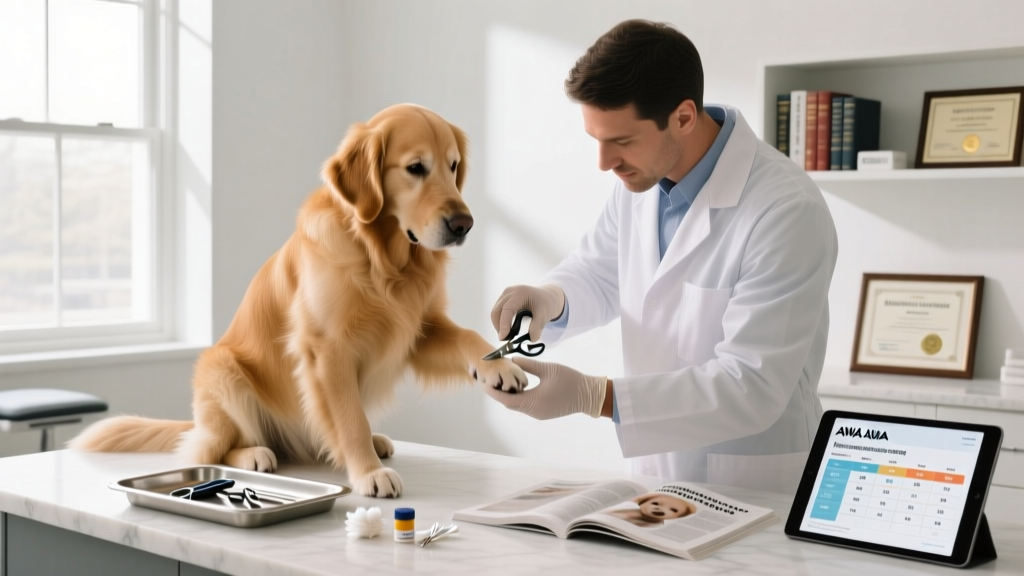
Why Is My Dog's Paw Red? Causes, Care & When to Worry
Is your dog's paw red, swollen, or irritated? Learn the top causes, how to examine paws at home, treatment options, and when to see the vet.

Understanding Your Dog's Paw: A Quick Anatomy Primer
Unlike human feet, which are flat and covered in thin skin, a dog's paw is a complex, multi-layered structure built for traction, shock absorption, and temperature regulation. Here's how it breaks down:
- Digital pads (toe pads): Four small pads on each front paw provide grip and protect the toe joints. Dogs walk on their toes (digitigrade stance), unlike humans who are plantigrade (flat-footed).
- Metacarpal/metatarsal pad: The large central pad bears most of the body weight and contains thick, keratinized skin with fat cushioning underneath.
- Carpal pad: A small pad on the front wrist area, used mainly for braking on slopes and rough terrain.
- Claws: Unlike human nails, dog claws contain a blood supply (the "quick") and nerve endings, making overgrown or broken nails genuinely painful.
- Sweat glands: Dogs sweat through their paw pads (merocrine glands), which is why you might see damp paw prints on the floor in summer.
Because paw pads are the only part of a dog's body with this type of thick, hairless skin, they're uniquely vulnerable to environmental irritants, allergens, and mechanical damage — all of which can cause redness.
Normal vs. Abnormal: What Healthy Dog Paws Look Like
| Feature | Normal / Healthy | Abnormal / Concerning |
|---|---|---|
| Pad color | Pink (puppies/light breeds), black, or mottled pink-and-black — consistent with the dog's pigmentation | Sudden color change, bright red, purple, or white/blanched patches |
| Pad texture | Smooth to slightly rough; firm but yielding when pressed | Cracked, peeling, blistered, excessively dry, or spongy/soft |
| Between toes (interdigital space) | Clean, dry, no visible redness or discharge | Red, swollen, moist, oozing, or crusty |
| Temperature | Warm but not hot to the touch; similar to other pads | Noticeably hotter than surrounding pads or skin |
| Odor | Mild "corn chip" smell (normal bacteria) or no scent | Foul, yeasty, or pus-like odor|
| Licking/chewing behavior | Occasional grooming, especially after walks | Persistent licking, chewing, limping, or favoring one paw |
A dog's paw redness that appears suddenly after a walk on hot pavement or through winter salt is usually obvious in cause. Redness that develops gradually, recurs frequently, or affects multiple paws simultaneously often points to allergies or infection — and that's where things get more complex.
Common Reasons Your Dog's Paw Is Red
| Condition | Key Symptoms | Onset | Typical Cost Range (Vet Visit) |
|---|---|---|---|
| Contact dermatitis (irritant or allergic) | Red pads, licking, affects paws that touched the irritant; may see rash between toes | Minutes to hours after exposure | $75–$200 |
| Environmental allergies (atopic dermatitis) | Red, swollen interdigital spaces; paw licking/chewing; often seasonal; may affect ears and belly too | Gradual, often seasonal patterns | $150–$500 (includes allergy testing) |
| Yeast infection (Malassezia) | Reddish-brown staining between toes, greasy feel, musty/yeasty odor, thickened skin | Days to weeks; often secondary to allergies | $100–$250 |
| Bacterial pododermatitis | Red, swollen, painful paws; pustules or draining tracts between toes; limping | Days; can escalate quickly | $150–$400 (may require culture) |
| Burns (thermal or chemical) | Red or blistered pads, reluctance to walk, visible pad damage | Immediate (hot surfaces) or hours (chemical) | $200–$800 depending on severity |
| Interdigital cysts | Firm, red nodules between toes; may rupture and drain; recurring in same spot | Days to weeks; recurrent | $200–$600 (may need surgical removal) |
| Foreign body (foxtail, thorn, glass) | Sudden limping, redness localized to one area, visible puncture or swelling | Immediate to hours | $150–$500 (removal + possible sedation) |
| Flea allergy dermatitis | Red paws plus intense itching at tail base, belly; visible flea dirt | Hours after flea bite | $75–$200 |
According to the Merck Veterinary Manual, pododermatitis (paw inflammation) is one of the most common reasons dogs present to veterinary dermatologists, and in many cases, the initial redness is a secondary symptom of an underlying allergic condition rather than a primary disease.
How to Examine Your Dog's Red Paw at Home
Before calling the vet, a thorough home exam can help you describe the problem accurately and determine urgency. Use this step-by-step approach with positive reinforcement — treats and calm praise throughout.
- Choose the right moment. Examine paws when your dog is relaxed — after a nap or during a calm cuddle session. Avoid right after exercise when pads are naturally warmer and slightly flushed.
- Check the gait first. Watch your dog walk on a flat surface. Note any limping, toe-favoring, or shortened stride. This tells you which paw (or paws) to focus on.
- Lift and inspect the pad surface. Gently hold the paw and look at each toe pad and the main metacarpal pad. Note color, cracks, peeling, or foreign material stuck to the surface.
- Spread the toes apart. This is the most important step. Gently separate each toe to examine the interdigital space. Look for redness, swelling, moisture, discharge, matted fur, or foreign objects (foxtails, burrs, thorns).
- Feel for heat and swelling. Use the back of your hand to compare the temperature of the affected paw against a healthy paw. A noticeably warmer paw suggests active inflammation or infection.
- Check between all four paws. Even if only one paw looks red, check all four. Symmetric redness across multiple paws strongly suggests allergies. Single-paw redness leans toward injury, foreign body, or localized infection.
- Smell test. Bring the paw close and sniff. A yeasty, sour odor points toward Malassezia (yeast overgrowth). A foul, sharp smell suggests bacterial infection.
- Inspect claws and nail beds. Look for broken nails, overgrown claws curving into pads, or redness at the nail base — all potential sources of paw redness.
Home Care Routine: Keeping Paws Clean and Healthy
A consistent paw care routine prevents most minor redness issues from developing into serious problems. Here's a maintenance schedule based on veterinary dermatology recommendations:
Daily (Especially After Walks)
- Wipe paws with a damp microfiber cloth or unscented pet wipe (e.g., Earth Rated Dog Wipes, ~$8 for 100-count). Focus on between the toes where pollen, salt, and chemicals accumulate.
- Quick visual check — spread toes, look for redness, debris, or moisture.
- Dry thoroughly — moisture trapped between toes creates the warm, humid environment yeast thrives in.
Weekly
- Deeper cleaning with a gentle, dog-specific paw wash (e.g., Dexas MudBuster Portable Paw Cleaner, $12–$18 depending on size). Fill with lukewarm water, insert paw, twist gently, and pat dry.
- Trim interdigital fur if it's long enough to trap moisture and debris. Use blunt-nosed grooming scissors (e.g., ConairPro Dog & Cat Rounded-Tip Scissors, ~$10).
- Check and trim nails — overgrown nails alter paw mechanics and put pressure on toe joints, contributing to inflammation. Trim to just before the quick, about every 2–4 weeks depending on activity level and surface.
Seasonal / As Needed
- Apply paw balm (e.g., Musher's Secret Paw Protection Wax, $15–$20 for 60g) before walks on hot pavement, ice, or salted roads. Creates a semi-permeable barrier. Reapply every 4–6 hours on long outings.
- Use protective booties for extreme conditions. Ruffwear Summit Trex ($65–$85 for a set of four) offers reliable grip and protection. Introduce gradually with positive reinforcement — most dogs need 3–7 short training sessions to walk comfortably in boots.
Products for Soothing Mild Redness at Home
For minor irritation — think post-walk redness from grass or light salt exposure — these vet-recommended products can help:
- Douxo S3 Calm Mousse ($22–$30): Contains phytosphingosine to support skin barrier function. Apply to clean, dry paws between the toes. No rinsing needed.
- Veterycin Plus Wound & Skin Care Spray ($12–$18): Hypochlorous acid-based, safe for licking, helps clean minor abrasions and hot spots on paws.
- Epsom salt soak (plain, unscented): Dissolve 1 tablespoon per cup of warm water. Soak each paw for 3–5 minutes. Helps reduce mild swelling and draws out minor irritation. Do not use if there are open wounds.
Important: Home care is appropriate only for mild, brief redness that resolves within 24–48 hours. Persistent, worsening, or painful redness requires veterinary evaluation. Always consult your veterinarian before starting any treatment, especially if your dog is on other medications.
When to See the Vet: Red Flag Symptoms
Call your veterinarian or visit an emergency clinic immediately if your dog shows any of these signs:
- Paw is hot, significantly swollen, or your dog won't bear weight on it
- Visible open wounds, deep cracks, or bleeding from paw pads
- Pus or bloody discharge from between the toes
- A foreign object (foxtail, glass, thorn) is embedded and cannot be easily removed
- Your dog is lethargic, feverish (normal dog temperature: 101–102.5°F / 38.3–39.2°C), or refusing to eat alongside paw redness
- Redness appeared after exposure to a known toxic chemical (de-icing agents, lawn chemicals, household cleaners)
- Rapidly spreading redness moving up the leg from the paw
If you suspect your dog contacted a toxic substance, call ASPCA Animal Poison Control at (888) 426-4435 (24/7, consultation fee applies) for immediate guidance.
For non-emergency but persistent redness (lasting more than 48 hours, recurring seasonally, or accompanied by excessive licking), schedule a regular vet appointment. Expect your veterinarian to perform some combination of the following diagnostics:
- Cytology (tape prep or swab): $30–$80 — checks for yeast and bacteria
- Skin scraping: $25–$60 — rules out Demodex or Sarcoptes mites
- Allergy testing (blood or intradermal): $250–$600 — identifies specific environmental allergens
- Bacterial culture and sensitivity: $100–$200 — determines which antibiotics will work if resistant bacteria are present
- Skin biopsy: $200–$400 — for chronic, non-responsive cases to rule out autoimmune conditions like pemphigus
Breed Predispositions: Which Dogs Are Most at Risk?
While any dog can develop red, irritated paws, certain breeds carry higher risk due to anatomy, coat type, or genetic predisposition to allergies and skin conditions.
| Breed | Common Paw Issues | Why They're Prone |
|---|---|---|
| English Bulldog, French Bulldog | Interdigital cysts, yeast infections, pododermatitis | Wide, splayed toes with deep skin folds trap moisture; high allergy prevalence |
| German Shepherd | Interdigital pyoderma, autoimmune pad disorders | Genetic predisposition to bacterial skin infections and immune-mediated conditions |
| Labrador Retriever, Golden Retriever | Allergic pododermatitis, interdigital cysts | Among the top breeds for atopic dermatitis; active outdoor lifestyles increase irritant exposure |
| Boxer | Interdigital cysts, contact dermatitis | Short coat offers minimal paw-webbing protection; high allergy rates |
| Shar-Pei | Interdigital infections, pododermatitis | Excessive skin folds between toes create ideal bacterial/yeast environment |
| Dachshund | Interdigital dermatitis | Low-to-ground body brings paws into more contact with environmental irritants |
| Great Dane, Mastiff breeds | Pad cracking, callus-related inflammation | Heavy body weight puts extreme pressure on pads, especially on hard surfaces |
| West Highland White Terrier | Atopic dermatitis, Malassezia overgrowth | One of the highest genetic predisposition rates for environmental allergies among terriers |
The American Kennel Club notes that brachycephalic breeds and those with heavy, loose skin are disproportionately affected by chronic paw inflammation, often requiring lifelong management rather than a one-time cure.
Prevention Strategies: Protecting Your Dog's Paws Year-Round
Prevention is always more effective — and less expensive — than treatment. Here are targeted strategies organized by season and risk factor:
Environmental Management
- Avoid walking on treated lawns. Herbicides and pesticides are major contact irritants. If your dog walks on treated grass, wash paws within 15 minutes of exposure.
- Use pet-safe de-icers at home (e.g., Safe Paw Ice Melter, ~$20 for 8 lb). Traditional rock salt (sodium chloride) causes chemical burns on pads and is toxic if licked off. If you must walk on salted public sidewalks, apply Musher's Secret before the walk and wipe paws immediately after.
- Test pavement temperature in summer using the 7-second rule: press the back of your hand against the pavement. If you can't hold it there comfortably for 7 seconds, it's too hot for your dog's pads. Asphalt can reach 140–160°F (60–71°C) on a 85°F (29°C) day.
Allergy Management
- Wipe down after every outdoor excursion during high-pollen seasons (spring and fall). This removes allergens before they penetrate the skin.
- Consider omega-3 supplementation. Fish oil (EPA/DHA) at 50–100 mg/kg body weight daily supports skin barrier function. Nordic Naturals Omega-3 Pet ($20–$35) or veterinary-grade formulations like Welactin 3X Canine are well-studied options.
- Work with your vet on an allergy action plan. This may include Apoquel (oclacitinib), Cytopoint (lokivetmab injections), or allergen-specific immunotherapy — all of which require veterinary prescription and monitoring.
Paw Conditioning
- Gradually toughen pads by increasing walk duration on varied surfaces over 4–6 weeks. Sudden long hikes on rough terrain cause blisters and abrasions in dogs accustomed to soft grass.
- Maintain a healthy weight. Overweight dogs put 20–30% more pressure on their pads per step, accelerating wear and increasing inflammation risk. According to the AVMA, approximately 56% of dogs in the U.S. are overweight or obese.
- Keep interdigital fur trimmed short to reduce moisture trapping and make post-walk cleaning more effective.
Frequently Asked Questions
Can a dog's paw redness be caused by food allergies?
Yes, but food allergies are less common than environmental allergies as a cause of paw redness. Studies estimate that only about 10–15% of canine allergic dermatitis cases are food-related. If your vet suspects a food allergy, the gold standard diagnostic is an 8–12 week elimination diet trial using a novel protein (e.g., rabbit, venison) or hydrolyzed protein prescription diet — not over-the-counter "limited ingredient" foods, which may contain undeclared proteins due to manufacturing cross-contamination.
Is it safe to use human moisturizer on my dog's dry, red paw pads?
No. Human lotions often contain ingredients toxic to dogs if licked, including xylitol, zinc oxide, and certain essential oils. Use only veterinary-formulated paw balms or moisturizers. If your dog's pads are dry and cracking, Musher's Secret or Bag Balm (original formula, applied sparingly) are safe options. Persistent cracking that doesn't improve with balm within a week warrants a vet visit, as it may indicate an underlying condition like zinc-responsive dermatosis or autoimmune disease.
My dog keeps licking one red paw — should I use a cone?
Excessive licking creates a cycle: saliva keeps the area moist, which promotes yeast and bacterial growth, which causes more itching, which causes more licking. A protective collar (Elizabethan collar or soft recovery cone like the Kong Cloud Collar, $15–$25) breaks this cycle while you address the underlying cause. However, the cone is a management tool, not a treatment. You still need to identify and treat why the paw is red in the first place.
How long does it take for a dog's red paw to heal?
It depends entirely on the cause. Minor contact irritation from grass or mild salt exposure often resolves in 24–72 hours with simple cleaning. Yeast infections typically require 2–4 weeks of topical antifungal treatment. Bacterial pododermatitis may need 4–8 weeks of antibiotics. Chronic allergic pododermatitis is often a lifelong management situation with flare-ups controlled through ongoing treatment. Your veterinarian can provide a more accurate timeline after diagnosis.
Are paw pad burns from hot pavement an emergency?
They can be. Superficial burns (red, tender pads) may heal with veterinary-guided home care in 7–14 days. Deep burns (blistered, peeling, or raw pads with exposed tissue) require immediate veterinary attention, as they carry high infection risk and are extremely painful. Your vet may prescribe pain medication, topical wound treatments, and bandaging. Never apply ice directly to a burned paw pad — use cool (not cold) water for 10–15 minutes, then cover loosely with a clean cloth and head to the vet.
Tom Renshaw
All our authors care for dogs every day — read more of their work on the authors page.