Get Pink Eye From a Dog?
Can you get pink eye from a dog? Learn the real zoonotic risks of canine conjunctivitis, symptoms to watch for, treatment costs, and how to protect your family.
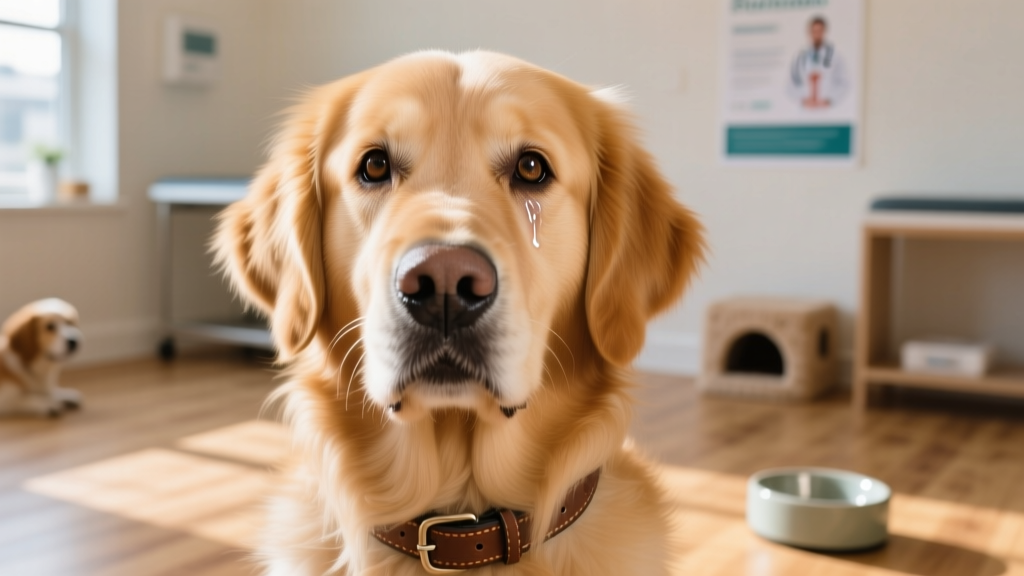
If you've ever wiped sleep from your dog's eyes and then rubbed your own, you've probably wondered: can you get pink eye from a dog? The short answer is yes — but it's uncommon and depends entirely on what's causing your dog's eye infection in the first place.
Pink eye, medically known as conjunctivitis, is an inflammation of the conjunctiva — the thin, transparent membrane lining the inner eyelid and covering the white of the eye. In dogs, it's one of the most frequently diagnosed ocular conditions in veterinary practice, affecting dogs of all breeds and ages. According to the Merck Veterinary Manual, canine conjunctivitis can stem from bacterial infections, viral agents, allergies, foreign bodies, immune-mediated disease, or underlying anatomical issues.
The zoonotic risk — meaning disease transmissible between animals and humans — varies by causative agent. Most canine conjunctivitis cases are not contagious to humans. However, certain bacterial pathogens, particularly Chlamydia psittaci and some Bordetella bronchiseptica strains, carry a low but real transmission risk, especially for immunocompromised individuals, young children, and the elderly.
What Is Conjunctivitis in Dogs and How Does It Develop?
Conjunctivitis occurs when the conjunctival tissue becomes inflamed due to irritation, infection, or systemic disease. The inflammation causes blood vessels in the eye to dilate, producing the characteristic redness that gives "pink eye" its name.
In dogs, conjunctivitis falls into several categories based on cause:
- Primary bacterial conjunctivitis: Often involves Staphylococcus, Streptococcus, or Pseudomonas species. These are typically opportunistic — they exploit an already-compromised eye surface.
- Viral conjunctivitis: Associated with canine distemper virus or canine adenovirus. These species-specific viruses do not infect humans.
- Allergic conjunctivitis: Triggered by environmental allergens (pollen, dust mites, mold). Not contagious in either direction.
- Secondary conjunctivitis: Results from another ocular disease like keratoconjunctivitis sicca (dry eye), entropion, or corneal ulceration.
- Chlamydial conjunctivitis: Caused by Chlamydia psittaci — this is the primary zoonotic concern and the reason the answer to "can you get pink eye from a dog" isn't a flat "no."
Chlamydial conjunctivitis in dogs is relatively uncommon compared to bacterial and allergic causes. When it does occur, it typically presents as a follicular conjunctivitis with prominent lymphoid follicles on the inner eyelid. The organism can survive briefly on fomites (shared towels, hands, bedding) and transfer between species through direct contact with ocular discharge.
Can You Get Pink Eye From a Dog? Understanding the Transmission Risk
Human conjunctivitis is most commonly caused by adenoviruses (viral pink eye) or Staphylococcus aureus and Streptococcus pneumoniae (bacterial pink eye). The bacteria that typically cause conjunctivitis in dogs — such as Staphylococcus pseudintermedius — are adapted to canine hosts and rarely establish infection in healthy human eyes.
However, transmission pathways do exist:
- Direct contact: You touch your dog's infected eye discharge, then rub your own eyes without washing your hands.
- Fomite transmission: Shared face towels, pillowcases, or bedding carry infectious organisms from dog to human.
- Aerosol (rare): In cases involving Bordetella bronchiseptica, close face-to-face contact with a coughing dog could theoretically expose mucous membranes.
Populations at elevated risk include:
- Children under 5 (frequent face-touching, immature immune systems)
- Immunocompromised adults (chemotherapy patients, organ transplant recipients, uncontrolled HIV)
- Elderly individuals with age-related immune decline
- People with pre-existing ocular surface disease (dry eye, blepharitis)
According to the CDC's One Health guidance, zoonotic disease transmission from companion animals is relatively rare when basic hygiene is maintained, but awareness matters — especially in multi-pet households with young children.
Symptoms Checklist: Canine Conjunctivitis by Severity
Recognizing conjunctivitis early helps you begin treatment before complications develop — and before potential zoonotic exposure escalates. Here's what to watch for:
| Severity Level | Symptoms | Action Required |
|---|---|---|
| Early / Mild | Slight redness of conjunctiva, occasional squinting, small amount of clear or white discharge, mild pawing at the eye | Monitor closely for 24 hours; schedule vet appointment if symptoms persist or worsen |
| Moderate | Pronounced redness, yellow or green mucoid discharge, visible swelling of conjunctiva (chemosis), frequent blinking, eye held partially closed, third eyelid elevation | Vet visit within 24-48 hours; practice strict hand hygiene to reduce zoonotic risk |
| Severe / Urgent | Corneal cloudiness or blue haze, purulent (pus-like) discharge crusting the eye shut, obvious pain (whimpering, head-shyness), visible corneal ulcer or scratch, eye bulging, sudden vision changes | Emergency vet visit immediately; these signs may indicate corneal ulceration, glaucoma, or deep infection threatening vision |
One critical distinction: corneal ulcers can mimic conjunctivitis in early stages but require completely different treatment. Applying the wrong medication to a corneal ulcer — particularly steroid-containing eye drops — can cause the ulcer to deepen rapidly, potentially leading to eye perforation within 24-72 hours. This is why veterinary diagnosis before treatment is non-negotiable.
Breed Predispositions and Risk Factors for Canine Conjunctivitis
Key Risk Factors
- Brachycephalic breeds (Bulldogs, Pugs, Shih Tzus, Boston Terriers, Pekingese): Shallow orbits and prominent eyes increase exposure to trauma, debris, and drying
- Breeds with entropion (Shar-Peis, Chow Chows, Bulldogs, Retrievers): Inward-rolling eyelids cause constant corneal irritation
- Breeds prone to keratoconjunctivitis sicca (Cocker Spaniels, Bulldogs, West Highland White Terriers, Shih Tzus): Inadequate tear production leaves the eye vulnerable to infection
- Large, active breeds (Labs, German Shepherds, Spaniels): Higher exposure to environmental debris during outdoor activity
- Age: Puppies (immature immune systems) and senior dogs (decreased tear production, systemic disease) are at higher risk
- Environment: Multi-dog households, boarding facilities, dog daycares, and dog parks increase infectious exposure
- Underlying conditions: Distemper infection, autoimmune disease, hypothyroidism, and diabetes all increase conjunctivitis risk
Brachycephalic breeds deserve special mention. Their brachycephalic ocular syndrome encompasses a constellation of eye problems: medial entropion, lagophthalmos (inability to fully close the eyelids), trichiasis (hair rubbing on the cornea), and exposure keratopathy. These dogs develop conjunctivitis so frequently that many owners consider chronic eye discharge "normal" — it isn't, and it warrants ongoing veterinary management.
How Is Canine Conjunctivitis Diagnosed?
When you bring your dog in with a red, irritated eye, your veterinarian will typically perform a systematic diagnostic workup. Here's what to expect and what each test costs:
| Diagnostic Test | Purpose | Estimated Cost (2026) |
|---|---|---|
| Ophthalmic examination | Visual inspection, eyelid eversion, slit lamp evaluation of cornea and conjunctiva | $50–$85 (included in exam fee) |
| Schirmer tear test (STT) | Measures tear production over 60 seconds; normal is >15 mm/min. Rules out keratoconjunctivitis sicca (dry eye) | $25–$50 |
| Fluorescein stain | Orange dye that adheres to damaged corneal tissue; reveals ulcers, scratches, and abrasions under blue light | $25–$45 |
| Tonometry | Measures intraocular pressure; rules out glaucoma (elevated IOP) or uveitis (low IOP) | $35–$65 |
| Cytology / conjunctival swab | Microscopic evaluation of scraped cells or cultured discharge to identify bacterial species, chlamydial inclusion bodies, or fungal elements | $60–$150 |
| Bacterial culture & sensitivity | Grows bacteria from discharge sample; determines which antibiotics will be effective. Sent to external lab in many cases | $80–$200 |
| PCR panel (if indicated) | Detects specific organisms like Chlamydia psittaci, canine distemper virus, or Mycoplasma species | $120–$250 |
A straightforward conjunctivitis diagnosis (exam + fluorescein stain + Schirmer tear test) typically costs $100–$180 at a general practice. If cytology or culture is needed, expect $200–$400 total. Referral to a veterinary ophthalmologist for complex or recurrent cases adds a specialist consultation fee of $150–$300 on top of diagnostic costs.
Your vet will also perform a thorough physical exam looking for systemic clues: nasal discharge (suggesting upper respiratory involvement), skin lesions around the eyes, enlarged lymph nodes, or fever. In cases where Chlamydia psittaci is suspected, your vet may ask about your dog's exposure to birds, as this organism cycles between avian and mammalian hosts.
Treatment Options for Canine Conjunctivitis
Treatment depends entirely on the underlying cause. This is why "my dog has pink eye, what should I do?" always has the same first answer: see your vet before applying anything to the eye.
| Cause | Treatment Approach | Medications Used | Typical Duration | Success Rate |
|---|---|---|---|---|
| Bacterial (primary) | Topical antibiotic drops or ointment | Neomycin-polymyxin-bacitracin (Neo-Poly-Bac), ofloxacin, gentamicin, or terramycin ophthalmic ointment | 7–14 days | 90%+ with appropriate antibiotic selection |
| Chlamydial | Topical tetracycline-class ointment + oral doxycycline in severe cases | Terramycin (oxytetracycline-polymyxin B) ophthalmic ointment; doxycycline 5 mg/kg PO BID | 3–4 weeks topical; 2–4 weeks oral | 85–95% with full course compliance |
| Allergic | Allergen avoidance, topical anti-inflammatory, systemic antihistamines | Topical cyclosporine or tacrolimus; oral oclacitinib (Apoquel) for severe cases | Ongoing / seasonal management | 70–85% symptom control; not curative |
| Secondary to KCS (dry eye) | Tear stimulation + lubrication | Cyclosporine (Optimmune 0.2%), tacrolimus compounded drops, artificial tears | Lifelong management | 80% respond to cyclosporine; non-responders need tacrolimus |
| Anatomical (entropion, ectopic cilia) | Surgical correction | Post-operative topical antibiotics + NSAIDs | 10–14 day recovery; surgery is curative | 95%+ with successful surgical repair |
| Viral (distemper-related) | Supportive care + secondary infection prevention | Broad-spectrum topical antibiotics, artificial tears, systemic supportive care | 2–4 weeks (depends on systemic disease course) | Variable; depends on distemper prognosis |
Important: Never use human eye drops on your dog without veterinary direction. Visine (tetrahydrozoline) constricts blood vessels and masks symptoms without treating the cause. Steroid-containing drops (like prednisolone acetate) can cause catastrophic corneal melting if an ulcer is present. Your vet will determine the appropriate medication after completing diagnostics.
Prognosis and Expected Outcomes
The prognosis for canine conjunctivitis depends heavily on the underlying cause and how quickly treatment begins:
| Condition | Prognosis | Expected Recovery Timeline | Long-Term Outlook |
|---|---|---|---|
| Simple bacterial conjunctivitis | Excellent | 5–10 days with treatment | Full recovery; low recurrence unless underlying cause persists |
| Chlamydial conjunctivitis | Good to excellent | 2–4 weeks with full treatment course | Full recovery; carrier state possible in some dogs |
| Allergic conjunctivitis | Good (with management) | Ongoing; flares resolve in days to weeks | Lifelong management likely; seasonal patterns common |
| KCS-related (dry eye) | Guarded to good | 4–8 weeks to see full response to cyclosporine | Lifelong medication required; untreated cases risk corneal scarring and vision loss |
| Corneal ulcer (misdiagnosed as conjunctivitis) | Guarded to poor if untreated | 7–21 days for superficial ulcers; surgical cases 4–8 weeks | Deep ulcers risk eye loss; early treatment preserves vision in 85%+ of superficial cases |
Conjunctivitis itself does not shorten a dog's life expectancy. However, untreated conjunctivitis that progresses to corneal ulceration, corneal perforation, or secondary uveitis can result in permanent vision loss or enucleation (surgical eye removal). This is why early veterinary intervention matters — not just for comfort, but for preserving your dog's sight.
Home Care, Prevention, and Protecting Your Family
Once your vet has diagnosed and prescribed treatment, your role shifts to consistent home management and preventing spread — both to other pets and to humans in the household.
Daily Care Protocol
- Clean discharge gently: Use a sterile, lint-free gauze pad moistened with warm saline solution (or a veterinary eye wash like Vetericyn Plus) to wipe discharge from the medial canthus (inner corner). Use a fresh pad for each eye. Wipe from inner to outer corner.
- Administer medications on schedule: Most ophthalmic antibiotics require application every 8–12 hours. Ointments should be applied in a thin strip along the lower eyelid — never touch the tube tip to the eye surface.
- Prevent self-trauma: An Elizabethan collar (cone) is essential if your dog paws at the affected eye. Even brief pawing can worsen a corneal abrasion into a full-thickness ulcer.
- Avoid irritants: Skip baths, swimming, and dusty environments during treatment. Wind exposure during car rides (head out the window) should also be avoided.
Protecting Your Household from Zoonotic Transmission
While the risk of getting pink eye from your dog is low, these precautions eliminate it almost entirely:
- Wash hands thoroughly with soap and water for 20 seconds after touching your dog's face, applying eye medication, or cleaning discharge. Alcohol-based hand sanitizer works in a pinch but soap and water is superior for removing organic material.
- Never share towels, washcloths, or pillowcases with your dog during an active infection.
- Disinfect shared surfaces — doorknobs, crate latches, food bowls — with a diluted bleach solution (1:32 bleach to water) or veterinary-grade disinfectant.
- Keep infected dogs separated from other household pets during treatment, especially during the first 5–7 days of antibiotic therapy.
- Avoid face-licking while your dog is being treated. Redirect with a chew toy or treat.
Prevention Strategies
- Keep vaccinations current: Distemper and adenovirus vaccines (part of the DHPP combination) protect against viral causes of conjunctivitis.
- Routine eye checks: During grooming or petting, gently examine your dog's eyes for redness, discharge, or squinting. Catch problems early.
- Manage underlying conditions: If your dog has KCS, allergies, or anatomical eyelid issues, consistent management prevents secondary conjunctivitis.
- Trim facial hair: Dogs with long hair around the eyes (Shih Tzus, Lhasa Apsos, Old English Sheepdogs) benefit from regular trimming to prevent hair from wicking bacteria and debris onto the corneal surface.
- Use protective eyewear for working dogs: Dogs in dusty environments (search and rescue, hunting, herding in arid regions) can benefit from canine goggles like Rex Specs or Doggles to prevent foreign body conjunctivitis.
When to See the Vet: Red Flag Symptoms
⚠️ Seek Immediate Veterinary Care If Your Dog Shows:
- Corneal cloudiness or a blue-white haze over the eye surface — may indicate corneal edema, ulceration, or glaucoma
- Eye held fully closed or extreme light sensitivity (blepharospasm)
- Visible blood inside the eye (hyphema) — suggests trauma, clotting disorder, or systemic disease
- Obvious eye swelling or bulging (exophthalmos) — could indicate retrobulbar abscess or tumor
- Sudden vision loss — bumping into objects, inability to track treats
- Purulent discharge that crusts the eye completely shut and recurs within hours of cleaning
- Systemic signs alongside eye symptoms: fever (rectal temperature >103°F / 39.4°C), lethargy, loss of appetite, nasal discharge
- No improvement after 48 hours of prescribed treatment
Do not wait. Ocular conditions can deteriorate rapidly. A corneal ulcer that starts as a superficial scratch can progress to a descemetocele (near-perforation) within 48–72 hours if infected with Pseudomonas or Beta-hemolytic Streptococcus.
Treatment Cost Breakdown: What to Budget
Here's a realistic cost breakdown for canine conjunctivitis treatment in the United States as of 2026:
| Expense Category | Low Estimate | High Estimate | Notes |
|---|---|---|---|
| Initial vet exam + basic diagnostics | $100 | $250 | Includes exam, fluorescein stain, Schirmer tear test |
| Topical antibiotic ointment/drops | $15 | $45 | Generic Neo-Poly-Bac ~$15; branded ofloxacin ~$45 |
| Bacterial culture & sensitivity | $80 | $200 | Needed for recurrent or non-responsive infections |
| Oral antibiotics (doxycycline) | $15 | $40 | For chlamydial or systemic involvement |
| Elizabethan collar | $10 | $25 | Soft recovery collars or inflatable options available |
| Recheck appointment | $50 | $85 | Typically needed 7–14 days after initial visit |
| Total (uncomplicated case) | $170 | $350 | Most straightforward bacterial cases fall in this range |
| Total (complex / referral case) | $400 | $1,200+ | Includes specialist referral, advanced imaging, or surgery |
Pet insurance typically covers conjunctivitis diagnosis and treatment under illness plans, minus your deductible. Average reimbursements for a standard case range from $120–$280 depending on your plan's co-insurance percentage. Pre-existing condition exclusions apply, so enrolling before eye problems develop is important — especially for predisposed breeds.
Frequently Asked Questions
Can I get pink eye from my dog licking my face?
The risk is very low but not zero. Dog saliva contains bacteria like Pasteurella multocida and Capnocytophaga canimorsus that can cause infections if they contact mucous membranes. If your dog has an active eye infection and licks your face near your eyes, there's a theoretical transmission pathway. Wash your face with soap and water if this happens, and discourage face-licking during treatment.
Can dogs get pink eye from humans?
Human viral pink eye (adenovirus) is species-specific and will not infect dogs. However, some bacterial agents like Staphylococcus aureus (including MRSA) can move from humans to dogs, though this is uncommon for ocular infections. The reverse — dog-to-human transmission — follows the same pattern: rare, but possible with certain organisms.
How long is a dog with conjunctivitis contagious?
For bacterial conjunctivitis, dogs are generally considered less contagious after 48–72 hours of appropriate antibiotic therapy. Chlamydial conjunctivitis may remain transmissible for longer — up to 7–10 days into treatment. Allergic and KCS-related conjunctivitis are not contagious at any point. Keep infected dogs separated from other pets until your vet confirms resolution.
Can I use over-the-counter human eye drops on my dog?
No. Human eye drops are formulated for human ocular physiology and may contain ingredients harmful to dogs. Vasoconstrictors (Visine) mask symptoms without treating the cause. Steroid drops can cause corneal perforation if an ulcer is present. Even "natural" lubricating drops may contain preservatives that irritate canine eyes. Consult your veterinarian before applying any product to your dog's eye.
Which breeds are most prone to conjunctivitis?
Brachycephalic breeds top the list: English Bulldogs, French Bulldogs, Pugs, Shih Tzus, Boston Terriers, and Pekingese. Breeds predisposed to entropion (Shar-Peis, Chow Chows, Labrador Retrievers, Golden Retrievers) and keratoconjunctivitis sicca (Cocker Spaniels, West Highland White Terriers, Bulldogs) also experience conjunctivitis at higher rates. Spaniels with long ear and facial hair are prone to debris-related conjunctival irritation.
Is pink eye in dogs an emergency?
Simple conjunctivitis with mild redness and clear discharge is not an emergency — but it should still be evaluated within 24–48 hours to rule out corneal ulcers and other serious conditions. Eye pain (squinting, holding eye closed), corneal cloudiness, purulent discharge, or sudden vision changes are emergencies that require same-day veterinary attention. Eye conditions deteriorate faster than almost any other category of canine illness.
Can conjunctivitis in dogs resolve on its own?
Mild allergic conjunctivitis may resolve if the allergen is removed from the environment. However, bacterial conjunctivitis rarely self-resolves and often worsens without treatment. Because you cannot determine the cause without veterinary diagnostics, "wait and see" is not a safe approach for red, irritated eyes. The risk of missing a corneal ulcer or glaucoma — both of which can cause permanent damage within days — makes veterinary evaluation essential.
This article is for informational purposes only and does not replace professional veterinary advice. If your dog is showing signs of eye irritation or infection, consult your veterinarian for proper diagnosis and treatment. For suspected poisoning or toxic exposure, contact the ASPCA Animal Poison Control Center at (888) 426-4435 (24/7, consultation fee applies).
Dr. Hannah Wickes
All our authors care for dogs every day — read more of their work on the authors page.


