Dogs on Heat Pads: Safe Treats & Foods to Comfort Your Pup in 2026
Discover which safe human foods and treats are best for dogs on heat pads, including portion sizes, prep tips, and vet guidance for comfort feeding.
What Foods Are Safe for Dogs on Heat Pads?
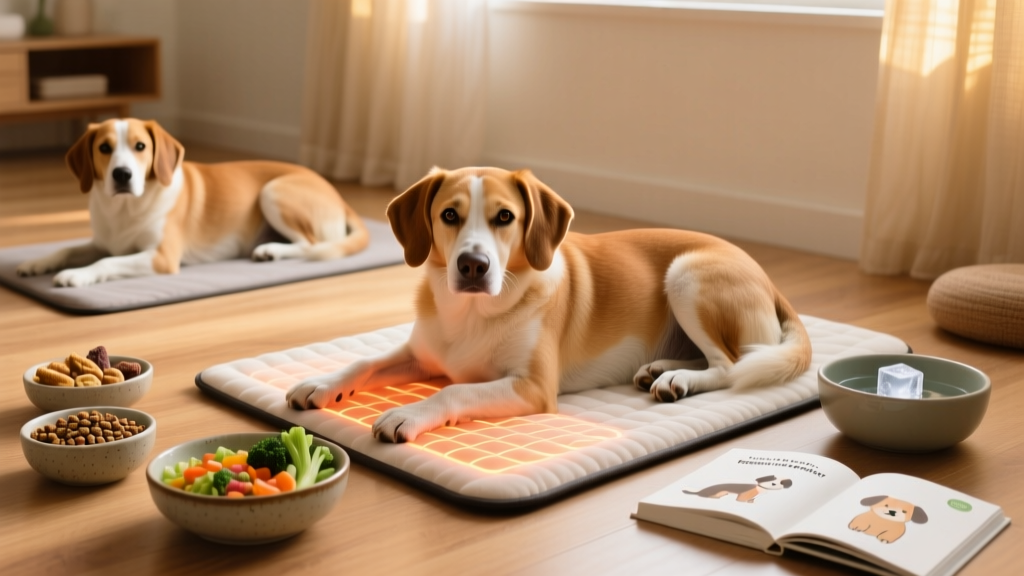
Dogs recovering on heat pads (whether post-surgery, managing arthritis, or resting during illness) can safely enjoy many human foods as comfort treats. However, because these dogs are often less active, have compromised digestion, or are on medications, portion control and food selection matter more than ever. Always choose bland, easily digestible options and avoid rich, fatty, or seasoned foods that could upset a sensitive stomach.
When your dog is spending time on a heating pad — recovering from orthopedic surgery, managing osteoarthritis, or resting through an illness — offering the right comfort foods can make a real difference in their recovery experience. But a dog on restricted activity has different nutritional needs and digestive sensitivities than a healthy, active pup.
This guide covers exactly which human foods are safe, how much to feed based on your dog's weight, and what warning signs to watch for.
How Much Food Can I Give My Dog on a Heat Pad?
Dogs on heat pads are typically on restricted movement. Their caloric needs drop by 20-40% compared to normal activity levels. Treats should never exceed 10% of daily caloric intake, and for sedentary recovering dogs, aim closer to 5-8%.
| Dog Weight | Boiled Chicken (shredded) | Plain Pumpkin Puree | Cooked White Rice | Plain Scrambled Egg | Blueberries |
|---|---|---|---|---|---|
| 5-15 lb (2-7 kg) | 1 tablespoon | 1 teaspoon | 1 tablespoon | ¼ egg | 2-3 berries |
| 16-35 lb (7-16 kg) | 2 tablespoons | 1 tablespoon | 2 tablespoons | ½ egg | 4-5 berries |
| 36-65 lb (16-29 kg) | 3 tablespoons | 2 tablespoons | ¼ cup | 1 whole egg | 6-8 berries |
| 66-100+ lb (30-45+ kg) | ¼ cup | 3 tablespoons | ⅓ cup | 1 whole egg | 8-10 berries |
Frequency: Offer treats no more than 2-3 times per day, spaced at least 4 hours apart. Always serve treats at room temperature — never hot — especially since your dog is already on a heat pad and may have reduced sensitivity to temperature.
Best Comfort Foods for Dogs Recovering on Heat Pads
Boiled Chicken Breast (Skinless, Unseasoned)
The gold standard for recovery feeding. Boiled chicken provides highly digestible lean protein that supports tissue repair without taxing the digestive system.
- Nutritional highlights: 31g protein per 100g, rich in niacin (B3), vitamin B6, phosphorus, and selenium
- Preparation: Boil boneless, skinless breast in plain water for 12-15 minutes until internal temperature reaches 165°F (74°C). Shred into small pieces. Cool to room temperature before serving.
- Why it works for heat pad dogs: Low fat content (3.6g per 100g) minimizes pancreatitis risk in sedentary dogs
Plain Canned Pumpkin (Not Pie Filling)
A digestive regulator that's especially helpful when medications or reduced activity cause constipation or loose stools.
- Nutritional highlights: 7g fiber per cup, high in beta-carotene (vitamin A precursor), vitamin E, iron, and potassium
- Preparation: Use 100% pure pumpkin puree (check label — only ingredient should be pumpkin). Serve straight from the can at room temperature. Refrigerate opened cans and use within 5-7 days.
- Why it works for heat pad dogs: Soluble fiber normalizes bowel movements without adding significant calories (83 calories per cup)
Cooked White Rice
An easily digestible carbohydrate that binds loose stools and provides gentle energy.
- Nutritional highlights: 28g carbohydrates per cup cooked, small amounts of manganese, selenium, and B vitamins
- Preparation: Cook in plain water (no salt, broth, or butter). Use a 2:1 water-to-rice ratio. Cook until soft (about 18-20 minutes). Cool completely.
- Why it works for heat pad dogs: Low-residue food that's gentle on post-surgical or medication-irritated digestive tracts
Plain Scrambled Eggs
A complete protein source with amino acids that support healing.
- Nutritional highlights: 6g protein per large egg, plus vitamin D, B12, riboflavin, and choline (important for nerve function)
- Preparation: Scramble in a non-stick pan without oil, butter, salt, or milk. Cook until fully set with no runny portions. Cool before serving.
- Why it works for heat pad dogs: Highly bioavailable protein supports muscle maintenance during restricted activity
Fresh Blueberries
A low-calorie treat packed with antioxidants that support the immune system during recovery.
- Nutritional highlights: 84 calories per cup, 3.6g fiber, vitamins C and K, manganese, and anthocyanin antioxidants
- Preparation: Wash thoroughly, serve fresh or slightly thawed from frozen. Cut in half for small breeds to reduce choking risk.
- Why it works for heat pad dogs: Anti-inflammatory compounds may support joint health in arthritic dogs on heat therapy
Preparation Rules: What to Avoid When Cooking for a Recovering Dog
- No seasonings ever: Skip salt, pepper, garlic powder, onion powder, herbs, and spice blends. Garlic and onion (including powdered forms) are toxic to dogs and damage red blood cells.
- No added fats: Do not cook with butter, olive oil, bacon grease, or cooking sprays. High-fat foods increase pancreatitis risk, especially in sedentary dogs.
- Cook proteins thoroughly: Raw or undercooked meat carries Salmonella and E. coli risk. A recovering dog's immune system may be compromised. Internal temperature should reach at least 165°F (74°C).
- Remove all bones: Cooked bones splinter and can cause intestinal perforation. This includes chicken, turkey, pork, and beef bones.
- Cool to room temperature: Your dog is already receiving external heat from the pad. Serving warm or hot food adds unnecessary thermal stress. Test food on your wrist — it should feel neutral, not warm.
- Cut into small, manageable pieces: Dogs on heat pads may be lying down while eating. Small pieces reduce choking risk and are easier to eat in a recumbent position.
Nutritional Benefits: What These Foods Do for a Healing Dog
| Food | Calories | Protein | Fat | Fiber | Key Micronutrients |
|---|---|---|---|---|---|
| Boiled chicken (3 oz / 85g) | 142 | 26g | 3.1g | 0g | Niacin 11mg, B6 0.5mg, Selenium 22mcg |
| Pumpkin puree (2 tbsp) | 10 | 0.4g | 0.1g | 1.3g | Vitamin A 2,400 IU, Potassium 90mg |
| White rice (¼ cup cooked) | 51 | 1g | 0.1g | 0.2g | Manganese 0.2mg, Folate 2mcg |
| Scrambled egg (1 large) | 91 | 6.3g | 6.7g | 0g | Vitamin D 41 IU, B12 0.5mcg, Choline 147mg |
| Blueberries (½ cup) | 42 | 0.5g | 0.2g | 1.8g | Vitamin C 7mg, Vitamin K 14mcg |
Protein for tissue repair: Post-surgical dogs need adequate protein for wound healing and muscle preservation during inactivity. The AVMA notes that protein requirements may actually increase during recovery despite reduced caloric needs overall.
Fiber for digestive regulation: Pain medications (especially NSAIDs like carprofen or meloxicam) and opioids (like tramadol) commonly cause constipation. Pumpkin and blueberries provide soluble fiber that keeps bowel movements regular without straining.
Antioxidants for immune support: Recovery is a period of oxidative stress. The anthocyanins in blueberries and beta-carotene in pumpkin help neutralize free radicals generated during the inflammatory healing process.
Risks and Side Effects: What Can Go Wrong
Overfeeding During Restricted Activity
The most common mistake owners make with dogs on heat pads is overfeeding treats out of sympathy. A 50 lb (23 kg) dog on crate rest needs roughly 600-800 calories per day (compared to 1,000-1,200 during normal activity). Excess calories during inactivity lead to rapid weight gain, which puts additional stress on healing joints and surgical sites.
Digestive Upset Signs to Monitor
- Vomiting: Especially within 1-2 hours of eating — may indicate food was too rich or portion too large
- Diarrhea: Loose stools lasting more than 24 hours warrant a vet call
- Decreased appetite for regular meals: If treats replace balanced meals, nutritional deficiencies develop quickly
- Gas/bloating: Particularly dangerous in large-breed dogs — gastric dilatation-volvulus (GDV) is a life-threatening emergency
- Lethargy beyond expected recovery level: May indicate food intolerance or deeper complication
Allergic Reactions (Rare but Possible)
Chicken is among the top 5 canine food allergens. If your dog has never had chicken before, start with a very small amount (half the recommended serving) and monitor for 48 hours. Signs of food allergy include itching, hives, facial swelling, ear inflammation, and gastrointestinal upset.
Choking Hazards
Dogs eating while lying on a heat pad are at elevated choking risk. Always cut food into pieces smaller than your dog's kibble. For small breeds (under 15 lb), blueberries should be halved and chicken shredded into thin strands no longer than ½ inch.
Foods to Avoid: Related Items That Are Unsafe
When preparing comfort food for your recovering dog, these commonly confused items are toxic or dangerous:
- Cooked bones of any kind: Splinter easily and cause esophageal or intestinal perforation
- Onion and garlic (all forms): Powder, flakes, fresh, cooked — all cause hemolytic anemia
- Grapes and raisins: Cause acute kidney failure in dogs; mechanism not fully understood but toxicity is well-documented by ASPCA Animal Poison Control
- Macadamia nuts: Cause weakness, tremors, and hyperthermia — especially dangerous for a dog already on a heat pad
- Xylitol-sweetened foods: This sugar substitute (common in peanut butter brands, sugar-free yogurt) causes rapid insulin release and liver failure
- Raw bread dough: Expands in the stomach and produces ethanol
- Chocolate and cocoa: Contains theobromine; toxicity varies by type and dog weight
- Fatty meats (bacon, sausage, ham): High fat content triggers pancreatitis, a painful and potentially fatal condition
- Avocado: Contains persin; while toxicity is primarily in pit/skin/leaves, the flesh is high in fat and poses pancreatitis risk
- Vomits more than twice in a 12-hour period
- Has bloody diarrhea or black, tarry stools
- Shows signs of abdominal pain (whining, restlessness, praying position)
- Has a distended or hard abdomen
- Refuses all food and water for more than 24 hours
- Shows facial swelling, hives, or difficulty breathing (anaphylaxis)
- Has a seizure or collapses
ASPCA Animal Poison Control: (888) 426-4435 — available 24/7, consultation fee applies.
Pet Poison Helpline: (855) 764-7661
How to Introduce New Foods Safely
Even safe foods can cause problems if introduced too quickly, especially for a dog whose system is already stressed by surgery, medication, or illness.
- Day 1 — Test dose: Offer 25% of the recommended serving size. For a 30 lb dog trying chicken for the first time, that's about ½ tablespoon of shredded chicken.
- Monitor for 24 hours: Watch for vomiting, diarrhea, excessive gas, itching, ear redness, or behavioral changes. Check stool consistency at each bowel movement.
- Day 2 — Half serving: If no adverse reactions, increase to 50% of the recommended portion. Continue monitoring.
- Day 3 — Full serving: If all is well, you can offer the full recommended portion.
- One new food at a time: Wait at least 48 hours between introducing different new foods. If a reaction occurs, you'll know exactly which food caused it.
Important: If your dog is on prescription medication (especially NSAIDs, antibiotics, or opioids), consult your veterinarian before adding any new foods. Some foods interact with drug absorption — for example, calcium-rich foods like eggs can reduce the effectiveness of certain antibiotics like tetracyclines.
Which Dogs Should NOT Get These Comfort Foods?
While the foods listed above are generally safe, certain dogs need modified or restricted treat plans:
- Pancreatitis history: Dogs with previous pancreatitis episodes should avoid eggs (high fat in yolk) and any protein sources with more than 10% fat. Stick to boiled chicken breast and rice only.
- Kidney disease (CKD): Dogs in stages 2-4 of chronic kidney disease need protein-restricted diets. Consult your vet before offering any protein-rich treats. Pumpkin and rice are usually safe.
- Diabetes: Avoid rice and other high-glycemic foods that spike blood sugar. Pumpkin (low glycemic) and lean protein are preferred.
- Food allergy dogs: If your dog is on an elimination diet or has known allergies (chicken, egg, beef), do not introduce trigger foods even as treats. Novel proteins like boiled turkey or duck may be alternatives — ask your vet.
- Puppies under 12 weeks: Immature digestive systems are more sensitive. Stick to puppy-formulated food unless your vet specifically recommends a bland diet supplement.
- Dogs on prescription therapeutic diets: If your dog eats Hill's Prescription Diet, Royal Canin Veterinary Diet, or Purina Pro Plan Veterinary Supplements, adding outside foods may undermine the therapeutic formulation. Always check with your vet first.
Frequently Asked Questions
Can dogs eat food while lying on a heat pad?
Yes, but with precautions. Elevate their head slightly with a small pillow or rolled towel to reduce choking risk. Offer food in small pieces rather than a full bowl. Some dogs prefer to eat after being briefly moved off the pad. Never leave a full food bowl unattended on a heat pad — spilled food on a heating element creates a burn and fire hazard.
How much food can I give my dog on a heat pad?
Limit treats to 5-8% of daily caloric intake for sedentary recovering dogs. For a 50 lb (23 kg) dog on crate rest, that's roughly 30-65 calories in treats per day — about 2 tablespoons of shredded chicken or 1 scrambled egg split across two feedings. See the serving size table above for specific portions by weight.
Is pumpkin good for dogs recovering from surgery?
Plain canned pumpkin (not pie filling) is excellent for post-surgical dogs. Pain medications commonly cause constipation, and pumpkin's soluble fiber (7g per cup) helps regulate bowel movements gently. Start with 1 teaspoon for small dogs or 1 tablespoon for large dogs, once or twice daily mixed into their regular food.
What happens if my dog eats too much while on restricted activity?
Overfeeding a sedentary dog leads to rapid weight gain (as little as 1-2 lbs per week in small breeds), which stresses surgical sites and healing joints. Acute overeating can also cause gastric dilatation (bloat), especially in large-breed dogs — a life-threatening emergency requiring immediate veterinary intervention. Signs include a distended abdomen, unproductive retching, restlessness, and rapid heart rate.
How should I prepare chicken for my recovering dog?
Use boneless, skinless chicken breast. Boil in plain water (no salt, broth, or seasonings) for 12-15 minutes until the internal temperature reaches 165°F (74°C). Let it cool completely to room temperature. Shred into thin strips no longer than ½ inch for small dogs, or 1-inch pieces for large dogs. Store prepared chicken in the refrigerator for up to 3 days or freeze in single-serving portions for up to 3 months.
Are there dogs who should not eat scrambled eggs?
Yes. Dogs with a history of pancreatitis should avoid egg yolks due to their fat content (egg whites alone are safer). Dogs with known egg allergies (relatively uncommon but documented) should avoid them entirely. Dogs on certain antibiotics (tetracyclines, fluoroquinolones) should not eat eggs within 2 hours of medication, as calcium binds to the drug and reduces absorption. Always consult your veterinarian if your dog is on medication.
Can I mix these foods with my dog's regular kibble?
Yes — in fact, mixing a small amount of boiled chicken or pumpkin into regular kibble is an excellent way to entice a dog with reduced appetite during recovery. Use a ratio of approximately 75% regular food to 25% comfort food additive. Ensure the total caloric intake stays within your vet's recommended range for your dog's current activity level.
This article is for informational purposes and does not replace professional veterinary advice. Always consult your veterinarian before changing your dog's diet, especially during illness or post-surgical recovery. Your vet can provide individualized nutritional guidance based on your dog's specific condition, medications, and recovery timeline.
Marcus Aldridge
All our authors care for dogs every day — read more of their work on the authors page.