How to Stop a Dog's Toe Nail from Bleeding: A Complete Care Guide
Learn how to stop a dog's toe nail from bleeding fast, plus anatomy tips, home exams, breed risks, and prevention strategies for healthy claws.
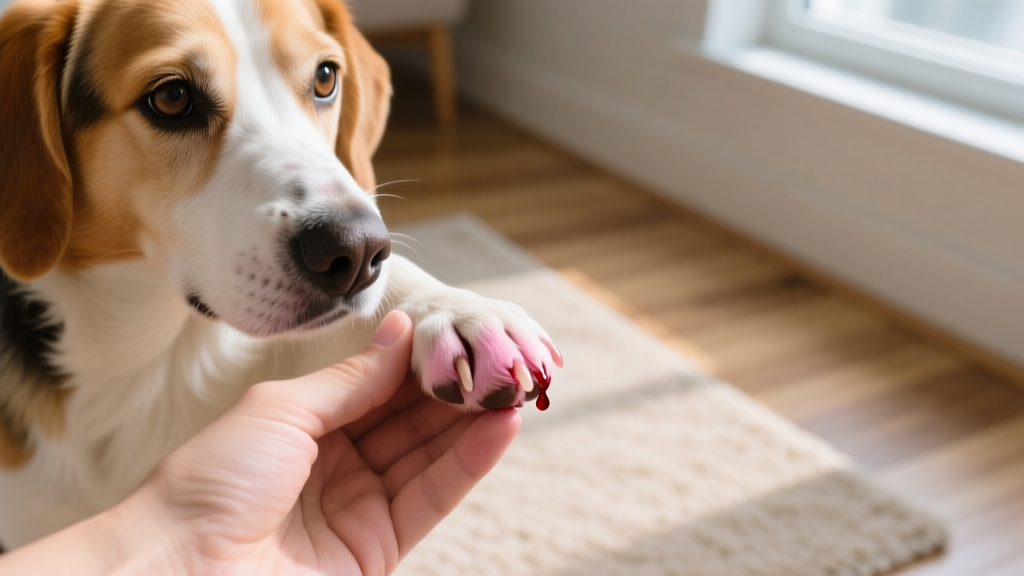
Quick Answer: How to Stop a Dog's Toe Nail from Bleeding
When you've cut into the quick and your dog's nail is bleeding, stay calm. Apply firm, direct pressure to the nail tip with a clean gauze pad or cloth for a full 2–3 minutes without peeking. If bleeding continues, apply styptic powder (silver nitrate or ferric subsulfate-based) directly to the nail tip, pressing gently for 30 seconds. Most nail bleeds stop within 5–10 minutes using these methods.
Dog Nail Anatomy: Why the Quick Bleeds So Much
Understanding why a clipped nail bleeds so aggressively starts with canine nail anatomy — and it's fundamentally different from human fingernails.
Anatomy Quick Primer: Dog Nails vs. Human Nails
A human fingernail is a solid plate of dead keratin sitting on top of the nail bed. Cut it as short as you like — no blood, no pain.
A dog's nail (called a claw or unguis) is different. The outer shell is hard keratin, but running through the center is the quick — a living structure containing:
- Blood vessels (the dermal blood supply) that nourish the nail
- Nerve endings that make quick cuts acutely painful
- Connective tissue anchoring the nail to the third phalanx (P3 bone)
The quick extends roughly 2/3 of the nail's total length in untrimmed nails. In dogs with long, untrimmed nails, the quick grows longer too — which is why neglected nails are harder to trim safely. The Merck Veterinary Manual notes that the canine nail's direct attachment to the distal phalanx bone means deep injuries can involve bone exposure and infection risk.
Key difference: Human nails grow from a matrix under the skin. Dog nails grow outward from a matrix at the nail base and contain a vascular core that advances with growth.
Each dog has 18 nails total: four on each front paw, four on each rear paw, plus dewclaws on the front paws (some breeds have rear dewclaws or even double dewclaws). The dewclaw nail, positioned higher on the inner leg, never contacts the ground and must be trimmed separately — it's a frequent culprit for overgrowth and curling into the skin.
The Quick's Blood Supply in Numbers
The digital artery feeding each nail runs directly through the quick. When severed, arterial pressure means the bleeding is more forceful than a typical skin cut. A healthy dog's systolic blood pressure ranges from 110–160 mmHg, which is why a quicked nail can produce surprising blood volume — typically 5–15 mL before clotting, though it looks like much more when spread across fur and flooring.
Common Dog Nail Problems and Their Symptoms
Nail issues extend well beyond the occasional quicked trim. Here's what to watch for:
| Problem | Key Symptoms | Urgency |
|---|---|---|
| Quicked nail (trimmed too short) | Bright red bleeding from nail tip, yelping, paw withdrawal, licking | Home-treatable; vet if bleeding >15 min |
| Split or cracked nail | Visible crack line, intermittent bleeding, limping, sensitivity to touch | Moderate — vet if crack reaches quick |
| Torn/avulsed nail | Nail hanging at angle, exposed tissue, heavy bleeding, extreme pain | Emergency — see vet same day |
| Nail bed infection (paronychia) | Swelling around nail base, pus/discharge, foul odor, redness, warmth | Vet visit within 24–48 hours |
| Overgrown nails | Clicking on floors, nails curling under, altered gait, splayed toes | Schedule trim; vet if curling into pad |
| Symmetrical lupoid onychodystrophy (SLO) | Multiple brittle/crumbly nails, lifting from bed, affecting several paws simultaneously | Vet — autoimmune condition requiring diagnosis |
| Nail bed tumor | Single nail deformity, persistent swelling, dark mass under nail, non-healing | Vet — biopsy needed; squamous cell carcinoma or melanoma risk |
How to Check Your Dog's Nails: A Step-by-Step Home Exam
A thorough nail check takes about 3–5 minutes and should be done every 2 weeks. Here's the technique I recommend to every dog owner:
Home Nail Examination Steps
- Position your dog comfortably. Have them stand on a non-slip surface (yoga mat or towel). For small dogs, place them on a table at your waist height. Offer a lick mat or treat to keep them occupied.
- Lift each paw individually. Support the leg at the carpus (wrist) or hock (ankle) — never pull on the toes. Gently spread the toes apart using your thumb and forefinger.
- Inspect nail length. With your dog standing, nails should not touch the ground. If you hear clicking on hard floors, they're too long. The ideal length is 1–2 mm above the floor surface.
- Examine each nail surface. Look for: cracks running vertically or horizontally, discoloration (dark spots, white chalky areas), splitting at the tip, or unusual thickness.
- Check the nail base. Where the nail meets the skin, look for redness, swelling, discharge, or crusting. Healthy nail beds are pink (or match your dog's skin pigment) with no visible inflammation.
- Inspect the underside. Gently tilt the paw to see the nail's underside. Look for debris packed between the nail and the pad, foreign objects (foxtails, thorns), or signs of moisture/maceration.
- Don't forget dewclaws. Check the inner leg dewclaws for overgrowth. These can curl into a full circle and penetrate the skin if neglected — I've seen this many times in dogs whose owners simply forgot they exist.
- Assess nail firmness. Gently squeeze each nail. Healthy nails are hard and rigid. Soft, crumbly, or peeling nails indicate fungal infection, nutritional deficiency, or SLO.
How Do I Check My Dog's Nails If They're Black?
Dark-nailed dogs present a visibility challenge. You cannot see the quick through black keratin. The workaround: look at the nail from the underside (cross-section view). You'll often see a lighter-colored oval or circle in the center — that's the quick. Trim small slices (1–2 mm at a time) and check the cross-section after each cut. When you see a dark, moist-looking dot in the center of the freshly cut surface, stop — you're approaching the quick.
Normal vs. Abnormal: What Healthy Dog Nails Look Like
| ✅ Normal (Healthy) | ❌ Abnormal (Needs Attention) |
|---|---|
| Smooth, hard surface with slight sheen | Brittle, peeling, or chalky texture |
| Consistent color (white, black, or mixed — matches breed/pigment) | Sudden color change, dark streaks, or reddish-brown staining |
| Slight downward curve following natural toe shape | Curling sideways, corkscrew shape, or growing into pad |
| Nail tip does not contact ground when dog stands | Audible clicking on hard surfaces, pushes toe upward |
| Nail base skin is flat, matches surrounding skin color | Swollen, red, oozing, or raised tissue around nail base |
| Firm to gentle squeeze, no pain response | Soft/crumbly, dog pulls away or yelps when touched |
| All nails on a paw are roughly equal length | One nail significantly shorter/broken or growing at odd angle |
How to Stop Bleeding and Maintain Your Dog's Nails at Home
Immediate Bleeding Control Protocol
Keep a nail emergency kit in your grooming supplies at all times. Here's the step-by-step when you've quicked a nail:
- Apply direct pressure — Pinch a clean gauze pad against the bleeding nail tip. Hold firm, steady pressure for 2 full minutes (count it — most people release too early). Do not dab or wipe.
- Apply styptic powder — Dip the nail tip directly into styptic powder, or press a generous pinch against the nail with your fingers. Hold for 30 seconds. The astringent compounds (typically ferric subsulfate or aluminum chloride) constrict blood vessels and promote clotting.
- Reassess after 5 minutes — If oozing continues, reapply powder and pressure. Keep your dog calm and still — activity increases blood pressure and restarts bleeding.
- Protect the nail for 24 hours — Wrap the paw loosely in a clean sock or use a dog bootie. Prevent licking, which can dislodge the clot. An Elizabethan collar may be necessary for persistent lickers.
- Monitor for infection — Over the next 48–72 hours, check for swelling, heat, discharge, or increased pain at the nail. These warrant a vet visit.
Routine Nail Care Checklist
- Every 2 weeks: Full nail inspection (length, base, underside, dewclaws)
- Every 2–4 weeks: Trim nails as needed (frequency depends on activity level and surfaces walked on — dogs who run on pavement may need trims only monthly; indoor-only dogs may need them every 2 weeks)
- After every walk in tall grass: Check for foxtails, seeds, or debris lodged between nails and pads
- Monthly: Clean around nail beds with a damp cloth; dry thoroughly to prevent fungal growth
- Seasonally: In winter, rinse paws after walks to remove road salt that can dry and crack nails; apply paw balm if nails are brittle
Products You Need (With Specific Recommendations)
| Product Category | Specific Recommendations | Price Range (2026) | Why It Works |
|---|---|---|---|
| Styptic powder | Kwik Stop Styptic Powder; Pet MD Styptic Pads | $6–$12 | Ferric subsulfate + benzocaine stops bleeding and numbs pain |
| Scissor-style clippers | Millers Forge Professional Nail Clipper (medium/large); Epica #1 Best Pet Nail Clipper | $12–$25 | Sharp stainless steel blades make clean cuts without crushing; safety guard prevents over-cutting |
| Guillotine-style clippers | Resco Original Deluxe (size S or M based on dog weight) | $15–$22 | Preferred for small/medium dogs; replaceable blade extends tool life |
| Nail grinder/Dremel | Dremel PawControl 7760-PGK; Casfuy Dog Nail Grinder | $20–$45 | Gradual grinding reduces quicking risk; ideal for anxious dogs and black nails; smooths rough edges |
| Styptic pencil (backup) | Clubman Pinaud Styptic Pencil (human product, safe for dogs) | $4–$8 | Compact backup for travel kits; aluminum sulfate astringent |
| Paw balm | Musher's Secret Paw Protection Wax; Natural Dog Company Paw Soother | $10–$18 | Prevents nail and pad cracking in dry/cold weather; food-safe ingredients |
When to See the Vet About Nail Issues
🚨 When to Call Your Veterinarian
Go to emergency vet NOW if:
- Bleeding does not stop after 15 minutes of direct pressure and styptic powder
- Nail is completely torn from the nail bed (avulsion) or hanging by tissue
- You can see bone or deep tissue exposed at the injury site
- Your dog is in severe distress — panting, trembling, unable to bear weight
- There is heavy, pulsing bleeding (arterial involvement)
Schedule a vet appointment within 24–48 hours if:
- Nail base is swollen, red, warm, or oozing pus
- Multiple nails are affected simultaneously (possible autoimmune or systemic disease)
- A single nail has changed shape, color, or growth pattern
- Your dog persistently licks one nail or limps on a specific paw for more than 24 hours
- A cracked nail extends into the quick area (risk of deep infection)
- The nail has grown into the paw pad (ingrown nail)
Always consult your veterinarian rather than attempting to treat deep nail bed infections, nail tumors, or autoimmune nail conditions at home. These require diagnostic testing (cytology, culture, biopsy, or radiographs) that cannot be performed at home.
What to Expect at the Vet Visit
For nail injuries, your veterinarian will typically:
- Sedate or provide local anesthesia — Nail bed work is painful; most dogs need a nerve block (bupivacaine) or light sedation
- Remove damaged nail remnants — If the nail is partially avulsed, complete removal under sedation allows proper cleaning
- Clean and bandage — Sterile lavage followed by a padded bandage changed every 2–3 days
- Prescribe antibiotics and pain medication — Typically amoxicillin-clavulanate and a short course of an NSAID like carprofen or meloxicam
- Cost expectations: Simple nail trim/quick management: $20–$45. Nail avulsion treatment with sedation: $150–$350. Nail bed biopsy: $300–$600.
Breed Predispositions: Which Dogs Have More Nail Problems
Certain breeds face higher nail-related risks due to genetics, anatomy, or activity patterns:
| Breed/Type | Predisposition | Prevention Focus |
|---|---|---|
| German Shepherds, Rottweilers | Symmetrical lupoid onychodystrophy (SLO) — autoimmune nail disease causing brittle, sloughing nails | Early veterinary diagnosis; omega-3 fatty acid supplementation (EPA/DHA at 30–40 mg/kg/day); niacinamide; possible immunosuppressive therapy |
| Great Pyrenees, Briards, Beaucerons | Double rear dewclaws — extra nails that never contact ground and curl into skin | Biweekly dewclaw checks; trim every 2 weeks; discuss surgical removal with your vet if recurrent ingrown issues |
| Greyhounds, Whippets, sighthounds | Thin skin and prominent nails; higher risk of nail tears during sprinting; sensitive to pain | Frequent short trims (weekly 1–2 mm) to keep quicks receded; inspect after off-leash running |
| Dachshunds, Basset Hounds | Low body conformation puts nails at awkward angles; front nails bear more weight | Regular trims; monitor for uneven wear patterns that indicate compensatory gait |
| Small/toy breeds (Chihuahuas, Yorkies, Pomeranians) | Often less exercise on abrasive surfaces; nails grow faster relative to body size; dewclaws commonly neglected | Strict biweekly trim schedule; consider professional groomer if owner is uncomfortable |
| Dark-coated breeds (any breed with black nails) | Quick not visible; higher quicking frequency leads to trim anxiety (both dog and owner) | Use a nail grinder instead of clippers; trim 1 mm at a time; desensitization training with positive reinforcement |
Prevention Strategies: Keeping Nails Healthy and Bleed-Free
The best approach to nail bleeding is preventing it in the first place. These strategies work based on canine nail physiology:
1. Trim Frequently in Small Increments
The single most effective prevention technique. When you trim 1–2 mm every 1–2 weeks, the quick gradually recedes. This is because the quick's blood supply responds to consistent trimming by contracting — a well-documented physiological adaptation. Dogs trimmed weekly can often have their quicks shortened by 3–5 mm over 2–3 months. In contrast, infrequent monthly trims that remove large sections are far more likely to hit the quick.
2. Desensitize Your Dog to Nail Handling
Many nail injuries happen because a panicked dog jerks their paw mid-cut. Use positive reinforcement counter-conditioning:
- Week 1: Touch each paw for 1 second → treat. Repeat 5x per session, 2 sessions daily.
- Week 2: Hold each paw for 3 seconds, gently spread toes → treat.
- Week 3: Touch clipper/grinder to nail (no cutting) → high-value treat.
- Week 4: Trim one nail → treat jackpot. Build up to full paw over subsequent sessions.
This protocol, based on AKC-recommended desensitization techniques, typically takes 4–6 weeks for dogs with existing nail-handling fear.
3. Walk on Abrasive Surfaces
Regular walks on concrete or asphalt naturally file nail tips. Dogs who walk 30+ minutes daily on pavement often need less frequent trims (though dewclaws still require manual attention). This is not a substitute for trimming but reduces the volume you need to remove.
4. Support Nail Health Nutritionally
Brittle, cracking nails can signal nutritional gaps. Ensure your dog's diet provides:
- Biotin: Found in egg yolks and organ meats; supports keratin structure
- Zinc: Essential for nail bed cell turnover; deficiency causes brittle nails
- Omega-3 fatty acids (EPA/DHA): Reduce inflammation in nail beds; especially important for SLO-prone breeds at 30–40 mg combined EPA+DHA per kg body weight daily
- Protein: Nails are 95% keratin protein — ensure adequate high-quality protein in the diet (minimum 18% for adult maintenance per AAFCO guidelines)
5. Keep a Styptic Kit Accessible
Even with perfect technique, you will eventually quick a nail — it happens to professional groomers and veterinarians. Having Kwik Stop powder and gauze pads within arm's reach before you start trimming turns a stressful emergency into a 3-minute inconvenience.
Frequently Asked Questions
How do I check my dog's nails if they hate having their paws touched?
Start by checking nails when your dog is relaxed or sleepy — many dogs tolerate brief handling while drowsy on their bed. Use a high-value treat (freeze-dried liver, small cheese pieces) as a lure. If your dog shows significant fear (panting, trembling, snapping), stop and work with a certified force-free trainer on desensitization. For severely anxious dogs, your vet can prescribe a single-dose situational anxiety medication (such as trazodone or gabapentin) for nail trim appointments.
What are common nail problems in dogs beyond bleeding?
Beyond quicked nails, the most common issues are overgrown nails causing gait abnormalities, nail bed infections (bacterial or fungal paronychia), split nails from catching on carpet or fencing, and immune-mediated nail disease (SLO). Older dogs may develop nail bed tumors — any single nail that changes shape or fails to heal after injury should be evaluated by a veterinarian.
How do I clean and maintain my dog's nails between trims?
Wipe nails with a damp cloth after muddy walks. Dry thoroughly between the toes and around nail bases to prevent fungal growth. Apply paw balm to nail edges in dry or cold weather. Inspect for cracks or debris weekly. Keep the hair between paw pads trimmed to improve visibility and prevent matting that can pull on nail bases.
When should I see a vet about nail issues?
See a vet immediately for uncontrolled bleeding (15+ minutes), nail avulsion, or visible bone. Schedule a prompt visit for swelling, discharge, persistent limping, multiple affected nails, or any single nail that has changed appearance. Never attempt to treat deep nail bed infections at home — these can spread to the underlying bone (osteomyelitis) if untreated.
Which breeds are most prone to nail problems?
German Shepherds and Rottweilers are predisposed to autoimmune nail disease (SLO). Great Pyrenees and Briards have double dewclaws requiring extra attention. Sighthounds have delicate nails prone to tearing. Toy breeds often have rapidly growing nails that are under-trimmed. Any breed with black nails faces higher quicking risk during trims.
How can I prevent my dog's nails from bleeding during trims?
Trim small amounts (1–2 mm) every 1–2 weeks rather than large amounts monthly. Use a nail grinder for black nails where the quick isn't visible. Ensure good lighting and a calm environment. Keep styptic powder within reach before starting. Desensitize your dog to handling over 4–6 weeks using positive reinforcement. If you're consistently struggling, consider having a professional groomer or veterinary technician handle trims — a $15–$25 grooming visit is cheaper and less stressful than an emergency vet visit for a torn nail.
Can I use human nail clippers on my dog?
No. Human nail clippers are designed for flat, thin fingernails and will crush a dog's thicker, cylindrical nail structure, causing pain and splintering. Use clippers specifically designed for dogs — scissor-style for most dogs, guillotine-style for small breeds, or a grinder for anxious dogs and black nails.
How long does it take for a dog's nail to heal after being quicked?
The surface typically stops bleeding within 5–10 minutes with proper first aid. The nail bed tissue heals in approximately 5–7 days. The nail itself will regrow to its previous length in 4–8 weeks depending on the dog's age, nutrition, and breed. During healing, keep the paw clean and dry, and avoid trimming that specific nail until fully regrown.
Beth Carrasco
All our authors care for dogs every day — read more of their work on the authors page.