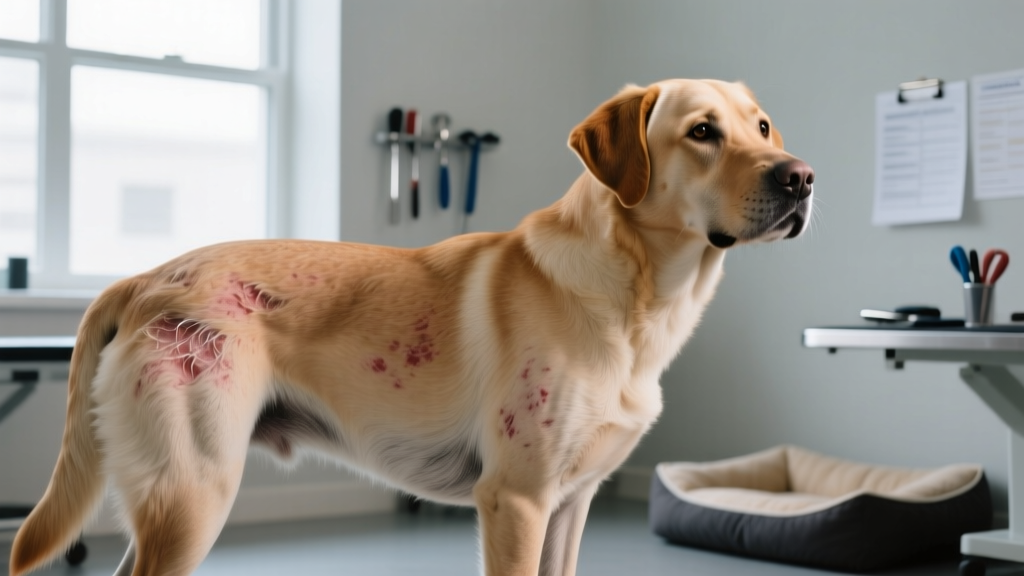
Dogs and Onions: Why They're Bad, Toxic Doses & What to Do
Are dogs and onions bad together? Learn the toxic dose, symptoms of onion poisoning, what to do if your dog eats onion, and safe vegetable alternatives.

All forms of onion — raw, cooked, powdered, dehydrated, or juiced — contain organosulfur compounds (primarily N-propyl disulfide) that destroy canine red blood cells, causing hemolytic anemia. There is no safe serving size. Even small amounts accumulated over multiple meals can reach a toxic threshold. Never intentionally feed onion to your dog in any form.
If you've ever wondered why dogs and onions are bad together, the answer comes down to canine biochemistry. Unlike humans, dogs lack certain antioxidant enzymes in their red blood cells, making them uniquely vulnerable to oxidative damage from compounds found in all members of the Allium family. A single tablespoon of onion powder can contain the equivalent oxidative load of an entire medium onion — and it's hiding in everything from baby food to burger seasoning.
This guide breaks down the exact toxic thresholds, symptom timelines, treatment protocols, and what to do right now if your dog just helped themselves to a dropped onion ring.
Why Onions Are Toxic to Dogs: The Science
Onions contain organosulfur compounds, specifically N-propyl disulfide and various thiosulfinates, that dogs cannot metabolize safely. When these compounds enter a dog's bloodstream, they trigger a process called oxidative hemolysis — the destruction of red blood cells through oxidative stress.
Here's the mechanism step by step:
- Ingestion: Onion compounds are absorbed through the gastrointestinal tract.
- Oxidation: N-propyl disulfide attaches to the oxygen-carrying protein hemoglobin inside red blood cells.
- Heinz body formation: The damaged hemoglobin denatures and forms clumps called Heinz bodies on the surface of the red blood cells.
- Premature destruction: The dog's spleen recognizes these damaged cells as abnormal and destroys them prematurely (hemolysis).
- Anemia: When red blood cell destruction outpaces production, the dog develops hemolytic anemia — reducing oxygen delivery to organs and tissues.
According to the Merck Veterinary Manual, dogs are roughly 3 to 5 times more sensitive to Allium toxicity than cats on a per-body-weight basis, though cats are also highly susceptible. The toxic dose is well-documented: as little as 15 to 30 grams of onion per kilogram of body weight can produce clinically significant hematologic changes. That translates to roughly 0.5% of a dog's body weight in fresh onion.
- 10 lb (4.5 kg) dog: ~1.5 oz (42 g) of onion — about ¼ of a medium onion
- 30 lb (13.6 kg) dog: ~4.5 oz (127 g) — roughly one small-to-medium onion
- 70 lb (31.8 kg) dog: ~10.5 oz (297 g) — approximately 1.5 large onions
Onion powder is significantly more concentrated. As little as 1 teaspoon of onion powder can be equivalent to one whole medium onion in toxic potential.
Hidden Onion Sources: Where Toxicity Sneaks In
Most dog owners know not to hand their dog a raw onion. The real danger lies in hidden onion content in everyday human foods. According to ASPCA Animal Poison Control, concentrated and processed forms of onion are particularly dangerous because the toxic compounds persist through cooking, dehydration, and powdering.
| Hidden Source | Risk Level | Why It's Dangerous |
|---|---|---|
| Onion powder (seasoning blends, chips, crackers) | High | Concentrated; 1 tsp ≈ 1 whole onion in toxicity |
| Baby food (many brands use onion powder) | High | Often fed to sick dogs without checking labels |
| Gravy, broth, and soup bases | Medium-High | Concentrated cooking liquids leach compounds |
| Pizza sauce and pasta sauces | Medium | Onion/garlic powder are standard ingredients |
| Ground beef seasoned for burgers/meatballs | Medium | Onion powder mixed throughout; hard to remove |
| French-fry seasoning | Medium | Many restaurant and packaged seasonings include onion |
| Dehydrated onion flakes (instant soups) | High | Concentrated form; easy for dogs to ingest quickly |
Onion Poisoning Symptoms in Dogs: Timeline and Severity
One of the most dangerous aspects of onion toxicity is the delayed symptom onset. Clinical signs of hemolytic anemia may not appear for 1 to 5 days after ingestion, which can give owners a false sense of security. A dog that seems fine 12 hours after eating onion may still be developing dangerous blood changes.
| Symptom | Typical Onset | Severity | What It Means |
|---|---|---|---|
| Vomiting / diarrhea | Within hours to 1 day | Mild to moderate | GI irritation from direct contact |
| Lethargy / weakness | 1–3 days | Moderate | Reduced oxygen delivery from anemia |
| Pale or bluish gums | 2–5 days | Severe | Significant red blood cell loss |
| Dark red or brown urine | 2–5 days | Severe | Hemoglobinuria — hemoglobin spilling into urine |
| Rapid heart rate (tachycardia) | 2–5 days | Severe | Heart compensating for low oxygen |
| Elevated respiratory rate / panting | 2–5 days | Severe | Body trying to compensate for anemia |
| Collapse | 3–5 days | Critical | Life-threatening anemia; emergency |
Key insight: Heinz body anemia can be detected via blood smear before visible symptoms appear. If you know your dog ate a toxic dose, a vet can run a complete blood count (CBC) within 24 hours to catch damage early — even if the dog appears normal.
What to Do If Your Dog Eats Onion
The appropriate response depends on how much was eaten, when, and what form the onion was in. Here's a decision framework:
- Determine the amount ingested. Estimate in grams or ounces. Remember: 15 g/kg body weight is the clinical threshold. For a 20 lb (9 kg) dog, that's roughly 135 g — about half a large onion.
- Identify the form. Raw or cooked fresh onion is less concentrated than onion powder, flakes, or dehydrated forms. Powder is the highest risk per gram.
- Check the time since ingestion.
- Within 1–2 hours: Your vet may recommend inducing vomiting with 3% hydrogen peroxide (1 mL per pound of body weight, max 45 mL). Only do this under direct veterinary guidance.
- 2–6 hours: Vomiting induction may still be effective. Activated charcoal (1–3 g/kg) may be administered by your vet to reduce absorption.
- Beyond 6 hours: Vomiting induction is unlikely to help. Focus shifts to monitoring and supportive treatment.
- Call your veterinarian or an emergency clinic immediately if the ingested amount approaches or exceeds the toxic threshold, or if the form was concentrated (powder, dehydrated).
- Monitor for 5 days minimum. Even if no symptoms appear in the first 24 hours, hemolytic anemia can develop up to 5 days post-ingestion. Check gum color daily (should be bubblegum pink, not pale or white).
- Your dog ate more than 15 g of onion per kg of body weight
- Your dog consumed any amount of onion powder or concentrated onion product
- You notice pale/white gums, dark urine, weakness, or rapid breathing at any point within 5 days
- Your dog is a small breed (under 15 lb / 7 kg) and ate even a small amount of onion
- Your dog has a pre-existing condition (anemia, kidney disease, immune-mediated disease)
ASPCA Animal Poison Control: (888) 426-4435 — available 24/7 (consultation fee applies)
Pet Poison Helpline: (855) 764-7661 — available 24/7
Veterinary Treatment and Costs for Onion Toxicity
If your dog requires treatment for onion poisoning, here's what to expect at the clinic and what it typically costs in 2026:
| Treatment | When Used | Estimated Cost |
|---|---|---|
| Emesis induction (vomiting) | Within 1–2 hours of ingestion | $50–$100 |
| Activated charcoal administration | To reduce GI absorption | $40–$80 |
| Complete blood count (CBC) + blood smear | To assess Heinz body formation and PCV | $80–$180 |
| IV fluid therapy | To support kidney function and hydration | $150–$400/day |
| Blood transfusion | Severe anemia (PCV below 15–20%) | $500–$1,500+ per unit |
| Supplemental oxygen | Respiratory distress from severe anemia | $100–$300/day |
| Hospitalization (monitoring) | Moderate to severe cases, 1–3 days | $200–$600/day |
Total cost range: A mild case treated with emesis and monitoring may cost $200–$500. A severe case requiring transfusion and multi-day hospitalization can reach $2,000–$5,000+. This is where pet insurance or an emergency fund proves invaluable.
The American Kennel Club emphasizes that prognosis depends on how quickly treatment begins and how much onion was consumed. Dogs treated promptly after ingestion generally recover well, while dogs that develop severe hemolytic anemia before receiving care face a more guarded prognosis.
Related Allium Family Foods: All Toxic to Dogs
Onions are not the only danger. All members of the Allium genus contain the same organosulfur compounds in varying concentrations. Here's how they compare:
| Food | Toxic to Dogs? | Relative Toxicity vs. Onion | Notes |
|---|---|---|---|
| Garlic | YES — MORE toxic | Approximately 5× more potent than onion | Toxic dose: ~2–5 g/kg body weight |
| Leeks | YES | Similar to onion | Often overlooked in soups and stews |
| Chives | YES | Similar to onion | Common garnish; small amounts add up |
| Shallots | YES | Similar to onion | Often used in sauces and dressings |
| Scallions / Green onions | YES | Similar to onion | Both white and green parts are toxic |
| Garlic powder | YES — HIGHLY concentrated | Very high per gram | Found in most seasoned human foods |
A note on garlic supplements: Some pet supplement brands market garlic as a "natural flea repellent" or immune booster. The American Veterinary Medical Association does not support the use of garlic supplements in dogs due to the narrow margin between proposed benefit doses and documented toxic thresholds. The risk of cumulative oxidative damage outweighs any unproven benefits.
Breed Predispositions and Higher-Risk Dogs
While all dogs are susceptible to onion toxicity, certain breeds and populations face elevated risk:
- Japanese breeds (Akita, Shiba Inu, Japanese Chin): These breeds have inherited red blood cell characteristics — specifically higher potassium concentrations and reduced glutathione levels — that make their cells more susceptible to oxidative damage. A dose that might cause mild anemia in a Labrador could cause severe hemolysis in an Akita.
- Dogs with pre-existing anemia: Any condition already reducing red blood cell count (immune-mediated hemolytic anemia, chronic kidney disease, parasitic infection) means less reserve to absorb further RBC destruction.
- Dogs on certain medications: Dogs taking drugs that also cause oxidative stress (acetaminophen, benzocaine, certain sulfa drugs) have compounded risk.
- Small and toy breeds: The toxic threshold is weight-based, so a 5 lb Chihuahua reaches dangerous levels with a fraction of what a large dog might tolerate — often just a few bites of onion-containing food.
Safe Vegetable Alternatives to Onion
If you're looking to add flavor and nutrition to your dog's meals without the Allium risk, these vegetables are safe and well-tolerated by most dogs:
| Safe Alternative | Preparation | Serving Suggestion | Key Nutrients |
|---|---|---|---|
| Sweet potato | Cooked, plain, skin removed | 1–2 Tbsp per 20 lb dog | Beta-carotene, fiber, vitamin B6 |
| Green beans | Steamed or raw, no seasoning | ¼ cup per 20 lb dog | Fiber, vitamin K, manganese |
| Carrots | Raw or steamed, cut to safe size | 2–3 baby carrots per 20 lb dog | Beta-carotene, vitamin A, fiber |
| Celery | Raw, cut into small pieces | 1–2 stalks, chopped, per 20 lb dog | Vitamin K, potassium, fiber |
| Bell pepper (any color) | Raw or cooked, seeds and stem removed | 2–3 Tbsp chopped per 20 lb dog | Vitamin C, vitamin A, antioxidants |
| Zucchini | Raw or steamed, plain | ¼ cup sliced per 20 lb dog | Vitamin C, manganese, low calorie |
Pro tip for homemade meals: If you're preparing a homemade dog food recipe and a recipe calls for onion, substitute with a small amount of fennel (bulb, finely chopped and cooked). Fennel provides a mild, aromatic flavor without Allium toxicity and is generally safe for dogs in small quantities. However, any long-term homemade diet should be formulated with a board-certified veterinary nutritionist to ensure AAFCO nutritional completeness.
Frequently Asked Questions
Can dogs eat food cooked with onion if I remove the onion pieces?
No. The toxic organosulfur compounds are water-soluble and leach into cooking liquids, sauces, broths, and the surrounding food during cooking. Removing visible onion pieces does not make the dish safe. The oil, broth, or meat that was cooked alongside the onion has absorbed toxic compounds.
How much onion powder is toxic to dogs?
Onion powder is highly concentrated. As a general guideline, 1 teaspoon of onion powder (roughly 2.4 g) can be equivalent to one medium onion (~110 g fresh) in terms of toxic compound concentration. For a 10 lb dog, even half a teaspoon of onion powder could approach a concerning dose. Always check ingredient labels on seasoned snacks, baby food, and broths.
My dog ate a small piece of onion — should I panic?
A single small piece (e.g., one thin ring from a 70 lb dog) is unlikely to reach the toxic threshold of 15 g/kg. However, you should still monitor your dog for 5 days for any signs of lethargy, pale gums, or dark urine. If your dog is a small breed, a Japanese breed, or has pre-existing health conditions, contact your veterinarian even for small amounts. Cumulative exposure from multiple small incidents also adds up.
Is cooked onion less toxic than raw onion?
No. Cooking does not destroy the N-propyl disulfide compounds responsible for red blood cell damage. Boiled, sautéed, roasted, grilled, or caramelized onions are all toxic. In fact, cooking can concentrate the compounds as water content evaporates, making cooked onions potentially more dangerous per gram.
Can dogs eat onion-flavored chips or crackers?
No. Onion-flavored snacks contain onion powder, which is one of the most concentrated and dangerous forms. Even a few chips can deliver a significant dose of toxic compounds, especially for small dogs. Keep all seasoned snack foods out of reach.
Are there any dogs who should never be exposed to even trace amounts of onion?
Yes. Dogs with a history of immune-mediated hemolytic anemia (IMHA), breeds with inherited red blood cell abnormalities (Japanese breeds), dogs on oxidative-stress-inducing medications, and dogs with chronic kidney disease should have zero tolerance for any Allium exposure. Additionally, puppies under 6 months have immature detoxification pathways and should never be exposed.
This article is for educational purposes and does not replace professional veterinary advice. If you suspect your dog has ingested a toxic amount of onion, contact your veterinarian or an emergency animal clinic immediately. For poison-related emergencies, call ASPCA Animal Poison Control at (888) 426-4435.
Dr. Hannah Wickes
All our authors care for dogs every day — read more of their work on the authors page.