Dog Treat Puzzles & Slow Feeding: A Complete Nutrition Guide
Learn how to use dog treat puzzles for enrichment, weight management, and proper nutrition. Includes food picks, feeding amounts, and puzzle pairing tips.

Why Dog Treat Puzzles Are Changing How We Feed Dogs
Dog treat puzzles have evolved from niche training tools into mainstream feeding strategies recommended by veterinary behaviorists and nutritionists alike. In 2026, the conversation around canine enrichment has shifted dramatically — we now understand that how a dog eats matters nearly as much as what they eat. Puzzle feeders slow down rapid eaters, reduce bloat risk in deep-chested breeds, provide mental stimulation that burns cognitive energy, and can even help manage anxiety-driven behaviors like resource guarding or excessive licking.
But pairing the right nutrition with the right puzzle requires understanding your dog's specific caloric needs, life stage requirements, and the physical properties of different foods. A treat that works beautifully in a Kong may be a choking hazard in a snuffle mat. A kibble perfect for a puzzle ball might not meet your dog's nutritional needs if used as their primary diet.
This guide covers the nutritional foundations you need to make treat puzzles work safely and effectively — from selecting the right food to calculating portions, transitioning diets, and monitoring your dog's health outcomes.
Nutritional Requirements by Life Stage and Condition
Before loading any puzzle with food, you need to know what your dog actually requires. The Merck Veterinary Manual outlines baseline requirements, but real-world feeding depends on your dog's life stage, activity level, and health status.
| Life Stage / Condition | Protein % | Fat % | Calories/Day (50 lb / 23 kg Dog) | Key Considerations |
|---|---|---|---|---|
| Adult Maintenance (Moderate Activity) | ≥ 22% | ≥ 8% | 1,100–1,300 kcal | AAFCO minimum for adult dogs |
| Active / Working Dogs | 26–34% | 15–25% | 1,500–2,200 kcal | Higher fat for sustained energy |
| Senior Dogs (7+ years) | 24–28% | 8–12% | 900–1,100 kcal | Higher protein to preserve muscle; joint-supportive additives |
| Weight Loss / Overweight | 25–30% | 6–10% | 800–1,000 kcal | High protein, high fiber, reduced fat |
| Puppy (Large Breed) | 22–28% | 8–12% | Varies by growth stage | Controlled calcium:phosphorus ratio (1.1:1 to 1.4:1) |
| Allergies / Sensitive Skin | 22–26% | 12–18% | 1,000–1,300 kcal | Novel protein or hydrolyzed; omega-3 enriched |
| Kidney Disease (CKD) | 14–18% | 12–20% | Vet-determined | Phosphorus-restricted; highly palatable |
These numbers are starting points. A dog's resting energy requirement (RER) is calculated as 70 × (body weight in kg)^0.75. From there, you multiply by an activity factor: 1.2–1.4 for neutered adults, 1.6–1.8 for intact adults, 2.0+ for puppies, and 0.8–1.0 for weight loss programs.
Commercial Food Selection: What to Look for on the Label
When choosing food or treats for puzzle toys, the label tells you everything — if you know how to read it. Here's your ingredient analysis framework:
Every complete-and-balanced food must carry an AAFCO (Association of American Feed Control Officials) statement indicating the food meets nutritional profiles for a specific life stage: "Adult Maintenance," "Growth," "All Life Stages," or "Gestation/Lactation." If a product lacks this statement, it is a treat or supplement, not a meal replacement — meaning it should never constitute more than 10% of your dog's daily caloric intake.
Ingredient Analysis Guide
- First 3 ingredients should be named protein sources (e.g., "deboned chicken," "salmon meal") — not generic "meat" or "poultry by-products" without species identification.
- Named fat sources (chicken fat, salmon oil, sunflower oil) are superior to generic "animal fat."
- Fiber sources matter for puzzle feeding: beet pulp, chicory root, and pumpkin add bulk that promotes satiety — critical when using puzzles for weight management.
- Avoid artificial preservatives: BHA, BHT, and ethoxyquin have been flagged in ongoing FDA reviews. Look for mixed tocopherols (vitamin E) or rosemary extract instead.
- Grain-free is NOT inherently better. The FDA's ongoing investigation into grain-free diets and dilated cardiomyopathy (DCM) suggests a possible link between legume-heavy grain-free formulations and heart disease in certain breeds.
Top Recommended Foods for Dog Treat Puzzles
Not all foods work well in puzzle toys. You need kibble or treats that are the right size, not too crumbly, and nutritionally appropriate. Here are specific products that perform well in puzzle feeders, based on size, durability, palatability, and nutritional profile:
Protein: 30% | Fat: 20% | Price: $55–$70 for 35 lb bag
Excellent for active dogs. The kibble size works well in Kong Wobblers and treat-dispensing balls. AAFCO-approved for all life stages. High palatability keeps dogs engaged with puzzles longer.
Protein: 21% | Fat: 10% | Price: $85–$105 for 17.6 lb bag (prescription required)
For dogs with food allergies, this hydrolyzed protein formula eliminates most allergen triggers. The small kibble size fits perfectly in snuffle mats and lick mats. Requires veterinary authorization.
Protein: 24.2% | Fat: 7.8% | Price: $48–$62 for 27.5 lb bag
Ideal for weight-loss puzzle feeding. Lower calorie density means your dog can work for more pieces without exceeding daily limits. The smaller kibble size works in most puzzle types.
Protein: 27% | Fat: 12% | Price: $65–$82 for 25 lb bag
Novel protein source (whitefish) with no chicken, corn, wheat, or soy. Single animal protein makes it excellent for elimination diets. Kibble is slightly larger — best for medium/large puzzle toys.
Protein: 38% | Fat: 15% | Price: $75–$95 for 25 lb bag
High-protein formula designed to preserve lean muscle mass in aging dogs. Contains glucosamine and chondroitin naturally from included cartilage. Dense kibble works well in slow-feeder bowls and puzzle balls.
Protein: 32% | Fat: 8% | Price: $58–$72 for 26 lb bag
High protein with reduced fat. The grain-free formula uses deboned turkey as the first ingredient. Includes probiotics (Enterococcus faecium) for digestive support. Good for puzzle-based feeding during weight loss programs.
Calories: ~125 kcal per 3 oz serving | Price: $8–$12 per 8.5 oz can
Specifically formulated for Kong toys. Can be frozen for extended engagement. Not a complete diet — use as a puzzle supplement, capping at 10% of daily calories. Contains wheat, so avoid for dogs with grain sensitivities.
Foods to Avoid in Treat Puzzles
Some foods are dangerous in puzzle contexts specifically, even if they're safe in a regular bowl. Others are broadly unsafe:
| Food / Ingredient | Risk | Puzzle-Specific Concern |
|---|---|---|
| Xylitol (sugar-free peanut butter, some treats) | Rapid hypoglycemia, liver failure — potentially fatal at doses as low as 0.1 g/kg | Hidden in many "dog-safe" spreads; always read labels |
| Cooked bones or rawhide chips | Choking, intestinal obstruction, dental fractures | Can lodge in puzzle openings; dog may swallow large pieces whole in frustration |
| Grapes, raisins, currants | Acute kidney failure — mechanism still under investigation | Small size makes them tempting puzzle fillers; never use |
| Macadamia nuts | Weakness, vomiting, hyperthermia within 12 hours | High-fat content makes them crumble in puzzles, creating choking fragments |
| Generic "meat by-products" (unspecified species) | Unknown sourcing, potential allergen cross-contamination | Inconsistent texture causes jamming in puzzle mechanisms |
| High-sodium deli meats | Sodium ion toxicity at high doses; pancreatitis trigger | Greasy residue clogs puzzle toys; attracts bacteria |
Feeding Amounts: How Much Should You Put in the Puzzle?
This is where most dog owners go wrong. The puzzle is a delivery method, not an excuse to add calories. Your dog's total daily food intake stays the same — the puzzle simply changes how they receive it.
| Dog Weight | Daily Calories | Daily Kibble Amount (approx.)* | Max Treat Calories (10% Rule) |
|---|---|---|---|
| 10 lb / 4.5 kg | 340–400 kcal | ¾ – 1 cup | 34–40 kcal |
| 25 lb / 11 kg | 620–720 kcal | 1¼ – 1¾ cups | 62–72 kcal |
| 50 lb / 23 kg | 1,000–1,200 kcal | 2 – 2½ cups | 100–120 kcal |
| 75 lb / 34 kg | 1,350–1,550 kcal | 2¾ – 3¼ cups | 135–155 kcal |
| 100 lb / 45 kg | 1,650–1,900 kcal | 3¼ – 4 cups | 165–190 kcal |
*Kibble amounts vary by brand caloric density. Always check the feeding chart on your specific food and adjust based on your dog's body condition score.
Adjustment Factors
Multiply the baseline calories by these factors based on your dog's situation:
- Neutered/spayed adult: × 1.2 (standard)
- Intact adult: × 1.4–1.8
- Highly active / sport dog: × 2.0–3.0
- Senior / sedentary: × 0.9–1.0
- Weight loss program: × 0.8 (of ideal weight calories, not current weight)
- Pregnant (last trimester): × 1.5
- Nursing (peak lactation): × 2.0–3.0
Homemade Diets and Treat Puzzles: Can You Make Your Own Puzzle Fillers?
Yes — but with significant caveats. Homemade food can work in puzzle toys, but it introduces food safety risks and nutritional completeness challenges that commercial foods have already solved.
Safe Homemade Puzzle Fillers (Short-Term Use Only)
- Frozen peanut butter & banana mash (xylitol-free PB only): Mix 2 tbsp unsalted, xylitol-free peanut butter with ½ mashed banana. Freeze in a Kong for 2–4 hours. Approximately 190 kcal — suitable as a treat for a 50 lb dog, not a meal.
- Pumpkin & plain yogurt blend: ¼ cup plain canned pumpkin (NOT pie filling) mixed with 2 tbsp plain Greek yogurt. Freeze in lick mats. Approximately 65 kcal. Good for digestive support.
- Cooked chicken & sweet potato mash: ¼ cup shredded boiled chicken breast mixed with ¼ cup mashed cooked sweet potato. Stuff into West Paw Toppl toys. Approximately 140 kcal.
If you plan to use homemade food as your dog's primary diet (not just occasional puzzle treats), you must consult a board-certified veterinary nutritionist (DACVN or equivalent). Studies published in the Journal of the American Veterinary Medical Association have found that the vast majority of homemade dog diets are nutritionally deficient in at least one essential nutrient when not formulated by a specialist. A nutritionist can create a balanced recipe specific to your dog's needs, typically for $200–$400 for an initial consultation and recipe formulation.
Raw diets carry additional risks: the AVMA and FDA have both issued guidance about pathogen risks in raw pet food, including Salmonella and Listeria contamination that can affect both your dog and your household.
Transition Protocol: Switching Puzzle Foods Over 7–10 Days
When changing the food you use in treat puzzles — whether switching kibble brands, moving to a prescription diet, or introducing a new treat — follow a gradual transition to avoid gastrointestinal upset:
| Days | Old Food | New Food | Watch For |
|---|---|---|---|
| Days 1–2 | 75% | 25% | Baseline — note normal stool consistency |
| Days 3–4 | 50% | 50% | Soft stool is common; reduce new food ratio if diarrhea occurs |
| Days 5–6 | 25% | 75% | Appetite changes, gas, vomiting |
| Days 7–8 | 10% | 90% | Most dogs fully adjusted by this point |
| Days 9–10 | 0% | 100% | Full transition — monitor for 48 more hours |
Puzzle-specific tip: During transition, use separate puzzle toys for old and new food. This prevents cross-contamination of flavors and lets you track which food your dog is consuming. If your dog refuses the new food in the puzzle but eats it from a bowl, the puzzle difficulty may be too high — downgrade to an easier puzzle while they acclimate to the new taste.
Supplement Guidance: What to Add and When
Most dogs eating a complete-and-balanced commercial diet do not need additional supplements. However, certain conditions and life stages benefit from targeted supplementation, especially when puzzle feeding is part of a broader enrichment or therapeutic plan:
| Supplement | When to Use | Typical Dosage | Puzzle Compatibility |
|---|---|---|---|
| Fish Oil (EPA/DHA) | Joint health, skin/coat, cognitive support in seniors | 20–55 mg EPA+DHA per kg body weight daily | Can be drizzled over kibble in puzzle; increases palatability |
| Glucosamine + Chondroitin | Osteoarthritis, hip dysplasia, senior mobility | 500–1,500 mg glucosamine daily (weight-dependent) | Powder forms mix into puzzle stuffing; tablets must be given separately |
| Probiotics (multi-strain) | GI upset during food transitions, stress, antibiotic recovery | 1–10 billion CFU daily | Powder blends into wet puzzle fillers; avoid heat exposure |
| L-Theanine / Calming Supplements | Anxiety, noise phobia, separation distress | Per product label (typically 100–400 mg based on weight) | Chewable forms can be placed inside puzzle toys as rewards |
| Vitamin E (mixed tocopherols) | Immune support, antioxidant for seniors | 2–5 IU per lb body weight daily | Oil form can coat kibble; consult vet before adding — excess is harmful |
Important: Always consult your veterinarian before starting any supplement. Over-supplementation can cause harm — excess calcium in large-breed puppies causes skeletal abnormalities, and too much vitamin D leads to toxicity. Your vet will determine appropriate dosages based on bloodwork and your dog's individual needs.
Monitoring Success: Is the Puzzle + Diet Combo Working?
After 4–6 weeks on a new diet delivered via treat puzzles, evaluate your dog across these metrics:
Body Condition Score (BCS) Guide
The BCS is a 1–9 scale used by veterinarians to assess body composition. Your target is 4–5 out of 9 (ideal weight):
- Score 1–3 (Underweight): Ribs, spine, and hip bones clearly visible. No palpable fat cover. Waist extremely pronounced. Action: Increase daily calories by 10–15% and consult your vet.
- Score 4–5 (Ideal): Ribs easily felt but not visible. Visible waist when viewed from above. Abdominal tuck visible from the side. This is your goal.
- Score 6–7 (Overweight): Ribs difficult to feel under fat layer. Waist barely visible. Abdominal tuck absent. Action: Reduce daily calories by 10–15% and increase puzzle difficulty to extend feeding time.
- Score 8–9 (Obese): Massive fat deposits over spine, ribs, and base of tail. No waist. Abdomen distended. Action: Immediate veterinary consultation for a structured weight loss plan.
Other Health Indicators
- Coat quality: Should be shiny, not dull or flaky. Dullness after 6+ weeks on a new food may indicate insufficient fatty acids.
- Energy levels: Appropriate for age and breed. Lethargy in a previously active dog signals potential nutritional deficiency or caloric deficit.
- Stool quality: Firm, well-formed, brown. Consistent soft stool, diarrhea, or very hard stool indicates the food isn't agreeing with your dog's GI tract. The Bristol Stool Scale adapted for dogs is a useful reference — aim for Type 3–4 (formed, segmented, easy to pick up).
- Engagement with puzzle: A dog who consistently abandons a puzzle before finishing may be frustrated (puzzle too hard), satiated (too many calories earlier), or uninterested (food not palatable enough). Adjust difficulty and food choice accordingly.
Frequently Asked Questions
What is the best dog food for treat puzzles?
The best food depends on your dog's life stage and health status. For most healthy adult dogs, a high-quality kibble with an AAFCO statement for "Adult Maintenance" works well. Look for kibble pieces that match your puzzle toy's opening size — too small and they fall out too easily, too large and they jam. For weight management dogs, Hill's Science Diet Adult Light or Wellness CORE Weight Management are excellent choices because their lower caloric density allows more pieces per puzzle session.
How much should I feed my dog through puzzles?
Your dog's total daily food amount doesn't change when you introduce puzzles — the puzzle is simply an alternative delivery method. Calculate your dog's daily caloric needs using the RER formula (70 × body weight in kg^0.75, multiplied by the appropriate activity factor), then measure out that amount whether it goes in a bowl or a puzzle. The 10% treat rule still applies: no more than 10% of daily calories should come from treats or non-complete foods, even if delivered via puzzle.
Can I feed my dog a homemade or raw diet through treat puzzles?
You can use homemade mixtures as occasional puzzle fillers (frozen peanut butter and banana, pumpkin and yogurt blends), but these should not replace a complete diet. If you want to feed a homemade diet as your dog's primary nutrition, consult a board-certified veterinary nutritionist to formulate a balanced recipe. Raw diets carry documented pathogen risks (Salmonella, Listeria, E. coli) that affect both dogs and humans — the AVMA and FDA advise caution. If you do feed raw, practice strict hygiene: separate prep surfaces, thorough handwashing, and immediate cleanup of any food that falls from the puzzle onto floors.
What ingredients should I avoid in puzzle treats?
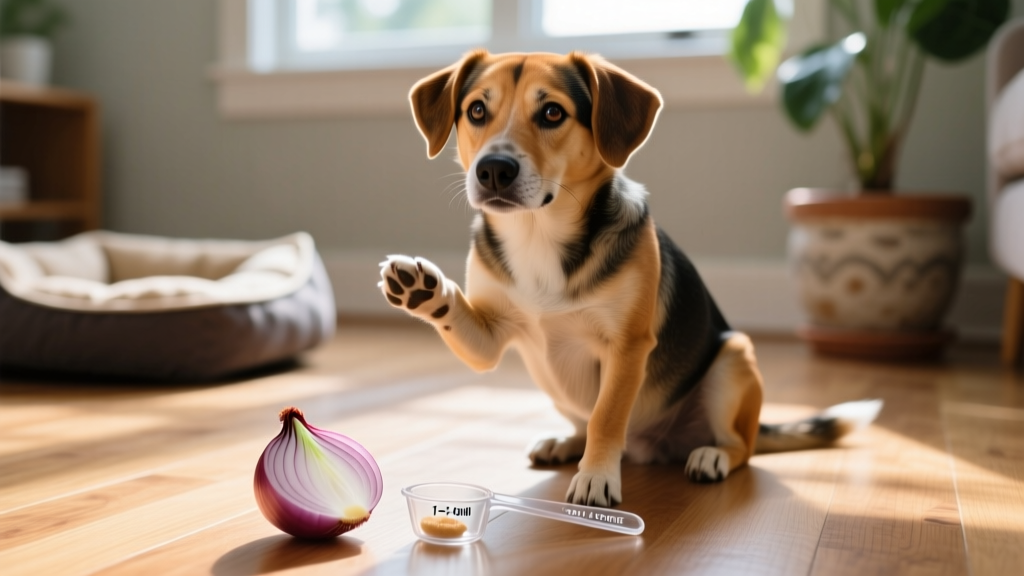
Never use anything containing xylitol (extremely toxic to dogs — causes rapid hypoglycemia and liver failure), grapes or raisins (acute kidney failure), macadamia nuts, chocolate, onions, garlic, or cooked bones. Also avoid high-sodium deli meats and any treats with artificial preservatives (BHA, BHT, ethoxyquin). Always check peanut butter labels specifically for xylitol — it's increasingly common in "sugar-free" or "natural" brands.
How do I switch my dog to a new puzzle food?
Follow a 7–10 day gradual transition: start with 75% old food and 25% new food for the first two days, then shift to 50/50 for days 3–4, then 25/75 for days 5–6, and finally 100% new food by day 9–10. Monitor stool quality throughout. If diarrhea occurs at any stage, hold at the current ratio for an additional 1–2 days before advancing. Use separate puzzle toys for old and new food during transition.
Does my dog need supplements if I'm using treat puzzles?
Most dogs on a complete-and-balanced commercial diet do not need supplements, regardless of delivery method. However, specific conditions warrant targeted supplementation: fish oil (EPA/DHA at 20–55 mg/kg) for joint and coat health, glucosamine for arthritis, probiotics during food transitions or antibiotic courses. Always consult your veterinarian before adding supplements — over-supplementation can cause real harm. Your vet can run bloodwork to identify actual deficiencies rather than guessing.
My dog gives up on the puzzle too quickly. What should I do?
This usually means one of three things: the puzzle is too difficult for their current skill level, the food isn't motivating enough, or they're not hungry enough to work for it. Try these adjustments: (1) Downgrade to an easier puzzle — a snuffle mat or lick mat before progressing to a Kong or puzzle ball. (2) Use a higher-value food — try adding a small amount of freeze-dried liver or a food topper. (3) Use the puzzle before meals when your dog is hungrier. (4) Start with wet or paste-type fillers that are easier to extract, then gradually move to dry kibble as your dog builds confidence. Positive reinforcement — praising your dog when they interact with the puzzle — also helps build engagement over time.
Priya Sutaria
All our authors care for dogs every day — read more of their work on the authors page.