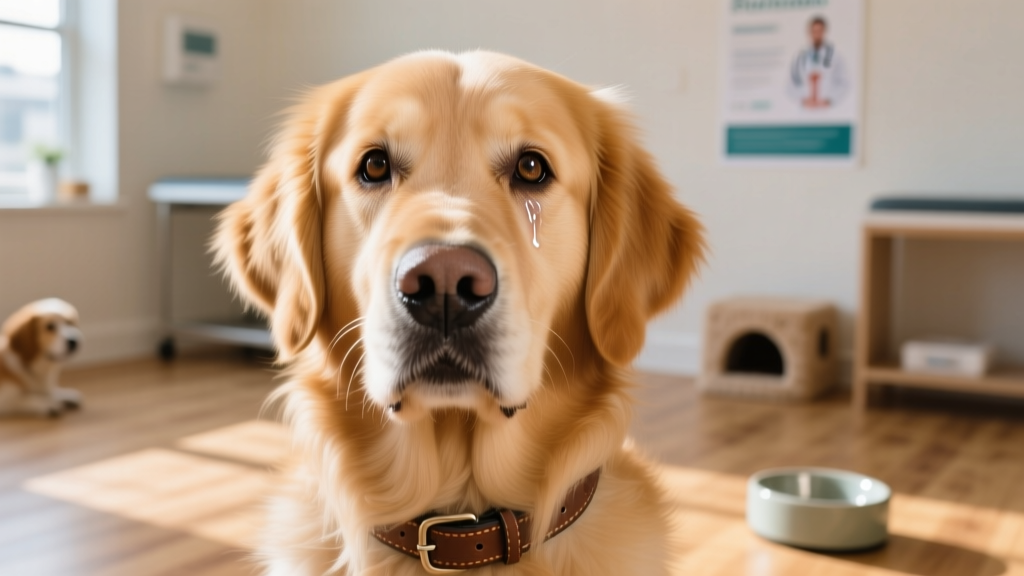
Dog Noise Phobia TreatmentVeterinary Guide for Anxious Dogs
Guide to dog noise phobia treatment covering symptoms, diagnosis, medications, behavioral therapy, costs, and long-term management strategies.

If your dog hides under the bed during thunderstorms, trembles at fireworks, or panics when the doorbell rings, you're likely dealing with noise phobia — one of the most common anxiety disorders in dogs. Noise phobia is an intense, irrational, and persistent fear response to specific sounds that triggers a full fight-or-flight reaction. Unlike normal startle responses, noise phobias cause extreme distress and can worsen over time without intervention. According to veterinary behaviorists, an estimated 40-50% of dogs show some level of noise sensitivity, with roughly 15-20% developing full phobic responses that significantly impact their quality of life.
The good news? Effective dog noise phobia treatment exists — and it typically combines behavioral modification, environmental management, and, when necessary, prescription medication. This guide walks you through everything from early warning signs to long-term management plans.
What Is Noise Phobia in Dogs?
Noise phobia is classified as a specific phobia within the broader category of canine anxiety disorders. It involves an exaggerated, involuntary fear response to sounds that pose no actual threat. The amygdala — the brain's fear center — becomes hyperactive, flooding the dog's body with stress hormones like cortisol and adrenaline.
Common trigger sounds include:
- Thunderstorms (barometric pressure changes may compound the auditory trigger)
- Fireworks and gunshots
- Construction equipment and power tools
- Vacuum cleaners and blenders
- Doorbells and alarms
- Vehicles backfiring or tire screeching
- Smoke detectors and carbon monoxide alarms
Noise phobia differs from noise sensitivity (a milder startle response where the dog recovers quickly) and generalized anxiety (chronic worry not tied to a specific trigger). A dog with true phobia cannot self-soothe during the event, may injure itself trying to escape, and often shows anticipatory anxiety — becoming stressed before the sound even occurs based on environmental cues.
- Breed predisposition: Herding breeds (Border Collies, Australian Shepherds, German Shepherds), sporting breeds (Labrador Retrievers, Golden Retrievers), and some toy breeds (Chihuahuas, Italian Greyhounds) show higher prevalence. A 2019 study in Applied Animal Behaviour Science found herding breeds were 2-3x more likely to develop noise phobias.
- Age: Onset typically between 1-5 years, but severity often increases with age. Senior dogs with hearing loss may paradoxically become MORE reactive to certain frequencies they can still perceive.
- Genetics: Dogs with a parent or littermate showing noise sensitivity are statistically more likely to develop phobias.
- Early environment: Puppies lacking sound exposure during the critical socialization window (3-14 weeks) are at higher risk.
- Traumatic single-event learning: One terrifying experience (firework exploded nearby, trapped in room during storm) can create a lasting phobia.
- Comorbid anxiety: Dogs with separation anxiety are 3x more likely to develop noise phobias, and vice versa.
Recognizing the Symptoms: From Mild Anxiety to Full Phobic Panic
Noise phobia symptoms exist on a spectrum. Recognizing early warning signs allows intervention before the phobia escalates to dangerous levels. Use this checklist to assess your dog's current severity.
| Severity Level | Symptoms | Typical Duration After Sound Stops |
|---|---|---|
| Mild (Noise Sensitivity) | Ears pinned back, mild trembling, alert/watchful posture, lip licking, yawning, brief hiding | 5-15 minutes |
| Moderate (Developing Phobia) | Pacing, panting, drooling, whining, seeking owner contact (clinging), refusing treats/food, dilated pupils, tucked tail | 30-60 minutes |
| Severe (Full Phobia) | Frantic escape attempts (breaking through windows, doors, fences), self-injury, destructive behavior, loss of bladder/bowel control, freezing/catatonia, aggression when restrained, refusal to eat for hours | 2-6+ hours, sometimes next-day residual anxiety |
Anticipatory anxiety signs (appear before the trigger sound): restlessness when sky darkens, pacing when owner opens closet where fireworks are stored, trembling at sounds that merely resemble the trigger (e.g., a pan dropping triggering storm phobia).
How Veterinarians Diagnose Noise Phobia
Noise phobia is primarily diagnosed through behavioral history and clinical observation rather than laboratory tests. However, your veterinarian will rule out medical conditions that can mimic or worsen anxiety symptoms before confirming a behavioral diagnosis.
- Complete behavioral history — Your vet will ask about onset age, specific triggers, symptom progression, household changes, and your current response to the behavior. Consider recording a video of your dog during a noise event to show the vet. Cost: Included in exam fee ($50-$85)
- Physical examination — Checking for pain, ear infections, neurological issues, or thyroid dysfunction that could lower anxiety thresholds. Cost: $50-$85
- Blood work (CBC + chemistry panel + thyroid) — Rules out hypothyroidism (which can cause anxiety-like symptoms), hepatic encephalopathy, and establishes baseline organ function before starting any medication. Cost: $120-$250
- Urinalysis — Baseline kidney function assessment before prescribing medications metabolized renally. Cost: $35-$65
- Referral to veterinary behaviorist (DACVB) — Recommended for severe cases, multi-trigger phobias, or when aggression is involved. Cost: $250-$500 for initial consultation
According to the Merck Veterinary Manual, a definitive diagnosis of noise phobia requires that the fear response is disproportionate to the threat, cannot be voluntarily controlled, and persists across multiple exposures without habituation.
Dog Noise Phobia Treatment Options: What Actually Works
Effective treatment almost always requires a multimodal approach — combining behavioral modification, environmental management, and pharmaceutical support. No single intervention works for every dog, and severe phobias rarely resolve with training alone.
| Treatment Category | Examples | Best For | Estimated Success Rate | Monthly Cost |
|---|---|---|---|---|
| Situational Medications (Event-Day) | Trazodone (3-8 mg/kg), Gabapentin (10-20 mg/kg), Dexmedetomidine gel (Sileo®) | Predictable events (July 4th, known storms) | 60-75% reduction in visible symptoms | $15-$60 per event |
| Daily Maintenance Medications | Fluoxetine (1-2 mg/kg daily), Clomipramine (1-3 mg/kg BID), Sertraline (1-3 mg/kg daily) | Frequent/unpredictable triggers, comorbid anxiety | 50-70% improvement over 8-12 weeks | $30-$90/month |
| Behavioral Modification | Counter-conditioning, systematic desensitization, relaxed-place training | All severity levels (combined with medication for severe cases) | 40-60% significant improvement with consistent practice over 3-6 months | $100-$250/session (certified trainer or behaviorist) |
| Environmental Management | Sound masking (white noise, classical music), safe room setup, Thundershirt, blackout curtains | All dogs as baseline support | 20-35% reduction alone; higher when combined with other treatments | $30-$120 one-time setup |
| Nutraceuticals & Supplements | L-theanine (Anxitane®), Zylkene® (casein derivative), CBD oil (evidence still emerging), Adaptil® (dog-appeasing pheromone) | Mild cases or as adjunct to medication | 15-30% improvement; highly individual | $25-$60/month |
Sileo® (Dexmedetomidine Oromucosal Gel): The First FDA-Approved Treatment
Sileo® was the first medication specifically FDA-approved for canine noise aversion. Applied between the gum and cheek 30-60 minutes before the expected noise event, it reduces the norepinephrine response that drives the fear reaction. Clinical trials showed approximately 70% of dogs had a positive response. It is non-sedating at therapeutic doses, meaning your dog remains aware but emotionally dampened to the trigger. Cost ranges from $35-$55 per syringe (each syringe provides multiple doses based on dog size).
What About Acepromazine?
Many older veterinary resources listed acepromazine ("ace") as a noise phobia treatment. Current veterinary behavioral consensus strongly advises against using acepromazine as a standalone treatment. It is a tranquilizer that causes physical sedation but does NOT reduce anxiety or fear. Your dog may appear calm but is still internally terrified — and may actually become more noise-sensitive because they feel physically trapped and unable to flee. If your vet still recommends ace as a first-line treatment, seek a second opinion from a board-certified veterinary behaviorist.
Behavioral Modification: Counter-Conditioning and Desensitization
The gold standard behavioral protocol for noise phobia is systematic desensitization paired with counter-conditioning (DS/CC). This must be done gradually and correctly — rushing the process can actually worsen the phobia (sensitization).
Step-by-step framework:
- Obtain high-quality recordings of the trigger sound (Thunderstorm CDs or streaming playlists specifically designed for desensitization, such as those from the American Kennel Club's training resources).
- Start at inaudible volume — play the recording so quietly your dog shows zero reaction. This may be volume level 1 out of 100.
- Pair with high-value rewards — while the sound plays at sub-threshold volume, offer rotisserie chicken, cheese, lick mats, or a stuffed Kong. The goal: the dog's brain begins associating the sound with positive outcomes.
- Increase volume incrementally — raise volume by 1-2 levels only when your dog remains relaxed at the current level for 3-5 consecutive sessions. Each session should be 5-15 minutes.
- Generalize to real-world settings — once your dog tolerates moderate volume, practice in different rooms, at different times of day.
Timeline expectations: Real desensitization takes 3-6 months of daily practice for moderate phobias, and 6-12+ months for severe cases. Many owners give up too early. If your dog's threshold is too low to work with recordings (panics even at volume 1), your vet may prescribe a daily SSRI like fluoxetine to raise the threshold enough for behavioral work to begin.
Critical warning: Never force your dog to "face their fears" by playing loud recordings or exposing them to fireworks without medication support. This is called flooding, and veterinary behaviorists universally condemn it. Flooding can cause learned helplessness, worsen the phobia, and trigger redirected aggression.
Prognosis and Long-Term Outlook
Noise phobia is generally considered a manageable but rarely curable condition. Most dogs will always have some degree of sensitivity, but with proper treatment, the majority can achieve a significantly improved quality of life.
| Severity at Diagnosis | Expected Outcome with Full Treatment Protocol | Typical Timeline to Improvement | Long-Term Medication Need |
|---|---|---|---|
| Mild | 70-85% of dogs show substantial improvement; some achieve near-normal responses | 8-16 weeks | Event-day medication only, or supplements alone |
| Moderate | 55-75% achieve good functional improvement; residual mild sensitivity likely | 3-6 months | Daily medication during high-risk seasons (summer storms, holidays); event-day for others |
| Severe | 40-60% achieve meaningful improvement; some dogs remain significantly affected | 6-12 months | Likely lifelong daily SSRI + situational medication for known events |
Life expectancy impact: Noise phobia itself is not directly life-threatening, but severe untreated phobias carry indirect mortality risks. Dogs with severe noise phobia are at elevated risk for escape-related injury (hit by car after breaking through a fence or window), stress-induced cardiomyopathy in predisposed breeds, and owner-directed euthanasia decisions due to property destruction or quality-of-life concerns. Early treatment significantly reduces these risks.
Home Management: Building a Noise Phobia Safety Plan
Every dog with noise phobia needs a written safety plan — especially before predictable high-risk periods like July 4th, New Year's Eve, or thunderstorm season.
Your noise phobia management kit should include:
- Safe room: An interior room (bathroom, walk-in closet, or basement) with no windows or covered windows. Add the dog's bed, water, and long-lasting chews. Sound-proof with blankets, acoustic panels, or heavy curtains.
- Sound masking system: A white noise machine (Marpac Dohm or similar, $40-$65), a fan, and a Bluetooth speaker playing classical music or the "Through a Dog's Ear" bioacoustic playlist designed for canine relaxation.
- Pressure garment: Thundershirt or Anxiety Wrap ($25-$45). These apply gentle, constant pressure that activates the parasympathetic nervous system in some dogs. Effectiveness is individual — roughly 30-40% of dogs show measurable benefit.
- Pre-loaded medications: Have situational medications filled and ready BEFORE the event. Administer 60-90 minutes before the expected trigger (this is critical — once the panic cascade begins, oral medications are far less effective because the dog's GI motility slows under stress).
- Identification backup: Ensure microchip registration is current and your dog wears a secure collar with ID tags. Noise phobia is the #1 cause of July 4th pet escapes reported to shelters nationwide.
Contact your veterinarian or emergency clinic if your dog:
- Injures itself during a noise event (broken teeth from chewing crate bars, lacerations from breaking through glass, torn nails from digging at doors)
- Shows signs of heatstroke during panic episodes (excessive panting that doesn't resolve, bright red gums, collapse)
- Becomes aggressive toward family members during or after the event
- Refuses food or water for more than 24 hours following a phobic episode
- Escapes and is missing — contact local shelters and file a report immediately; also consult your vet about sedation protocols for safe recovery
- Shows sudden-onset noise phobia in adulthood (after age 5) — this warrants a full neurological and thyroid workup to rule out organic brain disease
Cost Breakdown: What to Budget for Noise Phobia Treatment
The total cost of managing canine noise phobia varies widely depending on severity, your geographic location, and whether you work with a general practitioner or a board-certified veterinary behaviorist.
| Expense Category | Mild Case (Annual) | Moderate Case (Annual) | Severe Case (Annual) |
|---|---|---|---|
| Initial diagnostic workup | $150-$250 | $200-$350 | $350-$600 (includes behaviorist referral) |
| Annual blood work (medication monitoring) | $0-$120 | $120-$200 | $200-$350 |
| Medications | $60-$150 (event-day only) | $400-$900 | $600-$1,500+ |
| Behavioral consultation/training | $150-$300 (2-3 sessions) | $500-$1,200 | $1,000-$3,000+ |
| Environmental supplies | $50-$100 | $100-$200 | $150-$300 |
| Annual Total | $410-$920 | $1,320-$2,850 | $2,300-$5,750+ |
Worst-case cost scenario: A severe phobia dog that escapes and is hit by a car can incur $3,000-$15,000+ in emergency orthopedic surgery. This is why prevention and early treatment are financially wise, not just humane.
Insurance note: Many pet insurance policies (Trupanion, Healthy Paws, ASPCA Pet Health Insurance) cover behavioral conditions including noise phobia when diagnosed by a licensed veterinarian — but only if the condition was NOT present before the policy start date. Check your policy's behavioral condition limits, which typically cap at $1,000-$2,500 per year.
Prevention: Building Noise Resilience in Puppies
While not all noise phobias are preventable (genetic predisposition plays a significant role), early intervention dramatically reduces risk.
- Sound socialization (3-14 weeks): Expose puppies to recorded thunder, fireworks, machinery, and household sounds at low volumes while pairing with positive experiences (meals, play, treats). The AKC's Puppy Socialization Checklist includes specific sound exposure milestones.
- Avoid single-event trauma: Never take puppies to fireworks displays or leave them alone during thunderstorms in unfamiliar environments.
- Choose breeders wisely: Reputable breeders screen breeding stock for anxiety-related traits. Ask about the temperament of both parents regarding noise sensitivity.
- Early intervention: If your puppy shows noise sensitivity at 4-6 months, consult a veterinary behaviorist immediately. Early treatment has dramatically better outcomes than waiting until the phobia is fully established.
Frequently Asked Questions
Can noise phobia in dogs be completely cured?
Complete cure — where the dog shows zero response to previously terrifying sounds — is uncommon. However, most dogs can achieve functional improvement where their response drops from severe panic to mild alertness. Dogs with mild phobias diagnosed early have the best prognosis for near-complete resolution. Expect management rather than cure, especially for moderate-to-severe cases.
Is it okay to comfort my dog during a thunderstorm or fireworks?
Yes. The old advice to "ignore your dog so you don't reinforce the fear" has been debunked by veterinary behaviorists. Fear is an involuntary emotional response, not a learned behavior that can be reinforced by attention. Comforting your dog — petting, speaking calmly, allowing them to sit on your lap — can help lower their cortisol levels. However, avoid frantic, anxious energy yourself, as dogs read emotional states through body language and tone.
Which breeds are most prone to noise phobia?
Breeds with the highest documented prevalence include Border Collies, Australian Shepherds, German Shepherds, Shetland Sheepdogs, Pembroke Welsh Corgis, Labrador Retrievers, Golden Retrievers, and Cairn Terriers. However, any breed or mixed breed can develop noise phobia. Herding breeds appear overrepresented, likely due to genetic selection for heightened environmental awareness.
How much does dog noise phobia treatment cost?
Annual costs range from approximately $400-$900 for mild cases to $2,300-$5,750+ for severe cases requiring daily medication, behavioral therapy, and environmental modifications. The initial diagnostic workup typically costs $150-$600 depending on whether a specialist is involved.
What is the life expectancy of a dog with noise phobia?
Noise phobia does not directly reduce lifespan. With proper management, affected dogs live normal lifespans for their breed. However, untreated severe phobia carries indirect risks: escape-related trauma, chronic stress impacts on immune function, and quality-of-life-related euthanasia decisions. Early treatment protects both longevity and welfare.
Are there natural remedies that work for noise phobia?
Some nutraceuticals show modest evidence: L-theanine (found in Anxitane®, 10 mg/kg), casein-derived supplements (Zylkene®), and dog-appeasing pheromone diffusers (Adaptil®). CBD oil is widely marketed but veterinary evidence remains limited and quality control is inconsistent — always choose products with a Certificate of Analysis (COA) from a third-party lab. These work best as adjuncts to a broader treatment plan, not as standalone solutions for moderate-to-severe phobia.
Should I use a shock collar or bark collar to stop my dog from reacting to noises?
Absolutely not. Aversive devices like shock collars, citronella collars, or ultrasonic deterrents worsen anxiety-based behaviors. Your dog is not choosing to panic — they are experiencing an involuntary fear response. Adding pain or discomfort to an already terrifying experience increases fear, can create new phobias (associating pain with the environment or nearby people/pets), and may trigger aggression. The American Veterinary Society of Animal Behavior (AVSAB) explicitly recommends against aversive tools for any anxiety-based condition.
Always consult your veterinarian before starting, stopping, or adjusting any medication for your dog's noise phobia. Every dog's medical history, concurrent conditions, and drug interactions must be evaluated individually. If your dog's phobia is severe or not responding to your current veterinarian's protocol, ask for a referral to a board-certified veterinary behaviorist (DACVB) — you can find one through the American College of Veterinary Behaviorists directory.
Beth Carrasco
All our authors care for dogs every day — read more of their work on the authors page.