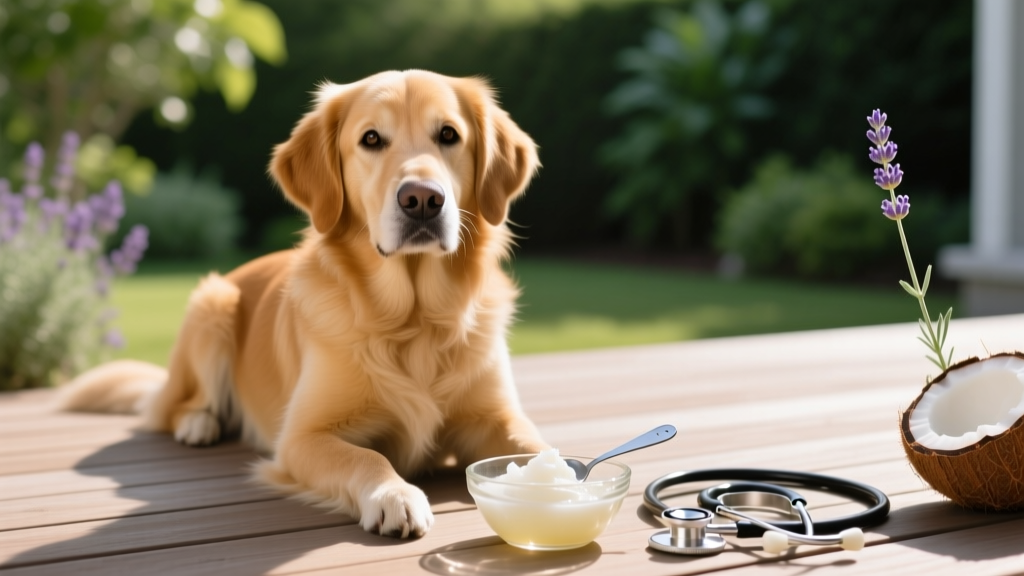
Dog Constipation Treatment
Comprehensive dog constipation treatment guide covering symptoms, vet diagnosis, medical and home remedies, costs, and prevention strategies for lasting relief.

Watching your dog strain unsuccessfully in the yard is stressful — and it's a signal you shouldn't ignore. Constipation in dogs is defined as the infrequent, difficult, or absent passage of feces, typically when a dog hasn't produced a normal bowel movement in 48 to 72 hours. It's one of the most common gastrointestinal complaints seen in general veterinary practice, affecting dogs of all ages and breeds, though older, sedentary, and dehydrated dogs face significantly higher risk. Left untreated, constipation can progress to obstipation (severe, intractable constipation where the colon becomes permanently dilated) or megacolon, a condition where the colon loses its ability to contract entirely.
Fortunately, most cases of dog constipation respond well to early intervention — whether that's a dietary adjustment at home or a veterinary-administered enema. This guide walks you through every stage: recognizing the signs, understanding what your vet will do, exploring treatment options with real cost expectations, and building a prevention plan that works.
What Causes Constipation in Dogs?
Canine constipation rarely has a single cause. More often, it results from a combination of dietary, behavioral, and medical factors. Understanding the root cause is essential because dog constipation treatment varies dramatically depending on what's driving the problem.
Common Causes and Risk Factors
| Category | Specific Risk Factors |
|---|---|
| Dietary | Low-fiber diet, excessive bone consumption, ingestion of foreign material (grass, hair, fabric), inadequate water intake |
| Behavioral | Reluctance to defecate outdoors in bad weather, insufficient exercise, anxiety-related holding |
| Medical | Dehydration, hypothyroidism, kidney disease, anal gland impaction, perineal hernia, spinal cord disease, pelvic fractures, enlarged prostate (intact males) |
| Medication-Related | Opioids (tramadol, codeine), antihistamines, sucralfate, iron supplements, certain antacids |
| Age & Weight | Senior dogs (8+ years), overweight or obese body condition score (BCS 7-9/9) |
| Breed Predisposition | Small breeds prone to anal gland issues (Chihuahuas, Toy Poodles); large/giant breeds with orthopedic pain limiting posturing (German Shepherds, Labradors); brachycephalic breeds with chronic dehydration tendencies (English Bulldogs, Pugs) |
According to the Merck Veterinary Manual, idiopathic constipation — where no underlying cause is identified — accounts for a significant portion of cases. However, a thorough veterinary workup is always recommended before labeling a case as idiopathic, since missing a treatable underlying condition can allow the problem to worsen.
Symptoms of Dog Constipation: Early Warning Signs vs. Advanced Red Flags
Recognizing constipation early gives you the best chance of resolving it with minimal intervention. The symptoms progress in severity, and knowing where your dog falls on this spectrum determines whether you can try home management or need to head straight to the clinic.
| Severity Level | Symptoms | Timeline |
|---|---|---|
| Mild (Early) | • No bowel movement for 48 hours • Slightly dry, hard stools when produced • Mild straining (less than 30 seconds) • Dog still eating and drinking normally • Normal energy levels | Day 1-2 |
| Moderate | • No bowel movement for 48-72 hours • Repeated, unproductive straining • Small, rock-hard fecal balls produced • Decreased appetite • Mild abdominal discomfort when touched • Occasional vomiting (1-2 episodes) | Day 2-4 |
| Severe (Advanced) | • No bowel movement for 72+ hours • Painful vocalization during attempts • Liquid stool leaking around hard impaction (paradoxical diarrhea) • Lethargy and reluctance to move • Repeated vomiting • Distended, painful abdomen • Hunched or "prayer" posture • Complete refusal to eat | Day 3-7+ |
How Veterinarians Diagnose Dog Constipation
When you bring your dog in for constipation, your vet will follow a systematic diagnostic process to determine both the severity and the underlying cause. Here's what to expect during the visit:
- Complete History & Physical Exam ($65–$120 exam fee)
Your vet will ask about diet, water intake, exercise routine, last normal bowel movement, medications, and any recent changes. A physical exam includes abdominal palpation to assess the amount and consistency of fecal material, a rectal exam to check for strictures, masses, anal gland impaction, or perineal hernias, and a neurological assessment of the perineal reflex. - Abdominal Radiographs / X-rays ($180–$400)
Two-view abdominal X-rays are the gold standard for assessing the volume and distribution of fecal material throughout the colon. They also reveal foreign bodies, pelvic narrowing from old fractures, enlarged prostate, or masses compressing the colon. In many cases, X-rays alone are sufficient to guide treatment. - Blood Work — CBC & Chemistry Panel ($120–$250)
Recommended for moderate-to-severe cases, senior dogs, or recurrent constipation. Blood work evaluates hydration status (elevated BUN and total protein suggest dehydration), kidney function, electrolyte imbalances (hypokalemia and hypercalcemia can cause constipation), and thyroid levels in older dogs. - Advanced Imaging — Ultrasound or CT ($350–$800)
Reserved for cases where X-rays are inconclusive, when a mass or stricture is suspected, or for pre-surgical planning. Abdominal ultrasound provides detailed visualization of the colon wall, surrounding lymph nodes, and adjacent organs. - Colonoscopy or Biopsy ($500–$1,500)
Performed under general anesthesia when inflammatory bowel disease, neoplasia, or strictures are suspected. Tissue samples are sent to a veterinary pathologist for histopathology.
For most first-time, mild-to-moderate constipation cases, the total diagnostic cost typically falls between $250 and $550 (exam, X-rays, and possibly basic blood work). Recurrent or severe cases requiring advanced diagnostics can push costs to $800–$2,000+ depending on the complexity.
Dog Constipation Treatment Options: Medical, Surgical, and Supportive Care
Treatment is staged based on severity. What works for mild constipation at home will not resolve a severe fecal impaction, and attempting home remedies on an advanced case can delay critical veterinary care.
| Treatment | Used For | How It Works | Typical Cost | Success Rate |
|---|---|---|---|---|
| Dietary Fiber Supplementation | Mild, early-stage | Adds bulk and moisture to stool; canned pumpkin (plain, not pie filling), psyllium husk, or prescription high-fiber diets (e.g., Royal Canin Gastrointestinal Fiber Response, Hill's Prescription Diet w/d) | $5–$45/month | High for mild cases; 70-80% resolve within 48 hours with adequate hydration |
| Increased Hydration | Mild to moderate | Switching to canned/wet food, adding water or low-sodium bone broth to meals, pet water fountains to encourage drinking | $15–$40 for fountain; $2–$4/can for wet food | Effective as adjunct; alone may not resolve moderate cases |
| Osmotic Laxatives (Lactulose) | Moderate | Draws water into the colon to soften stool. Typical dose: 0.5–1.0 mL/kg orally every 8–12 hours (prescription required; your vet will determine exact dosing) | $15–$35 per bottle | 75-85% effective for moderate constipation within 24-48 hours |
| Stimulant Laxatives (Bisacodyl) | Moderate (short-term) | Stimulates colonic motility. Used for short periods only — prolonged use can damage the colon's nerve plexus | $10–$20 | Effective short-term; not for chronic use |
| Prokinetic Agents (Cisapride, Prucalopride) | Chronic/recurrent, megacolon | Enhances colonic smooth muscle contraction. Cisapride is compounded for veterinary use; prucalopride (Resotran) is used off-label. Your vet will determine appropriate dosing | $30–$80/month (compounded) | 60-75% response in chronic cases; often combined with lactulose and fiber |
| Veterinary Enema | Moderate to severe | Warm water, lactulose, or docusate-based enema administered in-clinic. May require sedation. Multiple sessions sometimes needed | $75–$250 per session | 85-95% immediate relief; may need repeat in 24-48 hours for severe impactions |
| Manual Deobstipation (under anesthesia) | Severe impaction | Digital removal of hardened fecal mass under general anesthesia, often combined with enema. Requires IV fluids and overnight monitoring in many cases | $500–$1,500 | 90%+ immediate resolution; recovery depends on underlying cause |
| Subtotal Colectomy (Surgery) | Refractory megacolon | Surgical removal of most of the colon. Reserved for end-stage cases unresponsive to medical management. Requires specialized surgeon | $3,000–$7,000 | 80-90% good-to-excellent long-term outcome; most cats (and dogs) have soft stools but maintain continence |
Home Care and Daily Management for Constipated Dogs
Whether your dog is recovering from a veterinary treatment or you're managing a mild episode at home, consistent daily management is what prevents recurrence. Here's a practical protocol:
Dietary Adjustments
- Canned pumpkin (100% pure pumpkin, not pie filling): Add 1–4 tablespoons per meal depending on dog size. Small dogs (under 20 lb / 9 kg): 1 tsp–1 Tbsp. Medium dogs (20–50 lb / 9–23 kg): 1–2 Tbsp. Large dogs (50+ lb / 23+ kg): 2–4 Tbsp. Pumpkin provides soluble fiber that draws moisture into stool.
- Psyllium husk (unflavored Metamucil or generic): ½ tsp per 10 lb (4.5 kg) body weight, mixed into wet food with extra water. Start at half the dose and increase gradually over 3–5 days to avoid gas and bloating.
- Transition to a high-moisture diet: If your dog eats kibble exclusively, consider adding warm water (¼ to ½ cup per cup of kibble) and letting it soak for 10 minutes before serving, or transition partially to canned food. Dogs eating exclusively wet food consume roughly double the water of kibble-only dogs.
Hydration Strategies
- Ensure fresh water is available in multiple locations throughout the home.
- A pet water fountain (such as the Catit Flower Fountain or PetSafe Drinkwell) can increase water intake by 20–30% in dogs who prefer moving water.
- Add low-sodium chicken or beef bone broth (onion- and garlic-free — both are toxic to dogs) to meals.
Exercise and Routine
- Minimum 30 minutes of moderate exercise daily (brisk walks, play sessions). Physical activity stimulates colonic motility.
- Establish consistent feeding and walking times. Most dogs defecate 20–30 minutes after eating — schedule walks accordingly.
- For senior dogs with arthritis or hip dysplasia, ensure they have a non-slip surface to posture comfortably. Pain during squatting can cause dogs to hold their stool.
🚨 When to Call the Vet Immediately
Stop home treatment and contact your veterinarian or an emergency clinic if your dog shows any of the following:
- No bowel movement for 72 hours or more
- Repeated vomiting (more than 2 episodes in 24 hours)
- Blood in stool or on fur around the anus (more than a tiny streak)
- Visible pain — whining, trembling, or snapping when abdomen is touched
- Lethargy or collapse
- Distended, firm abdomen
- Straining with no output for more than 10 minutes at a time
- Known ingestion of a foreign object (bones, toys, rocks, fabric)
- Paradoxical diarrhea (liquid stool leaking around impaction)
- Your dog is a puppy under 6 months old — puppies dehydrate rapidly
If you suspect your dog has ingested something toxic, contact ASPCA Animal Poison Control at (888) 426-4435 (24/7, consultation fee applies).
Prognosis and Long-Term Outlook
The prognosis for dog constipation depends heavily on the underlying cause, how quickly treatment begins, and whether the condition has progressed to structural colon damage.
| Stage | Description | Prognosis | Long-Term Management |
|---|---|---|---|
| Mild / Acute | First episode, 48-72 hours duration, no underlying disease | Excellent. Most dogs resolve fully within 24-48 hours of treatment. No long-term effects expected. | Preventive diet and exercise adjustments; monitor for recurrence |
| Moderate / Recurrent | Multiple episodes over weeks-months, may have identifiable risk factor (e.g., chronic dehydration, medication side effect) | Good with management. Requires ongoing dietary modification and possibly long-term laxative therapy. Colon function typically preserved. | Daily fiber supplementation, scheduled exercise, periodic vet checkups, possible chronic lactulose |
| Severe / Obstipation | Chronic impaction, colon partially dilated, repeated deobstipation procedures needed | Guarded to fair. Colon may have sustained some irreversible stretch damage. Medical management possible but more challenging. | Combination therapy (prokinetics + osmotic laxatives + high-fiber diet), regular vet monitoring every 3-6 months |
| Megacolon (End-Stage) | Colon has lost contractile function, unresponsive to medical therapy | Fair with surgery. Subtotal colectomy offers 80-90% good-to-excellent outcomes. Without surgery, quality of life declines significantly. | Post-surgery: soft stools are normal but most dogs maintain continence. Adaptation period of 4-8 weeks. |
Life expectancy for dogs with constipation is generally normal when the condition is caught and managed appropriately. Dogs that undergo subtotal colectomy for megacolon typically go on to live full lives, though they require a period of dietary adjustment post-surgery. The greatest risk to longevity comes from untreated, severe cases where complications such as colon perforation, sepsis, or severe electrolyte imbalances develop — these are rare but life-threatening emergencies.
Cost Breakdown: What to Budget for Dog Constipation Treatment
Costs vary significantly by region, clinic type (general practice vs. emergency/specialty), and case complexity. Here's a realistic breakdown based on 2026 veterinary pricing:
| Service | General Practice | Emergency / Specialty |
|---|---|---|
| Office Exam | $65–$120 | $150–$250 |
| Abdominal X-rays (2 views) | $180–$400 | $300–$600 |
| Blood Work (CBC + Chemistry) | $120–$250 | $180–$350 |
| Veterinary Enema | $75–$250 | $150–$400 |
| Manual Deobstipation (under anesthesia) | $500–$1,500 | $800–$2,500 |
| Subtotal Colectomy Surgery | $3,000–$5,000 | $5,000–$7,000+ |
| Prescription Laxatives (monthly) | $15–$80/month depending on drug and dog size | |
| Typical Total: Mild Case | $250–$550 | |
| Typical Total: Moderate Case | $500–$1,200 | |
| Typical Total: Severe / Surgical Case | $1,500–$7,000+ | |
Pet insurance can offset significant costs if you have coverage before the condition develops. Most comprehensive plans (such as Trupanion, Healthy Paws, or Nationwide) cover diagnostic workups, enemas, and surgery for constipation — though chronic/recurrent cases may eventually hit annual or per-condition payout limits depending on your policy.
Prevention: Keeping Your Dog Regular
Prevention is far cheaper and less stressful than treatment. These strategies are especially important for dogs with a history of constipation or those in high-risk categories:
- Maintain adequate hydration: A dog should drink approximately 1 ounce (30 mL) of water per pound of body weight daily. A 50 lb (23 kg) dog needs roughly 50 oz (1.5 liters) per day. Monitor intake and flag significant decreases.
- Feed a balanced diet with appropriate fiber: Most commercial diets meeting AAFCO nutritional standards provide adequate fiber (typically 2–5% crude fiber). Dogs prone to constipation may benefit from diets at the higher end of this range or supplemented with canned pumpkin.
- Limit bone consumption: Cooked bones splinter and are a leading cause of severe fecal impaction. If you feed raw bones as part of a raw diet, supervise closely and ensure they are appropriately sized for your dog.
- Regular exercise: At least 30–60 minutes of daily activity for most breeds. Even short, frequent walks help stimulate gut motility in senior or mobility-limited dogs.
- Manage underlying conditions: Keep hypothyroidism, kidney disease, and arthritis well-controlled with regular veterinary monitoring. Unmanaged comorbidities are a leading driver of recurrent constipation.
- Review medications with your vet: If your dog is on opioids (tramadol for pain), antihistamines, or sucralfate, ask your vet about a concurrent bowel management plan. Many vets now prescribe a stool softener alongside tramadol for this reason.
- Regular grooming: Long-haired breeds prone to perianal matting (matted fur around the anus physically blocking defecation) should have sanitary trims every 4–6 weeks. This is a surprisingly common and easily preventable cause of constipation in breeds like Shih Tzus, Maltese, and Old English Sheepdogs.
Frequently Asked Questions
Can I give my dog Miralax (polyethylene glycol 3350) for constipation?
Miralax is sometimes used in veterinary practice as an osmotic laxative for dogs. However, the appropriate dose depends on your dog's weight, hydration status, and the severity of constipation. Typical veterinary dosing ranges from ¼ tsp to 2 tsp per day mixed into food, but you should always consult your veterinarian before administering any over-the-counter laxative to ensure it's safe for your specific dog and that there isn't an obstruction that laxatives could worsen.
Is constipation in dogs ever an emergency?
Yes. Constipation becomes an emergency when it's accompanied by vomiting, severe abdominal pain, lethargy, or when it has persisted beyond 72 hours. A complete intestinal obstruction (from a foreign body, tumor, or severe impaction) can lead to colon perforation, sepsis, and death if untreated. If your dog is in distress, seek emergency veterinary care immediately.
My dog is straining but producing liquid stool — is that constipation or diarrhea?
This is likely paradoxical diarrhea caused by constipation. Liquid stool seeps around a hardened fecal mass in the colon. The key differentiator: a dog with true diarrhea typically doesn't strain repeatedly or show signs of pain during defecation. If your dog is straining and producing only liquid, treat it as constipation and contact your vet rather than administering anti-diarrheal medication.
How long can a dog safely go without pooping?
Most healthy dogs defecate 1–3 times per day. A single missed bowel movement (24 hours) isn't necessarily alarming if the dog is otherwise acting normally, eating, and drinking. However, 48 hours without a bowel movement warrants closer monitoring and possibly a call to your vet for advice. Beyond 72 hours is the threshold where veterinary evaluation is strongly recommended, even if the dog seems otherwise fine.
Which breeds are most prone to constipation?
While any dog can develop constipation, certain breeds face elevated risk. Small breeds like Chihuahuas, Toy Poodles, and Yorkshire Terriers are prone to anal gland issues that make defecation painful. Brachycephalic breeds (English Bulldogs, Pugs, Boston Terriers) often have chronic low-grade dehydration. Large breeds with hip dysplasia or arthritis (German Shepherds, Labrador Retrievers, Golden Retrievers) may avoid posturing due to pain. Senior dogs of all breeds are at increased risk due to decreased mobility, slower gut transit time, and medication side effects.
Can certain foods cause constipation in dogs?
Yes. Common dietary culprits include cooked bones (which splinter and form concrete-like masses in the colon), excessive amounts of rice without adequate fiber or moisture, large quantities of cheese or other high-fat dairy, and ingestion of non-food items like grass clippings, hair, or fabric. If your dog eats a predominantly homemade diet without proper nutritional formulation, inadequate fiber content is a frequent cause. Consult a veterinary nutritionist to ensure homemade diets meet AAFCO guidelines for complete and balanced nutrition.
Does spaying or neutering affect constipation risk?
Indirectly, yes. Intact male dogs with benign prostatic hyperplasia (BPH) — an enlarged prostate — can develop constipation because the enlarged prostate compresses the colon and narrows the pelvic canal. Neutering typically resolves BPH within 4–8 weeks. Neutered/spayed dogs may have a slightly higher tendency toward weight gain, and obesity is an independent risk factor for constipation, so maintaining an ideal body condition score (BCS 4-5/9) is important regardless of reproductive status.
This article is intended for educational purposes and does not replace professional veterinary advice. Always consult your veterinarian for diagnosis and treatment of your dog's health conditions. Information referenced from the Merck Veterinary Manual and the American Veterinary Medical Association (AVMA).
Marcus Aldridge
All our authors care for dogs every day — read more of their work on the authors page.