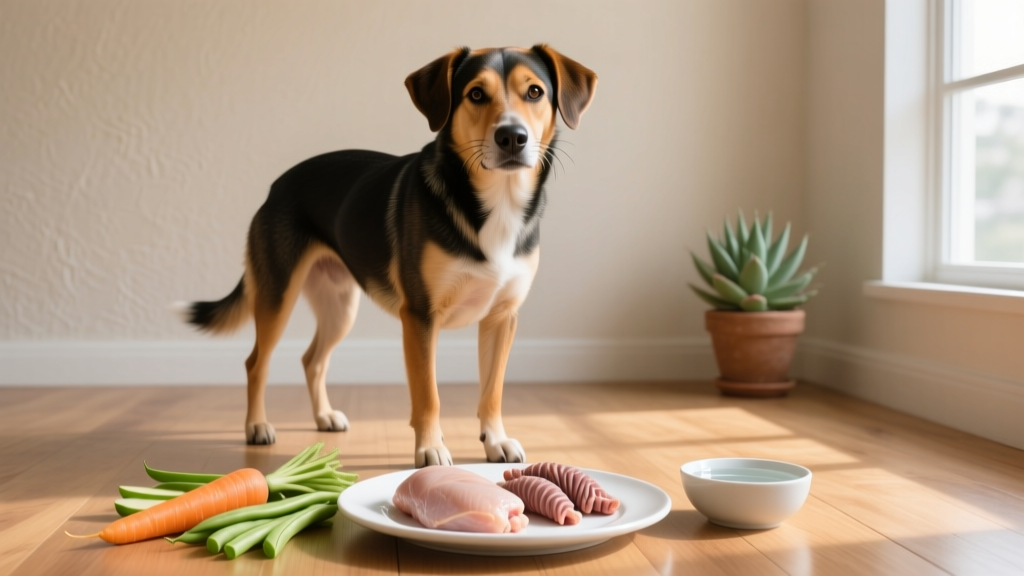
Do Dogs Have Skin Tags? What Those Bumps Really Mean for Diet & Health
Do dogs have skin tags? Yes — learn what causes canine skin tags, when they signal health issues, and how nutrition (including safe human foods) supports skin health.

Do Dogs Have Skin Tags? The Short Answer
If you've noticed small, fleshy growths dangling from your dog's skin and wondered, "do dogs have skin tags?" — the answer is a definitive YES. Dogs absolutely develop skin tags (technically called acrochordons or fibrovascular papillomas), and they're surprisingly common, especially in middle-aged and senior dogs. These benign growths are made of loose connective tissue, blood vessels, and a thin layer of skin.
But here's where things get interesting for dog owners who care about nutrition: what you feed your dog can influence skin health, inflammation, and even the development of growths over time. While no single food causes or prevents skin tags, a diet rich in antioxidants, omega-3 fatty acids, and specific vitamins supports the integumentary system and may reduce inflammatory triggers that contribute to skin abnormalities.
This guide covers what skin tags are, when to worry, and — critically — which safe human foods you can add to your dog's bowl to support lifelong skin health. We'll give you exact serving sizes, preparation steps, and the nutritional science behind each recommendation.
Dogs commonly develop skin tags. They are usually harmless, but sudden appearance of multiple growths warrants a veterinary check. Nutritionally, adding antioxidant-rich, anti-inflammatory human foods to your dog's diet supports skin integrity and overall health.
What Causes Skin Tags in Dogs?
Skin tags in dogs arise from several factors, and understanding the cause helps you know when to act versus when to simply monitor:
| Cause | Details | Action Level |
|---|---|---|
| Genetics/Breed Predisposition | Cocker Spaniels, Bulldogs, and other breeds with skin folds are more prone. FCI and AKC breed standards note skin fold prevalence. | Monitor |
| Friction/Irritation | Collars, harnesses, and skin-on-skin rubbing in folds stimulate tissue overgrowth over months to years. | Adjust gear; monitor |
| Aging | Most common in dogs 6+ years. Cellular changes in connective tissue lead to papilloma formation. | Routine vet checks |
| Hormonal/Metabolic Changes | Hypothyroidism and Cushing's disease (hyperadrenocorticism) can trigger skin growths. See Merck Veterinary Manual. | Vet visit required |
| Chronic Inflammation | Poor diet, allergies, and environmental irritants create low-grade inflammation that may promote growths. | Dietary intervention |
Key distinction: True skin tags are soft, movable, flesh-colored, and attached by a narrow stalk. If a growth is firm, dark, rapidly growing, ulcerated, or firmly attached to underlying tissue, it could be a mast cell tumor, melanoma, or histiocytoma — and needs immediate veterinary evaluation.
Safe Human Foods That Support Canine Skin Health
While you can't "cure" skin tags with food, adding these vet-approved human foods to your dog's diet delivers targeted nutrients that strengthen skin barriers, reduce inflammation, and support cellular health.
1. Wild-Caught Salmon (Cooked)
Why it works: Salmon delivers EPA and DHA omega-3 fatty acids at approximately 1.5–2.0 grams per 100g serving. These fatty acids inhibit pro-inflammatory cytokines and support ceramide production in the skin barrier. A 2021 study in the Journal of Veterinary Internal Medicine found that dogs supplemented with omega-3s showed measurable improvement in skin hydration scores within 8 weeks.
- Cook thoroughly — bake at 375°F (190°C) for 12–15 minutes until flaky. Never feed raw salmon due to Neorickettsia helminthoeca (salmon poisoning disease), which is fatal without treatment.
- Remove ALL bones — salmon bones splinter and pose choking/perforation risks.
- No seasoning, butter, oil, garlic, or lemon.
- Skin is safe in small amounts but high in fat — remove for dogs prone to pancreatitis.
2. Blueberries
Why it works: Blueberries contain anthocyanins (approximately 163 mg per 100g) and vitamin C (9.7 mg per 100g per USDA FoodData Central). These antioxidants neutralize free radicals that damage skin cells and contribute to abnormal growths over time.
3. Sweet Potato (Cooked, Plain)
Why it works: Rich in beta-carotene (which dogs convert to vitamin A), sweet potato delivers approximately 14,187 IU of vitamin A per 100g cooked. Vitamin A regulates keratinocyte differentiation — critical for healthy skin turnover and repair.
4. Sardines (Canned in Water, No Salt Added)
Why it works: A single sardine provides approximately 150 mg of EPA and 120 mg of DHA, plus coenzyme Q10 (approximately 6.4 mcg per fish), which supports mitochondrial function in skin cells. Lower on the food chain than salmon, sardines accumulate fewer heavy metals.
5. Plain Pumpkin Purée (Not Pie Filling)
Why it works: Delivers vitamin A (7,384 IU per 100g), vitamin E (1.1 mg per 100g), and soluble fiber that supports gut health — which emerging research links to skin health via the gut-skin axis in canines.
Exact Serving Sizes by Dog Weight
These portions are designed as toppers or treats added to a complete and balanced commercial diet. Treats and supplemental foods should not exceed 10% of daily caloric intake. The following table gives specific portions per food, per serving, assuming 1–2 servings per day maximum:
| Food | Small Dogs (10–25 lb / 4.5–11 kg) |
Medium Dogs (26–50 lb / 12–23 kg) |
Large Dogs (51–90 lb / 23–41 kg) |
Giant Dogs (90+ lb / 41+ kg) |
|---|---|---|---|---|
| Salmon (cooked, flaked) | 1 tablespoon (15g) | 2 tablespoons (30g) | ¼ cup (50g) | ⅓ cup (65g) |
| Blueberries (fresh or thawed) | 2–3 berries | 5–6 berries | 8–10 berries | 12–15 berries |
| Sweet potato (cooked, mashed) | 1 teaspoon (5g) | 1 tablespoon (15g) | 2 tablespoons (30g) | 3 tablespoons (45g) |
| Sardines (canned, water-packed) | ½ sardine | 1 sardine | 2 sardines | 2–3 sardines |
| Pumpkin purée (plain) | 1 teaspoon (5g) | 1 tablespoon (15g) | 2 tablespoons (30g) | 3 tablespoons (45g) |
Caloric note: These portions range from approximately 5–60 calories per serving depending on the food and portion. Factor this into your dog's daily caloric budget. A 30 lb (14 kg) moderately active dog needs roughly 600–700 calories/day.
Nutritional Benefits Breakdown
| Food | Key Skin-Supporting Nutrients | Skin Benefit Mechanism |
|---|---|---|
| Salmon | EPA/DHA (omega-3), vitamin D (526 IU/100g), selenium (36 mcg/100g) | Reduces inflammatory mediators; supports cell membrane integrity |
| Blueberries | Anthocyanins, vitamin C (9.7 mg/100g), vitamin K (19.3 mcg/100g) | Antioxidant protection against UV and environmental damage |
| Sweet Potato | Beta-carotene/vitamin A, vitamin C, manganese (0.27 mg/100g) | Regulates skin cell turnover; supports wound healing |
| Sardines | EPA/DHA, CoQ10, vitamin B12 (8.9 mcg/100g), calcium | Mitochondrial support for skin cells; anti-inflammatory |
| Pumpkin | Vitamin A, vitamin E (1.1 mg/100g), zinc (0.23 mg/100g), fiber | Skin barrier support; gut-skin axis modulation |
Potential Risks and Side Effects
Even safe foods carry risks if introduced improperly or fed in excessive amounts. Here's what to watch for:
- Digestive upset: Sudden introduction of rich foods like salmon or sardines can cause loose stools, gas, or vomiting. This is the #1 side effect when owners skip the gradual introduction phase.
- Pancreatitis risk: Fatty fish (salmon, sardines) can trigger pancreatitis in predisposed breeds (Miniature Schnauzers, Yorkshire Terriers, Cocker Spaniels). If your dog has a history of pancreatitis, consult your veterinarian before adding fish to their diet.
- Allergic reactions: Though uncommon, some dogs are allergic to fish proteins. Signs include facial swelling, hives, excessive itching, or vomiting within 1–2 hours of feeding.
- Choking hazards: Blueberries can be a choking risk for very small dogs (under 10 lb / 4.5 kg). Mash or halve them. Never feed whole blueberries to toy breeds without supervision.
- Heavy metal accumulation: Feeding fish daily over months can lead to mercury buildup. Limit fish-based foods to 2–3 times per week maximum.
- Caloric excess: Adding food toppers without reducing kibble portions leads to weight gain. Obesity is itself a risk factor for skin fold irritation and secondary growths.
- Facial swelling, hives, or difficulty breathing after eating any new food (anaphylaxis — emergency)
- Persistent vomiting or diarrhea lasting more than 24 hours after introducing a new food
- A skin tag that changes color, bleeds, grows rapidly, or becomes painful to touch
- Multiple new skin tags appearing suddenly (could indicate metabolic disease)
- Signs of pancreatitis: hunched posture, abdominal pain, repeated vomiting, lethargy
ASPCA Animal Poison Control: (888) 426-4435 (24/7, consultation fee applies) — call if your dog ingests any food you suspect is toxic.
Foods to Avoid That Seem Similar
When exploring skin-healthy foods for your dog, some items that humans consider healthy are actually dangerous for canines:
| Food | Why It's Dangerous | Safe Alternative |
|---|---|---|
| Raw salmon or trout | Carries Neorickettsia helminthoeca parasite — causes salmon poisoning disease, fatal within 2 weeks without treatment | Fully cooked salmon (145°F / 63°C internal temp) |
| Grapes and raisins | Cause acute kidney failure in dogs — tartaric acid identified as likely toxin (2021 ASPCA research) | Blueberries, sliced apples (no seeds) |
| Seasoned or smoked fish | High sodium, garlic/onion powder (toxic), smoke preservatives | Plain baked or steamed fish |
| Candied sweet potato / sweet potato fries | Added sugars, frying oils, salt — contribute to obesity and GI upset | Plain baked or steamed sweet potato |
| Pumpkin pie filling | Contains xylitol (toxic sweetener), nutmeg (toxic in quantity), sugar, and spices | 100% pure pumpkin purée (check label: only ingredient should be pumpkin) |
| Avocado | Contains persin — can cause vomiting and diarrhea; pit is a choking/obstruction hazard | Blueberries or banana slices (small amounts) |
How to Introduce New Skin-Healthy Foods Safely
Follow this structured introduction protocol to minimize digestive upset and identify any sensitivities:
- Day 1–2: Feed 25% of the recommended serving size. For a 30 lb dog, that means roughly ½ tablespoon of salmon or 1–2 blueberries. Offer it as a standalone treat, not mixed into food, so you can observe reactions clearly.
- Day 3–4: If no adverse signs (vomiting, diarrhea, itching, lethargy), increase to 50% of the recommended serving. You can now mix it into their regular meal.
- Day 5–7: Increase to the full recommended serving if tolerance is confirmed. Continue monitoring stool quality — it should remain formed and consistent.
- Ongoing: Rotate between 2–3 different skin-healthy foods rather than feeding the same one daily. This prevents nutrient imbalances and reduces heavy metal risk from fish.
Record-keeping tip: Keep a simple food journal (even notes on your phone) tracking what you fed, the amount, and any observations for the first 2 weeks. This becomes invaluable if your dog develops symptoms and your vet needs a dietary history.
Who Should NOT Eat These Foods
Some dogs should avoid or strictly limit these supplemental foods:
- Puppies under 12 weeks: Immature digestive systems handle new foods poorly. Stick to a complete puppy diet approved by your veterinarian. Introduce supplemental foods only after 16 weeks, and one at a time.
- Dogs with pancreatitis: Salmon, sardines, and other fatty fish can trigger flare-ups. Consult your vet — they may recommend a low-fat prescription diet with no supplemental fish.
- Dogs with kidney disease: High-protein additions like fish can increase phosphorus and nitrogen load on compromised kidneys. Your vet will set specific protein limits.
- Dogs with known fish allergies: Though fish allergies represent only about 2–5% of canine food allergies (per ASPCA data), they do occur. If your dog has reacted to fish-based kibble, avoid supplemental fish entirely.
- Diabetic dogs: Sweet potato and pumpkin contain natural sugars that can affect blood glucose. Discuss portions with your veterinarian before adding them.
- Senior dogs on multiple medications: Omega-3 fatty acids can have mild blood-thinning effects. If your dog is on NSAIDs (like carprofen or meloxicam) or anticoagulants, consult your vet about fish oil interactions.
Frequently Asked Questions
Can dogs eat salmon skin?
In small amounts, cooked salmon skin is safe for most dogs. However, it's very high in fat — approximately 3x the fat content of the flesh. For dogs prone to pancreatitis or obesity, remove the skin before serving. Always ensure the skin is fully cooked; never feed raw salmon skin.
How much blueberries can I give my dog daily?
Follow the serving table above: 2–3 berries for small dogs, up to 12–15 for giant breeds. Blueberries are low in calories (about 57 cal per 100g) but contain natural sugars and fiber. Overfeeding can cause loose stools. Daily feeding is safe within these portions.
Are skin tags on dogs ever dangerous?
Most skin tags are benign, but you should have any new growth evaluated by a veterinarian. Growths that are darkly pigmented, firm, rapidly growing, bleeding, or located in the mouth or on the eyelids require prompt assessment. Your vet may perform a fine-needle aspirate (FNA) — typically $50–$150 — or a biopsy ($200–$500 including lab fees) to confirm the diagnosis.
Can I put vitamin E oil on my dog's skin tags?
Topical vitamin E oil is generally safe for canine skin but won't remove or shrink skin tags. If a tag is irritated, keeping the area clean and dry is more effective. Don't attempt to tie off, cut, or freeze skin tags at home — this can cause infection, pain, and bleeding. Surgical removal by a vet typically costs $150–$400 per tag depending on location and anesthesia needs.
Is sweet potato safe for dogs with sensitive stomachs?
Yes — plain, cooked sweet potato is one of the most digestible carbohydrate sources for dogs and is commonly used in limited-ingredient and veterinary gastrointestinal diets. Start with 1 teaspoon for small dogs and monitor for 48 hours. The soluble fiber can actually help firm loose stools in many dogs.
What happens if my dog eats too much of these foods?
Overeating fish can cause acute pancreatitis (symptoms within 12–24 hours: vomiting, abdominal pain, lethargy — this is an emergency). Too many blueberries or pumpkin can cause osmotic diarrhea due to excess fiber and sugar. If your dog raids the pantry and eats a large quantity of any supplemental food, monitor closely for 24 hours and call your vet if vomiting, diarrhea, or behavioral changes occur.
This article is for educational purposes and does not replace professional veterinary advice. Always consult your veterinarian before making significant dietary changes, especially for dogs with existing health conditions. Nutritional data sourced from USDA FoodData Central and veterinary references.
Dr. Hannah Wickes
All our authors care for dogs every day — read more of their work on the authors page.