Can Dogs Eat Chicken Gizzards? Safety, Serving Sizes & Benefits
Can dogs eat chicken gizzards? Yes — learn safe serving sizes by weight, preparation tips, nutritional benefits, and when to call your vet.
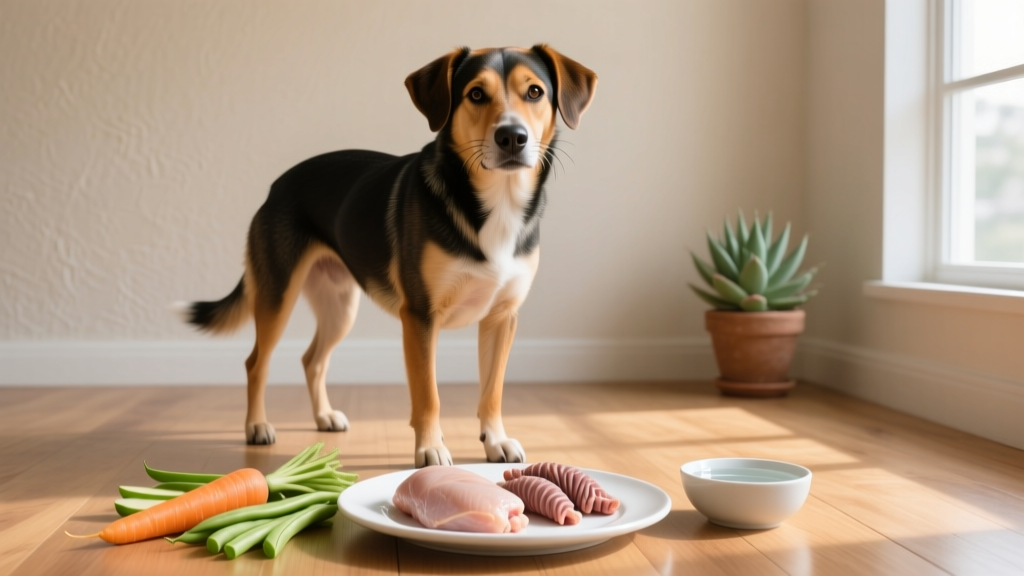
Can Dogs Eat Chicken Gizzards? The Short Answer
Chicken gizzards are safe and nutritious for most dogs when cooked plainly and served in appropriate portions. They are a muscle meat organ rich in protein, iron, zinc, and B vitamins. However, they should never be seasoned, fried, or served raw without careful sourcing. Treat gizzards as a supplement or topper — not a meal replacement — making up no more than 10% of your dog's daily caloric intake.
If you've ever stood in the meat aisle wondering whether those inexpensive chicken gizzards could double as a high-value treat or food topper for your dog, you're not alone. Gizzards are one of the most nutrient-dense organ meats available, and they've been a staple in raw-feeding and homemade-diet communities for years. According to the American Kennel Club, organ meats like gizzards can provide concentrated nutrition that muscle meat alone cannot deliver.
That said, preparation matters enormously. A gizzard sautéed in garlic butter is dangerous; a gizzard simmered in plain water is a wholesome snack. This guide breaks down exactly how much to feed, how to cook them, and which dogs should skip them entirely.
Nutritional Benefits of Chicken Gizzards for Dogs
Chicken gizzards are a powerhouse of nutrition. They're classified as a muscular organ (not a secreting organ like liver), which means they carry a different nutrient profile — lower in vitamin A toxicity risk but rich in structural proteins, minerals, and B-complex vitamins. Here's what a 100-gram serving of cooked chicken gizzards delivers, based on USDA FoodData Central values:
| Nutrient | Amount | Benefit for Dogs |
|---|---|---|
| Calories | 154 kcal | Energy-dense treat |
| Protein | 30.4 g | Muscle maintenance, tissue repair |
| Fat | 3.7 g | Relatively low-fat organ meat |
| Iron | 4.6 mg | Oxygen transport, energy metabolism |
| Zinc | 5.3 mg | Immune function, skin/coat health |
| Vitamin B12 | 3.5 µg | Nervous system, red blood cell formation |
| Niacin (B3) | 7.1 mg | Enzyme function, energy conversion |
| Phosphorus | 215 mg | Bone health (balance with calcium) |
| Selenium | 36.8 µg | Antioxidant, thyroid support |
| Glucosamine (natural) | Trace amounts | Joint cartilage support |
The standout nutrients here are iron and zinc — both present in highly bioavailable heme forms that dogs absorb far more efficiently than plant-based alternatives. The natural glucosamine content, while modest, makes gizzards a smart addition for dogs with early-stage joint wear, especially when combined with a balanced diet.
Safe Serving Sizes by Dog Weight
Portion control is where most owners go wrong. Gizzards are calorie-dense, and overfeeding organ meats can lead to gastrointestinal upset, phosphorus overload, or unwanted weight gain. The 10% treat rule (treats and supplements should not exceed 10% of daily calories) is your baseline.
| Dog Weight Class | Weight Range | Serving Size (Cooked) | Frequency |
|---|---|---|---|
| Toy/Small | Under 15 lb / 7 kg | ½ to 1 small gizzard (approx. 5–10 g), finely chopped | 2–3 times per week |
| Medium | 15–50 lb / 7–23 kg | 1–2 gizzards (approx. 15–30 g), sliced | 2–3 times per week |
| Large | 50–90 lb / 23–41 kg | 2–3 gizzards (approx. 30–45 g), quartered | 2–3 times per week |
| Giant | Over 90 lb / 41 kg | 3–4 gizzards (approx. 45–60 g), halved or whole | 2–3 times per week |
Caloric context: A typical 30 lb (14 kg) adult dog needs roughly 700–900 calories per day depending on activity level. Two cooked gizzards (~30 g) deliver about 46 calories — roughly 5–6% of daily intake, leaving room for other treats and training rewards.
How to Prepare Chicken Gizzards for Your Dog
Step-by-Step Preparation Guide
- Source responsibly: Purchase gizzards from a reputable butcher or grocery store. Look for packages labeled "air-chilled" or "no antibiotics" when possible. Fresh gizzards should be pinkish-red with no off-odor. Frozen gizzards are equally nutritious and often more economical ($2–$4 per pound at most retailers).
- Rinse and trim: Rinse under cold water. Trim any visible yellow lining (the koilin layer) if still attached — it's tough and indigestible. Remove excess fat.
- Cook thoroughly: Simmer in plain, unsalted water for 15–20 minutes until firm and cooked through (internal temperature of 165°F / 74°C). Alternatively, bake at 350°F (175°C) for 20–25 minutes on an ungreased sheet. Never use oil, butter, garlic, onion, salt, or any seasoning.
- Cool completely: Let gizzards cool to room temperature before serving. Hot food can burn your dog's mouth and esophagus.
- Cut to appropriate size: Chop, slice, or quarter based on your dog's size (see table above). For small dogs, mince finely to prevent choking.
- Store properly: Refrigerate cooked gizzards in an airtight container for up to 3 days, or freeze in portion-sized bags for up to 3 months.
Raw vs. Cooked: What's Safer?
This is one of the most debated topics in the dog nutrition community. The American Veterinary Medical Association (AVMA) discourages feeding raw animal-source proteins due to pathogen risks including Salmonella, Campylobacter, and E. coli. These bacteria pose risks not only to your dog but also to humans handling the food — especially in households with children, elderly individuals, or immunocompromised people.
If you choose to feed raw gizzards as part of a balanced raw diet, source from suppliers that perform pathogen testing and practice rigorous kitchen hygiene: separate cutting boards, immediate surface sanitization with a bleach solution (1 tablespoon bleach per gallon of water), and thorough handwashing. For most pet owners, cooking is the safer, simpler choice.
Potential Risks and Side Effects
While chicken gizzards are broadly safe, there are specific risks worth understanding before adding them to your dog's rotation:
- Choking hazard: Whole gizzards are dense and chewy. Small dogs and enthusiastic gulpers can choke on pieces that are too large. Always cut to an appropriate size.
- Digestive upset: Introducing any new protein too quickly can cause diarrhea, vomiting, or gas. This is especially common if gizzards are fed in large quantities from the start.
- Phosphorus imbalance: Gizzards are high in phosphorus (215 mg per 100 g) but low in calcium. Feeding large amounts without balancing calcium can skew the Ca:P ratio, which matters for growing puppies and dogs with kidney disease.
- Chicken allergy: Chicken is one of the most common food allergens in dogs. If your dog has never had chicken before, watch for signs of an allergic reaction: itching, hives, ear infections, paw licking, or gastrointestinal distress within 24–48 hours.
- Seasoning toxicity: Gizzards prepared for human consumption (fried, spiced, marinated) may contain garlic, onion powder, or other ingredients toxic to dogs. Only serve plain-cooked gizzards.
🚨 When to Call the Vet
Contact your veterinarian immediately if your dog shows any of these signs after eating chicken gizzards:
- Persistent vomiting (more than 2 episodes in 12 hours)
- Bloody diarrhea or black, tarry stools
- Choking, gagging, or inability to swallow
- Lethargy or collapse
- Facial swelling, hives, or difficulty breathing (signs of anaphylaxis)
- Abdominal bloating or signs of pain (whining, restlessness, praying position)
If you suspect your dog ingested gizzards seasoned with garlic or onion, call the ASPCA Animal Poison Control Center at (888) 426-4435 (24/7, consultation fee applies) or the Pet Poison Helpline at (855) 764-7661.
Dogs Who Should NOT Eat Chicken Gizzards
Gizzards aren't appropriate for every dog. Skip them or consult your veterinarian first if your dog falls into any of these categories:
| Category | Reason |
|---|---|
| Puppies under 12 weeks | Immature digestive systems are more susceptible to bacterial contamination and dietary imbalances. Stick to a complete-and-balanced puppy food approved by AAFCO for growth. |
| Dogs with chronic kidney disease (CKD) | The high phosphorus content can accelerate kidney damage. CKD dogs require phosphorus-restricted diets managed by a veterinarian. |
| Dogs with known chicken allergy | If your dog has tested positive for chicken protein sensitivity via elimination diet or IgE testing, gizzards will trigger the same reaction as any chicken tissue. |
| Dogs with pancreatitis history | While gizzards are relatively low in fat (3.7 g per 100 g), any dietary change or rich food can trigger a flare-up in pancreatitis-prone dogs. Consult your vet first. |
| Senior dogs with dental disease | Gizzards have a dense, rubbery texture that can be difficult for dogs with missing teeth or periodontal pain to chew. Finely mince or purée if offering to senior dogs. |
Foods to Avoid That Are Similar or Related
While plain chicken gizzards are safe, several related foods carry significant risks:
- Fried chicken gizzards: Battered and deep-fried versions contain excessive fat, breading, and often garlic/onion seasoning. High fat can trigger pancreatitis.
- Pickled or marinated gizzards: Brines contain high sodium levels and often include vinegar, spices, and preservatives that can cause sodium ion poisoning in small dogs.
- Chicken gizzards cooked with onions or garlic: All allium species (onions, garlic, leeks, chives) contain organosulfoxides that damage canine red blood cells, causing hemolytic anemia. Toxicity can occur at doses as low as 15–30 g/kg of body weight for onions.
- Raw gizzards from unknown sources: Without pathogen testing, raw gizzards carry Salmonella and Campylobacter risks.
- Turkey gizzards (with caution): Turkey gizzards are safe using the same guidelines but are significantly larger (often 3–4× the size of chicken gizzards). Adjust portions accordingly.
- Cooked chicken bones: Never feed cooked bones of any kind alongside gizzards. Cooking makes bones brittle and prone to splintering, which can cause esophageal perforation or intestinal obstruction.
How to Introduce Chicken Gizzards Safely
If your dog has never had gizzards before, follow this introduction protocol to minimize digestive upset:
- Day 1: Offer a single piece roughly the size of your dog's thumbnail (about 2–3 g). Mix it into their regular food or offer it as a standalone treat.
- Days 1–2: Monitor stool quality, appetite, energy level, and any signs of itching or ear-scratching. Normal stool with no behavioral changes means you can proceed.
- Day 3–4: Increase to half the recommended serving size for your dog's weight class. Continue monitoring.
- Day 5 onward: If no adverse reactions have occurred, you can feed the full recommended serving 2–3 times per week as part of a varied treat rotation.
Pro tip: If you're using gizzards as training treats, cut cooked gizzards into pea-sized pieces (about 2–3 g each). Their strong meaty smell makes them a high-value reward for recall practice or loose-leash walking sessions. Store pieces in a silicone treat pouch and use within the same day to avoid spoilage.
Frequently Asked Questions
Can dogs eat chicken gizzards every day?
While not toxic daily, feeding gizzards every day risks nutritional imbalance — particularly excess phosphorus without adequate calcium. Stick to 2–3 times per week and rotate with other protein sources and treats. Organ meats collectively should comprise about 5–10% of a balanced homemade diet, not the majority of intake.
Are chicken gizzards considered organ meat or muscle meat?
Gizzards are technically a muscular organ — they're the mechanical stomach of the chicken, used to grind food. In raw-feeding circles, they're often categorized as "muscle meat" rather than "secreting organ meat" (like liver or kidney) because their nutrient profile is closer to muscle tissue. This distinction matters for diet formulation: you still need to include secreting organs (5% liver, 5% other secreting organ) separately from gizzards in a balanced raw or homemade diet.
Can puppies eat chicken gizzards?
Puppies over 12 weeks old can have very small amounts of cooked, finely minced gizzard as an occasional treat. However, puppies have specific calcium-to-phosphorus ratio requirements for skeletal development (roughly 1.2:1 to 1.4:1). Because gizzards are high in phosphorus and low in calcium, feeding them frequently without calcium supplementation can disrupt bone growth. For puppies, it's generally safer to rely on AAFCO-approved puppy food and limit novel treats until they're 6 months old.
What happens if my dog eats too many chicken gizzards?
Overeating gizzards typically causes gastrointestinal distress — vomiting, diarrhea, and gas — within 6–12 hours. In most cases, this resolves on its own within 24 hours with access to fresh water and a bland diet (boiled chicken breast and white rice). If symptoms persist beyond 24 hours, contain blood, or your dog becomes lethargic, contact your veterinarian. In rare cases of massive overconsumption, the high protein and phosphorus load can stress the kidneys, particularly in dogs with pre-existing renal conditions.
Can I dehydrate chicken gizzards to make dog treats?
Yes. Dehydrated gizzard jerky is an excellent long-lasting chew. Slice cooked gizzards into strips, place on a dehydrator tray at 155°F (68°C) for 6–8 hours until fully dried and leathery. Store in an airtight container for up to 2 weeks at room temperature or 2 months refrigerated. Always supervise your dog with any chew treat and ensure they have access to water.
Do chicken gizzards help with my dog's joint health?
Gizzards contain trace amounts of natural glucosamine and chondroitin in their connective tissue, which can support joint cartilage. However, the amounts are too small to serve as a therapeutic dose — clinical glucosamine supplements for dogs typically deliver 500–1500 mg daily depending on body weight. Think of gizzards as a minor supplementary benefit rather than a replacement for veterinarian-recommended joint supplements like Dasuquin or Cosequin.
Disclaimer: This article is for informational purposes only and does not replace professional veterinary advice. Always consult your veterinarian before introducing new foods to your dog's diet, especially if your dog has existing health conditions or is on prescription medication.
Marcus Aldridge
All our authors care for dogs every day — read more of their work on the authors page.


