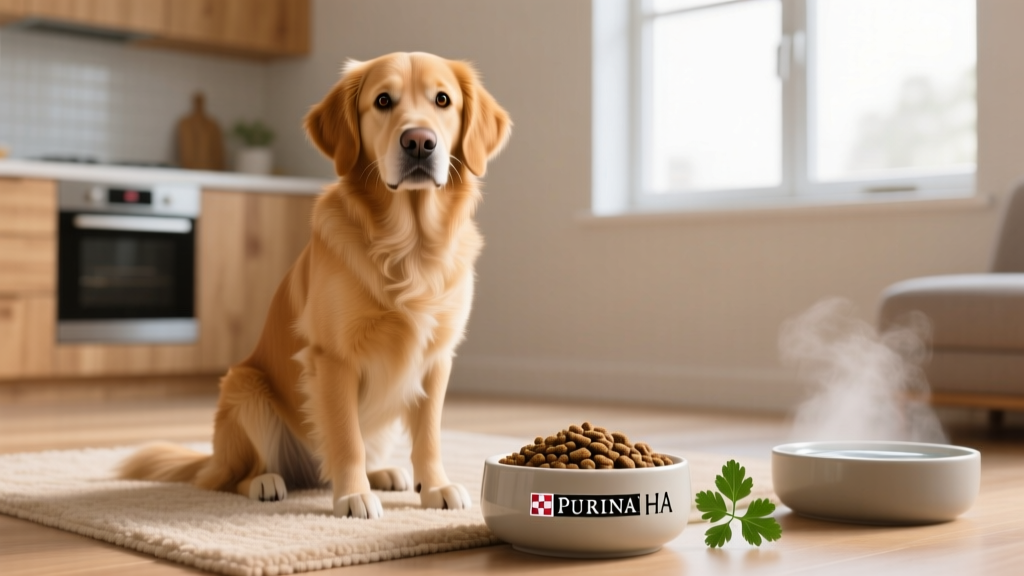
Best Digestive Dog Food: Complete Guide for Sensitive Stomachs
Find the best digestive dog food for sensitive stomachs.

Understanding Digestive Dog Food: What Makes It Different?
Not all kibble is created equal when your dog has a sensitive gastrointestinal tract. Digestive dog food is specifically formulated to reduce the workload on your dog's stomach and intestines while maximizing nutrient absorption. These diets typically feature highly digestible protein sources, prebiotic fibers, and reduced fat content to minimize gastric distress.
According to the Merck Veterinary Manual, gastrointestinal disease accounts for a significant portion of small animal veterinary visits, and dietary management is often the first-line intervention. Dogs with chronic soft stools, frequent gas, vomiting, or food sensitivities often see dramatic improvement within 2-4 weeks of switching to a properly formulated digestive diet.
But here's what most pet food marketing won't tell you: the term "digestive" isn't regulated by the FDA or AAFCO. Any brand can slap "sensitive stomach" on a bag. The real differentiators are in the guaranteed analysis, ingredient sourcing, and feeding trial data — which we'll break down in this guide.
Nutritional Requirements for Dogs With Digestive Issues
Dogs with GI sensitivity need a precise nutritional profile that supports gut healing without triggering inflammation. Here are the target ranges backed by veterinary nutritionists:
| Nutrient | Standard Adult Dog | Digestive/Sensitive Stomach | Why It Matters |
|---|---|---|---|
| Crude Protein | 22-26% | 20-25% (highly digestible sources) | Excess protein from low-quality sources can ferment in the colon, causing gas and loose stools |
| Crude Fat | 12-18% | 8-14% | High fat delays gastric emptying and can trigger pancreatitis flare-ups in susceptible dogs |
| Crude Fiber | 2-5% | 3-6% (moderate soluble fiber) | Soluble fiber (beet pulp, psyllium) feeds beneficial gut bacteria and firms stools |
| Moisture | 10-12% (dry) | 10-12% (dry) or 75-82% (wet) | Wet food can improve hydration in dogs with chronic diarrhea |
| Calories (kcal/cup) | 350-450 | 320-400 | Moderate caloric density prevents overfeeding, which stresses the GI tract |
Caloric Needs by Weight Class
Daily calorie requirements vary based on metabolism, age, and activity level. Use these baselines and adjust based on body condition:
- 10 lb / 4.5 kg dog: 300-350 kcal/day (sedentary) to 400-450 kcal/day (active)
- 25 lb / 11 kg dog: 550-650 kcal/day (sedentary) to 750-850 kcal/day (active)
- 50 lb / 23 kg dog: 900-1,050 kcal/day (sedentary) to 1,200-1,400 kcal/day (active)
- 75 lb / 34 kg dog: 1,200-1,400 kcal/day (sedentary) to 1,600-1,800 kcal/day (active)
- 100 lb / 45 kg dog: 1,500-1,700 kcal/day (sedentary) to 2,000-2,200 kcal/day (active)
Adjustment factors: Reduce by 10-15% for overweight dogs or seniors (7+ years). Increase by 15-25% for intact dogs, highly active dogs, or dogs in cold climates. Always consult your veterinarian before making significant caloric changes for dogs with medical conditions.
How to Read a Dog Food Label for Digestive Health
The Association of American Feed Control Officials (AAFCO) sets nutritional standards for pet food in the United States. Here's what to look for — and what to avoid — when choosing a digestive dog food:
✅ What to Look For
- AAFCO Statement: The bag must state "This product is formulated to meet the nutritional levels established by the AAFCO Dog Food Nutrient Profiles for [life stage]" or reference feeding trials. Without this, you're buying an unverified product.
- Single Named Protein First: Look for "chicken," "lamb," or "salmon" as the first ingredient — not "meat meal" or "animal by-products." Digestive diets benefit from one identifiable protein source to reduce allergen exposure.
- Prebiotic Fibers: Ingredients like beet pulp, chicory root (inulin), fructooligosaccharides (FOS), and psyllium husk support beneficial gut bacteria.
- Probiotic Strains: Look for named organisms: Lactobacillus acidophilus, Enterococcus faecium, Bifidobacterium animalis. These should appear after the vitamin/mineral premix (they're added in small but effective quantities).
- Limited Ingredient Lists: Fewer ingredients mean fewer potential irritants. Quality digestive diets typically contain 8-15 core ingredients.
- Cooked Carbohydrate Sources: White rice, oatmeal, and potato are highly digestible carbs. These are preferable to corn or wheat for sensitive dogs.
❌ What to Avoid
- Artificial Preservatives: BHA, BHT, and ethoxyquin can irritate the GI lining in sensitive dogs. Look for mixed tocopherols (vitamin E) instead.
- Generic Fat Sources: "Animal fat" is undefined and may come from rendered sources of inconsistent quality. You want "chicken fat" or "sunflower oil."
- Excess Legumes in Top 5 Ingredients: Peas, lentils, and chickpeas in high concentrations have been linked to FDA-investigated dilated cardiomyopathy (DCM) concerns and can cause gas and bloating in many dogs.
- Artificial Colors and Flavors: Yellow 5, Yellow 6, Red 40, and "artificial flavor" serve no nutritional purpose and are unnecessary chemical exposures.
- Rawhide-Derived Ingredients or Bone Meal: These are poorly digestible and can cause obstruction or irritation in compromised GI tracts.
Top Digestive Dog Foods: Brand Recommendations for 2026
These recommendations are based on AAFCO compliance, veterinary nutritionist endorsements, ingredient quality, digestibility data, and real-world owner feedback. Prices reflect 2026 retail ranges for standard bag sizes.
1. Hill's Science Diet Sensitive Stomach & Skin (Adult)
Price: $55-$72 for 27.5 lb bag | Calories: 380 kcal/cup
Key Features: Chicken as first ingredient, prebiotic fiber from beet pulp, vitamin E and omega-6 for skin support. Clinically tested for digestibility. AAFCO-approved for adult maintenance via feeding trials.
Best For: Adult dogs with mild food sensitivities, occasional loose stools, and skin irritation linked to diet.
Considerations: Contains chicken — not suitable for chicken-allergic dogs. Some owners report the kibble is on the smaller side, which fast eaters may inhale without chewing.
2. Royal Canin Digestive Care (Medium Adult)
Price: $62-$80 for 22 lb bag | Calories: 362 kcal/cup
Key Features: Highly digestible proteins (L.I.P. — Low Indigestible Protein standard), targeted fiber blend including psyllium, prebiotics (MOS and FOS). Formulated specifically for dogs with digestive sensitivities. Royal Canin conducts extensive palatability and digestibility trials.
Best For: Medium-breed adult dogs (22-55 lb / 10-25 kg) with chronic soft stools or irregular bowel movements.
Considerations: Higher price point per pound. Uses brewer's rice, which is less nutritious than whole grain rice but still highly digestible.
3. Purina Pro Plan Sensitive Skin & Stomach (Salmon & Oat Meal)
Price: $48-$65 for 24 lb bag | Calories: 387 kcal/cup
Key Features: Salmon as first ingredient (novel protein for many dogs), oat meal as gentle carb source, live probiotics (Bacillus coagulans), no artificial colors or flavors. Backed by Purina's extensive research facilities.
Best For: Dogs with chicken sensitivity who need an alternative protein. Good mid-range option with strong veterinary recommendation history.
Considerations: Contains canola oil, which some holistic practitioners question, though it provides functional omega fatty acids. Peas appear in the ingredient list but not in the top 5.
4. Blue Buffalo Basics Limited Ingredient Diet (Turkey & Potato)
Price: $52-$68 for 22 lb bag | Calories: 356 kcal/cup
Key Features: Single animal protein (deboned turkey), grain-free with potato and pea starch as carbohydrate sources, no chicken, beef, dairy, or eggs. Includes Blue's LifeSource Bits with antioxidant blend.
Best For: Dogs with confirmed multi-protein allergies or intolerances who need a limited-ingredient elimination diet starting point.
Considerations: As a grain-free diet with legumes, discuss DCM risk with your vet, especially for breeds predisposed to cardiac issues. Higher fiber content (6% max) may cause initial gas during transition.
5. Hill's Prescription Diet i/d Digestive Care
Price: $78-$95 for 27.5 lb bag (requires veterinary authorization) | Calories: 354 kcal/cup
Key Features: Clinically proven to improve digestion within days. Contains highly digestible proteins, prebiotic fiber, and elevated electrolytes to replace losses from diarrhea. Enhanced with B vitamins and omega fatty acids. This is the gold standard veterinary-recommended GI diet.
Best For: Dogs with diagnosed GI conditions — inflammatory bowel disease (IBD), acute gastroenteritis, exocrine pancreatic insufficiency (EPI), or post-surgical recovery.
Considerations: Prescription required. Not intended as a long-term maintenance diet for healthy dogs. Must be purchased through your vet or authorized retailers like Chewy (with vet verification).
6. Wellness Simple Limited Ingredient Diet (Lamb & Oatmeal)
Price: $50-$64 for 22 lb bag | Calories: 370 kcal/cup
Key Features: Lamb as single protein source, oatmeal and ground rice as digestible carbs, no grains like wheat, corn, or soy. Includes ground flaxseed for omega-3 fatty acids and probiotics. AAFCO-approved for all life stages.
Best For: Dogs who need a grain-inclusive limited ingredient diet with a novel protein. Good option for puppies transitioning to adult food since it covers all life stages.
Considerations: Lamb can be higher in fat than poultry-based diets (14% min fat), which may not suit dogs with pancreatitis history.
7. Diamond Care Sensitive Stomach (Adult)
Price: $38-$50 for 25 lb bag | Calories: 348 kcal/cup
Key Features: Egg product as primary protein (highly digestible and rarely allergenic), brewer's rice and oatmeal for carbs, dried chicory root for prebiotic inulin. Made in the USA with quality control standards.
Best For: Budget-conscious owners who need a quality digestive diet without the premium price tag. Excellent value with solid ingredient profile.
Considerations: Egg as primary protein may not be as palatable to all dogs. Less brand recognition compared to Hill's or Royal Canin, though Diamond has improved quality control significantly since 2012 recall events.
How Much Digestive Dog Food Should You Feed?
Every bag includes a feeding chart, but those are starting points — not prescriptions. Here's a more precise framework for calculating portions:
| Dog Weight | Sedentary/Senior | Normal Activity | Highly Active/Working |
|---|---|---|---|
| 5-10 lb / 2-4.5 kg | ½ - ¾ cup | ¾ - 1 cup | 1 - 1¼ cups |
| 11-20 lb / 5-9 kg | ¾ - 1¼ cups | 1 - 1¾ cups | 1½ - 2 cups |
| 21-35 lb / 10-16 kg | 1¼ - 2 cups | 1¾ - 2½ cups | 2¼ - 3 cups |
| 36-50 lb / 16-23 kg | 2 - 2¾ cups | 2½ - 3½ cups | 3 - 4 cups |
| 51-75 lb / 23-34 kg | 2¾ - 3½ cups | 3½ - 4½ cups | 4 - 5½ cups |
| 76-100 lb / 34-45 kg | 3½ - 4½ cups | 4½ - 5¾ cups | 5¼ - 7 cups |
Critical adjustment rules for dogs with digestive issues:
- Split daily food into 2-3 smaller meals rather than one large feeding. This reduces gastric distension and improves nutrient absorption.
- For dogs recovering from acute diarrhea, start at the lower end of the feeding range and increase gradually as stools firm.
- Intact dogs burn approximately 15-20% more calories than neutered/spayed dogs at the same weight.
- Senior dogs (7+ years) typically need 10-20% fewer calories due to decreased metabolic rate and activity.
- Always measure with an actual measuring cup — estimating by eye overfeeds by an average of 20-30%, according to veterinary nutrition studies.
The 7-to-10-Day Transition Protocol
Switching your dog's food too quickly is the number one cause of "the new food gave my dog diarrhea." A gradual transition allows gut microbiota to adapt to new protein sources and fiber profiles. Here's the protocol veterinary nutritionists recommend:
| Days | Old Food | New Food | What to Watch For |
|---|---|---|---|
| Days 1-2 | 75% | 25% | Normal appetite, no vomiting |
| Days 3-4 | 50% | 50% | Stool consistency (slightly softer is OK, watery is not) |
| Days 5-6 | 25% | 75% | Gas levels, energy, appetite stability |
| Days 7-10 | 0% | 100% | Formed stools, consistent appetite, normal energy |
When to slow down: If your dog develops loose stools, vomiting, or food refusal at any stage, hold at the current ratio for 2-3 additional days before progressing. Some dogs with severe IBD may need a 14-21 day transition.
Pro tip: Add 1-2 tablespoons of plain canned pumpkin (not pie filling) during the transition to provide soluble fiber that helps stabilize stools. This is a trick I've seen veterinary technicians recommend for years, and it works remarkably well.
Homemade Digestive Diets: What You Need to Know
Many owners ask whether they can cook for their dog with digestive issues instead of buying commercial food. The short answer: yes, but only with professional guidance, and not as a long-term solution without veterinary nutritionist oversight.
Why homemade diets are risky for digestive dogs:
- A study published in the Journal of the American Veterinary Medical Association found that 95% of homemade dog food recipes were deficient in at least one essential nutrient, and 83.5% had multiple deficiencies.
- Digestive-compromised dogs have less margin for nutritional error — their damaged gut lining already impairs nutrient absorption.
- Raw diets carry documented Salmonella and E. coli contamination risks, which are particularly dangerous for dogs with weakened GI barriers — and for the humans preparing the food.
Temporary Bland Diet Recipe (Veterinary-Approved Short-Term Only)
This is NOT a complete diet. It's a 3-5 day gastrointestinal rest protocol your vet may recommend during acute flare-ups:
- 1 part boiled, skinless, boneless chicken breast (shredded)
- 2 parts cooked white rice (not brown — too much fiber for acute GI upset)
- Mix and feed at ½ to ⅔ of normal daily volume, divided into 4-6 small meals
- Maximum duration: 3-5 days before transitioning back to a complete diet
⚠️ Critical Warning: Never feed a homemade diet long-term without consulting a board-certified veterinary nutritionist (ACVN diplomate). They can formulate a recipe using software like Balance IT® that ensures all 37+ essential canine nutrients are present in correct ratios. Long-term homemade feeding without this oversight leads to deficiencies in calcium, vitamin D, zinc, taurine, and essential fatty acids that may not show symptoms for months.
Supplements for Digestive Health: What Works and What Doesn't
Supplements can complement a good digestive diet — but they're not a substitute for one. Here's an evidence-based breakdown:
Supplements Worth Considering
- Probiotics (multi-strain): Look for products containing Enterococcus faecium (SF68 strain) or Bifidobacterium animalis (AHC7 strain). Dosage: 1-5 billion CFU daily for dogs under 25 lb; 5-10 billion CFU for dogs over 25 lb. Purina FortiFlora and Visbi Vet are well-researched options ($25-$40 for a 30-day supply).
- Digestive Enzymes: Beneficial for dogs with EPI or age-related pancreatic insufficiency. Products containing pancrelipase, amylase, protease, and lipase (e.g., NuVet ProZyme, $18-$28). Dosage: ¼ to ½ teaspoon per meal, sprinkled on moistened food.
- Pumpkin Powder: Plain dehydrated pumpkin provides soluble fiber. Dosage: 1 teaspoon per 10 lb of body weight daily. Useful for both constipation and mild diarrhea ($12-$20 for a 16 oz container).
- Omega-3 Fatty Acids (EPA/DHA): Anti-inflammatory for gut lining. Dosage: 75-100 mg combined EPA+DHA per kg of body weight daily. Nordic Naturals Omega-3 Pet or Grizzly Salmon Oil ($15-$35).
Supplements to Skip or Use With Caution
- Activated Charcoal: Not recommended for routine use — binds nutrients and medications, reducing their absorption.
- Apple Cider Vinegar: No peer-reviewed evidence supports GI benefits in dogs. Can irritate an already inflamed stomach lining.
- High-Dose Fiber Supplements (Metamucil): Can be useful under veterinary guidance for specific conditions but can worsen bloating and gas if dosed incorrectly.
Monitoring Your Dog's Digestive Progress
After switching to a digestive diet, you need objective metrics to evaluate success. Track these four indicators weekly for the first 8 weeks:
1. Stool Quality Score (1-7 Scale)
Use the Purina Fecal Scoring System as your baseline:
- Score 1: Hard, dry pellets — difficult to pass (constipation)
- Score 2: Firm, segmented, holds shape — ideal
- Score 3: Log-shaped, slightly moist, holds shape when picked up — ideal
- Score 4: Moist, loses form but not watery — borderline
- Score 5: Very moist, distinct logs but collapses when picked up — needs attention
- Score 6: No distinct shape, puddle-like — contact vet
- Score 7: Watery, no solid content — emergency if lasting more than 24 hours
Target: Consistent scores of 2-3 within 3-4 weeks of starting the new diet.
2. Body Condition Score (BCS)
Use the 9-point Purina BCS scale. A healthy dog should score 4-5/9: ribs easily felt without excess fat covering, visible waist when viewed from above, abdominal tuck visible from the side. Digestive issues often cause weight loss (BCS 1-3) or prevent proper nutrient absorption leading to a paradoxical "skinny but bloated" appearance.
3. Coat and Skin Quality
GI health directly impacts coat condition. Within 6-8 weeks of proper digestive nutrition, you should see: reduced shedding, shinier coat, less flaky skin, and faster nail growth. If coat quality doesn't improve, the diet may be lacking in essential fatty acids or your dog isn't absorbing them.
4. Energy and Appetite
A dog on the right digestive diet should show: consistent enthusiasm at mealtimes, stable energy throughout the day (no post-meal lethargy), and willingness to exercise. Persistent food avoidance or energy crashes after eating suggest the food isn't right.
🚨 When to Call Your Veterinarian Immediately:
- Bloody stool (bright red or black/tarry)
- Vomiting more than 3 times in 24 hours
- Complete food refusal for more than 48 hours
- Visible weight loss (more than 5% of body weight in 2 weeks)
- Distended or painful abdomen
- Lethargy combined with any GI symptom
- Diarrhea lasting more than 48 hours in puppies or 72 hours in adults
These symptoms can indicate serious conditions including parvovirus, intestinal obstruction, hemorrhagic gastroenteritis, or pancreatitis that require immediate veterinary intervention — not a diet change.
Frequently Asked Questions About Digestive Dog Food
What is the best dog food for dogs with sensitive stomachs?
The best digestive dog food depends on your dog's specific triggers. For most dogs with general GI sensitivity, Hill's Science Diet Sensitive Stomach & Skin or Royal Canin Digestive Care offer excellent results. For dogs with confirmed protein allergies, a limited-ingredient diet like Blue Buffalo Basics or Wellness Simple works better. Dogs with diagnosed GI disease (IBD, EPI) typically need a prescription diet like Hill's i/d. There is no single "best" — the right food matches your dog's diagnosis, life stage, and individual tolerances.
How much should I feed my dog with digestive issues?
Start with the feeding chart on your food's packaging based on your dog's current weight, then adjust for activity level and body condition score. For digestive dogs specifically, feed 2-3 smaller meals daily rather than one large meal. Begin at the lower end of the recommended range and increase by 10% weekly if your dog maintains or loses weight. The goal is a BCS of 4-5/9 with formed stools.
Can I feed my dog a homemade or raw diet for digestive health?
A short-term bland diet (boiled chicken and white rice) is appropriate for 3-5 days during acute GI upset. Long-term homemade diets require formulation by a board-certified veterinary nutritionist to avoid severe nutrient deficiencies. Raw diets are not recommended for dogs with digestive issues due to bacterial contamination risks (Salmonella, E. coli, Campylobacter) that are especially dangerous for dogs with compromised gut barriers. The AVMA discourages raw feeding due to documented public health and animal health risks.
What ingredients should I avoid in dog food for sensitive stomachs?
Avoid: artificial preservatives (BHA, BHT, ethoxyquin), generic "animal fat" or "meat by-products," artificial colors (Yellow 5, Red 40), excessive legumes (peas, lentils, chickpeas in the top 5 ingredients), corn and wheat gluten (common irritants), and added sugars or sweeteners. Also avoid foods with more than 18% fat on a dry matter basis, as high fat content is a primary trigger for GI distress.
How do I switch my dog to a new digestive food?
Follow a 7-10 day gradual transition: 75% old/25% new for days 1-2, then 50/50 for days 3-4, then 25% old/75% new for days 5-6, and 100% new by day 7-10. If your dog develops loose stools at any stage, hold at the current ratio for 2-3 extra days. Add a spoonful of plain canned pumpkin during transition to help stabilize stools. Never switch foods abruptly — this causes osmotic diarrhea in most dogs.
Does my dog need supplements with a digestive diet?
Most quality digestive diets are nutritionally complete and don't require supplements. However, adding a multi-strain probiotic (1-10 billion CFU daily) can accelerate gut microbiome recovery, especially after antibiotic treatment. Omega-3 supplements (75-100 mg EPA+DHA per kg daily) help reduce GI inflammation. Always check with your veterinarian before adding supplements, as some interact with medications or duplicate nutrients already in the food.
How long does it take for digestive dog food to work?
Most dogs show improvement in stool quality within 7-14 days. Full resolution of chronic GI symptoms (gas, intermittent vomiting, irregular appetite) typically takes 4-8 weeks. Coat and skin improvements may take 8-12 weeks. If you see no improvement after 4 weeks on a new diet, consult your veterinarian — the underlying issue may be parasitic, bacterial, or structural rather than dietary.
Is grain-free dog food better for digestion?
Not necessarily, and potentially not. True grain allergies in dogs are rare — most food sensitivities involve proteins (chicken, beef, dairy), not grains. For many dogs with digestive issues, easily digestible grains like white rice and oatmeal are actually beneficial. The FDA has investigated a potential link between grain-free diets high in legumes and dilated cardiomyopathy (DCM). Unless your dog has a confirmed grain allergy via veterinary allergy testing, a grain-inclusive digestive diet is often the safer choice.
Beth Carrasco
All our authors care for dogs every day — read more of their work on the authors page.