Is This Hypoallergenic Formula Right for Your Dog?
Complete review of Purina HA dog food for dogs with food allergies. Nutritional breakdown, feeding guide, alternatives, and transition protocol.
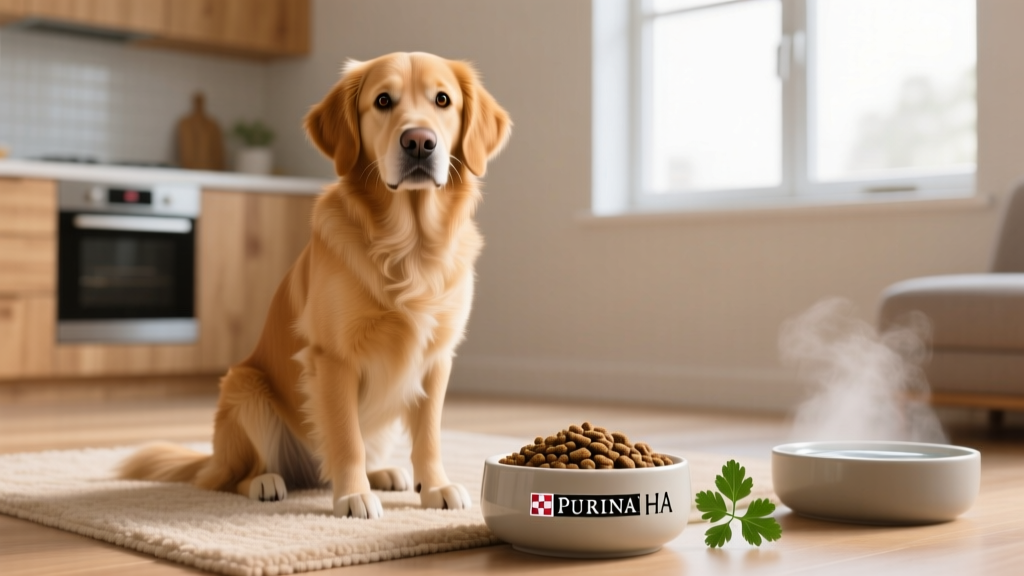
What Is Purina HA Dog Food and Who Is It For?
Purina Pro Plan Veterinary Diets HA Hypoallergenic is a prescription diet formulated specifically for dogs with suspected or confirmed food allergies and food intolerances. Unlike over-the-counter "limited ingredient" kibbles you'll find on pet store shelves, Purina HA uses a single protein source that has been hydrolyzed — broken down into molecular fragments so small that the dog's immune system cannot recognize them as allergens. This is the same principle behind hypoallergenic infant formula.
Food allergies in dogs are relatively uncommon compared to environmental allergies (atopic dermatitis), but when they do occur, they cause relentless itching, ear infections, gastrointestinal upset, and chronic paw licking. According to Merck Veterinary Manual, food allergies account for approximately 1-6% of all canine skin diseases. The only definitive diagnostic tool is a strict elimination diet trial lasting 8-12 weeks, and Purina HA is one of the most commonly prescribed diets for this purpose.
Nutritional Profile: What's Actually in Purina HA?
Understanding the nutritional composition helps you evaluate whether this diet meets your dog's specific needs. Here is the guaranteed analysis for Purina Pro Plan Veterinary Diets HA Hypoallergenic Canine Formula (dry kibble):
| Nutrient | Minimum/Maximum | Percentage (Dry Matter Basis) |
|---|---|---|
| Crude Protein | Min 16.0% | ~18.2% |
| Crude Fat | Min 8.0% | ~9.1% |
| Crude Fiber | Max 5.0% | ~5.7% |
| Moisture | Max 12.0% | N/A |
| Caloric Content | 3,078 kcal/kg | ~383 kcal/cup |
The primary protein source is hydrolyzed soy protein. While some owners express concern about soy as an allergen, the hydrolysis process reduces protein fragments to a molecular weight below 10 kilodaltons — well below the threshold (typically 40 kDa) that triggers an IgE-mediated immune response. The carbohydrate base uses rice starch and modified food starch, both considered low-allergenicity ingredients.
This formula carries an AAFCO statement confirming it provides complete and balanced nutrition for adult maintenance. It is not formulated for growth (puppies) or gestation/lactation. If your puppy requires an elimination diet, your veterinarian will need to identify a hydrolyzed protein diet specifically approved for all life stages.
Life Stage and Condition Context: When Purina HA Makes Sense
Purina HA is not a one-size-fits-all diet. Here is how it fits into specific clinical scenarios:
✓ Ideal Candidates
- Adult dogs undergoing food allergy elimination trials
- Dogs with confirmed food protein intolerance
- Dogs with inflammatory bowel disease (IBD) triggered by dietary proteins
- Dogs with chronic otitis externa linked to food sensitivity
- Dogs that have failed novel protein diet trials
✗ Not Appropriate For
- Puppies under 12 months (not formulated for growth)
- Intact breeding females or lactating dams
- Dogs with soy-specific allergy (rare but possible)
- Dogs with no suspected dietary sensitivity
- Dogs requiring high-protein performance diets
For senior dogs with concurrent food allergies and kidney disease, Purina HA's moderate protein level (16% as-fed) may actually be advantageous, but your veterinarian will need to evaluate phosphorus content against renal parameters. Always consult your veterinarian before placing a dog with comorbidities on any prescription diet.
How Much Should You Feed? Feeding Guide by Weight
Prescription diets require precise feeding to maintain ideal body condition. Overfeeding defeats the purpose of a controlled elimination trial, and underfeeding can cause muscle loss during the 8-12 week trial period.
| Dog Weight (lb/kg) | Cups/Day (Maintenance) | Calories/Day | Adjustment Factor |
|---|---|---|---|
| 10 lb / 4.5 kg | ¾ cup | ~287 kcal | Base |
| 25 lb / 11.3 kg | 1½ cups | ~575 kcal | Base |
| 50 lb / 22.7 kg | 2⅔ cups | ~1,020 kcal | Base |
| 75 lb / 34 kg | 3⅔ cups | ~1,398 kcal | Base |
| 100 lb / 45.4 kg | 4½ cups | ~1,723 kcal | Base |
Adjustment factors: Reduce base amount by 15-20% for overweight dogs or those with low activity levels. Increase by 10-20% for highly active dogs, intact males, or dogs in cold outdoor environments. Senior dogs (over 8 years) typically need 10-15% fewer calories due to decreased metabolic rate. Always divide daily portions into two meals to support stable blood glucose and reduce bloat risk in deep-chested breeds.
Top Alternatives to Purina HA: Comparing Hypoallergenic Prescription Diets
Purina HA is effective but not the only option. Here are the most commonly prescribed hydrolyzed and limited-antigen diets, with pricing current as of early 2026:
1. Royal Canin Hydrolyzed Protein HP
Protein source: Hydrolyzed soy | Protein: 18% | Fat: 8% | Calories: 3,434 kcal/kg
Price range: $48-$62 per 13.5 lb bag
Best for: Dogs that need a hydrolyzed option with slightly higher caloric density. Available in both dry and canned (loaf) formats, which helps with palatability during transitions.
2. Hill's Prescription Diet z/d
Protein source: Hydrolyzed chicken liver | Protein: 17.3% | Fat: 10.2% | Calories: 3,282 kcal/kg
Price range: $52-$68 per 27.5 lb bag
Best for: Dogs that prefer chicken-based flavor profiles. Also available in Original, Small Bites, and canned varieties. Note: while the protein is hydrolyzed below reactive thresholds, some owners with dogs allergic to chicken-family proteins prefer soy-based alternatives like Purina HA.
3. Royal Canin Selected Protein PR (Novel Protein)
Protein source: Hydrolyzed feather protein | Protein: 17% | Fat: 8% | Calories: 3,389 kcal/kg
Price range: $46-$58 per 17.6 lb bag
Best for: Dogs that have reacted to both soy and chicken hydrolysates. Feather protein is about as novel as it gets — extremely unlikely to have been previously encountered by the immune system.
4. Purina Pro Plan Veterinary Diets EL (Elemental)
Protein source: Hydrolyzed salmon + amino acids | Protein: 16% | Fat: 11% | Calories: 3,559 kcal/kg
Price range: $55-$70 per 25 lb bag
Best for: Dogs with concurrent GI disease needing higher fat for caloric density and omega-3 fatty acids for anti-inflammatory support.
5. Blue Buffalo Natural Veterinary Diet NP Novel Protein (Alligator)
Protein source: Whole alligator | Protein: 24% | Fat: 10% | Calories: 3,395 kcal/kg
Price range: $60-$78 per 22 lb bag
Best for: Dogs where a novel intact protein (not hydrolyzed) is preferred. Higher protein content suits active dogs, but intact proteins carry a small risk of future sensitization compared to hydrolyzed formulas.
6. Hill's Prescription Diet d/d (Novel Protein Line)
Protein source: Varies — salmon, duck, or venison with potato/rice | Protein: 15-21% depending on variant | Fat: 9-13%
Price range: $48-$65 per 27.5 lb bag
Best for: Owners who prefer an intact novel protein diet over hydrolyzed options. Multiple protein choices allow rotation if one novel protein fails.
Selection criteria: Regardless of which brand you choose, always verify the AAFCO statement reads "complete and balanced for adult maintenance" (or all life stages if your dog is under 12 months). Check that the named protein appears as the first ingredient. Avoid any product that lists generic terms like "meat meal" or "animal fat" — these are undefined protein/fat sources that could contain undisclosed allergens.
Ingredients to Avoid During an Elimination Diet Trial
The most common reason elimination diet trials fail is accidental exposure to allergenic proteins. According to AKC veterinary resources, the most frequently implicated food allergens in dogs include:
| Ingredient Category | Specific Items to Avoid | Why It Matters |
|---|---|---|
| Common proteins | Beef, chicken, dairy, lamb, egg | Account for 70-80% of confirmed canine food allergies |
| Wheat/gluten | Wheat flour, wheat gluten, barley | Grain allergies are less common than protein allergies but wheat is a known trigger |
| Treats & chews | Flavored dental chews, rawhide, pig ears, bully sticks | Even tiny amounts of beef or chicken flavoring can invalidate a trial |
| Flavored medications | Beef-flavored heartworm preventives, chicken-flavored NSAIDs | Ask your vet for unflavored alternatives during the trial period |
| Table scraps | Any human food, cheese, deli meats, bread | Zero tolerance during an elimination trial — even one slip-up resets the clock |
During the 8-12 week trial, your dog should eat only the prescribed diet and water. This includes no flavored toothpaste (use unflavored enzymatic paste), no flavored joint supplements, and no "just a tiny bite" from the dinner table. Every household member must be briefed on the protocol.
Transition Protocol: Switching to Purina HA Over 10 Days
Sudden diet changes cause gastrointestinal upset — vomiting, diarrhea, and gas — which can be mistaken for an allergic reaction and invalidate your trial. Follow this gradual transition schedule:
| Days | Old Food | Purina HA (New Food) | Notes |
|---|---|---|---|
| Days 1-2 | 75% | 25% | Mix thoroughly; warm water improves palatability |
| Days 3-4 | 50% | 50% | Monitor stool consistency closely |
| Days 5-6 | 25% | 75% | If loose stools appear, hold at this ratio 1-2 extra days |
| Days 7-8 | 10% | 90% | Phase out old food completely |
| Days 9-10 | 0% | 100% | Elimination trial clock officially starts |
Can You Feed a Homemade or Raw Diet Instead?
Some owners ask whether they can formulate a homemade elimination diet instead of using a commercial prescription formula. The short answer: it is possible but carries significant risks and requires veterinary nutritionist involvement.
A homemade elimination diet typically uses a single novel protein (e.g., rabbit, venison, or alligator) with a single carbohydrate source (e.g., sweet potato or oatmeal). However, studies published in the Journal of the American Veterinary Medical Association have consistently shown that the majority of homemade diets formulated by pet owners are nutritionally deficient in calcium, vitamin D, zinc, and essential fatty acids within just weeks of feeding.
If you are committed to a homemade elimination diet, you must:
- Work with a board-certified veterinary nutritionist (find one at ACVN.org)
- Use a recipe that includes specific supplementation protocols for calcium (typically 1,000-1,500 mg calcium carbonate per pound of meat), taurine, vitamin E, and fish oil
- Re-evaluate the recipe every 4-6 weeks with bloodwork to catch deficiencies early
- Avoid raw meat during an elimination trial — raw diets carry FDA-documented risks of Salmonella and Listeria contamination that can cause illness in both pets and humans
For the vast majority of owners, a commercial hydrolyzed diet like Purina HA is safer, more convenient, and more nutritionally reliable during the critical elimination trial period. Once the specific allergen is identified, a veterinary nutritionist can then formulate a balanced long-term homemade diet using safe ingredients.
Supplement Guidance: What to Add and When
Purina HA is formulated to be nutritionally complete, so additional supplementation is generally unnecessary during the elimination trial. However, certain supplements can be added if approved by your veterinarian without compromising the trial:
| Supplement | Dosage | Purpose | Trial-Safe? |
|---|---|---|---|
| Omega-3 Fish Oil (EPA/DHA) | 20-55 mg/kg combined EPA+DHA daily | Anti-inflammatory; supports skin barrier repair during allergy flares | Yes — use unflavored, salmon or sardine-based oil |
| Probiotics (E. faecium SF68) | 1 packet/day (regardless of weight) | Gut microbiome support during diet transition | Yes — Purina FortiFlora is soy-free |
| Glucosamine/Chondroitin | 500-1,500 mg glucosamine depending on weight | Joint support for large-breed or senior dogs | Caution — many are beef or chicken flavored; use unflavored only |
| Vitamin E | 2-5 IU/kg daily | Antioxidant support for inflamed skin | Yes — use gel capsule, no flavoring |
Supplements to avoid during the trial: Any flavored chewable supplement (most joint chews, calming treats, and dental supplements contain chicken, beef, or pork flavoring). Multivitamin chews. Brewer's yeast tablets. Any supplement containing animal-derived protein not explicitly listed as hydrolyzed.
Monitoring Success: How to Know If Purina HA Is Working
An elimination diet trial is not a "set it and forget it" protocol. You need to systematically track changes over the full 8-12 week period. Here is what to monitor:
🟢 Positive Signs (Weeks 4-8)
- Itching reduction: Scratching, licking, and biting should decrease by at least 50% by week 6
- Ear health: Recurrent ear infections should resolve; ear canals appear less red and waxy
- Stool quality: Formed, medium-brown stools with reduced gas; Bristol Stool Scale equivalent of 3-4
- Coat quality: Reduced flaking, improved shine, less "doggy odor" from skin inflammation
- Body condition score: Maintaining BCS 4-5/9 (ribs palpable without excess fat cover)
🔴 Red Flags (Contact Your Vet)
- No improvement by week 8: May indicate environmental allergies (atopy) rather than food allergy
- Weight loss exceeding 5%: Suggests inadequate caloric intake or malabsorption
- Persistent vomiting/diarrhea beyond transition: Could indicate IBD requiring additional diagnostics
- Refusal to eat for 48+ hours: Palatability issue — your vet may switch to a canned hydrolyzed option
- New symptoms: Lethargy, pale gums, or excessive thirst warrant immediate veterinary evaluation
After the trial concludes and symptoms have resolved, your veterinarian will typically perform a "challenge" by reintroducing the original diet. If symptoms return within 1-2 weeks, food allergy is confirmed. If symptoms do not return, the original issue was likely environmental, and Purina HA may be discontinued under veterinary guidance.
Cost and Availability: What to Budget
Purina HA is available exclusively through veterinary clinics and authorized online pharmacies (with vet approval). Here is the realistic cost picture:
- Purina HA Dry (30 lb bag): $55-$72 depending on clinic markup and region
- Purina HA Canned (12-pack, 13 oz cans): $48-$60
- Monthly cost for a 50 lb dog: Approximately $65-$90/month on dry food alone
- Online authorized retailers: Chewy (with vet verification), VetRxDirect, and 1800PetMeds typically offer 5-15% savings over in-clinic pricing
Prescription diets are not covered by most standard pet insurance plans under wellness riders, but some policies will cover them under illness benefits if food allergy is a diagnosed condition. Check your policy's prescription food rider before committing.
Frequently Asked Questions
Can I buy Purina HA without a prescription?
No. Purina Pro Plan Veterinary Diets HA is a prescription-only diet. You must have a valid veterinarian-client-patient relationship, and your vet must authorize each purchase — whether at the clinic or through an online pharmacy. This restriction exists because elimination diet trials require veterinary oversight to be diagnostically valid.
How long does my dog need to stay on Purina HA?
The minimum elimination trial is 8 weeks, though many veterinary dermatologists recommend 10-12 weeks for maximum diagnostic accuracy. If food allergy is confirmed, your dog may remain on Purina HA (or an equivalent hydrolyzed diet) indefinitely. Some dogs can eventually transition to a limited-ingredient diet using a single identified safe protein, but this should only be attempted under veterinary guidance.
Will Purina HA cause my dog to lose weight?
Purina HA is moderate in calories (383 kcal/cup). Dogs transitioning from high-calorie performance or puppy foods may initially lose weight if portions are not adjusted upward. Use the feeding chart above as a starting point and adjust based on weekly weigh-ins. A body condition score of 4-5 out of 9 is the target.
My dog won't eat Purina HA. What should I do?
Palatability is a common challenge with hydrolyzed diets because the hydrolysis process alters flavor. Strategies include: warming the kibble with a tablespoon of warm water, mixing in Purina HA canned formula (which is more palatable), or asking your vet about switching to Royal Canin HP or Hill's z/d, which some dogs find more appealing. Never add broth, cheese, or peanut butter to improve taste — this introduces potential allergens and invalidates the trial.
Is soy in Purina HA safe for dogs with soy allergies?
This is a nuanced question. The hydrolysis process breaks soy protein into fragments below 10 kDa, which is below the molecular weight threshold for IgE antibody recognition. In clinical studies, the vast majority of soy-allergic dogs tolerate hydrolyzed soy without reaction. However, a very small percentage of dogs may still react. If your dog has a confirmed soy allergy (rare in dogs), discuss Royal Canin PR (feather protein) or Hill's z/d (hydrolyzed chicken) as alternatives with your veterinarian.
Does my dog need supplements while on Purina HA?
Purina HA meets AAFCO requirements for complete and balanced adult maintenance, so no additional vitamins or minerals are required. Omega-3 fatty acid supplementation (unflavored fish oil at 20-55 mg/kg EPA+DHA daily) may accelerate skin healing but is optional. Always confirm any supplement with your veterinarian before adding it during an active elimination trial.
Robin Maitland
All our authors care for dogs every day — read more of their work on the authors page.


