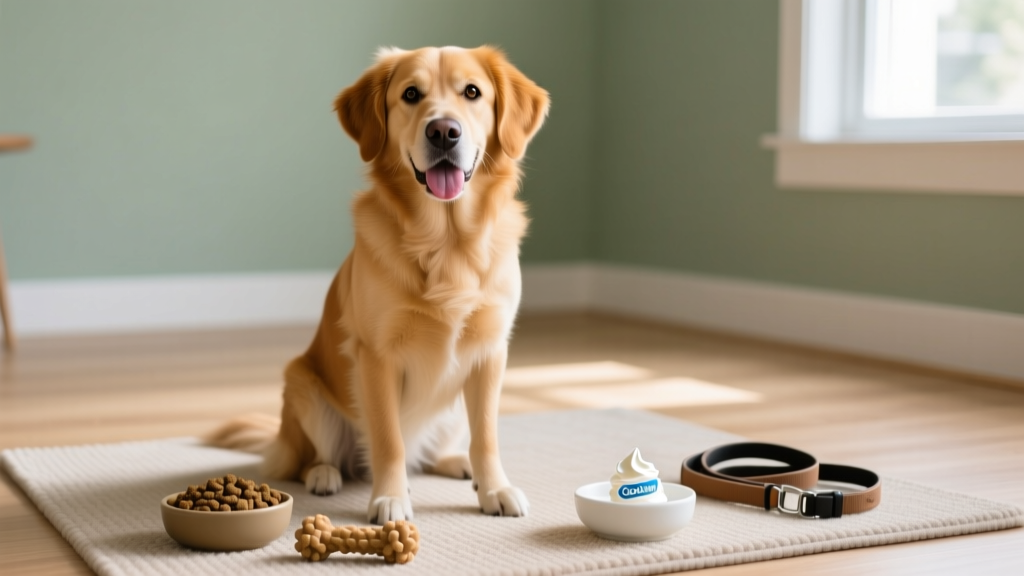
Dental Care for Dogs Teeth: Complete Guide to Oral Health
Comprehensive dental care for dogs teeth guide covering anatomy, common problems, home cleaning routines, breed risks, and when to see the vet.

Dental disease affects an estimated 80% of dogs by age three, making it one of the most prevalent — and most preventable — conditions in canine medicine. Proper dental care for dogs teeth goes far beyond fresh breath; untreated oral disease can seed bacteria into the bloodstream, damaging the heart, kidneys, and liver. This guide gives you the anatomical knowledge, examination skills, and practical routines to keep your dog's mouth healthy between professional cleanings.
Canine Dental Anatomy: How Dog Teeth Differ From Human Teeth
Adult dogs have 42 teeth (humans have 32). Puppies start with 28 deciduous (baby) teeth that erupt between 3-6 weeks and are replaced by permanent teeth between 12-28 weeks of age.
Key structural differences from human dentition:
- Carnassial teeth (upper fourth premolar and lower first molar) function as shears for cutting meat — these are the largest teeth and most prone to fracture
- Enamel thickness is significantly thinner than human enamel (approximately 0.1-0.6 mm vs. 2-3 mm in humans), making dog teeth more vulnerable to resorptive lesions
- Tooth roots are proportionally longer — the canine tooth root extends nearly to the orbit (eye socket), which is why tooth root abscesses can cause swelling below the eye
- The periodontal ligament attaches tooth to bone, and this is where periodontal disease initiates when plaque mineralizes into calculus (tartar)
Tooth type breakdown: 12 incisors (biting/nibbling), 4 canines (grasping/tearing), 16 premolars (shearing), and 10 molars (crushing).
Understanding this anatomy matters because dog teeth are built for gripping and shearing, not grinding. Their thinner enamel means abrasive dental products designed for human teeth can cause real damage — never use human toothpaste or stiff-bristled brushes on your dog.
Common Dental Problems in Dogs: Symptoms to Watch For
| Condition | Prevalence | Key Symptoms | Progression if Untreated |
|---|---|---|---|
| Periodontal disease | ~80% of dogs by age 3 | Red/swollen gums, tartar buildup, bad breath, bleeding when chewing | Tooth loss, bone destruction, systemic infection (heart valve endocarditis, kidney damage) |
| Tooth fracture | Common in working/chewing dogs | Sudden reluctance to chew, visible crack, pink/red dot on tooth surface (pulp exposure) | Pulp necrosis, tooth root abscess, facial swelling below eye or under jaw |
| Tooth resorption (TR) | Up to 12% of dogs (underreported) | "Chattering" jaw when eating, drooling, visible pink lesions at gumline | Painful crown destruction, eventual tooth loss |
| Retained deciduous teeth | Common in toy/small breeds | Baby tooth still present alongside adult tooth, crowded/rotated teeth | Misalignment, accelerated periodontal disease due to food trapping |
| Oral masses/tumors | ~6% of canine cancers are oral | Growth on gums/palate, loose teeth near mass, bleeding, difficulty swallowing | Local tissue destruction, metastasis (melanoma, squamous cell carcinoma) |
| Gingivitis (early stage) | Reversible if caught early | Thin red line at gumline, mild bad breath, gums bleed on contact | Progresses to periodontitis (irreversible bone loss) |
Periodontal disease progresses through four stages. Stage 1 (gingivitis) is fully reversible with professional cleaning and home care. By Stage 3, more than 50% of the tooth's attachment is lost, and extraction often becomes necessary. This is why early detection during your home exams is so critical.
How to Perform a Home Dental Examination on Your Dog
Monthly home exams let you catch problems before they become painful — and expensive. Most dogs tolerate this routine once they're desensitized to lip handling. Start with short sessions (30-60 seconds) and reward generously with treats between steps.
Step 1: External palpation
Run your hands along both sides of your dog's muzzle and jawline. Feel for asymmetry, swelling, or heat. Pay special attention to the area just below each eye (zygomatic arch region) — swelling here often signals a carnassial tooth root abscess.
Step 2: Lip lift — front view
Gently lift the upper lip on each side to expose the incisors and canines. Check that gums are coral-pink (or breed-appropriate pigmentation — some dogs have naturally dark/black gums, which is normal). Look for redness at the gumline, tartar buildup, or any teeth that appear loose or rotated.
Step 3: Lip lift — side view (premolars and molars)
Pull the lip back further to visualize the cheek teeth (premolars and molars). This is where tartar accumulates most heavily. Tilt your dog's head slightly to see the upper carnassial tooth — the large, pointed tooth roughly midway back.
Step 4: Lower jaw check
Open the mouth gently by pressing down on the lower incisors while lifting the upper jaw. Scan the lower teeth, the tongue surface, and the floor of the mouth. Look for ulcers, foreign objects (stick fragments, bone shards wedged between teeth), or abnormal growths.
Step 5: Breath assessment
Note the odor. Mild "dog breath" is normal; a sharp, foul, or rotting smell indicates bacterial overgrowth consistent with periodontal disease. A sweet or fruity odor can signal diabetes (ketones on breath) and warrants a vet visit.
Pro tip: Photograph your dog's teeth from the same angles every 3-6 months. This creates a visual baseline that helps you — and your veterinarian — track changes over time.
Normal vs. Abnormal: What Healthy Dog Teeth and Gums Look Like
| Feature | Normal (Healthy) | Abnormal (Concerning) |
|---|---|---|
| Gum color | Coral pink, or breed-normal pigmentation (black/gray patches in Chow Chows, Shar-Peis, and some mixed breeds) | Bright red, purple, pale/white, or yellow-tinged gums |
| Gum texture | Smooth, firm, stippled (like orange peel) | Swollen, puffy, receded, or bleeding on light touch |
| Teeth surface | Clean white to off-white, minimal staining | Yellow-brown calculus deposits, pitting, visible cracks, or pink/red spots on tooth surface |
| Teeth alignment | Incisors meet evenly or slight scissor bite; canines fit into upper gingival space | Teeth rotated, crowded, overlapping, or jaw appears shifted |
| Breath odor | Mild, neutral to slightly meaty | Foul, rotten, metallic, or sweet/fruity smell |
| Saliva | Clear, normal volume for breed | Excessive drooling, blood-tinged, thick/ropy, or foamy |
| Chewing behavior | Chews normally on both sides, picks up treats readily | Drops food, chews on one side only, approaches bowl then retreats, "chatters" jaw |
A common misconception is that some tartar is "normal" for older dogs. While mild calculus on the back molars of a senior dog is common, it is not harmless — it represents active bacterial colonization that is slowly destroying the periodontal attachment. The goal is to minimize buildup at every life stage.
Home Dental Care Routine: Daily and Weekly Maintenance
Daily (ideal) or minimum 4-5x per week:
- Toothbrushing with a veterinary-formulated enzymatic toothpaste. Use a dual-head canine toothbrush (like the Petosan Dual Head or TropiClean Dual-Head) angled at 45° to the gumline. Brush in small circles, focusing on the outer surfaces where plaque accumulates most. Spend at least 30 seconds per side (60 seconds total minimum).
- Toothpaste selection: Look for products containing enzymatic glucose oxidase/lactoperoxidase systems. Poultry, beef, and malt flavors encourage acceptance. Average cost: $8-$14 per tube (lasts 2-4 months for one dog).
2-3 times per week (supplemental):
- VOHC-approved dental chews — products bearing the Veterinary Oral Health Council seal have demonstrated efficacy in reducing plaque and/or tartar in controlled studies. Examples: Purina Pro Plan Dental Chewz, Greenies (original), C.E.T. VeggieDent FR3SH. Cost: $15-$30 for a month's supply depending on dog size.
- Dental water additives — products like TropiClean Natural Mint Dental Additive or Oxyfresh Pet Dental Solution can reduce bacterial load between brushings. Add to drinking water per label directions. Cost: $10-$18 per bottle (lasts 30-60 days).
Monthly:
- Full home dental examination (as described above)
- Inspect all chew toys for wear — discard any that have developed sharp edges or are small enough to swallow
Annually (minimum):
- Professional veterinary dental examination during wellness visit
- Professional cleaning under general anesthesia as recommended by your veterinarian (typically every 1-3 years depending on breed, age, and home care compliance)
A critical note on anesthesia-free dental cleanings: The American Veterinary Dental College advises against "non-professional dental scaling" (cosmetic scraping without anesthesia). While these procedures may remove visible tartar from crown surfaces, they cannot clean below the gumline where periodontal disease actually occurs. They also provide no diagnostic imaging (dental radiographs), meaning hidden pathology — root abscesses, resorptive lesions, bone loss — goes undetected. Always consult your veterinarian about appropriate professional cleaning protocols.
Dental Care Products: What You Actually Need
Here's a practical product list with specific recommendations organized by function. Prices reflect typical 2025-2026 retail ranges.
| Product Category | Specific Recommendations | Price Range | Notes |
|---|---|---|---|
| Enzymatic toothpaste | Virbac C.E.T. Enzymatic Toothpaste, Petosan Enzymatic Toothpaste | $8-$14 | Never use human toothpaste (fluoride is toxic to dogs; foaming agents cause GI upset) |
| Toothbrush | Petosan Dual Head Brush, Finger brushes (for small breeds/puppies), Virbac C.E.T. Dual-Head | $4-$9 | Replace every 3 months or when bristles fray |
| Dental chews (VOHC-accepted) | Greenies Original, Purina Dental Chewz, C.E.T. VeggieDent FR3SH | $15-$30/month | Size-appropriate only; supervise to prevent choking. Not for aggressive gulpers. |
| Water additive | TropiClean Dental Additive, Oxyfresh Pet Dental Solution | $10-$18 | Best as supplemental support, not a brushing replacement |
| Dental diet (prescription) | Hill's Prescription Diet t/d, Royal Canin Dental | $55-$85 per 15 lb bag | Kibble designed with larger size and fiber matrix to scrub teeth during chewing. Requires veterinary authorization. |
| Dental gel (no-brush option) | Orovetz Oral Rinse, TropiClean Oral Care Gel | $10-$16 | Apply to gumline; useful for dogs that resist brushing entirely |
Products to avoid: Human toothpaste (fluoride toxicity risk), hard nylon bones or antlers (high fracture risk for carnassial teeth — the AKC notes these cause thousands of dental fractures annually), and baking soda paste (alkaline content disrupts canine stomach acid balance if swallowed).
When to See the Vet: Red Flag Dental Symptoms
Contact your veterinarian promptly if you observe any of the following:
- Visible swelling on the face, especially below the eye or along the jawline
- Blood in saliva or on chew toys
- Sudden reluctance to eat, dropping food, or chewing only on one side
- A tooth that appears loose, broken, or discolored (gray/purple tooth suggests pulp death)
- Pawing at the mouth or face rubbing against furniture
- Visible mass or growth anywhere in the oral cavity
- Foul breath that worsens despite home care
- Excessive drooling, especially if blood-tinged
- Missing teeth that were previously present (may have been swallowed or lost due to advanced disease)
Emergency (seek immediate care): Facial swelling with fever or lethargy, inability to close the mouth, trauma with visible tooth fragments or exposed pulp (pink/red center of tooth), or profuse oral bleeding that does not stop within 5 minutes.
Professional dental cleaning costs typically range from $300-$800 for a routine cleaning with dental radiographs under general anesthesia, and $800-$2,500+ if extractions are needed. Costs vary significantly by region, clinic type (general practice vs. veterinary dental specialist), and the number of teeth requiring extraction. Many pet insurance plans cover dental disease treatment if enrolled before disease onset — check your policy's dental coverage limits.
Breed Predispositions: Which Dogs Are Most at Risk
| Breed / Type | Common Dental Issues | Why They're at Risk |
|---|---|---|
| Toy breeds (Chihuahuas, Yorkshire Terriers, Pomeranians, Toy Poodles) | Retained deciduous teeth, severe early-onset periodontal disease, tooth crowding | Small jaw size forces 42 teeth into limited space; reduced chewing mechanics limit natural cleaning |
| Brachycephalic breeds (Pugs, Bulldogs, Shih Tzus, Boston Terriers) | Severe crowding, rotated teeth, periodontal disease | Shortened skull compresses tooth sockets; some teeth erupt at abnormal angles |
| Greyhounds | Tooth resorption, enamel hypoplasia, periodontal disease | Breed-specific predisposition to resorptive lesions; thin enamel noted in studies |
| Large/giant breeds (German Shepherds, Labrador Retrievers, Great Danes) | Tooth fractures (carnassial and canine teeth) | High bite force combined with destructive chewing habits; fractures from hard objects (antlers, rocks, cage bars) |
| Boxers | Gingival hyperplasia (gum overgrowth), oral masses | Genetic tendency for excess gum tissue that creates deep periodontal pockets; breed predisposition to oral tumors |
| Dachshunds | Early, aggressive periodontal disease | Small jaw with high genetic predisposition; studies show significant bone loss by age 3-4 without intervention |
If your dog falls into one of these categories, discuss a more aggressive prevention plan with your veterinarian. Toy and brachycephalic breeds often benefit from professional cleanings every 6-12 months rather than the typical annual-to-biennial schedule.
Prevention Strategies: Building a Long-Term Dental Health Plan
Effective prevention combines daily home care, smart product choices, and regular professional oversight. Here's a framework organized by life stage:
Puppy stage (8 weeks - 6 months):
- Begin handling the mouth and lips daily from the first week home — pair with high-value treats (pea-sized bits of chicken or cheese) to build positive associations
- Introduce a finger brush or soft-bristled canine toothbrush with enzymatic toothpaste around 12 weeks
- Monitor deciduous tooth loss — all baby teeth should be gone by 6-7 months. If any remain alongside erupted adult teeth, schedule a veterinary check for possible extraction
- Avoid hard chews until permanent teeth are fully erupted (around 7 months) to prevent damage to developing tooth buds
Adult stage (1-7 years):
- Maintain daily brushing or minimum 4-5x/week frequency
- Provide VOHC-approved dental chews sized appropriately for your dog's weight
- Schedule professional examinations annually and cleanings as recommended based on tartar accumulation
- Choose chew toys wisely — the Merck Veterinary Manual recommends toys that you can indent slightly with your thumbnail (too hard = fracture risk)
Senior stage (7+ years):
- Increase professional examination frequency to every 6 months
- Watch for age-related oral masses — oral tumors are more common in dogs over 10
- Consider prescription dental diets if home brushing becomes difficult due to arthritis-related jaw pain or cognitive changes
- Pre-anesthetic bloodwork before any dental procedure to assess kidney and liver function for anesthesia safety
Nutrition considerations: While dry kibble alone does not clean teeth (most dogs crack and swallow kibble without meaningful abrasion), specific dental-formulated diets with larger kibble size and fiber matrices (Hill's t/d, Royal Canin Dental) have demonstrated efficacy in reducing plaque and calculus scores in clinical trials. Discuss with your veterinarian whether a dental diet fits your dog's overall nutritional needs.
Frequently Asked Questions About Dog Dental Care
How often should I brush my dog's teeth?
Daily brushing is ideal, but research shows a minimum of 4-5 sessions per week is needed to meaningfully disrupt plaque before it mineralizes into calculus (tartar). Plaque begins to harden within 24-48 hours, so sporadic weekly brushing provides limited benefit.
Can I use human toothpaste on my dog?
No. Human toothpaste contains fluoride (toxic when swallowed in the quantities a dog would ingest) and foaming agents (sodium lauryl sulfate) that cause gastrointestinal irritation. Dogs cannot spit, so everything applied is swallowed. Always use veterinary-formulated enzymatic toothpaste designed for canine use.
My dog won't tolerate brushing — what are my alternatives?
Start with gradual desensitization: let your dog lick toothpaste from your finger for a week, then progress to rubbing gums with a toothpaste-coated finger, then introduce a soft brush. If your dog genuinely cannot tolerate brushing after weeks of patient training, alternatives include dental gels applied to the gumline with a nozzle, VOHC-approved chews, and water additives. These are supplemental — not equal replacements — but they provide measurable benefit when brushing isn't possible.
Are raw bones good for cleaning dog teeth?
This is debated in the veterinary community. Raw (never cooked) meaty bones may provide some mechanical cleaning action, but they carry risks including tooth fractures, gastrointestinal obstruction, and bacterial contamination (Salmonella, E. coli). If you choose to offer raw bones, select size-appropriate options (larger than your dog's mouth), supervise closely, and discuss with your veterinarian. Never give cooked bones of any kind — they splinter and can perforate the esophagus or intestines.
How much does a professional dental cleaning cost?
Typical costs range from $300-$800 for a routine cleaning with full-mouth dental radiographs under general anesthesia. If extractions are required, costs increase to $800-$2,500+ depending on the number and complexity of extractions. Veterinary dental specialists (board-certified by the American Veterinary Dental College) may charge $1,500-$4,000+ for complex cases. Geographic location significantly affects pricing — urban specialty clinics cost substantially more than rural general practices.
At what age should my dog have their first dental cleaning?
Most dogs benefit from their first professional cleaning between ages 2-3, though toy and brachycephalic breeds may need one as early as 12-18 months. Your veterinarian will assess tartar accumulation and gingival health at each wellness exam and recommend timing based on your individual dog's needs rather than a fixed age schedule.
Is anesthesia really necessary for dental cleanings?
According to the American Veterinary Dental College, general anesthesia is essential for thorough dental assessment and treatment in dogs. It allows subgingival scaling (cleaning below the gumline where disease originates), dental radiographs, and proper examination of all tooth surfaces including the inner aspects. Anesthesia-free cleanings only address cosmetic crown appearance and miss the pathology that matters.
Disclaimer: This guide provides educational information and does not replace professional veterinary care. Always consult your veterinarian for diagnosis and treatment of dental conditions. If you suspect your dog has ingested a toxic substance (including human dental products containing fluoride or xylitol), contact the ASPCA Animal Poison Control Center at (888) 426-4435 immediately (24/7, consultation fee applies).
Priya Sutaria
All our authors care for dogs every day — read more of their work on the authors page.