Can Dogs Have Cool Whip? Safety, Risks & Serving Guide
Can dogs have Cool Whip? Learn the safety verdict, serving sizes by weight, nutritional facts, risks, and vet-approved alternatives for your pup.
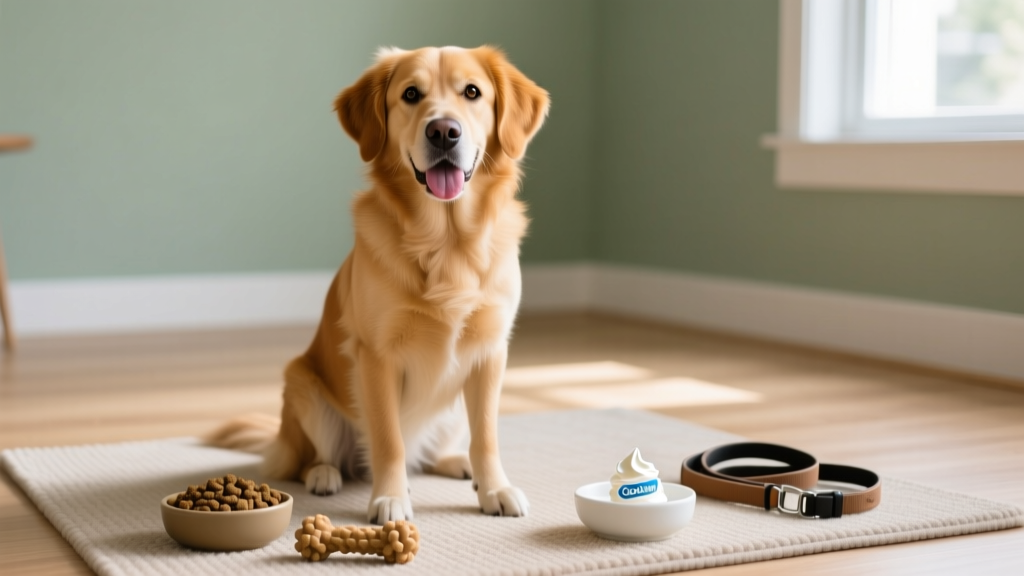
The Short Answer: Can Dogs Have Cool Whip?
Cool Whip is not toxic to dogs, but it offers almost no nutritional value and contains added sugars, artificial flavors, and dairy-derived ingredients that can trigger digestive upset in many dogs. A small taste (1–2 teaspoons) on rare occasions is unlikely to harm a healthy adult dog, but it should never become a regular treat. Dogs with lactose intolerance, diabetes, obesity, or pancreatitis should avoid Cool Whip entirely.
If you've ever dolloped a swirl of Cool Whip on your holiday pie and caught your dog giving you that unmistakable "just one lick" stare, you're not alone. Cool Whip — the shelf-stable whipped topping made by Kraft Heinz — has been a refrigerator staple since 1966. Unlike heavy whipping cream, Cool Whip is a manufactured blend of water, hydrogenated vegetable oil (coconut and palm kernel oil), high fructose corn syrup, corn syrup, skim milk, and a long list of stabilizers and emulsifiers. None of these ingredients are outright poisonous to dogs, but several raise legitimate health concerns that every dog owner should understand before sharing.
According to the ASPCA's list of toxic and non-toxic foods, dairy products fall into a gray zone — not acutely toxic, but frequently problematic due to widespread lactose intolerance in adult dogs. Cool Whip sits squarely in that gray zone. Let's break down exactly what's in it, how much (if any) is safe, and what to watch for.
What's Actually in Cool Whip? A Nutritional Breakdown
Before deciding whether to share, it helps to know what you're feeding. Here's the nutritional profile for a standard 2-tablespoon (9g) serving of Cool Whip Original, based on USDA and manufacturer data:
| Nutrient | Amount | Relevance to Dogs |
|---|---|---|
| Calories | 25 kcal | Empty calories; contributes to weight gain |
| Total Fat | 2.5 g | Mostly from hydrogenated oils; high-fat foods risk pancreatitis |
| Saturated Fat | 2.5 g | Elevated saturated fat load for a small serving |
| Total Carbohydrates | 2 g | Includes added sugars |
| Sugars | 2 g | From high fructose corn syrup and corn syrup |
| Protein | 0 g | No meaningful protein contribution |
| Sodium | 0 mg | Not a sodium concern |
| Lactose (from skim milk) | Trace (<0.5 g est.) | Can trigger symptoms in lactose-intolerant dogs |
Key takeaway: Cool Whip is essentially sweetened, stabilized fat. It provides zero vitamins, zero minerals, zero fiber, and zero protein. From a canine nutrition standpoint, it is a pure indulgence with no functional benefit. The Merck Veterinary Manual emphasizes that treats and extras should contribute meaningfully to a dog's diet or be kept to an absolute minimum — Cool Whip fails that test.
Is Cool Whip Good for Dogs Nutritionally?
No. Cool Whip contains no measurable vitamins (A, C, D, E, K, or B-complex), no minerals (calcium, iron, potassium), and no dietary fiber. It does not meet any of the nutritional requirements outlined in AAFCO dog food nutrient profiles. If you're looking for a treat that actually delivers nutrients, options like plain pumpkin purée (rich in fiber and beta-carotene) or blueberries (antioxidants and vitamin C) are far superior choices.
How Much Cool Whip Can I Give My Dog?
If you choose to give your dog Cool Whip as an occasional novelty — perhaps a tiny dollop on their birthday or a lick off your finger at Thanksgiving — portion control is critical. The general veterinary guideline is that treats and extras should comprise no more than 10% of a dog's daily caloric intake. Here's how that translates to Cool Whip specifically:
| Dog Weight Class | Example Breeds | Max Serving | Calories from Treat | Frequency |
|---|---|---|---|---|
| Toy/Small (under 15 lb / 7 kg) | Chihuahua, Pomeranian, Yorkie | 1 teaspoon (~1.5 g) | ~4 kcal | No more than once per month |
| Medium (15–50 lb / 7–23 kg) | Beagle, Cocker Spaniel, Bulldog | 1 tablespoon (~4.5 g) | ~12 kcal | No more than once per month |
| Large (50–90 lb / 23–41 kg) | Labrador, Golden Retriever, GSD | 1.5 tablespoons (~7 g) | ~19 kcal | No more than twice per month |
| Giant (over 90 lb / 41 kg) | Great Dane, Saint Bernard, Mastiff | 2 tablespoons (~9 g) | ~25 kcal | No more than twice per month |
These portions assume a healthy, adult dog at an ideal body condition score (BCS 4–5/9). If your dog is overweight, on a calorie-restricted diet, or has any metabolic condition, reduce these amounts by half or skip Cool Whip altogether.
How to Introduce Cool Whip Safely
- Start with a tiny amount: Offer no more than ¼ teaspoon on your fingertip, regardless of your dog's size. This is a tolerance test, not a treat.
- Monitor for 24–48 hours: Watch for signs of digestive upset — loose stools, gas, vomiting, excessive lip-licking, or decreased appetite.
- If no reaction occurs: You may offer the weight-appropriate serving (from the table above) on rare future occasions.
- If any symptoms appear: Do not offer Cool Whip again. Note the symptoms and mention them at your dog's next vet visit, as they may indicate lactose intolerance or a sensitivity to hydrogenated fats.
What Happens If My Dog Eats Too Much Cool Whip?
Dogs are opportunistic eaters, and an unattended tub of Cool Whip on the counter is an invitation. If your dog gets into a larger quantity than the serving sizes above, here's what to expect based on the amount consumed:
Mild Overindulgence (2–4× the recommended serving)
- Most likely symptoms: Soft stool or mild diarrhea within 6–12 hours, possible gas or mild bloating, occasional vomiting
- What to do: Withhold food for one meal (12 hours for adult dogs; do NOT fast puppies or toy breeds). Offer small amounts of water frequently. Introduce a bland diet (boiled chicken breast and white rice, 1:2 ratio) for 24–48 hours. Most dogs recover without veterinary intervention.
Significant Ingestion (half a tub or more)
- Possible symptoms: Profuse vomiting, severe diarrhea, abdominal pain (hunched posture, whining when touched), lethargy, loss of appetite lasting more than 24 hours
- Primary concern: The high fat content from hydrogenated vegetable oils can trigger acute pancreatitis, a serious inflammatory condition. Pancreatitis symptoms typically appear within 12–24 hours of a high-fat meal and include repeated vomiting, a "prayer position" stance (front legs down, rear end up), and a painful, tense abdomen.
- What to do: Contact your veterinarian immediately. Pancreatitis requires professional treatment including IV fluids, anti-nausea medications, and pain management. Treatment costs typically range from $500–$2,500 depending on severity and whether hospitalization is needed.
- Repeated vomiting (more than 2 episodes in 4 hours)
- Bloody diarrhea or vomit
- Abdominal pain or distension
- Lethargy or collapse
- Refusal to drink water for more than 12 hours
- Signs of dehydration (tacky gums, skin tenting, sunken eyes)
If your regular vet is closed, contact the ASPCA Animal Poison Control Center at (888) 426-4435 (24/7, consultation fee applies) for guidance on whether an emergency visit is warranted.
How Should I Prepare Cool Whip for My Dog?
If you've decided to give your dog a tiny taste of Cool Whip, preparation is straightforward but there are important rules:
- Serve it plain: No added toppings, syrups, chocolate shavings, or fruit mixes. Chocolate is toxic to dogs, and many fruit preparations contain xylitol (a sugar alcohol that is lethal to dogs even in small amounts).
- Serve it thawed, not frozen: Frozen Cool Whip can be a choking hazard, especially for small dogs. Let it soften to room temperature for 5–10 minutes before offering.
- Use a clean finger or spoon: Don't let your dog lick directly from the container — this introduces bacteria and makes portion control impossible.
- Check the ingredient label: Kraft occasionally reformulates. As of 2026, standard Cool Whip Original does NOT contain xylitol, but always verify. Some "sugar-free" or "light" whipped topping brands use xylitol or other artificial sweeteners that are dangerous. When in doubt, check the FDA's animal food safety page for recent recalls or alerts.
Similar Foods and Toppings to Avoid
Cool Whip exists in a family of dessert toppings and dairy products. Here's a quick safety reference for related items:
| Product | Safe for Dogs? | Key Concern |
|---|---|---|
| Cool Whip Original | Yes, with caution (tiny amounts) | Sugar, hydrogenated fat, dairy |
| Cool Whip Lite / Sugar-Free | ⚠️ CAUTION — check for xylitol | Artificial sweeteners may be toxic |
| Real whipped cream (heavy cream, whipped) | Yes, with caution (tiny amounts) | High fat, lactose; slightly better ingredient profile |
| Reddi-wip Original | Yes, with caution (tiny amounts) | Similar to Cool Whip; contains carrageenan |
| Chocolate whipped cream | ❌ NO | Chocolate (theobromine) is toxic to dogs |
| Whipped cream with xylitol | ❌ NO — TOXIC | Xylitol causes rapid hypoglycemia and liver failure |
| Coconut whipped cream (plain, unsweetened) | Yes, safer alternative | Still high in fat; no dairy or added sugar |
| Ice cream | ⚠️ CAUTION | Higher lactose and sugar content than Cool Whip |
| Yogurt (plain, unsweetened) | Yes — better option | Contains probiotics; lower lactose; check for xylitol in "light" versions |
Which Dogs Should NOT Eat Cool Whip?
Even the small servings listed above are not appropriate for every dog. Skip Cool Whip entirely if your dog falls into any of these categories:
- Puppies under 12 months: Their digestive systems are still developing, and unnecessary sugars and fats can disrupt gut flora establishment. Stick to puppy-formulated treats.
- Senior dogs (over 8–10 years, breed-dependent): Older dogs are more susceptible to pancreatitis, diabetes, and obesity. Adding empty calories and saturated fat is counterproductive to healthy aging.
- Dogs with pancreatitis (current or history): Any high-fat food can trigger a pancreatitis flare-up. This is non-negotiable.
- Dogs with diabetes mellitus: Added sugars cause blood glucose spikes that interfere with insulin management.
- Overweight or obese dogs (BCS 6–9/9): Cool Whip provides zero satiety for its calorie content, making it a poor choice for dogs on weight management plans.
- Dogs with known dairy/lactose sensitivity: If your dog has previously shown gas, diarrhea, or vomiting after eating cheese, milk, or yogurt, Cool Whip's skim milk content will likely cause similar issues.
- Dogs with inflammatory bowel disease (IBD) or food sensitivities: The artificial flavors, emulsifiers (polysorbate 60, sorbitan monostearate), and stabilizers (xanthan gum, guar gum) may aggravate sensitive GI tracts.
When in doubt about whether a specific treat is appropriate for your dog's health profile, consult your veterinarian. They can assess your dog's individual risk factors and recommend safe alternatives.
Better Alternatives: Dog-Safe "Whipped" Treats
If your goal is to give your dog a fun, creamy treat — perhaps as a food topper, a Kong stuffing, or a "puppuccino" moment — there are significantly healthier options that deliver actual nutrition:
- Plain canned pumpkin purée (not pie filling): Rich in fiber (7g per cup), beta-carotene, and potassium. A tablespoon dolloped on kibble adds moisture and digestive support. Cost: ~$2–$4 per can.
- Plain, unsweetened Greek yogurt: Lower in lactose than regular yogurt, high in protein (~15g per cup), and contains live probiotic cultures. A tablespoon is a far more functional treat. Cost: ~$4–$6 per 32oz tub.
- Unsweetened coconut cream (whipped): Dairy-free, no added sugar. Whip chilled coconut cream with a fork for a texture similar to Cool Whip. Still high in fat, so keep portions small. Cost: ~$3–$5 per can.
- Mashed banana with a drop of dog-safe peanut butter (xylitol-free): Provides potassium, vitamin B6, and healthy fats. Mash and fluff with a fork for a creamy consistency. Cost: under $1 per serving.
- Commercial "dog whipped cream" products: Brands like Dogsters and Pawse offer frozen, dog-formulated whipped treats made from goat milk or coconut. These are specifically designed for canine digestion. Cost: ~$5–$8 per box.
Frequently Asked Questions
Can dogs eat Cool Whip on a regular basis?
No. Cool Whip should be an extremely rare novelty, not a regular treat. It provides no nutritional benefit and its sugar and hydrogenated fat content can contribute to obesity, dental disease, and pancreatitis over time. Reserve it for once-a-month occasions at most, and only in the small portions outlined above.
Is Cool Whip toxic to dogs?
Cool Whip is not toxic in the way that chocolate, grapes, onions, or xylitol are toxic. No single ingredient in standard Cool Whip Original will cause acute poisoning. However, "non-toxic" does not mean "healthy" or "recommended." The combination of added sugars, hydrogenated oils, and dairy makes it a poor dietary choice for dogs.
Can Cool Whip cause diarrhea in dogs?
Yes, especially in dogs that are lactose intolerant (which includes a majority of adult dogs, according to veterinary nutrition research). The skim milk in Cool Whip contains trace lactose, and the high fat and sugar content can also cause osmotic diarrhea — where the gut pulls in excess water to process a rich, unfamiliar food. Diarrhea typically appears within 6–18 hours of ingestion.
What should I do if my dog ate a whole tub of Cool Whip?
A standard 8 oz tub contains roughly 250 calories and 25g of fat — a massive load for a small or medium dog. Monitor closely for vomiting, diarrhea, abdominal pain, and lethargy over the next 24 hours. Offer a bland diet and plenty of water. If your dog is under 20 lb (9 kg), shows any signs of pain, or vomits more than twice, contact your veterinarian. For after-hours guidance, call the ASPCA Animal Poison Control at (888) 426-4435.
Are sugar-free whipped toppings safer for dogs?
Not necessarily — and potentially much more dangerous. Many sugar-free whipped toppings and dessert products use artificial sweeteners. Xylitol, in particular, is extremely toxic to dogs, causing rapid insulin release, hypoglycemia, seizures, and liver failure. Even a small amount can be fatal. Always read the ingredient label carefully. If a product contains xylitol (sometimes listed as "birch sugar" or "birch sap"), keep it far away from your dog. If ingestion occurs, treat it as an emergency and call your vet or poison control immediately.
Can I use Cool Whip to hide my dog's medication?
It can work in a pinch for a single dose, but it's not ideal. The sweet taste may mask bitter pills, but the sugar and fat content make it a poor daily pill-hiding vehicle, especially for dogs on long-term medications. Better options include commercial pill-hiding treats (like Greenies Pill Pockets), a small piece of xylitol-free peanut butter, or a bit of low-sodium cream cheese. Ask your veterinarian for their recommendation based on the specific medication.
Bottom Line: A Tiny Taste Won't Hurt, But It Won't Help Either
Cool Whip is one of those human foods that sits in the "technically not poisonous but nutritionally pointless" category. A teaspoon on your dog's birthday cake won't send you rushing to the emergency clinic, but making it a habit could contribute to weight gain, digestive issues, and — in susceptible dogs — pancreatitis. Your dog doesn't know the difference between Cool Whip and a spoonful of plain pumpkin purée, but their pancreas certainly does. When it comes to treats, choose options that earn their calories.
Dr. Hannah Wickes
All our authors care for dogs every day — read more of their work on the authors page.


