Cushing's Disease in Dogs: Cure, Treatment Options & What to Expect
Is there a cure for Cushing's disease in dogs? Explore treatment options, costs, prognosis, and daily management strategies for canine hyperadrenocorticism.
What Is Cushing's Disease in Dogs?
Cushing's disease, clinically known as hyperadrenocorticism, is a hormonal disorder caused by the overproduction of cortisol — a steroid hormone essential for metabolism, immune response, and stress management. In healthy dogs, the pituitary gland signals the adrenal glands to release precise amounts of cortisol. When this regulatory system breaks down, cortisol floods the body, triggering a cascade of metabolic, dermatological, and organ-level complications.
Approximately 80–85% of canine Cushing's cases are pituitary-dependent hyperadrenocorticism (PDH), caused by a benign tumor on the pituitary gland. The remaining 15–20% result from adrenal-dependent hyperadrenocorticism (ADH), where a tumor on one or both adrenal glands autonomously secretes cortisol. A third form, iatrogenic Cushing's syndrome, develops from prolonged administration of corticosteroid medications like prednisone or dexamethasone.
Cushing's disease affects roughly 1 to 2 dogs per 1,000, making it one of the more common endocrine disorders in middle-aged and senior canines. According to the Merck Veterinary Manual, the average age of onset is 7 to 12 years, though it can occur earlier in predisposed breeds.
Is There a Cure for Cushing's Disease in Dogs?
The honest answer depends on the underlying cause. For adrenal-dependent Cushing's, surgical removal of the affected adrenal gland can be curative in approximately 50–60% of cases where the tumor is benign (adenoma). If the adrenal tumor is malignant (adenocarcinoma), the prognosis is guarded, and surgery may not fully resolve the disease.
For pituitary-dependent Cushing's — the most common form — there is no definitive cure in the traditional sense. The pituitary microadenoma is rarely surgically removable in veterinary practice (though transsphenoidal hypophysectomy is performed at a handful of specialized centers, primarily in Europe and at select U.S. university hospitals). Instead, PDH is managed long-term with medication that suppresses cortisol production. With consistent treatment and monitoring, most dogs with PDH live comfortably for years.
Iatrogenic Cushing's is potentially fully reversible by gradually tapering off the offending corticosteroid under veterinary supervision. However, the underlying condition that required steroids must then be managed through alternative therapies.
Symptoms of Cushing's Disease: Early Warning Signs vs. Advanced Signs
Cushing's disease is notoriously insidious. Symptoms develop gradually over months or even years, and many owners initially attribute changes to normal aging. Recognizing the pattern early dramatically improves management outcomes.
| Category | Early Warning Signs | Advanced / Severe Symptoms |
|---|---|---|
| Thirst & Urination | Increased water intake (polydipsia), more frequent potty breaks | House soiling in previously house-trained dogs, urinary incontinence, recurrent UTIs |
| Appetite | Noticeably increased hunger (polyphagia), begging behavior | Ravenous eating, counter-surfing, food aggression onset |
| Body Condition | Mild abdominal rounding | Pronounced "pot-bellied" appearance, visible muscle wasting along spine and limbs |
| Coat & Skin | Thinning fur on flanks and trunk, slower regrowth after grooming | Bilateral symmetrical alopecia (hair loss), thin/fragile skin, calcified skin plaques (calcinosis cutis), darkened skin patches |
| Energy & Behavior | Mild lethargy, reduced exercise tolerance | Significant weakness, difficulty climbing stairs, excessive panting at rest |
| Reproductive | Irregular heat cycles in intact females | Testicular atrophy in intact males, complete cessation of estrus |
| Neurological | Rare in early stages | Disorientation, head pressing, seizures (indicates macroadenoma — a large pituitary tumor pressing on brain tissue) |
Risk Factors: Which Dogs Are Most Likely to Develop Cushing's?
Cushing's Disease Risk Profile
- Age: Most commonly diagnosed in dogs aged 7–12 years; rare in dogs under 6
- Sex: Females are slightly more predisposed than males (approximately 60:40 ratio for PDH)
- Spay/Neuter Status: Spayed females have a statistically higher incidence rate
- Weight: Overweight and obese dogs are overrepresented, though obesity is also a symptom of the disease itself
- Medication History: Dogs receiving long-term corticosteroids (prednisone, dexamethasone, methylprednisolone) for allergies, autoimmune disease, or cancer are at risk for iatrogenic Cushing's
- Genetics: Strong breed predisposition (see below)
Breeds Prone to Cushing's Disease
According to data referenced by the American Kennel Club, the following breeds show elevated risk:
| Breed | Primary Type | Notes |
|---|---|---|
| Poodle (Miniature & Standard) | PDH | Among the highest-risk breeds |
| Dachshund | PDH | Especially miniature varieties |
| Yorkshire Terrier | PDH | Small breed predisposition |
| German Shepherd | ADH | Higher relative risk for adrenal tumors |
| Beagle | PDH | Moderate predisposition |
| Boston Terrier | PDH | Brachycephalic breed risk |
| Boxer | PDH | Noted in multiple epidemiological surveys |
| Terrier breeds (various) | PDH/ADH | Includes Staffordshire, Australian, and Cairn Terriers |
Any dog can develop Cushing's disease regardless of breed, but if your dog belongs to one of these groups and is over age 7, heightened vigilance for early symptoms is warranted.
How Is Cushing's Disease Diagnosed in Dogs?
Diagnosing Cushing's requires a multi-step process because no single test is 100% definitive, and several other conditions (diabetes, hypothyroidism, liver disease) can mimic its symptoms. Your veterinarian will typically follow a staged diagnostic approach:
Diagnostic Process Flowchart
- Clinical Suspicion → Based on symptom presentation and physical exam findings (pot-bellied appearance, symmetrical hair loss, muscle wasting)
- Baseline Blood Work & Urinalysis → Complete blood count (CBC), serum chemistry panel, and urinalysis. Common findings include elevated alkaline phosphatase (ALP), elevated ALT, stress leukogram, dilute urine (low specific gravity), and possible proteinuria. Estimated cost: $150–$300
- Screening Tests →
- Low-Dose Dexamethasone Suppression Test (LDDST): Blood is drawn before and at 4 and 8 hours after a small dexamethasone injection. In healthy dogs, cortisol suppresses; in Cushing's dogs, it does not. Sensitivity: ~95% for PDH. Cost: $200–$400
- Urine Cortisol:Creatinine Ratio (UCCR): A non-invasive home-collected urine sample. Excellent for ruling OUT Cushing's if results are normal, but not definitive for ruling it in. Cost: $50–$100
- Confirmatory / Differentiating Tests →
- ACTH Stimulation Test: Measures adrenal reserve by checking cortisol before and 1 hour after synthetic ACTH injection. Sensitivity: ~80% for PDH, ~95% for ADH. Cost: $200–$350
- High-Dose Dexamethasone Suppression Test (HDDST): Helps differentiate PDH from ADH. In PDH, high-dose dexamethasone may partially suppress cortisol; in ADH, it typically does not. Cost: $200–$400
- Endogenous ACTH Level: A single blood draw measuring circulating ACTH. High levels suggest PDH; low/undetectable levels suggest ADH. Cost: $100–$200
- Imaging →
- Abdominal Ultrasound: Evaluates adrenal gland size and shape. Symmetrically enlarged adrenals suggest PDH; one enlarged and one atrophied suggests ADH. Also assesses liver for metastasis. Cost: $300–$600
- Brain MRI (if neurological signs present): Identifies pituitary macrotumors (>10 mm). Typically performed at specialty centers. Cost: $1,500–$3,000
Total diagnostic cost range: Expect to spend between $600 and $1,500 for a complete Cushing's diagnostic workup in general practice. If advanced imaging (MRI) or specialist consultation is needed, costs can reach $3,000–$5,000.
Treatment Options for Cushing's Disease in Dogs
Treatment strategy depends on whether the disease is pituitary-dependent, adrenal-dependent, or iatrogenic. Below is a comparison of the primary treatment modalities:
| Treatment | Type Used For | Mechanism | Success Rate | Ongoing Cost |
|---|---|---|---|---|
| Trilostane (Vetoryl®) | PDH and ADH | Inhibits 3β-hydroxysteroid dehydrogenase, blocking cortisol synthesis in adrenal glands | 80–90% clinical improvement; lifelong management required | $50–$150/month depending on dose and dog size |
| Mitotane (Lysodren®) | PDH and ADH | Selectively destroys the cortisol-producing zona fasciculata of the adrenal cortex | 70–85% response rate; requires careful induction phase monitoring | $30–$80/month |
| Adrenalectomy | ADH (benign tumors) | Surgical removal of the affected adrenal gland | Curative in ~50–60% of benign cases; perioperative mortality 5–10% | $3,000–$7,000 (one-time surgical cost) |
| Transsphenoidal Hypophysectomy | PDH (select cases) | Surgical removal of the pituitary tumor through the sphenoid bone | ~70–80% remission at specialized centers; limited availability | $5,000–$10,000+ (specialist surgery) |
| Radiation Therapy | PDH with macrotumors | Targets and shrinks large pituitary tumors to relieve neurological pressure | Improves neurological signs in ~75% of cases; does not cure hormonal excess | $4,000–$8,000 (course of treatment) |
| Steroid Tapering | Iatrogenic | Gradual withdrawal of exogenous corticosteroids | Fully reversible in most cases if tapering is properly managed | Minimal (veterinary monitoring visits only) |
Trilostane (Vetoryl®): The Current Gold Standard
Since receiving FDA approval for veterinary use, trilostane has become the first-line medical treatment for canine Cushing's disease. It is administered orally once or twice daily with food. The starting dose is typically 1–2 mg/kg once daily, adjusted based on follow-up ACTH stimulation tests performed at 10–14 days, 30 days, 90 days, and then every 3–6 months thereafter.
Important: Trilostane requires consistent veterinary monitoring. Over-suppression of cortisol can lead to an Addisonian crisis — a life-threatening condition characterized by vomiting, diarrhea, collapse, and electrolyte imbalances. If your dog on trilostane shows these signs, stop the medication and contact your veterinarian immediately.
Mitotane (Lysodren®): The Older Alternative
Mitotane was the standard treatment before trilostane's approval. It involves an induction phase (daily dosing until clinical signs begin to improve or appetite decreases, typically 5–10 days) followed by a maintenance phase (dosing 2–3 times per week). It remains useful in some cases, particularly when trilostane is ineffective or unavailable, but carries a higher risk of adverse effects including permanent adrenal destruction.
Prognosis and Life Expectancy for Dogs with Cushing's Disease
| Scenario | Median Survival Time | Quality of Life Outlook |
|---|---|---|
| PDH, well-managed with trilostane | 2–2.5 years from diagnosis (many live 3–5+ years) | Excellent with consistent monitoring; most symptoms resolve within 2–6 months of treatment |
| PDH, untreated | Variable; months to 1–2 years depending on complications | Poor; progressive muscle wasting, recurrent infections, potential diabetes development, kidney damage |
| ADH, benign tumor, surgery successful | 18 months to 4+ years; potentially cured | Very good if surgery is uncomplicated and contralateral adrenal gland recovers function |
| ADH, malignant tumor (adenocarcinoma) | 6–18 months with treatment | Guarded; metastasis to liver, lungs, or vena cava is common |
| PDH with pituitary macrotumor | 6–12 months without radiation; variable with treatment | Depends on tumor size and neurological involvement |
| Iatrogenic Cushing's | Normal lifespan expected after proper tapering | Excellent; full recovery once steroid effects resolve |
Survival times are influenced by comorbidities — conditions that coexist with Cushing's. Approximately 10–15% of dogs with Cushing's also develop diabetes mellitus, and concurrent hypothyroidism, recurrent urinary tract infections, and hypertension are common. Managing these secondary conditions is essential for maximizing both lifespan and comfort.
Home Care and Daily Management
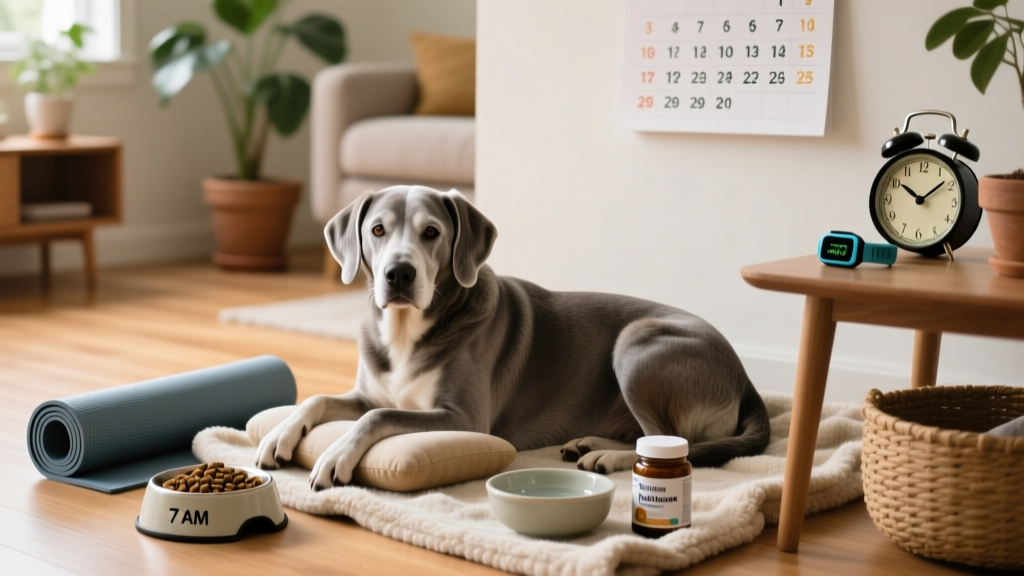
Living with a dog diagnosed with Cushing's disease requires a structured management routine. Here is what daily and ongoing care looks like in practice:
Daily Care Requirements
- Medication administration: Give trilostane or mitotane at the same time(s) each day, always with food. Use a pill organizer or phone alarm to maintain consistency.
- Water access: Never restrict water intake, even if your dog drinks excessively. Increased thirst is a symptom of the disease and will improve as cortisol levels normalize with treatment.
- Meal management: Feed measured meals 2–3 times daily rather than free-feeding. Increased appetite is a symptom, not a sign your dog needs more food. Work with your vet to determine caloric needs based on ideal (not current) body weight.
- Potty schedule: Increase outdoor bathroom breaks. Accidents are a symptom of the disease, not a training failure — never punish a dog for Cushing's-related incontinence.
- Skin monitoring: Check for new areas of hair loss, skin infections, or calcinosis cutis (hardened, calcium-encrusted skin patches) weekly.
Veterinary Monitoring Schedule
- 10–14 days post-treatment start: ACTH stimulation test and electrolyte panel
- 30 days: ACTH stimulation test, clinical signs assessment, dose adjustment if needed
- 90 days: Full recheck — ACTH stimulation test, CBC, chemistry panel, urinalysis, blood pressure
- Every 3–6 months ongoing: ACTH stimulation test, organ function monitoring, dose adjustment
Lifestyle Adjustments
Dogs with Cushing's often have muscle weakness and exercise intolerance. Adjust walks to shorter, more frequent outings on flat terrain. Provide ramps or steps for furniture access if jumping becomes difficult. Orthopedic bedding helps dogs with muscle wasting rest more comfortably. Keep the home environment cool — impaired thermoregulation makes Cushing's dogs more susceptible to heat stress.
Cost of Cushing's Disease Treatment: What to Budget
Cushing's disease is a long-term financial commitment. Here is a realistic cost breakdown based on 2025–2026 U.S. veterinary pricing:
| Expense Category | Estimated Cost Range | Frequency |
|---|---|---|
| Initial diagnostic workup (blood work, LDDST, ACTH stim, ultrasound) | $800–$2,000 | One-time |
| Trilostane (Vetoryl®) medication | $50–$150/month | Ongoing (lifelong for PDH) |
| Mitotane (Lysodren®) medication | $30–$80/month | Ongoing |
| Monitoring visits with ACTH stim test | $200–$400/visit | 4–6 times first year, then 2–3 times/year |
| Adrenal tumor surgery (adrenalectomy) | $3,000–$7,000 | One-time (if applicable) |
| Pituitary surgery (hypophysectomy) | $5,000–$10,000+ | One-time (if applicable) |
| Radiation therapy for macrotumors | $4,000–$8,000 | Course of treatment |
| Emergency visit (Addisonian crisis) | $1,000–$3,000+ | As needed |
| Estimated First-Year Total (PDH, medical management) | $2,500–$5,000 | Year one |
| Estimated Annual Ongoing Cost | $1,200–$2,500 | Each subsequent year |
Pet insurance can offset some costs if Cushing's is diagnosed after the policy's effective date and is not excluded as a pre-existing condition. Review your policy's endocrine disease coverage and annual payout limits carefully. Plans with higher annual maximums ($10,000–$30,000) are better suited for managing chronic endocrine conditions.
Prevention Strategies
There is no proven method to prevent naturally occurring (pituitary- or adrenal-dependent) Cushing's disease, as the underlying cause involves spontaneous tumor development. However, you can reduce risk and improve early detection outcomes:
- Limit unnecessary corticosteroid use: Work with your veterinarian to explore steroid-sparing alternatives for chronic allergies or inflammation, such as oclacitinib (Apoquel®), lokivetmab (Cytopoint®), or immunotherapy. If steroids are necessary, use the lowest effective dose for the shortest duration.
- Annual senior wellness screening: For dogs over age 7, annual blood work and urinalysis can catch early biochemical changes (elevated ALP, dilute urine) before overt symptoms appear.
- Maintain healthy body condition: While obesity does not directly cause Cushing's, it complicates diagnosis (many symptoms overlap) and worsens overall prognosis.
- Know your breed's risks: If you own a predisposed breed, discuss Cushing's screening with your veterinarian at annual wellness visits starting at age 6–7.
Frequently Asked Questions
Can Cushing's disease in dogs be cured naturally?
There is no scientifically validated natural cure for Cushing's disease in dogs. Some supplements — such as melatonin, lignans (from flaxseed), and phosphatidylserine — have been studied for their potential to modestly reduce cortisol levels or support adrenal function, but none have demonstrated efficacy comparable to trilostane or mitotane in peer-reviewed clinical trials. These supplements may serve as supportive adjuncts under veterinary guidance, but should never replace prescribed medical treatment. Untreated Cushing's progressively damages organs and shortens lifespan.
What happens if Cushing's disease is left untreated in dogs?
Without treatment, excess cortisol progressively damages multiple body systems. Dogs develop worsening muscle atrophy, become prone to serious infections (UTIs, skin infections, pneumonia) due to immune suppression, face increased risk of developing diabetes mellitus and pancreatitis, and may experience kidney damage from chronic hypertension. Pituitary tumors can grow and cause neurological deficits. Most untreated dogs experience declining quality of life over months to 1–2 years, though progression rate varies.
Is Cushing's disease in dogs painful?
Cushing's itself is not typically acutely painful, but the secondary conditions it causes can be. Calcinosis cutis (calcium deposits in the skin) can be uncomfortable. Recurrent urinary tract infections cause burning and urgency. Muscle wasting leads to joint stress and mobility discomfort. Pancreatitis, which occurs at higher rates in Cushing's dogs, is intensely painful. Effective treatment of the underlying cortisol excess generally resolves or significantly reduces these secondary discomforts.
How long does it take for Cushing's disease symptoms to improve after starting treatment?
Most owners notice a reduction in excessive drinking and urination within 2–4 weeks of starting trilostane. Appetite normalization typically follows within 4–8 weeks. Coat regrowth is the slowest improvement — hair may take 3–6 months or longer to noticeably thicken, and some dogs never fully regain their original coat density. Muscle tone improves gradually over 2–6 months with appropriate exercise.
Can a dog with Cushing's disease live a normal life?
Yes. With appropriate medication, regular monitoring, and dose adjustments, most dogs with pituitary-dependent Cushing's disease return to a near-normal lifestyle within the first few months of treatment. They play, walk, eat regular meals, and interact normally with their families. The key is consistent veterinary follow-up — dogs whose medication is properly titrated based on ACTH stimulation tests have significantly better outcomes than those whose doses are set and never re-evaluated.
Aaron Whyte
All our authors care for dogs every day — read more of their work on the authors page.