Can Dogs Eat Dill Weed? A Complete Safety & Serving Guide
Can dogs eat dill weed? Yes, in small amounts. Learn safe serving sizes by weight, nutritional benefits, preparation tips, and when to call your vet.
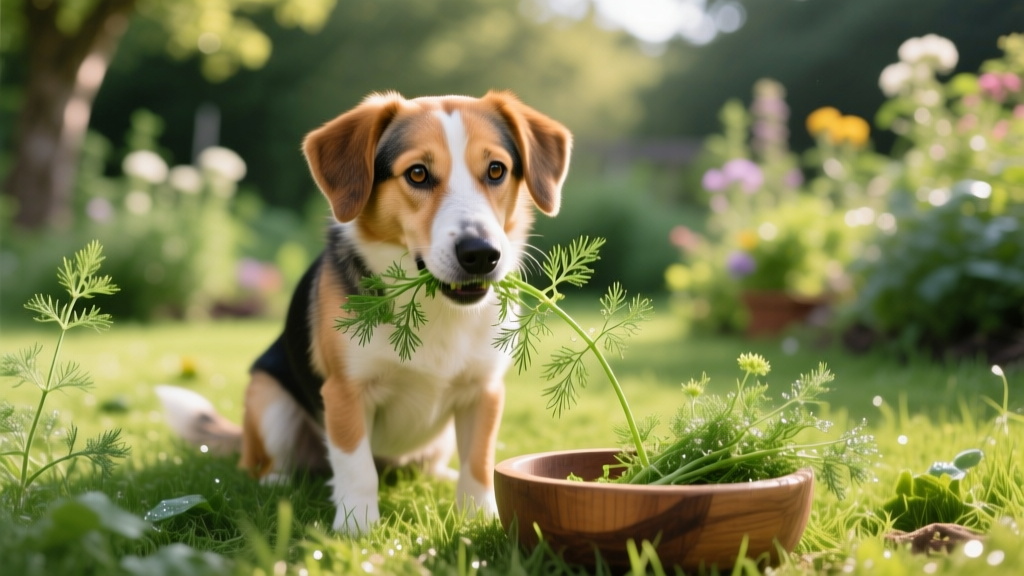
If you've ever been chopping fresh dill for a salmon recipe and noticed your dog hovering at your feet, you've probably wondered: can dogs eat dill weed? The short answer is yes — dill weed (the leafy fronds of the Anethum graveolens plant) is non-toxic to dogs and safe to offer as an occasional food topper or treat garnish. However, "safe" doesn't mean "unlimited." Dill contains essential oils that can irritate a dog's gastrointestinal tract in large quantities, and the way you prepare it matters enormously.
Dill weed is non-toxic to dogs according to the ASPCA's plant toxicity database. Fresh or dried dill leaves can be sprinkled over your dog's regular food as an aromatic topper. Stick to the serving sizes below and always introduce gradually over 24–48 hours. Avoid dill essential oil entirely — it is highly concentrated and potentially dangerous.
Nutritional Profile: What Dill Actually Offers Your Dog
Dill weed isn't a nutritional powerhouse for canines the way it can be for humans, but it does carry some beneficial compounds. According to USDA FoodData Central, one tablespoon (approximately 3 grams) of fresh dill contains:
| Nutrient | Amount | Relevance to Dogs |
|---|---|---|
| Calories | 1.3 kcal | Negligible — won't impact daily caloric intake |
| Vitamin A | 23 IU | Supports vision and immune function |
| Vitamin C | 2.5 mg | Antioxidant; dogs synthesize their own but dietary sources help |
| Calcium | 6.2 mg | Bone health (minimal contribution at this serving size) |
| Manganese | 0.04 mg | Enzyme activation and metabolism |
| Fiber | 0.06 g | Negligible digestive benefit at safe serving sizes |
| Flavonoids (kaempferol, vicenin) | Trace | Anti-inflammatory and antioxidant properties |
The real value of dill for dogs isn't in macronutrients — it's in its aromatic and carminative (gas-reducing) properties. Some holistic veterinarians have historically used small amounts of dill to help ease mild flatulence or bloating discomfort, though this should never replace veterinary evaluation for conditions like gastric dilatation-volvulus (GDV), which is a life-threatening emergency.
Safe Serving Sizes by Dog Weight
The most common mistake owners make with herbs is assuming "natural" means "feed freely." Dill's essential oils — primarily carvone and limonene — can cause digestive upset when consumed in excess. Here are precise, weight-based serving guidelines:
| Dog Weight Class | Weight Range | Fresh Dill (per serving) | Dried Dill (per serving) | Max Frequency |
|---|---|---|---|---|
| Toy/Small | Under 15 lb (7 kg) | ¼ teaspoon, finely chopped | 1 small pinch (~⅛ tsp) | 2–3 times per week |
| Medium | 15–50 lb (7–23 kg) | ½ teaspoon, chopped | ¼ teaspoon | 3–4 times per week |
| Large | 50–90 lb (23–41 kg) | 1 teaspoon, chopped | ½ teaspoon | 3–4 times per week |
| Giant | Over 90 lb (41+ kg) | 1½ teaspoons, chopped | ¾ teaspoon | 3–4 times per week |
Important note on dried vs. fresh: Dried dill is more concentrated in essential oils by volume. Always reduce the serving size by roughly half when using dried dill weed compared to fresh. Never use dill seed in place of dill weed — the seeds contain higher concentrations of carvone and can be harder for small dogs to digest.
How to Prepare Dill Weed for Your Dog
Preparation matters. Here's a step-by-step approach to safely offering dill to your dog:
- Choose fresh or dried plain dill weed. Look for organic options when possible to minimize pesticide residue. Avoid any dill products with added salt, garlic powder, onion powder, or seasoning blends — these additives (especially garlic and onion) are toxic to dogs.
- Wash fresh dill thoroughly. Rinse under cool running water for 15–20 seconds to remove dirt, insects, and surface chemicals. Pat dry with a clean towel.
- Remove the thick stems. The fibrous stalks are a choking hazard, particularly for small breeds. Use only the soft, feathery fronds.
- Chop finely. Mince the fronds into small pieces (roughly ⅛-inch or smaller) to reduce choking risk and improve digestibility. A mezzaluna or kitchen shears work well.
- Sprinkle over your dog's regular meal. Mix the chopped dill into wet food, or lightly press it into a small dab of plain pumpkin puree or peanut butter (xylitol-free) to create a treat topper.
- Do NOT cook dill specifically for your dog. While cooked dill isn't harmful, heat degrades the beneficial volatile compounds. Raw, fresh-chopped dill offers the most aromatic benefit.
When Dill Becomes a Problem: Risks and Side Effects
At the serving sizes listed above, dill weed is very well tolerated by the vast majority of dogs. But there are scenarios where problems arise:
Gastrointestinal Upset
The most common side effect of overfeeding dill is mild GI distress — loose stools, increased gas, or a single episode of vomiting. This typically resolves within 12–24 hours once dill is removed from the diet. If symptoms persist beyond 24 hours, contact your veterinarian.
Dill Essential Oil — A Hard No
Dill essential oil is extremely concentrated and should never be given to dogs orally or applied topically without direct veterinary supervision. Essential oils contain 50–100 times the concentration of active compounds found in the fresh plant. Ingestion can cause vomiting, diarrhea, central nervous system depression, and in severe cases, liver damage. Keep all essential oil bottles stored securely away from curious noses.
Dill Pickles — Not the Same Thing
Owners sometimes confuse dill weed (the herb) with dill-flavored pickles. Pickles are loaded with sodium (a single dill pickle spear can contain 200–300 mg of sodium — excessive for a small dog) and often include garlic, onion, and other spices in the brine. Do not feed pickles to dogs. The sodium content alone can cause excessive thirst, sodium ion poisoning in extreme cases, and the garlic/onion in brine poses a genuine toxicity risk.
Allergic Reactions
True allergies to dill in dogs are rare but documented in veterinary literature. Dogs in the Apiaceae plant family sensitivity group (which includes reactions to celery, carrots, or parsley) may cross-react to dill. Watch for:
- Facial swelling or hives within 1–2 hours of ingestion
- Itching, particularly around the muzzle and paws
- Vomiting or diarrhea within 4–6 hours
- Lethargy or unusual behavior
Dogs Who Should NOT Eat Dill Weed
While dill is broadly safe, certain dogs should skip it entirely:
- Puppies under 6 months: Their digestive systems are still developing, and introducing non-essential herbs can disrupt gut flora establishment. Stick to a complete and balanced puppy diet approved by your vet.
- Dogs with known kidney disease: While dill's mineral content is low, any dietary addition for a dog on a therapeutic renal diet should be cleared by your veterinarian first. Prescription diets (like Hill's k/d or Royal Canin Renal) are carefully calibrated, and even small additions can alter mineral balance.
- Dogs on anticoagulant medications: Dill contains trace amounts of vitamin K and coumarin-related compounds. While the amounts in the serving sizes above are clinically insignificant for most dogs, if your dog is on warfarin or similar blood thinners, consult your vet before adding any new herbs.
- Dogs with a history of calcium oxalate bladder stones: Some herbs contain oxalates. Dill's oxalate content is low compared to spinach or beet greens, but dogs with recurrent urolithiasis should have all dietary additions reviewed by their veterinarian.
- Pregnant or nursing dogs: There is insufficient safety data on dill consumption during canine pregnancy and lactation. Err on the side of caution and avoid it.
Related Foods and Herbs: What's Safe and What Isn't
If you're exploring herbs for your dog, here's how dill compares to other common kitchen herbs:
| Herb | Safe for Dogs? | Notes |
|---|---|---|
| Dill weed (fresh/dried) | Yes, in small amounts | Avoid essential oil and dill seed in large quantities |
| Parsley (curly-leaf) | Yes, in small amounts | Avoid spring parsley (Cymopterus watsonii) — toxic |
| Basil | Yes, in small amounts | Generally well tolerated; anti-inflammatory properties |
| Cilantro/Coriander | Yes, in small amounts | Some dogs dislike the taste; not harmful |
| Chives | NO — Toxic | Allium family; causes hemolytic anemia in dogs |
| Garlic | NO — Toxic | Allium family; dose-dependent red blood cell damage |
| Onion (any form) | NO — Toxic | Allium family; toxic in raw, cooked, and powdered forms |
| Rosemary | Yes, in very small amounts | Avoid in dogs with seizure disorders — may lower seizure threshold |
| Mint (peppermint/spearmint) | Caution | Small amounts of fresh leaf OK; essential oils are dangerous |
Contact your vet or the ASPCA Animal Poison Control Center at (888) 426-4435 (24/7, consultation fee applies) if your dog:
- Ingested dill essential oil (any amount)
- Ate a large quantity of fresh or dried dill (more than 5x the recommended serving)
- Shows repeated vomiting (more than 2 episodes in 12 hours)
- Has bloody or black, tarry stools
- Displays facial swelling, hives, or difficulty breathing (possible anaphylaxis — go to emergency vet immediately)
- Is lethargic, uncoordinated, or unresponsive after ingestion
This article provides general guidance and does not replace professional veterinary advice. Always consult your veterinarian before making dietary changes, especially for dogs with existing health conditions.
How to Introduce Dill to Your Dog's Diet Safely
If you've decided to try dill as an occasional food topper, follow this introduction protocol:
- Day 1: Offer a single serving at roughly half the recommended amount for your dog's weight class. For a 30 lb (14 kg) dog, that means about ¼ teaspoon of fresh chopped dill.
- Days 1–2: Monitor closely for any signs of GI upset — changes in stool consistency, increased gas, vomiting, or appetite changes. Keep a brief log if your dog has a sensitive stomach history.
- Day 3: If no adverse reactions, you can offer a full serving at the recommended amount.
- Ongoing: Limit dill to 2–4 times per week, not daily. Rotating herbs and toppers provides variety and prevents overexposure to any single plant compound.
A practical tip from multi-dog households: if you're feeding dill for the first time, introduce it to only one dog at a time. This way, if someone has a reaction, you'll know exactly which dog it was and what they ate.
Frequently Asked Questions
Can dogs eat dill weed every day?
While small amounts are non-toxic, daily feeding isn't recommended. Dill's essential oils can accumulate and cause low-grade GI irritation over time. Stick to 2–4 times per week as a maximum frequency. Your dog's primary nutrition should always come from a complete and balanced commercial diet or a veterinary nutritionist-formulated homemade diet.
Is dill weed good for dogs nutritionally?
Dill offers trace amounts of vitamins A and C, calcium, and manganese, but at the safe serving sizes for dogs, these contributions are nutritionally negligible. The more relevant benefit is its carminative (gas-reducing) and aromatic properties, which some dogs find appealing and which may mildly support digestion. It should be viewed as a food topper or enrichment addition, not a nutritional supplement.
What happens if my dog eats too much dill weed?
If your dog raids the herb garden and eats a large quantity of fresh dill (for example, an entire bunch), expect mild to moderate GI upset — vomiting, diarrhea, and gas within 2–8 hours. Withhold food for 12 hours, offer small amounts of water frequently, and monitor. If vomiting persists beyond 24 hours, if there's blood in the stool, or if your dog becomes lethargic, contact your veterinarian immediately.
Can puppies eat dill weed?
It's best to avoid giving dill to puppies under 6 months of age. Their digestive systems are still maturing, and introducing non-essential herbs can cause unnecessary GI disruption. Focus on a high-quality, AAFCO-approved puppy diet during this critical growth phase.
Is dill seed safe for dogs?
Dill seed contains higher concentrations of carvone than the leafy fronds and is more difficult for small dogs to digest. While a few seeds accidentally ingested won't cause harm, intentionally feeding dill seed is not recommended. Stick to the fresh or dried leafy fronds (dill weed) at the serving sizes outlined above.
Can I give my dog dill pickles?
No. Dill pickles are high in sodium and often contain garlic, onion, and other spices in the brine that are toxic to dogs. A single pickle spear can contain 200–300 mg of sodium — far too much for a small dog. The "dill" flavor in pickles comes from the brining process and doesn't provide any of the same benefits as fresh dill weed.
My dog ate something with dill in it — should I worry?
If it was plain dill weed sprinkled on food, there's no cause for concern at the serving sizes listed above. If it was a dish containing dill alongside garlic, onion, excessive salt, or other harmful ingredients, focus on the toxic ingredients rather than the dill itself. Contact the ASPCA Poison Control at (888) 426-4435 if you're unsure about the safety of what your dog consumed.
Dr. Hannah Wickes
All our authors care for dogs every day — read more of their work on the authors page.


