Can Dogs Eat Cashews? Safety, Serving Sizes & Risks Explained
Can dogs eat cashews safely? Learn vet-backed serving sizes by weight, preparation tips, nutritional benefits, and when to avoid feeding cashews to your dog.
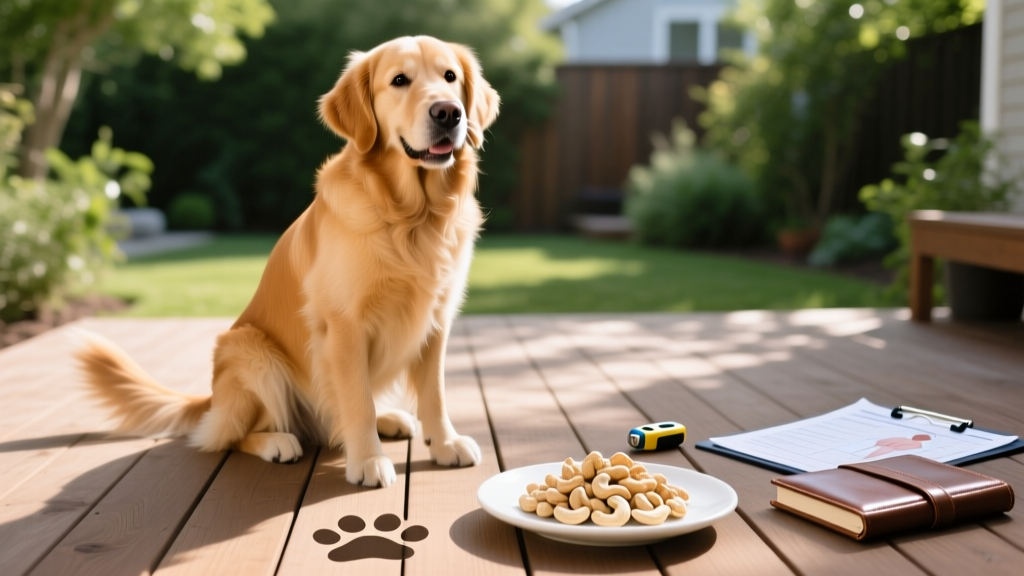
Safety Verdict: YES — With Caution
Can dogs eat cashews? Yes, plain, unsalted, unshelled cashews are safe for most healthy adult dogs in small quantities. However, they are high in fat (approximately 13 grams per ounce), which means overfeeding can trigger pancreatitis, obesity, or gastrointestinal distress. Cashews should only be offered as an occasional treat — never a dietary staple — and must always be roasted or steamed, never raw, and free of salt, seasoning, or coatings.
If you've ever dropped a handful of trail mix and watched your dog vacuum up whatever hit the floor, you've probably wondered which nuts are actually safe. Cashews sit in a middle ground: they aren't toxic the way macadamia nuts are, but they aren't a free-for-all snack either. Understanding the right serving size, preparation method, and risk factors is essential before you toss your pup a nut from your snack bowl.
Nutritional Profile of Cashews for Dogs
Cashews contain several nutrients that support canine health when fed in controlled portions. According to USDA FoodData Central, one ounce (about 18 whole cashews) of dry-roasted, unsalted cashews provides:
| Nutrient | Amount per 1 oz (28g) | Relevance to Dogs |
|---|---|---|
| Calories | 163 kcal | High — significant for small dogs |
| Total Fat | 13.1 g | Pancreatitis risk if overfed |
| Protein | 4.3 g | Modest supplemental source |
| Fiber | 0.9 g | Minimal digestive benefit |
| Magnesium | 74 mg | Supports muscle and nerve function |
| Iron | 1.7 mg | Red blood cell production |
| Zinc | 1.6 mg | Immune support and skin health |
| Vitamin K | 9.7 mcg | Blood clotting function |
| Vitamin B6 | 0.12 mg | Metabolism and brain function |
| Calcium | 12 mg | Bone health (minimal contribution) |
While these minerals sound beneficial, the fat-to-nutrient ratio is the real story. A 20-pound dog consuming just one ounce of cashews takes in roughly 25% of their daily caloric needs from a single snack — with very little nutritional payoff relative to the caloric load. The American Kennel Club notes that most nuts, including cashews, are best reserved for rare treats rather than nutritional supplementation.
Safe Serving Sizes by Dog Weight
Precision matters here. "A few cashews" means very different things for a Chihuahua versus a Labrador. Use the following table as a maximum serving guideline — and remember, this is per day, not per meal.
| Dog Weight Class | Weight Range | Max Cashews per Serving | Approximate Calories | Frequency |
|---|---|---|---|---|
| Toy / Small | 5–15 lb (2–7 kg) | 2–3 whole cashews | 18–27 kcal | 2–3 times per week max |
| Medium | 16–40 lb (7–18 kg) | 4–5 whole cashews | 36–45 kcal | 2–3 times per week max |
| Large | 41–80 lb (18–36 kg) | 6–8 whole cashews | 54–72 kcal | 2–3 times per week max |
| Giant | 80+ lb (36+ kg) | 8–10 whole cashews | 72–90 kcal | 2–3 times per week max |
The 10% rule: Treats of any kind — including cashews — should never exceed 10% of your dog's total daily caloric intake. For a 30-pound dog eating roughly 700 calories per day, that's a 70-calorie treat budget. Eight cashews (~72 kcal) would consume nearly all of it, leaving no room for training treats or other snacks that day.
How to Prepare Cashews for Your Dog
Preparation isn't optional — it's a safety requirement. Here's a step-by-step breakdown:
- Choose unsalted, dry-roasted or steamed cashews only. Raw cashews contain urushiol, the same compound found in poison ivy, which can cause skin irritation and digestive inflammation. Commercial processing (roasting or steaming) neutralizes urushiol. Never feed truly raw cashews.
- Check the ingredient list. The only ingredient should be "cashews." Avoid anything with added salt, garlic powder, onion powder, paprika, sugar, honey glaze, chocolate coating, or xylitol (a sweetener highly toxic to dogs).
- Skip the shell entirely. Cashew shells contain cardol and anacardic acid, which are caustic and can cause chemical burns in the mouth and GI tract. Only feed shelled kernels.
- Chop or crush for small dogs. Whole cashews are a choking hazard for dogs under 20 pounds. Break them into halves or quarters.
- Serve plain. No butter, no oil, no trail mix (which may contain raisins or macadamia nuts).
What Happens If My Dog Eats Too Many Cashews?
Overconsumption of cashews — whether your dog raided the pantry or you overestimated a safe serving — can lead to several acute and chronic problems:
Short-Term Risks (Within 12–48 Hours)
- Gastrointestinal upset: Vomiting, diarrhea, and abdominal discomfort are the most common reactions to a high-fat load. Symptoms typically appear within 6–12 hours.
- Pancreatitis flare: The pancreas becomes inflamed when forced to process excessive fat. Signs include severe vomiting, hunched posture (pain), lethargy, and refusal to eat. This is a veterinary emergency, especially in predisposed breeds like Miniature Schnauzers, Yorkshire Terriers, and Cocker Spaniels.
- Choking or obstruction: Whole cashews can lodge in the trachea or, in small dogs, cause an intestinal blockage if swallowed without adequate chewing.
Long-Term Risks (Repeated Overfeeding)
- Obesity: At 163 calories per ounce, regular cashew feeding contributes to weight gain rapidly. A 20-pound dog gaining just 2 pounds is the equivalent of a 150-pound human gaining 15 pounds.
- Chronic pancreatitis: Repeated high-fat episodes can cause permanent pancreatic damage, leading to exocrine pancreatic insufficiency (EPI) or diabetes mellitus.
- Bladder stones: Cashews contain oxalates. Dogs prone to calcium oxalate uroliths (common in Bichon Frises, Shih Tzus, and Lhasa Apsos) may face increased stone formation risk with regular consumption.
Call Your Veterinarian Immediately If Your Dog Shows:
- Repeated vomiting (more than 2 episodes in 12 hours)
- Severe lethargy or collapse
- Hunched posture or signs of abdominal pain
- Bloody or greasy diarrhea
- Difficulty breathing or swallowing (possible choking)
- Facial swelling, hives, or excessive itching (allergic reaction)
If your dog consumed a large quantity of seasoned, salted, or mixed nuts (especially if macadamia nuts or raisins were involved), contact the ASPCA Animal Poison Control Center at (888) 426-4435 (24/7, consultation fee applies) or your emergency vet clinic right away.
Dogs Who Should NOT Eat Cashews
Even the conservative serving sizes above don't apply to every dog. Skip cashews entirely if your dog falls into any of these categories:
| Condition / Life Stage | Why Cashews Are Unsafe |
|---|---|
| Pancreatitis (current or history of) | High fat content can trigger a relapse; even small amounts may cause inflammation |
| Obesity or overweight (BCS 7+) | Dense calories worsen body condition; treat budget should go to low-calorie options |
| Food allergies or sensitive stomach | Tree nuts are potential allergens; introduce only under veterinary guidance |
| Calcium oxalate bladder stones | Oxalate content may promote stone formation |
| Puppies under 12 months | Developing digestive systems handle high-fat foods poorly; choking risk is higher |
| Senior dogs with reduced organ function | Liver and kidney compromise reduces ability to process fat loads |
| Dogs on prescription diets | Any off-diet food can disrupt carefully balanced therapeutic nutrition plans |
Always consult your veterinarian before introducing new foods if your dog has any chronic health condition or is currently under dietary management.
Related Foods to Avoid
Cashews don't exist in a vacuum. If your dog enjoys cashews, you might wonder about other nuts and nut products. Here's a quick safety cross-reference:
| Food | Safe for Dogs? | Key Risk |
|---|---|---|
| Macadamia nuts | NO — Toxic | Causes weakness, tremors, hyperthermia; toxic dose as low as 2.4 g/kg |
| Walnuts (black) | NO — Toxic | Juglone compound causes GI and neurological symptoms; moldy walnuts contain tremorgenic mycotoxins |
| Pecans | Caution | High fat; moldy pecans carry tremorgenic mycotoxins; juglone present in smaller amounts |
| Peanuts (shelled, unsalted) | Yes — Caution | Legumes, not true nuts; lower fat than cashews; common allergen |
| Almonds | Caution | Hard texture = choking/obstruction risk; high fat; difficult to digest |
| Pistachios | Caution | Shells cause obstruction; high fat; aflatoxin contamination risk |
| Cashew butter (unsalted) | Yes — Caution | Same fat concerns; easier to portion; check for xylitol |
| Raisins / grapes | NO — Toxic | Causes acute kidney failure; often found in trail mix with cashews |
Trail mix warning: This is the single most common way dogs accidentally ingest toxic foods alongside cashews. Raisins, macadamia nuts, and chocolate-covered cashews are all dangerous. If your dog ate trail mix, identify every ingredient and call your vet or poison control immediately.
How to Introduce Cashews Safely
If your dog has never had cashews and you want to try them as an occasional treat, follow this protocol:
- Start with one cashew (or half a cashew for dogs under 15 pounds). Offer it as a standalone treat, not mixed with other new foods.
- Monitor for 24–48 hours. Watch for vomiting, diarrhea, excessive gas, itching, ear redness, or paw licking (common allergy indicators in dogs).
- If no adverse reaction occurs, you can gradually offer the weight-appropriate serving size listed above — but no more than 2–3 times per week.
- Keep a record. Note the date, quantity, and any observations. This helps you and your vet track food tolerances over time, especially useful if your dog develops allergies later.
Pro tip: Use cashews as a high-value training reward for recall or crate training — the rich taste makes them motivating, and the small serving size naturally limits intake. Break one cashew into 3–4 pieces for multiple rewards during a single training session.
Frequently Asked Questions
Can dogs eat cashew butter?
Yes, plain unsalted cashew butter is safe in small amounts (about 1/2 teaspoon for small dogs, 1 teaspoon for large dogs). Check the label carefully — some brands add xylitol, which is lethal to dogs even in tiny doses. Cashew butter has the same high fat content as whole cashews, so the same frequency limits apply.
Is cashew milk safe for dogs?
Plain, unsweetened cashew milk in a small amount (a tablespoon or two) is unlikely to cause harm, but it offers no nutritional benefit for dogs. Many commercial cashew milks contain added sugar, salt, or carrageenan, which can cause GI upset. Water is always the best hydration choice for dogs.
Can dogs eat chocolate-covered cashews?
No. Chocolate is toxic to dogs due to theobromine and caffeine content. Dark chocolate and baking chocolate are especially dangerous. If your dog ate chocolate-covered cashews, calculate the approximate amount and type of chocolate consumed and contact your vet or the ASPCA Poison Control hotline at (888) 426-4435 immediately.
Are roasted cashews better than raw for dogs?
Yes — and this is non-negotiable. Truly raw cashews contain urushiol, which is neutralized by roasting or steaming. Always choose dry-roasted or steamed cashews with no added oils, salt, or seasonings. "Raw" cashews sold in stores are typically steamed during shelling, but it's safer to verify the processing method or stick with clearly labeled roasted options.
My dog ate a whole bag of cashews — what should I do?
Assess the quantity, check for salt content or other ingredients (garlic, onion, xylitol), and call your vet. A small dog that ate a large quantity is at higher risk for pancreatitis and salt toxicity. Do not induce vomiting unless instructed by a veterinary professional. Have the packaging ready so you can report exact ingredients and quantities.
Can cashews cause allergies in dogs?
Yes. Tree nut allergies in dogs are uncommon but documented. Symptoms include facial swelling, hives, itching (especially paws and ears), vomiting, and in severe cases, anaphylaxis. If you notice any of these after feeding cashews, discontinue immediately and seek veterinary care.
Robin Maitland
All our authors care for dogs every day — read more of their work on the authors page.


