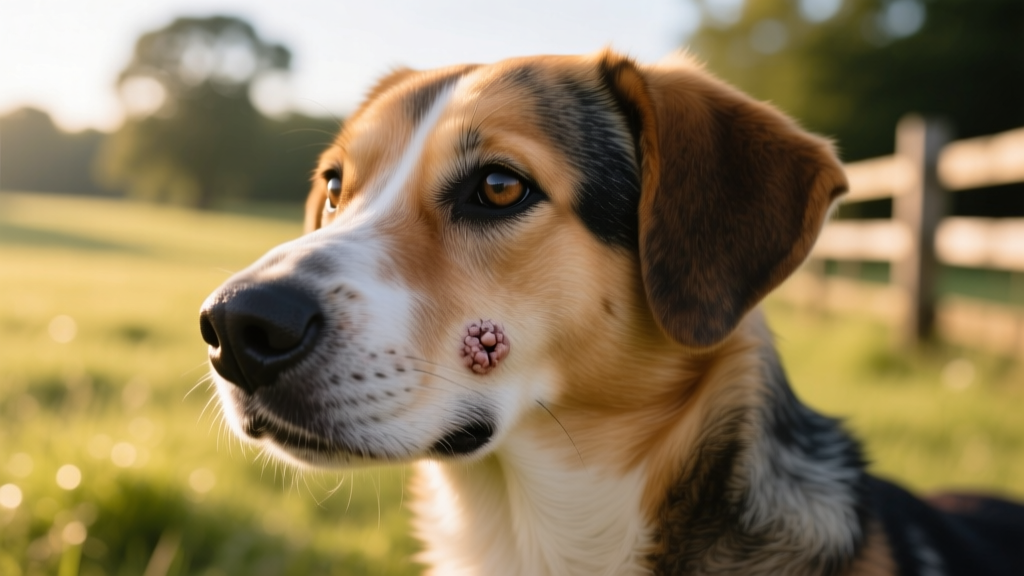
Canine Cysts Rupture: Symptoms, Treatment & Emergency Care Guide
Learn what happens when canine cysts rupture, how to recognize the warning signs, treatment costs, and when emergency vet care is needed for your dog.
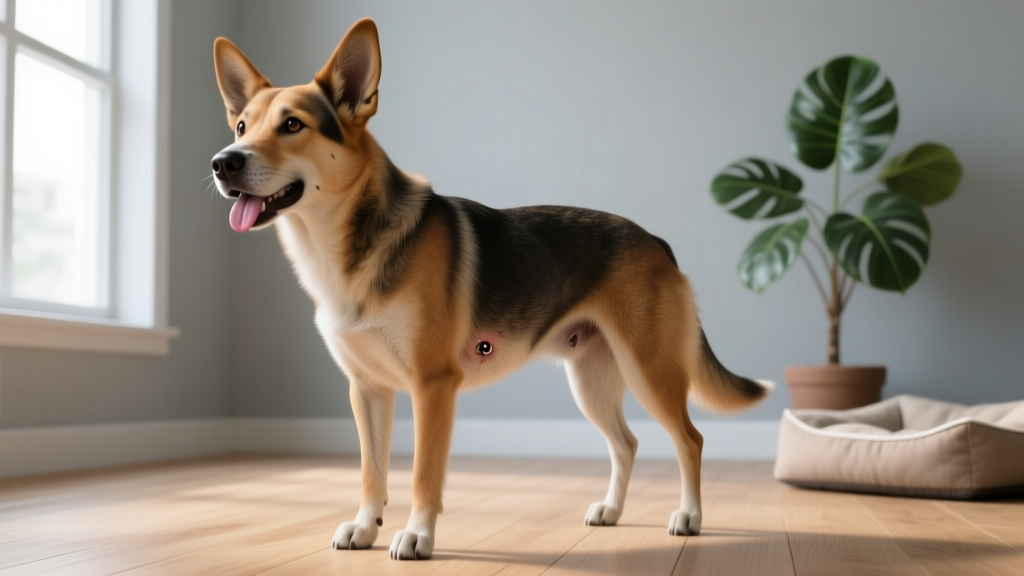
What Are Cysts in Dogs and Why Do They Rupture?
A cyst in dogs is a fluid-filled, air-filled, or semi-solid sac that forms beneath the skin or within internal organs. These sacs are lined with epithelial tissue and can develop for a variety of reasons — blocked glands, infections, trauma, or genetic predisposition. The most common type encountered in veterinary practice is the follicular cyst (often called a sebaceous cyst), which forms when a hair follicle or sebaceous gland becomes obstructed and fills with keratin or sebum.
A canine cysts rupture occurs when the wall of the cyst breaks open, releasing its contents into surrounding tissue. This triggers an inflammatory response and creates an open wound that is vulnerable to secondary bacterial infection. According to the Merck Veterinary Manual, follicular and sebaceous cysts are among the most frequently diagnosed cutaneous masses in dogs, and rupture is one of the most common complications owners encounter at home.
While many cysts remain benign and stable for years, rupture changes the clinical picture significantly. The expelled material — often a thick, white-to-yellow paste with a foul odor — irritates surrounding tissue, causes pain, and invites bacterial colonization. Internal cysts (such as ovarian, renal, or hepatic cysts) are less common but far more dangerous when they rupture, potentially causing internal hemorrhage or peritonitis.
Key Takeaway: Most ruptured cysts in dogs are skin-level and treatable, but they require veterinary attention to prevent infection and rule out more serious masses like tumors. Never attempt to lance or squeeze a cyst at home.
Symptoms of Ruptured Cysts in Dogs
Recognizing a ruptured cyst early can mean the difference between a simple office visit and a more involved surgical intervention. Symptoms vary depending on whether the cyst was superficial (skin-level) or internal, and how long ago the rupture occurred.
| Severity Level | Symptoms | Typical Onset |
|---|---|---|
| Early / Mild | Small, firm lump under the skin; dog may occasionally scratch or lick the area; slight redness around the lump | Days to weeks before rupture |
| Active Rupture | Sudden drainage of thick, white, yellow, or bloody material; foul odor; visible open pore or wound; dog flinches when area is touched | Immediate — often happens suddenly |
| Post-Rupture Inflammation | Swelling and warmth around the site; redness spreading outward; crusting or scabbing over the opening; increased licking or chewing at the area | Within 12–48 hours of rupture |
| Secondary Infection | Pus discharge (green, brown, or blood-tinged); significant swelling; pain on palpation; lethargy; reduced appetite; fever (normal canine temp: 101–102.5°F / 38.3–39.2°C) | 2–7 days after rupture if untreated |
| Emergency (Internal Cyst Rupture) | Acute abdominal pain; collapse; pale gums; rapid breathing; vomiting; distended abdomen; signs of shock | Immediate — requires emergency care |
In my experience working with dog owners, the most commonly missed early sign is a dog persistently licking one specific spot. Owners often attribute this to allergies or boredom, but targeted licking at a single location often indicates an underlying mass that is growing, inflamed, or beginning to leak.
Risk Factors: Which Dogs Are Most Prone to Cyst Formation?
Breed Predisposition: Certain breeds develop cysts at significantly higher rates due to their coat type, skin structure, and genetics.
- Highest risk breeds: Cocker Spaniels, Labrador Retrievers, German Shepherds, Siberian Huskies, Old English Sheepdogs, and Poodles (all sizes)
- Moderate risk: Boxers, Bulldogs, Basset Hounds, Dachshunds, and mixed breeds with dense or double coats
- Cyst type variation: Schnauzers are prone to comedone-type follicular cysts; Boxers frequently develop epidermal inclusion cysts; hairless breeds like Chinese Cresteds can develop multiple cysts along the body
Age: Dogs over 7 years old develop cysts more frequently as skin cell turnover changes and sebaceous gland function alters with age. However, younger dogs with genetic predisposition can present with cysts as early as 2–3 years old.
Weight: Overweight dogs (body condition score 7–9 on the 9-point scale) have increased skin folds and friction points, which promote gland obstruction and cyst formation. Obese dogs also have impaired immune function, making post-rupture infections more likely.
Environmental Factors: Humid climates, frequent swimming without thorough drying, and living conditions with poor air circulation can promote skin maceration and gland blockage. Dogs that spend significant time in kennels or on hard surfaces may develop pressure-point cysts at the elbows and hocks.
Genetics: Multiple cyst formation (cystomatosis) has a hereditary component in several breeds. If a dog's parent or littermate has a history of recurrent cysts, the likelihood of cyst development increases significantly.
How Veterinarians Diagnose Canine Cysts and Confirm Rupture
When you bring your dog in for a suspected ruptured cyst, your veterinarian will follow a systematic diagnostic process. Understanding what to expect helps you prepare for the visit and budget accordingly.
- Physical Examination ($50–$95 office visit fee): The vet will palpate the mass, assess its size, depth, mobility, and whether it is attached to underlying tissue. They will note the character of any discharge — color, consistency, and odor — which provides immediate diagnostic clues. Benign cysts are typically round, well-defined, and movable beneath the skin.
- Fine Needle Aspiration / Cytology ($75–$200): A thin needle is inserted into the mass to extract cells and fluid, which are then examined under a microscope. This is the gold standard initial test for distinguishing cysts from tumors. Cyst aspirates typically yield keratin debris, sebaceous material, or clear fluid. If cancerous cells are present, the cytology will flag them.
- Bacterial Culture and Sensitivity ($120–$250): If the ruptured cyst shows signs of infection (pus, significant inflammation), the vet may swab the discharge and send it to a lab to identify the specific bacteria and determine which antibiotics will be most effective. This test is especially important if the dog has had recurrent infections or previous antibiotic resistance.
- Biopsy and Histopathology ($200–$450): If the mass is atypical in appearance, rapidly growing, or if cytology results are inconclusive, the vet will recommend a tissue biopsy. A sample (or the entire mass) is sent to a veterinary pathologist for detailed analysis. This definitively rules out malignancies such as mast cell tumors, squamous cell carcinoma, or melanoma, which can sometimes mimic cysts.
- Imaging — Ultrasound or X-ray ($250–$600): For deep or internal cysts, imaging helps determine the cyst's relationship to surrounding organs, its internal structure (simple fluid-filled vs. complex with septations), and whether additional cysts are present. Ultrasound is preferred for soft tissue evaluation; X-rays are useful for assessing bone involvement or chest metastasis if malignancy is suspected.
- Blood Work ($80–$200): A complete blood count (CBC) and chemistry panel may be ordered before surgical removal to assess organ function, check for systemic infection (elevated white blood cells), and ensure the dog is a safe candidate for anesthesia.
The total diagnostic cost for a straightforward ruptured skin cyst typically ranges from $125 to $400 (office visit plus cytology). If the case is complex and requires biopsy, culture, and imaging, costs can reach $700 to $1,500 before treatment begins.
Treatment Options for Ruptured Canine Cysts
Once the diagnosis is confirmed, treatment depends on the cyst type, location, severity of rupture, and whether infection is present. Here is a comparison of the primary treatment approaches:
| Treatment | Best For | Procedure Details | Success Rate | Cost Range |
|---|---|---|---|---|
| Conservative Management | Small, recently ruptured cysts with minimal inflammation; no infection | Warm compresses applied 2–3 times daily for 10–15 minutes; Elizabethan collar to prevent licking; topical antiseptic (chlorhexidine-based) applied to the opening; oral anti-inflammatory if needed | 60–70% resolve without surgery; 30–40% recur within 3–6 months | $50–$150 (medications and supplies) |
| Antibiotic Therapy | Ruptured cysts with secondary bacterial infection; abscess formation | Oral antibiotics (commonly cephalexin at 22 mg/kg twice daily or amoxicillin-clavulanate at 13.75 mg/kg twice daily) for 10–21 days; may be combined with conservative management above | 85–90% infection resolution; cyst itself may persist or recur | $40–$120 (antibiotics) plus office visit |
| Surgical Excision | Recurrent cysts; large cysts (>2 cm); cysts that have ruptured multiple times; atypical masses requiring definitive diagnosis | Complete surgical removal of the cyst including the entire capsule wall under general anesthesia; incision closed with sutures; 10–14 day recovery with suture removal | 95%+ cure rate when entire capsule is removed; recurrence is rare with complete excision | $300–$1,200 depending on size, location, and anesthesia requirements |
| Laser Ablation / Cryotherapy | Multiple small cysts; cysts in cosmetically sensitive areas; dogs that are poor anesthesia candidates for lengthy surgery | CO2 laser or liquid nitrogen used to destroy cyst tissue; may require local or general anesthesia; multiple sessions sometimes needed | 70–85% success; better for small superficial cysts | $200–$800 per session |
| Internal Cyst Surgery | Ovarian, renal, hepatic, or other internal cysts that have ruptured or are at risk of rupture | Exploratory laparotomy or laparoscopic surgery; may involve organ-specific procedures such as cyst marsupialization, partial organ resection, or ovary removal | Varies widely by organ and underlying cause; generally good prognosis for benign cysts | $1,500–$5,000+ |
Important: Your veterinarian will determine the appropriate treatment based on your dog's specific situation. Never administer human medications or attempt to drain a cyst at home — improper technique can push infectious material deeper into tissue or cause hemorrhage.
Home Care and Post-Rupture Management
If your veterinarian recommends conservative management or if you are caring for your dog in the days between rupture and a scheduled appointment, proper home care is essential to prevent complications.
Immediate Steps After Discovering a Ruptured Cyst
- Restrain gently and assess: Put on disposable gloves. Examine the area without squeezing or pressing the cyst. Note the color, amount, and odor of any discharge — this information is valuable for your vet.
- Clean the area: Use a sterile saline solution or a diluted chlorhexidine solution (1 part chlorhexidine to 10 parts water) to gently wipe away discharge from the surrounding skin. Do not flush directly into the cyst opening with force.
- Apply a warm compress: Soak a clean washcloth in warm (not hot) water — approximately 100–105°F (38–41°C) — and hold it gently against the area for 10 minutes. This encourages continued drainage and reduces inflammation. Repeat 2–3 times daily.
- Prevent licking: Fit an Elizabethan collar (cone) immediately. Dog saliva introduces bacteria into the open wound and the mechanical action of licking reopens healing tissue. Inflatable recovery collars are an alternative if your dog tolerates them, but they must effectively block access to the site.
- Cover if possible: For cysts on the body (not face or paws), a light, non-adherent bandage can protect the area from dirt and prevent your dog from scratching. Change the bandage daily or whenever it becomes damp.
Ongoing Monitoring
Track the following daily and report changes to your veterinarian:
- Size: Measure the lump with a ruler or compare to a coin in photographs taken at the same angle daily
- Discharge: Note changes in color (white → yellow → green suggests worsening infection), volume, and odor
- Behavior: Appetite, energy level, and willingness to be touched near the area
- Temperature: If you can safely take your dog's rectal temperature, monitor for fever (above 102.5°F / 39.2°C)
- Spread: Watch for redness or swelling that expands beyond the immediate cyst site — this can indicate cellulitis, a deeper skin infection
Prognosis and Recovery Timeline
The prognosis for ruptured canine cysts is generally excellent when the cyst is a benign cutaneous type and receives appropriate veterinary care. However, outcomes vary by cyst type and treatment approach.
| Scenario | Recovery Timeline | Recurrence Risk | Long-Term Outlook |
|---|---|---|---|
| Single skin cyst, ruptured, treated conservatively | 7–14 days for the opening to close and heal | 30–40% chance of refilling and re-rupturing within 6 months | Good — but ongoing monitoring required; many owners eventually opt for surgical removal |
| Single skin cyst, surgically excised with complete capsule removal | 10–14 days for suture healing; 3–4 weeks for full tissue recovery | Less than 5% at the same site | Excellent — new cysts may form elsewhere, but the removed cyst is permanently resolved |
| Infected ruptured cyst treated with antibiotics and drainage | 14–28 days (antibiotic course plus wound healing) | 25–50% if the cyst capsule remains in place | Fair to good — infection resolves, but the underlying cyst often requires eventual surgical removal |
| Multiple recurrent cysts (cystomatosis) | Ongoing management; individual cysts heal in 1–3 weeks but new ones may form | High — new cyst development is expected | Manageable but requires long-term commitment; some dogs undergo multiple surgical sessions over their lifetime |
| Internal cyst rupture (ovarian, renal, hepatic) | 2–6 weeks post-surgery for internal healing | Low if the affected organ/tissue is fully removed | Varies by underlying cause; benign internal cysts have good prognosis post-surgery; cysts associated with neoplasia depend on cancer staging |
Regarding life expectancy: dogs with benign cutaneous cysts have a normal life expectancy. These cysts do not shorten lifespan. Internal cysts associated with organ dysfunction or malignancy carry a more guarded prognosis, and survival depends on the underlying disease, the dog's overall health, and how quickly treatment is initiated. Always consult your veterinarian for a prognosis specific to your dog's diagnosis.
Treatment Cost Breakdown
Understanding the financial commitment helps you plan and decide whether pet insurance or a savings fund is appropriate. Costs below reflect 2026 average U.S. veterinary pricing and can vary by region (urban specialty clinics tend to charge 30–50% more than rural general practices).
| Expense Category | Low Estimate | Mid Estimate | High Estimate (Specialty/Emergency) |
|---|---|---|---|
| Office visit / examination | $50 | $85 | $150 |
| Fine needle aspiration + cytology | $75 | $150 | $250 |
| Bacterial culture and sensitivity | $120 | $175 | $250 |
| Biopsy and histopathology | $200 | $350 | $450 |
| Antibiotics (oral, 10–21 days) | $25 | $60 | $120 |
| Surgical excision (skin cyst) | $300 | $650 | $1,200 |
| Surgical removal (internal cyst) | $1,500 | $3,000 | $5,000+ |
| Elizabethan collar and wound supplies | $15 | $30 | $50 |
| Follow-up visits (typically 1–3) | $50 | $150 | $300 |
Total cost scenarios:
- Best case (small ruptured cyst, conservative management, no infection): $100–$250
- Typical case (ruptured cyst with mild infection, antibiotics, possible cytology): $300–$600
- Surgical case (complete excision with pre-surgical bloodwork, anesthesia, and histopathology): $700–$1,800
- Worst case (internal cyst rupture requiring emergency surgery and hospitalization): $2,500–$7,000+
Pet insurance can significantly offset these costs. Most comprehensive plans cover cyst diagnosis and treatment if the condition is not pre-existing. Typical reimbursement is 70–90% after the annual deductible is met.
Prevention Strategies
While not all cysts are preventable — especially those with a strong genetic component — you can reduce your dog's risk and minimize recurrence through several evidence-based strategies:
- Regular grooming and skin checks: Brush your dog weekly and run your hands over their entire body to detect new lumps early. Early detection means smaller cysts that are easier and less expensive to manage before they rupture.
- Maintain ideal body condition: Keep your dog at a body condition score of 4–5 (on the 9-point scale). This reduces skin fold friction and hormonal imbalances that contribute to gland obstruction.
- Bathing protocol: Use a gentle, veterinary-formulated shampoo (such as those containing oatmeal or chlorhexidine for dogs prone to skin issues). Bathe every 4–8 weeks depending on breed and activity level. Always dry skin folds thoroughly — moisture trapped in folds promotes bacterial growth and gland blockage.
- Avoid trauma to known cyst sites: If your dog has existing cysts, protect them from scratching, friction from harnesses, and rough play that could cause rupture. A well-fitting harness that does not rub against cyst locations is preferable to a collar for walks.
- Nutrition: Diets rich in omega-3 fatty acids (EPA and DHA) support skin health and may reduce inflammation around sebaceous glands. Look for foods with an AAFCO statement of complete and balanced nutrition. Discuss fish oil supplementation with your vet — typical dosing is 20–55 mg of combined EPA/DHA per kg of body weight daily.
- Do not squeeze or manipulate cysts: This is the most common mistake owners make. Squeezing a cyst can rupture the capsule wall internally, causing the contents to spread into deeper tissue and triggering a much more severe inflammatory response than a natural surface rupture.
When to See the Vet Immediately
Contact your veterinarian or an emergency clinic right away if your dog shows any of these red flag symptoms after a cyst ruptures:
- Fever above 103°F (39.4°C)
- Rapidly expanding swelling or redness around the cyst site
- Discharge that is green, brown, or has a putrid odor
- Lethargy, refusal to eat, or vomiting
- The cyst site is near the eye, ear canal, or genitals
- Bleeding that does not stop after 10 minutes of gentle pressure
- Signs of pain that are escalating (whining, trembling, aggression when touched)
- Multiple cysts rupturing simultaneously
- Any suspected internal cyst rupture (abdominal distension, collapse, pale gums)
If you suspect your dog has ingested any toxic substance in relation to home treatment attempts, contact ASPCA Animal Poison Control at (888) 426-4435 (24/7, consultation fee applies).
Frequently Asked Questions
Can a ruptured cyst on my dog heal on its own?
Small, superficial ruptured cysts can sometimes heal without intervention if the area is kept clean and the dog is prevented from licking the site. However, "healing" in this context means the opening closes — the cyst capsule remains under the skin and may refill over weeks to months. Veterinary evaluation is always recommended to confirm the mass is a benign cyst and not a tumor that has ulcerated. Even a simple office visit and cytology can provide peace of mind and catch problems early.
What breeds are most prone to developing cysts?
Cocker Spaniels, Labrador Retrievers, German Shepherds, Siberian Huskies, Poodles, Old English Sheepdogs, and Schnauzers are overrepresented in veterinary dermatology cases involving cysts. Boxers and Bulldogs are prone to epidermal inclusion cysts. However, any breed — including mixed breeds — can develop cysts, especially as they age.
How can I tell the difference between a cyst and a tumor?
You cannot reliably distinguish a cyst from a tumor by visual inspection or touch alone. While cysts tend to be round, smooth, and movable, some tumors (particularly mast cell tumors) can mimic these characteristics. The American Kennel Club recommends having any new lump evaluated by a veterinarian through fine needle aspiration. Cytology provides a definitive answer in the majority of cases.
Is a ruptured cyst painful for my dog?
Yes. The rupture itself may cause a sharp, brief pain, and the subsequent inflammation creates ongoing soreness. The expelled contents irritate surrounding tissue, and if infection develops, pain increases significantly. Signs of pain include flinching when touched, reluctance to lie on the affected side, decreased activity, and vocalizing. Your vet may prescribe a non-steroidal anti-inflammatory drug (NSAID) such as carprofen or meloxicam for pain management — never give human pain relievers like ibuprofen or acetaminophen, as these are toxic to dogs.
How much does it cost to have a cyst removed from a dog?
Surgical removal of a skin-level cyst typically costs between $300 and $1,200 in the United States, depending on the cyst's size, location, and whether general anesthesia is required. This usually includes the office visit, pre-surgical bloodwork, the procedure itself, and histopathology of the removed tissue. Internal cyst surgery is significantly more expensive, ranging from $1,500 to over $5,000.
What is the life expectancy of a dog with cysts?
Dogs with benign cutaneous cysts have a normal life expectancy — these cysts do not affect lifespan. Dogs with recurrent cystomatosis may require ongoing management but typically live full lives. Internal cysts associated with organ disease or malignancy carry a variable prognosis that depends on the underlying condition, which your veterinarian can assess through diagnostic testing.
Can I drain my dog's cyst at home?
No. Home drainage (lancing, squeezing, or puncturing) is strongly discouraged for several reasons: you cannot ensure sterility, you risk pushing material deeper into tissue, you may cause hemorrhage if the cyst is vascular, and you cannot remove the capsule wall — meaning the cyst will almost certainly refill. Additionally, what appears to be a cyst may be a tumor, abscess, or hematoma, each of which requires different treatment. Always consult your veterinarian for proper diagnosis and treatment.
My dog's cyst keeps refilling after rupturing — what should I do?
Recurrent refilling indicates the cyst capsule is intact and continuing to produce material. This is very common with conservative management. The definitive solution is surgical excision, which removes the entire capsule and prevents recurrence at that site. Discuss surgical options with your veterinarian, especially if the cyst has ruptured two or more times — repeated ruptures cause progressive scarring that makes eventual surgery more complex.
This article is for informational purposes only and does not replace professional veterinary advice. Always consult your veterinarian for diagnosis and treatment of any health condition in your dog.
Beth Carrasco
All our authors care for dogs every day — read more of their work on the authors page.