Have Sucralose?
Can dogs have sucralose? Learn the safety facts, serving limits, side effects, and which artificial sweeteners are truly dangerous for dogs.
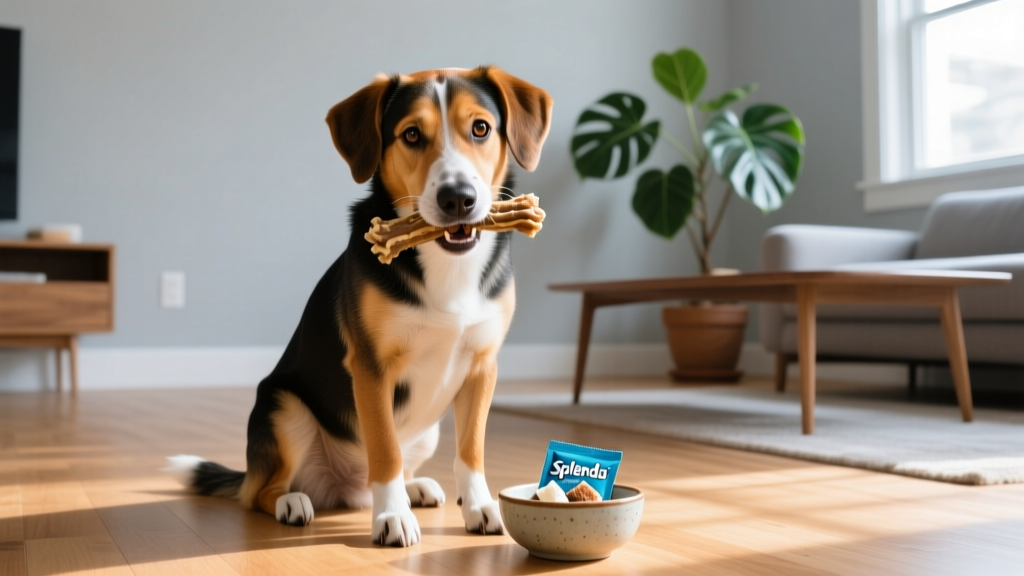
Sucralose (the active ingredient in Splenda) is not toxic to dogs in small amounts. Unlike xylitol, which causes life-threatening hypoglycemia, sucralose does not trigger insulin release in canines. However, it offers zero nutritional benefit and can cause gastrointestinal upset — including gas, bloating, and diarrhea — when consumed beyond trace amounts. It should never be deliberately added to your dog's food or treats.
If your dog licked a dropped sugar-free pudding cup or snagged a piece of Splenda-sweetened yogurt, take a breath — sucralose is not an emergency poison. But understanding the difference between "not lethal" and "actually safe" matters for your dog's long-term gut health. This guide breaks down exactly what sucralose does in a dog's digestive system, how much is too much, and which artificial sweeteners you genuinely need to fear.
What Is Sucralose and Where Do Dogs Encounter It?
Sucralose is a synthetic sweetener made by selectively replacing three hydroxyl groups on a sucrose molecule with chlorine atoms. The result is a compound approximately 600 times sweeter than table sugar that passes through the body largely unabsorbed. The FDA approved sucralose for human use in 1998, and it appears in thousands of products under the brand name Splenda and as a generic ingredient.
Dogs typically encounter sucralose through accidental ingestion:
- Sugar-free beverages: Diet sodas, flavored sparkling waters, protein shakes
- Low-calorie dairy: Sugar-free yogurt, ice cream, whipped toppings
- Baked goods: Keto cookies, low-sugar granola bars, diet puddings
- Condiments and sauces: Sugar-free syrups, some salad dressings
- Medications and supplements: Chewable vitamins, liquid medications (human-grade)
- Pet products: Some dental chews and flavored medications use sucralose as a palatability enhancer — this is intentional and dosed appropriately
According to the ASPCA Animal Poison Control Center, sucralose does not rank among the top toxic substances for dogs. The real danger in sugar-free products is not always the sucralose itself — it's what else might be in the ingredient list.
How Sucralose Affects a Dog's Digestive System
Unlike humans, dogs have a shorter gastrointestinal transit time (typically 8-10 hours vs. 24-72 hours in humans) and a different gut microbiome composition. Research published in the Journal of Toxicology and Environmental Health has shown that sucralose can alter gut bacteria populations in animal models, reducing beneficial Bifidobacteria and Lactobacilli strains.
Here's what happens when a dog ingests sucralose:
| Phase | What Happens | Timeline |
|---|---|---|
| Ingestion | Sucralose passes through the stomach largely intact; ~8-20% is absorbed in the small intestine | 0-2 hours |
| Fermentation | Unabsorbed sucralose reaches the large intestine where gut bacteria attempt to break it down, producing gas | 2-6 hours |
| GI Response | Osmotic effect draws water into the colon, potentially causing loose stools; gas buildup causes discomfort | 4-12 hours |
| Elimination | Remaining sucralose is excreted in feces; absorbed fraction is eliminated via urine | 8-24 hours |
The osmotic effect is the primary concern. Because sucralose molecules are not fully broken down, they act similarly to a mild osmotic laxative — pulling water into the intestinal lumen. For a small dog, even a modest amount can produce noticeable diarrhea.
Safe Serving Limits by Dog Weight
To be direct: you should not intentionally feed sucralose to your dog. But if you're calculating risk after an accidental ingestion, these thresholds help you assess whether a vet visit is warranted. The amounts below represent the maximum accidental intake unlikely to cause significant GI symptoms in healthy adult dogs.
| Dog Weight | Max Accidental Sucralose | Equivalent In Splenda Packets | Likely Symptoms If Exceeded |
|---|---|---|---|
| Small (5-20 lb / 2-9 kg) | 1-2 mg | ~1/4 to 1/2 packet (each packet contains ~12 mg sucralose) | Soft stool, mild gas, possible vomiting |
| Medium (21-50 lb / 10-23 kg) | 3-5 mg | ~1/2 to 1 packet | Diarrhea, flatulence, abdominal discomfort |
| Large (51-90 lb / 23-41 kg) | 5-10 mg | ~1 to 2 packets | Loose stools, increased water intake |
| Giant (90+ lb / 41+ kg) | 10-15 mg | ~2 to 3 packets | Mild GI upset, usually self-resolving |
Important context: A single yellow Splenda packet contains approximately 12 mg of sucralose (the rest is bulking agents like dextrose and maltodextrin). A 12-oz can of diet soda typically contains 60-70 mg of sucralose. If your 15-pound terrier drinks a few licks of spilled diet lemonade, they're likely well within the "monitor at home" zone. If they consume an entire sugar-free cheesecake — you're looking at a potentially significant GI event.
Is Sucralose Nutritionally Good for Dogs?
No. Sucralose provides zero nutritional value to dogs. It contains no vitamins, no minerals, no fiber, no protein, and no beneficial fatty acids. It is not metabolized for energy. The only reason it appears in some veterinary dental products and flavored medications is as a palatability enhancer — making bitter compounds more acceptable to dogs.
From a nutritional standpoint, if you're looking to add sweetness to your dog's food or homemade treats, far better options exist:
- Blueberries: Rich in antioxidants (anthocyanins), vitamin C (14.4 mg per cup), and fiber (3.6 g per cup). Safe at 2-3 berries for small dogs, 5-8 for large dogs.
- Banana: Provides potassium (422 mg per medium banana), vitamin B6, and natural sugars. Safe at 2-3 thin slices for small dogs, up to half a banana for large dogs.
- Apple (no seeds/core): Offers vitamin C, vitamin A, and pectin fiber. Safe at 2-3 small cubes for small dogs, up to half an apple for large dogs.
- Pumpkin (plain, canned): Excellent fiber source (7 g per cup), beta-carotene, and potassium. Safe at 1 tsp for small dogs, 1-2 tbsp for large dogs.
What Happens If My Dog Eats Too Much Sucralose?
Overconsumption of sucralose produces gastrointestinal symptoms that are uncomfortable but rarely dangerous in otherwise healthy dogs. Here's a symptom severity breakdown:
| Severity | Symptoms | Onset | Action |
|---|---|---|---|
| Mild | Increased flatulence, slight appetite reduction, one soft stool | 2-6 hours | Monitor at home; offer bland diet (boiled chicken and white rice) at next meal |
| Moderate | Multiple episodes of diarrhea, audible gut gurgling (borborygmi), mild lethargy, vomiting once | 4-8 hours | Withhold food for 12 hours; provide small amounts of water frequently; call vet if symptoms persist beyond 24 hours |
| Severe (rare) | Profuse watery diarrhea, repeated vomiting, dehydration signs (tacky gums, skin tenting), complete appetite refusal | 2-6 hours | Contact your veterinarian or emergency clinic immediately — dehydration in small dogs can become critical within hours |
- Diarrhea persists beyond 24 hours or contains blood
- Your dog vomits more than twice in a 6-hour period
- You notice signs of dehydration: dry/tacky gums, sunken eyes, skin that doesn't snap back when gently pinched
- Your dog is under 6 months old, over 10 years old, or has a pre-existing condition (diabetes, kidney disease, IBD)
- The product your dog ate also contained xylitol, chocolate, macadamia nuts, grapes/raisins, or caffeine
- Your dog weighs under 10 lb and consumed a full serving of a sucralose-sweetened product
ASPCA Animal Poison Control: (888) 426-4435 (24/7, consultation fee applies)
Pet Poison Helpline: (855) 764-7661
The Real Danger: Sucralose Products That Contain Xylitol
Here's the critical information that catches many dog owners off guard: sucralose itself isn't the main threat — it's the products that combine sucralose with xylitol (birch sugar).
Xylitol is extraordinarily toxic to dogs. Even small amounts (0.1 g per kg of body weight) trigger a massive insulin release, causing dangerous hypoglycemia within 10-60 minutes. At higher doses (0.5 g/kg), xylitol causes acute liver necrosis that can be fatal within 24-72 hours. The FDA has issued warnings about xylitol poisoning in dogs, and the Merck Veterinary Manual classifies it as a serious toxicological emergency.
Products that may contain both sucralose and xylitol include:
- Sugar-free gum — some brands blend multiple sweeteners (e.g., Ice Breakers Ice Cubes, certain Trident varieties)
- Sugar-free baked goods — especially keto and diabetic-friendly products from health food stores
- Protein bars and shakes — check labels on Quest, Atkins, and store-brand low-sugar bars
- Sugar-free peanut butter — some "no sugar added" brands use xylitol; ALWAYS check the label before giving peanut butter to your dog
- Dental products — human toothpaste, mouthwash, and breath mints often combine sweeteners
Always read the full ingredient list. If you see "xylitol," "birch sugar," or "E967" anywhere on a product your dog consumed, treat it as an emergency regardless of whether sucralose is also present.
How to Introduce Any New Treat Safely
While we don't recommend deliberately feeding sucralose, the following protocol applies whenever you introduce any new food or treat to your dog's diet — whether it's a new fruit, a new commercial treat, or a flavored medication:
- Start with 1/4 of the intended serving. For a small dog, this might mean a single blueberry or a pea-sized piece of a new treat.
- Wait 24-48 hours. Monitor stool consistency, appetite, energy level, and any signs of itching, paw-licking, or ear-scratching (potential allergic indicators).
- If no adverse reactions, increase to 1/2 serving. Wait another 24 hours.
- Gradually reach the full serving size over 3-5 days if all observations remain normal.
- Introduce only one new food at a time. If your dog reacts, you need to know exactly which ingredient caused it.
This gradual introduction is especially important for dogs with a history of food sensitivities, inflammatory bowel disease (IBD), or pancreatitis. Consult your veterinarian before adding any new foods to a dog with these conditions.
Dogs Who Should Never Have Sucralose
While sucralose is generally low-risk for healthy adult dogs in trace amounts, certain populations face elevated risk and should avoid it entirely:
- Puppies under 6 months: Immature gut microbiome and smaller body mass mean GI upset can lead to dangerous dehydration rapidly
- Senior dogs (10+ years): Often have reduced kidney function and slower GI motility; added osmotic stress is unnecessary
- Dogs with IBD or chronic enteropathy: Any disruption to gut bacteria balance can trigger a flare-up
- Dogs with diabetes mellitus: While sucralose doesn't spike blood glucose directly, the GI disruption can complicate insulin management and appetite regulation
- Dogs on medication: Diarrhea can reduce absorption of oral medications, particularly thyroid supplements, seizure medications, and heartworm preventives
- Brachycephalic breeds with sensitive stomachs: Bulldogs, Pugs, and French Bulldogs already have elevated GI sensitivity; unnecessary sweeteners compound the problem
Frequently Asked Questions
Can dogs eat Splenda?
A small amount of Splenda (the sucralose-based tabletop sweetener) is unlikely to harm a healthy adult dog. One yellow packet contains about 12 mg of sucralose plus bulking agents. If your dog eats one packet, monitor for gas and loose stools over the next 12 hours. Do not make a habit of it — Splenda offers no nutritional benefit and can disrupt gut bacteria with regular exposure.
Is sucralose the same as xylitol?
No. They are chemically distinct sweeteners with vastly different safety profiles in dogs. Sucralose is a chlorinated sucrose derivative that passes through the GI tract largely unabsorbed. Xylitol is a sugar alcohol that triggers a dangerous insulin spike in dogs, causing hypoglycemia and potential liver failure. Xylitol is an emergency; sucralose is a nuisance.
Can dogs have diet soda or sugar-free drinks?
Small amounts of spilled diet soda are unlikely to cause serious harm — a few licks from a puddle on the floor won't poison your dog. However, diet sodas contain sucralose, caffeine (which IS toxic to dogs at sufficient doses), and carbonation that can cause bloating. A 12-oz can of Diet Coke contains approximately 34 mg of caffeine — enough to cause restlessness in a small dog. Keep all diet beverages out of reach.
What artificial sweeteners are safe for dogs?
Among common artificial sweeteners, sucralose and stevia are considered low-toxicity for dogs in small amounts. Erythritol (a sugar alcohol) is generally well-tolerated in dogs compared to xylitol, though it can still cause GI upset. The only sweetener that poses an acute life-threatening danger is xylitol. That said, none of these offer health benefits, and plain water plus a nutritionally complete diet remains the best approach.
My dog ate sugar-free gum — should I panic?
Check the ingredient list immediately. If the gum contains xylitol (also listed as birch sugar or E967), contact your veterinarian or the ASPCA Poison Control hotline at (888) 426-4435 right away — this is a genuine emergency. If the gum contains only sucralose, sorbitol, and aspartame, the risk is much lower. Monitor for GI symptoms and contact your vet if vomiting or diarrhea develops. The quantity matters: one piece is very different from a full pack.
Does sucralose cause cancer in dogs?
There is no veterinary evidence that sucralose causes cancer in dogs at normal exposure levels. The National Toxicology Program has not listed sucralose as a known animal carcinogen. The concern with sucralose in dogs is limited to gastrointestinal disruption and gut microbiome alteration, not oncological risk.
Disclaimer: This article provides general educational information and does not replace professional veterinary advice. Always consult your veterinarian before making changes to your dog's diet, especially if your dog has pre-existing health conditions. If you suspect your dog has ingested a toxic substance, contact your veterinarian or the ASPCA Animal Poison Control Center at (888) 426-4435 immediately.
Marcus Aldridge
All our authors care for dogs every day — read more of their work on the authors page.