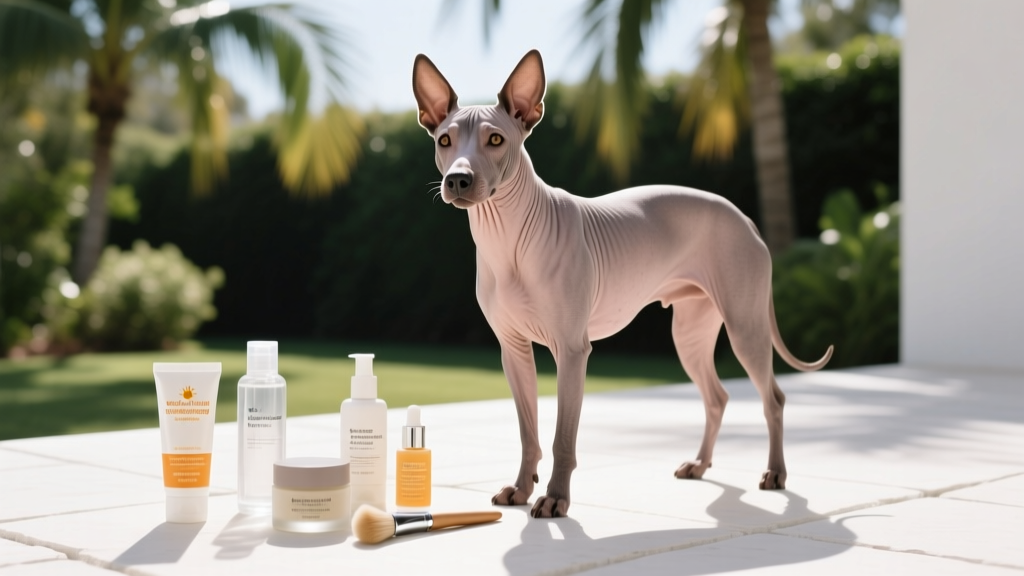
What to Give Dogs for Allergies: A Complete Treatment & Relief Guide
Learn what to give dogs for allergies — from OTC antihistamines to prescription meds, allergy testing costs, and vet-recommended treatment plans.

What Are Allergies in Dogs?
Canine allergies are an overreaction of the immune system to normally harmless substances — called allergens — such as pollen, dust mites, mold spores, flea saliva, or specific food proteins. When a sensitized dog encounters an allergen, their body releases histamine and other inflammatory mediators, triggering symptoms ranging from mild itching to severe skin infections and gastrointestinal distress.
Allergies are among the most common chronic conditions seen in veterinary practice. According to the Merck Veterinary Manual, allergic skin disease affects an estimated 10–15% of the canine population, with some breeds showing prevalence rates as high as 30%. Unlike humans who typically get runny noses and watery eyes, dogs primarily manifest allergies through their skin — scratching, licking, chewing, and recurrent ear infections are the hallmark signs.
There are three primary categories of canine allergies:
- Flea allergy dermatitis (FAD): Hypersensitivity to flea saliva; the single most common allergic skin disease in dogs
- Environmental allergies (atopic dermatitis / atopy): Reactions to inhaled or contact allergens like pollen, grass, dust mites, and mold
- Food allergies (cutaneous adverse food reaction): Immune response to specific dietary proteins, most commonly beef, dairy, chicken, or wheat
Many dogs suffer from more than one type simultaneously, which complicates diagnosis and treatment. Understanding what to give dogs for allergies depends entirely on identifying which type — or combination — your dog is dealing with.
Symptoms Checklist: Early Warning Signs vs. Advanced Allergic Disease
Allergy symptoms in dogs exist on a spectrum. Catching them early means simpler, less expensive management. Here's what to watch for:
| Severity Level | Symptoms | Typical Timeline |
|---|---|---|
| Early / Mild | Occasional paw licking, mild face rubbing, slight ear redness, seasonal scratching (spring/fall), soft stool or increased flatulence (food allergies) | Intermittent; may appear for weeks then resolve |
| Moderate | Persistent scratching multiple times daily, recurrent ear infections (2+ per year), red/brown staining on paws from saliva, hot spots, thinning coat on belly or legs, chronic tear staining | Present most days; seasonal patterns may emerge |
| Advanced / Severe | Open sores from self-trauma, secondary bacterial or yeast skin infections (pyoderma, Malassezia), thickened/leathery skin (lichenification), chronic bloody diarrhea or vomiting (food allergy), hair loss in large patches, behavioral changes (restlessness, irritability from discomfort) | Year-round; worsening without intervention |
Risk Factors: Which Dogs Are Most Prone to Allergies?
Risk Factors for Canine Allergies
- Breed predisposition: Terriers (West Highland White, Jack Russell, Bull Terrier), Retrievers (Golden, Labrador), Bulldogs (English, French), Boxers, German Shepherds, Cocker Spaniels, Shih Tzus, Pugs, and Dalmatians are overrepresented in allergy cases
- Age of onset: Environmental allergies typically first appear between 6 months and 3 years of age; food allergies can manifest at any age, including puppyhood
- Genetics: Dogs with one allergic parent have a significantly higher risk; atopic dermatitis has a strong heritable component
- Environment: Dogs in high-humidity climates face more dust mite and mold exposure; urban dogs may react to pollution-irritated skin barriers
- Weight: Overweight dogs experience more severe inflammatory responses; excess skin folds in obese dogs create warm, moist environments for secondary infections
- Early-life factors: Limited microbial exposure in puppyhood, early antibiotic use, and cesarean delivery may influence immune system development (emerging research)
The American Kennel Club notes that while any breed can develop allergies, the breeds listed above account for a disproportionate share of veterinary dermatology cases. If you own one of these breeds, proactive monitoring is especially important.
How Are Dog Allergies Diagnosed?
Allergy diagnosis is a process of elimination — literally. Because flea allergies, environmental allergies, food allergies, and even conditions like sarcoptic mange can look nearly identical, your veterinarian will work through a structured diagnostic pathway. Expect the following:
Step 1: Rule Out Parasites and Infections
Before pursuing allergy testing, your vet will perform:
- Flea comb examination and flea control trial: Strict flea prevention for 8–12 weeks ($15–$60 for a 3-month supply of products like Bravecto, NexGard, or Simparica Trio)
- Skin scrapings: To rule out demodectic or sarcoptic mange ($25–$50)
- Cytology (tape prep or impression smear): Checks for bacterial (Staphylococcus) or yeast (Malassezia) overgrowth ($30–$60)
- Ear cytology: If ear infections are present ($25–$45)
Step 2: Food Elimination Trial (If Food Allergy Suspected)
The gold standard for diagnosing food allergies is a strict 8–12 week elimination diet trial using either:
- Novel protein diet: Contains proteins your dog has never eaten (e.g., rabbit, venison, kangaroo) — prescription diets like Royal Canin Selected Protein or Hill's d/d cost $80–$130 per 20 lb bag
- Hydrolyzed protein diet: Proteins are broken down to sizes too small to trigger immune response (e.g., Royal Canin Hydrolyzed Protein, Hill's z/d) — similar pricing
During the trial, absolutely no treats, flavored medications, table scraps, or flavored toothpaste can be given. If symptoms resolve, a "challenge" with the original food confirms the diagnosis.
Step 3: Allergy Testing (For Environmental Allergies)
If parasites and food are ruled out, environmental allergy testing identifies specific triggers:
- Intradermal skin testing (IDST): Performed by a veterinary dermatologist; small amounts of allergens are injected under sedation and reactions measured. Cost: $500–$800 plus sedation fees ($100–$250). Considered the gold standard.
- Blood-based serology (IgE testing): A blood draw sent to labs like Heska or Greer; measures allergen-specific antibodies. Cost: $250–$450. Less invasive but slightly less accurate than skin testing.
Total Diagnostic Cost Estimates
| Diagnostic Phase | Estimated Cost Range | Timeline |
|---|---|---|
| Initial exam + parasite/infection workup | $120–$280 | 1–2 visits |
| Flea control trial | $15–$60 | 8–12 weeks |
| Food elimination trial (prescription diet) | $160–$350 | 8–12 weeks |
| Allergy testing (skin or blood) | $350–$1,050 | 1–3 visits |
| Total (full workup) | $650–$1,740 | 3–9 months |
What to Give Dogs for Allergies: Treatment Options Compared
There is no single "best" allergy medication for dogs. Treatment is layered — your veterinarian will combine therapies based on your dog's specific allergy type, severity, and response. Below is a comprehensive comparison of what you can give dogs for allergies, organized by category.
Over-the-Counter (OTC) Antihistamines
Antihistamines block histamine receptors and work best for mild, seasonal allergies. They are most effective as preventive therapy started before allergy season begins. Always confirm dosing with your veterinarian before administering any human medication to your dog.
| Medication | Active Ingredient | Dog Dosage | Frequency | Notes |
|---|---|---|---|---|
| Benadryl | Diphenhydramine | 1 mg per lb (2.2 mg/kg) | Every 8–12 hours | May cause drowsiness; avoid liquid formulations containing xylitol |
| Zyrtec | Cetirizine | 0.5 mg per lb (1 mg/kg) | Every 24 hours | Less sedating than Benadryl; avoid Zyrtec-D (contains pseudoephedrine, toxic to dogs) |
| Claritin | Loratadine | 0.12 mg per lb (0.25 mg/kg) | Every 24 hours | Non-drowsy; avoid Claritin-D (pseudoephedrine is toxic) |
| Allegra | Fexofenadine | 1–2 mg per lb | Every 12–24 hours | Minimal sedation; less commonly used in veterinary practice |
Antihistamines provide meaningful relief in only about 25–30% of allergic dogs. If your dog doesn't respond within 2 weeks at proper dosing, a different approach is needed.
Prescription Medications
| Medication | Type | How It Works | Monthly Cost | Success Rate / Notes |
|---|---|---|---|---|
| Apoquel (oclacitinib) | JAK inhibitor | Blocks itch-signaling pathways (Janus kinase enzymes); stops itching within 4 hours | $50–$120 (depending on dog size) | Highly effective for itch control in ~80% of dogs; approved for dogs 12 months+; requires periodic liver enzyme monitoring |
| Cytopoint (lokivetmab) | Monoclonal antibody injection | Neutralizes IL-31, the primary itch cytokine; injected by your vet every 4–8 weeks | $65–$150 per injection | Effective in ~75% of dogs; no liver/kidney metabolism (safe for dogs with organ disease); approved for all ages |
| Atopica (cyclosporine) | Immunosuppressant | Modulates T-cell response to reduce allergic inflammation | $75–$200 | Effective but slower onset (4–6 weeks); GI side effects common initially; may increase infection risk |
| Corticosteroids (prednisone, dexamethasone) | Steroid | Broad anti-inflammatory; rapid itch relief | $10–$40 | Very effective short-term but significant long-term side effects (increased thirst/urination, weight gain, liver strain, Cushing's risk); best reserved for acute flare-ups |
Immunotherapy (Allergy Shots or Sublingual Drops)
For dogs with confirmed environmental allergies, immunotherapy is the only treatment that modifies the underlying immune response rather than just suppressing symptoms. Based on allergy test results, a customized serum is formulated and administered via injection or oral drops.
- Setup cost: $300–$600 (includes serum formulation)
- Ongoing cost: $30–$60/month for injectable; $50–$90/month for sublingual drops
- Timeline: 6–12 months to see full benefit
- Success rate: 60–80% of dogs show significant improvement; 20–30% achieve near-complete remission; ~20% show minimal response
Supportive and Adjunctive Therapies
Regardless of which primary medication you use, these supportive measures improve outcomes:
- Medicated shampoos: Chlorhexidine-based (for bacterial overgrowth) or ketoconazole-based (for yeast) shampoos, used 1–2 times weekly. Products like Douxo S3 PYO or Malaseb cost $20–$45 per bottle.
- Omega-3 fatty acid supplements: EPA and DHA from fish oil reduce inflammatory mediators in the skin. Look for veterinary-formulated products (e.g., Nordic Naturals Omega-3 Pet, Welactin) providing 1,000–2,000 mg combined EPA/DHA daily for a 50 lb dog. Cost: $15–$35/month.
- Topical sprays/mousse: Leave-in products containing phytosphingosine or chlorhexidine for spot treatment of hot spots and irritated areas ($12–$30).
- Probiotics: Emerging evidence suggests certain strains (e.g., Lactobacillus rhamnosus) may modulate immune response. Products like Proviable or FortiFlora cost $20–$35/month.
- Strict flea control: Even if your dog's primary allergy is environmental, flea bites amplify the allergic response. Year-round prevention with an isoxazoline-class product (Bravecto, NexGard, Simparica) is non-negotiable.
Treatment Comparison Summary
| Treatment | Best For | Onset of Relief | Monthly Cost | Long-Term Safety |
|---|---|---|---|---|
| OTC Antihistamines | Mild seasonal allergies | 1–2 hours | $5–$20 | Excellent |
| Apoquel | Moderate–severe itch | 4 hours | $50–$120 | Good; monitor liver enzymes |
| Cytopoint | Moderate–severe atopic dermatitis | 1–7 days | $65–$150 | Excellent; no organ metabolism |
| Atopica | Refractory cases | 4–6 weeks | $75–$200 | Moderate; infection risk |
| Steroids | Acute flare-ups only | Hours | $10–$40 | Poor for long-term use |
| Immunotherapy | Year-round environmental allergies | 6–12 months | $30–$90 | Excellent; disease-modifying |
Home Care and Daily Management for Allergic Dogs
Medication alone rarely provides complete allergy control. A comprehensive home management plan reduces allergen exposure and supports your dog's skin barrier:
Environmental Controls
- Wipe down after outdoor exposure: Use unscented pet wipes or a damp microfiber cloth to remove pollen from your dog's coat and paws after every walk. Focus on paws, belly, and face.
- Wash bedding weekly: Use hot water (minimum 130°F / 54°C) to kill dust mites. Consider allergen-proof mattress covers for dog beds.
- Air filtration: A HEPA air purifier in your dog's primary sleeping area reduces airborne allergens. Units like the Levoit Core 300 ($80–$120) are appropriately sized for most rooms.
- Vacuum frequently: Use a vacuum with a sealed HEPA system (e.g., Shark Navigator Lift-Away, $150–$200) at least twice weekly.
- Bathing schedule: Bathe allergic dogs every 1–2 weeks with a veterinary-recommended shampoo. Cool-to-lukewarm water (not hot) prevents further skin irritation. Leave shampoo on for the full 10-minute contact time before rinsing.
Dietary Management
- If your dog has a confirmed food allergy, strict adherence to the identified safe diet is lifelong. Even a single exposure to the offending protein can trigger a flare-up lasting days to weeks.
- For environmental allergies, diets rich in omega-3 fatty acids and with intact skin barrier nutrients (zinc, biotin, linoleic acid) support resilience. Look for the AAFCO statement of nutritional adequacy on any commercial diet.
- Avoid giving flavored treats or chewable medications that contain proteins your dog is allergic to — many heartworm preventives and joint supplements use beef or pork flavoring.
Monitoring and Record-Keeping
Keep a simple allergy journal tracking: date, weather/season, symptoms observed (scale 1–5), medications given, and any dietary changes. This data is invaluable for your veterinarian in adjusting treatment plans and identifying seasonal patterns.
Prognosis and Long-Term Outlook
Allergies in dogs are a chronic, manageable condition — not a terminal disease. With appropriate treatment, most allergic dogs live a full, normal lifespan. However, allergies are typically lifelong and require ongoing management.
| Scenario | Expected Outcome | Long-Term Management Level |
|---|---|---|
| Mild seasonal allergies, controlled with antihistamines and environmental management | Excellent; minimal impact on quality of life | Low — seasonal medication, occasional baths |
| Moderate atopic dermatitis, managed with Apoquel or Cytopoint | Good to excellent; 80%+ achieve comfortable itch control | Moderate — monthly medication, periodic vet rechecks, regular bathing |
| Food allergy (single protein trigger identified) | Excellent if diet is strictly maintained | Low-moderate — lifelong diet restriction, but no medication needed |
| Severe multi-allergen atopy with secondary infections | Guarded for comfort; requires multimodal therapy and possible dermatology referral | High — frequent vet visits, multiple medications, intensive bathing protocols |
| Allergies complicated by poor management (chronic untreated infections, steroid overuse) | Fair to guarded; chronic skin changes (lichenification) may be partially irreversible | High — may require long-term antibiotics, antifungals, and specialist care |
Dogs that develop secondary skin infections (pyoderma or Malassezia dermatitis) due to uncontrolled allergies face a cycle of itch-scratch-infect that is difficult to break without aggressive, multimodal treatment. Early intervention is the single most important factor in preventing this cycle.
The Real Cost of Treating Dog Allergies
Allergy management is a long-term financial commitment. Here's a realistic breakdown based on 2026 veterinary pricing:
| Expense Category | First Year | Ongoing Annual Cost |
|---|---|---|
| Diagnostic workup (exam, skin scrapings, cytology, elimination trial) | $400–$1,200 | $0–$200 (if re-evaluation needed) |
| Allergy testing (if pursued) | $350–$1,050 | $0 (one-time) |
| Primary medication (antihistamine to Apoquel/Cytopoint range) | $60–$1,800 | $60–$1,800 |
| Secondary infection treatment (antibiotics/antifungals if needed) | $100–$400 | $0–$400 (varies with flare-ups) |
| Medicated shampoos and topical products | $100–$300 | $100–$300 |
| Supplements (omega-3, probiotics) | $180–$420 | $180–$420 |
| Flea prevention (year-round) | $180–$400 | $180–$400 |
| Immunotherapy (if chosen) | $600–$1,200 | $360–$1,080 |
| Total Range | $1,970–$6,770 | $880–$4,600 |
Pet insurance can significantly offset these costs. Most comprehensive plans (e.g., Trupanion, Healthy Paws, Lemonade) cover allergy diagnosis and treatment as long as the condition was not pre-existing. Typical reimbursement is 70–90% after deductible. Annual premiums for a medium-sized dog range from $500–$1,200 depending on coverage level, deductible, and region.
Prevention: Can You Prevent Dog Allergies?
While you cannot entirely prevent a genetically predisposed dog from developing allergies, you can reduce severity and delay onset:
- Year-round flea prevention: This is the single most impactful preventive step. Even one flea bite can trigger a cascade in flea-allergic dogs.
- Early nutrition: Feeding puppies a high-quality, AAFCO-approved diet with adequate omega-3 fatty acids supports immune system development. Some evidence suggests feeding a diverse diet during the puppy socialization window (8–16 weeks) may reduce food allergy risk, though research is ongoing.
- Limit unnecessary antibiotics: Early-life antibiotic use may disrupt gut microbiome development and increase allergy susceptibility. Work with your vet to use antibiotics only when truly indicated.
- Proactive skin care: Regular bathing with gentle, moisturizing shampoos maintains the skin barrier, which is the body's first line of defense against environmental allergens.
- Selective breeding: If you're choosing a puppy from a breed prone to allergies, ask breeders about allergy history in their lines. Responsible breeders (AKC Breeder of Merit or equivalent) track health conditions across generations.
When to See the Vet: Red Flags Requiring Immediate Attention
🚨 Call Your Veterinarian Now If Your Dog Shows:
- Facial swelling or hives — especially around the muzzle, eyes, or throat (potential anaphylaxis risk)
- Difficulty breathing, wheezing, or excessive panting not related to exercise
- Sudden, severe vomiting or diarrhea after eating a new food or medication
- Open, oozing sores from self-trauma that appear infected (foul odor, yellow/green discharge, warmth)
- Lethargy, collapse, or pale gums — these indicate systemic illness, not routine allergies
- Eye discharge with squinting or cloudiness — possible corneal ulcer from scratching
- No improvement after 2 weeks of OTC antihistamine treatment at proper dosing
For any suspected toxic ingestion (e.g., dog consumed a "-D" decongestant antihistamine), contact ASPCA Animal Poison Control at (888) 426-4435 immediately. A consultation fee applies, but the service operates 24/7.
For non-emergency allergy concerns, schedule a veterinary appointment if your dog has been scratching, licking, or showing ear issues for more than 5–7 days. Early treatment prevents the itch-scratch-infection cycle that makes allergies progressively harder and more expensive to manage.
Frequently Asked Questions
What is the best thing to give a dog for allergies?
There is no universal "best" — it depends on the allergy type and severity. For mild seasonal symptoms, OTC cetirizine (Zyrtec) at 1 mg/kg once daily is a reasonable first step. For moderate to severe itch, prescription Apoquel or Cytopoint injections are the veterinary standard of care. For food allergies, the "best" treatment is strict avoidance of the offending protein. Always consult your veterinarian before starting any medication.
Can I give my dog Benadryl for allergies every day?
Benadryl (diphenhydramine) at 1 mg/lb every 8–12 hours is generally safe for short-term use, but daily long-term administration should be supervised by your vet. Benadryl is only effective in about 25–30% of allergic dogs, and its sedating effects may diminish quality of life. If your dog needs daily allergy medication, prescription options like Apoquel or Cytopoint are more effective and have been specifically studied for long-term canine use.
How do I know if my dog has food allergies or environmental allergies?
Food allergies and environmental allergies often look identical — both cause itchy skin, ear infections, and paw licking. The key differentiators: food allergies are typically non-seasonal (year-round), may include GI signs (vomiting, diarrhea, gas), and often begin before age 1. Environmental allergies are often seasonal initially, may worsen over time to become year-round, and rarely cause GI symptoms. The only definitive way to distinguish them is through a strict 8–12 week food elimination trial supervised by your vet.
Are grain-free diets better for dogs with allergies?
Not necessarily, and potentially harmful. True grain allergies in dogs are uncommon — the most frequent food allergens are animal proteins (beef, dairy, chicken, lamb), not grains. The FDA has investigated a potential link between grain-free diets (particularly those high in peas, lentils, and potatoes) and dilated cardiomyopathy (DCM) in dogs. If your dog has a confirmed food allergy, work with your vet to identify the specific trigger rather than switching to grain-free by default.
Can allergies be cured in dogs?
Allergies cannot be cured in the traditional sense, but they can be effectively managed to the point where your dog is comfortable and symptom-free most of the time. Immunotherapy (allergy shots or drops) comes closest to a "cure" — approximately 20–30% of dogs achieve near-complete remission after 1–3 years of treatment. For most dogs, allergies are a lifelong condition requiring ongoing management, much like asthma or diabetes in humans.
How much does allergy testing cost for dogs?
Blood-based allergy testing (serum IgE) typically costs $250–$450. Intradermal skin testing, performed by a veterinary dermatologist, costs $500–$800 plus sedation fees ($100–$250). The total cost including the initial exam and customized immunotherapy serum formulation typically ranges from $600–$1,500. Pet insurance with illness coverage often reimburses 70–90% of these costs.
This article is intended for informational purposes only and does not replace professional veterinary advice. Always consult your veterinarian before starting, stopping, or changing any medication or treatment plan for your dog. Your vet will determine the appropriate diagnosis, dosage, and therapy for your individual dog's needs.
Dr. Hannah Wickes
All our authors care for dogs every day — read more of their work on the authors page.