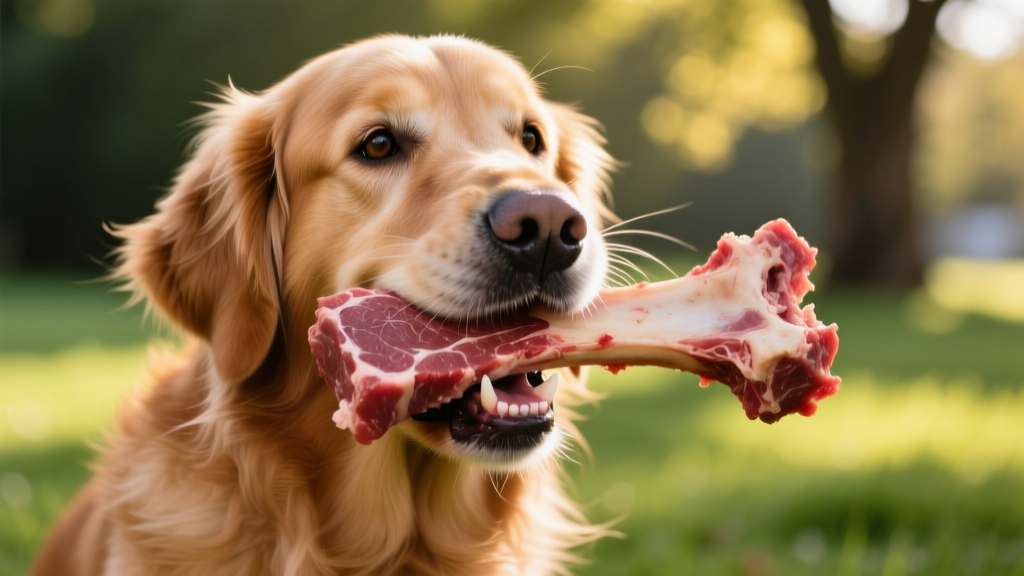
Can Dogs Have Chorizo? Safety Guide for Dog Owners
Can dogs have chorizo? Learn why this spicy sausage is risky for dogs, what to do if your pup eats it, and safer meat alternatives to share instead.

Chorizo is a highly seasoned, high-fat pork sausage loaded with garlic, onion, paprika, salt, and chili peppers — all of which pose serious health risks to dogs. Garlic and onion are toxic to dogs and can cause hemolytic anemia. The extreme sodium and fat content can trigger pancreatitis, while chili spices cause gastrointestinal distress. There is no safe serving size of chorizo for dogs of any breed or size.
If your dog snatched a piece of chorizo off the floor or you're wondering whether sharing your breakfast taco is harmless, this guide breaks down exactly why chorizo is dangerous, what symptoms to watch for, and which protein alternatives are genuinely safe for your dog.
Why Chorizo Is Dangerous for Dogs
Chorizo — whether Spanish (cured, smoked) or Mexican (fresh, raw before cooking) — is engineered for human palates, not canine digestive systems. The danger isn't just one ingredient; it's the compounding effect of multiple harmful components in a single food.
Toxic Ingredients in Chorizo
| Ingredient | Risk Level | What It Does to Dogs |
|---|---|---|
| Garlic | HIGH — Toxic | Damages red blood cells, causes hemolytic anemia. Toxic dose: ~15-30 g/kg body weight (Merck Veterinary Manual) |
| Onion (powder or fresh) | HIGH — Toxic | Contains N-propyl disulfide, destroys red blood cells. Even powdered form is dangerous. |
| Paprika & chili peppers | MODERATE | Capsaicin causes oral irritation, vomiting, diarrhea, and abdominal pain. |
| Sodium (salt) | MODERATE-HIGH | Chorizo contains ~800-1,200 mg sodium per 3 oz serving. A 30 lb dog's daily max is ~100 mg. Excess causes salt poisoning, excessive thirst, and kidney strain. |
| Fat content | MODERATE-HIGH | ~25-35 g fat per 3 oz. High-fat meals are the leading dietary trigger for canine pancreatitis. |
| Nitrates/nitrites (cured varieties) | MODERATE | Preservatives linked to methemoglobinemia in dogs at high doses. |
The American Kennel Club lists garlic and onion among the most dangerous human foods for dogs, and chorizo typically contains both — often in concentrated powdered forms that are even more potent per gram than fresh versions.
What Happens If My Dog Eats Chorizo?
Symptoms depend on how much chorizo your dog consumed relative to their body weight and which variety they ate. A 10 lb Chihuahua eating one link faces far greater risk than an 80 lb Labrador eating the same amount.
Symptom Timeline After Chorizo Ingestion
Within 1-4 hours:
- Vomiting (possibly with blood)
- Diarrhea, potentially bloody
- Excessive drooling or lip-licking (nausea signs)
- Abdominal pain — hunched posture, whining when touched
- Excessive thirst and urination (sodium response)
Within 12-48 hours:
- Lethargy and weakness (early anemia signs from garlic/onion toxicity)
- Pale or yellowish gums (hemolytic anemia indicator)
- Rapid breathing or elevated heart rate
- Dark or reddish-brown urine (hemoglobin in urine)
Within 2-5 days:
- Pancreatitis onset: severe vomiting, diarrhea, dehydration, fever, "prayer position" (front legs stretched, rear elevated)
- Worsening anemia if untreated
🚨 Call Your Vet Immediately If:
- Your dog ate more than a small taste (anything over 1 teaspoon per 10 lb of body weight)
- Vomiting or diarrhea persists beyond 12 hours
- Gums appear pale, white, blue, or yellow
- Your dog shows signs of abdominal pain (hunched posture, reluctance to move)
- Blood appears in vomit or stool
- Your dog is a puppy, senior, or has pre-existing kidney, liver, or pancreatic conditions
ASPCA Animal Poison Control: (888) 426-4435 (24/7, consultation fee applies)
Pet Poison Helpline: (855) 764-7661
Is Chorizo Good for Dogs Nutritionally?
No. There is no nutritional justification for feeding chorizo to dogs. While pork itself provides protein and B vitamins, the processing and seasoning in chorizo negate any benefit and introduce serious risks.
| Nutrient (per 3 oz / 85 g chorizo) | Amount | Dog Relevance |
|---|---|---|
| Calories | ~380 kcal | Excessive — a 30 lb dog needs ~700-900 kcal/day total |
| Total Fat | 32 g | Far exceeds safe single-meal fat limit; pancreatitis trigger |
| Protein | 15 g | Available from safer, unseasoned sources |
| Sodium | ~900-1,200 mg | 8-12x a 30 lb dog's daily sodium requirement (~100 mg) |
| Iron | 1.5 mg | Beneficial mineral, but garlic/onion content destroys red blood cells, negating iron benefit |
| Vitamin B12 | 1.2 mcg | Present in plain pork without the toxic baggage |
USDA nutritional data confirms that chorizo delivers a punishing ratio of risk to reward. The protein it offers is easily obtained from plain, cooked lean meats without the toxic seasoning load.
Safe Meat Alternatives to Chorizo for Dogs
If you want to share a protein-rich treat with your dog, these options provide the meaty satisfaction without the toxic ingredients:
| Safe Alternative | Preparation | Serving Size (30 lb dog) | Why It's Better |
|---|---|---|---|
| Plain cooked pork | Boiled or baked, no seasoning, fat trimmed | 1-2 tablespoons, cubed | Same protein, no garlic/onion/spice |
| Plain cooked chicken breast | Boiled, shredded, skin removed | 2-3 tablespoons | Lean protein, low fat, easy to digest |
| Plain cooked ground turkey | Browned in pan, drained of fat, no seasoning | 2 tablespoons | Low fat, high protein, bland-diet staple |
| Freeze-dried liver treats | Commercial single-ingredient treats (e.g., Stewart, Stella & Chewy's) | 2-3 pieces ($0.15-$0.30 each) | High-value training reward, portion-controlled |
| Plain cooked beef | Lean cut, boiled or baked, visible fat removed | 1-2 tablespoons, cubed | Rich in iron and B12 without toxic seasonings |
All alternatives should be served at room temperature, cut into bite-sized pieces appropriate for your dog's size, and should not exceed 10% of their daily caloric intake. The AVMA recommends that treats and human food toppers combined stay within this threshold to maintain balanced nutrition from a complete-and-balanced commercial or veterinary-formulated diet.
Related Foods Dogs Should Also Avoid
If chorizo is off the table, be aware that these similar processed meats carry comparable risks:
- Pepperoni: Contains garlic, onion, paprika, excessive sodium, and high fat — same toxic profile as chorizo.
- Salami: Often seasoned with garlic; extremely high in sodium (~600-900 mg per oz) and fat.
- Hot dogs / frankfurters: High sodium (~500-600 mg per link), nitrates, and frequently contain garlic/onion powder. Plain, unseasoned hot dog pieces in tiny amounts are less risky but still nutritionally poor.
- Bacon: While not toxic in the same way (no garlic/onion typically), the extreme fat and sodium content makes it a pancreatitis risk. A tiny piece as an occasional high-value training reward is lower-risk than chorizo but shouldn't be a regular treat.
- Sausage (any seasoned variety): Italian sausage, bratwurst, and breakfast sausage all contain sage, garlic, onion, and heavy salt. Same verdict as chorizo.
- Ham: Less seasoned than chorizo but still very high in sodium. Small amounts of plain, unglazed ham are less dangerous but not recommended as a regular food.
What to Do If Your Dog Already Ate Chorizo
Accidents happen. Here's a step-by-step response plan:
- Estimate the amount consumed. A lick or a piece the size of a pea is very different from your dog eating an entire chorizo link. Note the quantity as precisely as possible.
- Check the ingredient label. If available, note whether the chorizo contained garlic, onion, or xylitol (rare but possible in some specialty "sugar-free" products — xylitol is acutely lethal to dogs).
- Do NOT induce vomiting unless directed by a veterinarian. Hydrogen peroxide can cause complications and should only be used under professional guidance.
- Call your vet or an emergency clinic. Provide your dog's weight, the estimated amount eaten, the time of ingestion, and any symptoms you're observing.
- Monitor closely for 48-72 hours. Watch for the symptom timeline listed above. Take photos of any vomit or stool to show your vet — color and consistency are diagnostically valuable.
- Offer fresh water constantly. The high sodium content will cause dehydration. Ensure your dog has continuous access to clean water.
- Feed a bland diet for 24-48 hours if mild GI upset occurs. Boiled white rice and plain boiled chicken breast (no skin, no seasoning) in a 2:1 rice-to-chicken ratio. Feed small portions every 3-4 hours.
Your vet may recommend bringing your dog in for bloodwork to check for anemia (CBC panel, typically $80-$150) and pancreatic lipase levels ($60-$120) if a significant amount was consumed. Early intervention dramatically improves outcomes for both hemolytic anemia and pancreatitis.
Dogs Who Should Never Eat Chorizo or Any Seasoned Meat
While chorizo is unsafe for all dogs, these groups face elevated risk and require extra vigilance:
- Puppies (under 12 months): Immature digestive systems and lower body weight mean even tiny amounts of garlic/onion can cause proportionally greater harm. Puppies also dehydrate faster from sodium overload.
- Senior dogs (7+ years, breed-dependent): Declining kidney and liver function reduces the body's ability to process excess sodium and recover from toxin exposure.
- Dogs with pancreatitis history: Even one high-fat meal can trigger a recurrence. Pancreatitis treatment costs $1,500-$5,000+ for hospitalization.
- Dogs with kidney disease: Sodium load from chorizo accelerates kidney damage and can cause hypertensive crises.
- Dogs with food allergies or IBD: Pork is a known allergen for some dogs, and the spice blend can trigger inflammatory bowel disease flare-ups.
- Small/toy breeds (under 15 lb): A single chorizo link represents a far higher per-weight dose of toxins and fat compared to a large breed.
- Dogs on sodium-restricted diets: Any dog prescribed a cardiac or renal diet by their vet should never receive high-sodium human foods.
Frequently Asked Questions
Can dogs eat chorizo if it's cooked thoroughly?
No. Cooking chorizo does not neutralize the toxic compounds in garlic and onion. The N-propyl disulfide in onions and the thiosulfate compounds in garlic are heat-stable and remain dangerous regardless of cooking method. Cooking also doesn't reduce the sodium or fat content.
Can dogs have chorizo eggs from a breakfast taco?
No. The chorizo in the dish is still toxic, and the fat rendered from chorizo during cooking transfers into the eggs. Even if you remove visible chorizo pieces, the eggs have absorbed garlic, onion, and spice compounds from the cooking fat. Feed your dog plain scrambled eggs instead — cooked without butter, oil, or seasoning.
My dog ate a tiny piece of chorizo — will they be okay?
A single pea-sized piece is unlikely to cause serious harm in a healthy adult dog over 30 lb, but you should still monitor for vomiting, diarrhea, and lethargy over the next 48 hours. For dogs under 15 lb, even a small piece warrants a call to your vet. The toxic threshold for garlic is approximately 5 g per kg of body weight, and concentrated garlic powder in chorizo may approach this in smaller dogs.
Is Spanish chorizo safer than Mexican chorizo for dogs?
No. Both varieties contain garlic and high sodium. Spanish chorizo is cured and smoked, meaning it often has higher sodium and nitrate content. Mexican chorizo is fresh and raw before cooking, posing an additional bacterial contamination risk (Salmonella, E. coli) if ingested uncooked. Neither is safe for dogs.
Can I give my dog plain pork sausage instead of chorizo?
Plain pork sausage without garlic, onion, or heavy seasoning is less dangerous but still not recommended. Most commercial pork sausage contains sage, salt, and pepper at levels that can cause GI upset, and the fat content remains very high (20-30 g per 3 oz). If you want to share pork with your dog, buy a plain pork loin or tenderloin, cook it without seasoning, trim all visible fat, and serve in small portions.
How long after eating chorizo will symptoms appear?
Gastrointestinal symptoms (vomiting, diarrhea) typically appear within 1-4 hours. Signs of hemolytic anemia from garlic/onion toxicity may take 12-48 hours to manifest as the body progressively destroys damaged red blood cells. Pancreatitis symptoms usually develop within 24-72 hours of a high-fat meal. This delayed onset is why monitoring for a full 72 hours is important even if your dog seems fine initially.
Always consult your veterinarian before introducing any human food into your dog's diet. This article provides educational information and does not replace professional veterinary advice. If your dog has ingested chorizo and you're concerned about their health, contact your vet or the ASPCA Animal Poison Control Center at (888) 426-4435 immediately.
Aaron Whyte
All our authors care for dogs every day — read more of their work on the authors page.