Can Dogs Eat Steak Bones? A Vet-Backed Safety Guide
Can dogs eat steak bones? Learn which steak bones are safe, which are dangerous, proper serving sizes by weight, and when to call the vet.
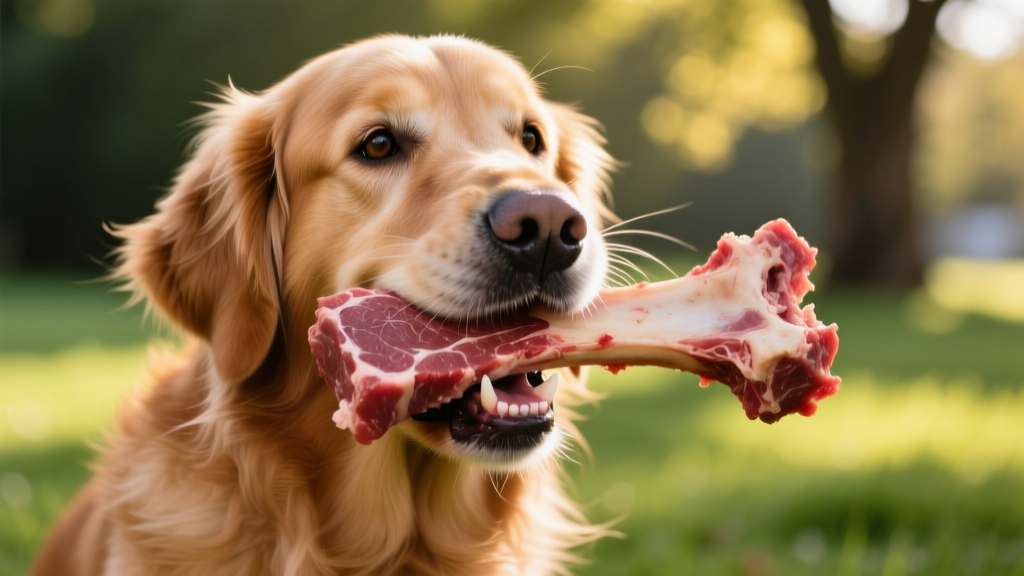
Cooked steak bones splinter into sharp shards that can puncture your dog's digestive tract, cause choking, or create life-threatening intestinal blockages. Raw steak bones carry a lower splintering risk but still pose choking and bacterial contamination hazards. The safest approach is to avoid feeding steak bones entirely and choose veterinarian-approved chew alternatives instead.
If you've ever watched your dog longingly eye the bone on your plate, you've probably wondered: can dogs eat steak bones? It's one of the most common questions I hear from dog owners, and the answer deserves a thorough explanation — because the wrong bone can turn a happy tail-wagger into an emergency vet visit within hours.
The short answer is that cooked steak bones of any kind are dangerous for dogs. The cooking process — whether grilling, broiling, roasting, or pan-searing — fundamentally changes the bone's structural integrity, making it brittle and prone to splintering. Raw steak bones present fewer splintering risks but come with their own set of concerns around bacterial contamination and choking.
Why Cooked Steak Bones Are Dangerous for Dogs
When beef bones are exposed to heat, the collagen and moisture that give them flexibility break down. What remains is a hard, brittle structure that fractures into jagged shards when a dog chews it. According to the U.S. Food and Drug Administration, cooked bones are responsible for thousands of veterinary emergencies each year.
Here's what happens inside your dog's body when they swallow cooked bone fragments:
- Oral injuries: Sharp shards lacerate the gums, tongue, and palate — often causing bleeding you may not notice until your dog is pawing at their mouth
- Esophageal damage: Bone splinters can lodge in the esophagus, causing tears or becoming stuck, which requires endoscopic removal under anesthesia
- Gastrointestinal perforation: Sharp fragments can puncture the stomach or intestinal wall, leading to peritonitis — a severe, often fatal infection of the abdominal cavity
- Intestinal obstruction: Bone pieces accumulate and form a mass (called a "foreign body obstruction") that blocks the digestive tract, typically requiring surgical intervention costing $2,000–$7,000
- Rectal trauma: As bone fragments pass through the colon and rectum, they can cause severe irritation, bleeding, and even perforation at the exit point
Symptoms of bone-related injury typically appear within 12–72 hours of ingestion, though some dogs show signs within minutes if a fragment lodges in the throat or esophagus.
What About Raw Steak Bones?
Raw beef bones — particularly large, dense marrow bones from the femur or tibia — are less likely to splinter than cooked bones. Some raw-feeding advocates promote raw meaty bones as part of a species-appropriate diet. However, the American Veterinary Medical Association has issued a policy statement opposing the feeding of raw animal-source protein to dogs due to documented risks of pathogenic bacteria including Salmonella, E. coli, and Listeria.
If you still choose to offer a raw steak bone despite these risks, understand the following:
- Only large, weight-bearing beef bones (femur, knuckle) should be considered — never rib bones, T-bone fragments, or any bone small enough to swallow whole
- The bone should be larger than your dog's fully open mouth so they cannot fit the entire thing inside
- Supervise every chewing session — never leave a dog unattended with any bone
- Discard the bone once it becomes small enough to swallow or develops sharp edges from chewing
- Freeze the bone for at least 2 weeks before serving to reduce parasite risk (this does NOT eliminate bacterial risk)
Symptoms of Steak Bone Injury: When to Call the Vet
- Gagging, retching, or repeated swallowing motions
- Pawing at the mouth or face
- Drooling excessively or blood in saliva
- Vomiting (especially with blood or bone fragments visible)
- Refusing to eat or drink for more than 12 hours
- Straining to defecate, or blood/mucus in stool
- Distended or painful abdomen (feels hard or swollen)
- Lethargy, weakness, or collapse
- Whimpering or signs of pain when touched around the belly
ASPCA Animal Poison Control: (888) 426-4435 (24/7, consultation fee applies)
Do not attempt to induce vomiting if your dog has swallowed a bone. Sharp fragments can cause additional damage coming back up through the esophagus. Instead, transport your dog to the nearest veterinary facility where they can perform imaging and determine the safest course of action.
Diagnostic Costs and Treatment for Bone Ingestion
If your dog swallows a steak bone and requires veterinary intervention, here's what to expect financially:
| Procedure | Purpose | Estimated Cost Range |
|---|---|---|
| Emergency exam | Physical assessment, symptom evaluation | $100–$250 |
| Abdominal X-rays (2–3 views) | Locate bone fragments, assess obstruction | $200–$500 |
| Abdominal ultrasound | Detailed soft tissue and obstruction imaging | $300–$600 |
| Endoscopy | Retrieve bone from esophagus or stomach | $800–$2,000 |
| Surgical removal (enterotomy) | Remove obstruction from intestines | $2,000–$7,000 |
| Post-op hospitalization (2–5 days) | IV fluids, pain management, monitoring | $500–$2,000 |
Total emergency treatment for a steak bone obstruction typically ranges from $1,500 to $7,000+ depending on severity, location, and whether surgery is required. Dogs with intestinal perforation and peritonitis face the highest costs and longest recovery times — and the prognosis becomes guarded once infection spreads.
Safer Alternatives to Steak Bones
Your dog's desire to chew is natural and beneficial — chewing reduces plaque buildup, provides mental stimulation, and satisfies instinctual behavior. But you can meet those needs without the risks of steak bones. Here are veterinarian-recommended alternatives organized by chew style:
| Alternative | Best For | Durability | Price Range | Safety Notes |
|---|---|---|---|---|
| Bully sticks (single-ingredient beef pizzle) | Moderate chewers | Medium (15–45 min) | $4–$12 each | Fully digestible; supervise to prevent choking on last piece |
| Yak cheese chews (Himalayan Dog Chew) | Aggressive chewers | High (30–90 min) | $8–$18 each | Hard texture; microwave last piece to soften and avoid tooth fracture |
| Rubber chew toys (Kong Classic, West Paw) | All dogs, especially power chewers | Very high (months to years) | $12–$25 | Stuff with peanut butter or yogurt; choose correct size for your dog's weight |
| Nylon chew bones (Benebone, Nylabone) | Persistent chewers | High (weeks to months) | $10–$20 | Replace when worn down; not edible — monitor for swallowed fragments |
| Carrots (large, whole) | Low-calorie option, senior dogs | Low (5–15 min) | $0.50–$1.00 each | Fully safe and digestible; good for overweight dogs |
| Dental chews (Greenies, Virbac C.E.T.) | Dental health focus | Low (5–10 min) | $1–$3 per chew | VOHC-approved options reduce tartar; not a substitute for brushing |
For aggressive chewers who destroy everything, the Kong Extreme (black rubber, rated for power chewers, $15–$22 depending on size) remains one of the safest and longest-lasting options. Pair it with frozen peanut butter or bone broth for extended engagement.
Dogs Who Should Never Have Any Bones
Even if you choose to feed raw bones (against most veterinary recommendations), certain dogs should never receive bones of any kind:
- Puppies under 6 months: Their developing teeth are fragile, and their smaller esophagus and intestines are more susceptible to obstruction
- Senior dogs (8+ years): Dental disease, weakened teeth, and slower GI motility increase the risk of tooth fracture and impaction
- Dogs with dental work: Crowns, root canals, or existing tooth fractures can worsen with hard bone chewing
- Brachycephalic breeds: Bulldogs, Pugs, Boston Terriers, and Shih Tzus have shortened jaws and narrower airways that increase choking risk
- Dogs with a history of GI disease: Inflammatory bowel disease, megaesophagus, or previous intestinal surgery make obstruction more likely
- Dogs who gulp food: If your dog doesn't chew thoroughly, bones pose an extreme obstruction risk
Frequently Asked Questions
Can dogs eat steak bones if they're raw?
Raw beef bones are less likely to splinter than cooked ones, but they still carry risks of choking, tooth fracture, and bacterial contamination (Salmonella, E. coli). The AVMA recommends against feeding raw bones due to documented zoonotic and health risks. If you choose raw bones, only use large, weight-bearing femur or knuckle bones that cannot fit entirely in your dog's mouth, and always supervise.
What happens if my dog eats a cooked steak bone?
Monitor your dog closely for 72 hours. Watch for vomiting, straining to defecate, bloody stool, abdominal pain, lethargy, or refusal to eat. If any of these symptoms appear, go to an emergency vet immediately. Do NOT induce vomiting, as bone shards can cause additional damage on the way back up. Some dogs pass small fragments without incident, but larger pieces or sharp shards can cause perforation or obstruction requiring surgery.
How long does it take for a dog to pass a bone?
In dogs that pass bone fragments without complication, transit time through the GI tract is typically 24–72 hours. However, if a bone becomes lodged in the stomach or intestines, it will not pass on its own and requires veterinary intervention. If your dog hasn't had a bowel movement within 48 hours of eating a bone, contact your vet.
Are T-bone steak bones more dangerous than other steak bones?
Yes. T-bones contain thin, flat sections that are especially prone to splintering into sharp, plate-like shards. The narrow structure also makes them easier for medium and large dogs to crack and swallow in dangerous pieces. Rib bones from steak are similarly hazardous due to their thin, curved shape.
Can I give my dog a steak bone from a restaurant?
No. Restaurant steak bones are always cooked — usually at high temperatures that make them extremely brittle. They may also be seasoned with garlic, onion powder, or other ingredients toxic to dogs. Even a "plain" restaurant bone has been exposed to cooking methods that make it unsafe.
What should I do if my dog is choking on a bone?
If your dog is actively choking — pawing at the mouth, unable to breathe, turning blue — open their mouth carefully and try to remove the visible bone with your fingers or blunt-ended tweezers. If you cannot reach it, perform a modified Heimlich maneuver (firm upward thrust just behind the ribcage) and rush to the nearest emergency vet. Call ahead so they're prepared for your arrival.
This article is for informational purposes only and does not replace professional veterinary advice. Always consult your veterinarian before introducing new foods or chews to your dog's diet, especially if they have pre-existing health conditions.
Robin Maitland
All our authors care for dogs every day — read more of their work on the authors page.


