Can Dogs Have Cetirizine? A Vet-Guided Safety & Dosage Breakdown
Can dogs have cetirizine safely? Learn vet-backed dosage by weight, side effects, contraindications, and when to call your veterinarian before giving Zyrtec to your dog.

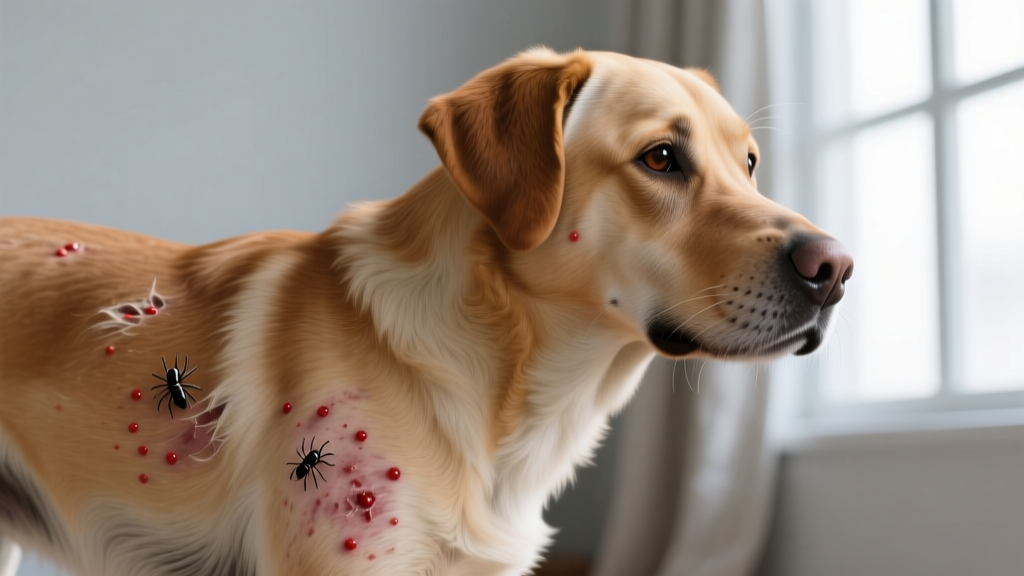
If your dog is scratching relentlessly, licking their paws raw, or suffering from seasonal allergies, you've probably stood in the pharmacy aisle wondering: can dogs have cetirizine? The short answer is yes — cetirizine (commonly known by the brand name Zyrtec) is one of the most frequently recommended over-the-counter antihistamines in veterinary medicine. But before you pop open that bottle, there are critical dosage, formulation, and safety details you need to get right.
Cetirizine is generally safe for dogs when dosed correctly under veterinary guidance. The standard dose is approximately 1 mg per kilogram (0.45 mg per pound) of body weight, given once or twice daily. However, you must avoid formulations containing pseudoephedrine (Zyrtec-D) or xylitol, both of which are toxic to dogs. Always consult your veterinarian before starting any medication.
Unlike food-safety questions where the answer hinges on preparation, cetirizine is a medication — and treating it with the same casual approach you'd give a blueberry can have serious consequences. This guide breaks down exactly what you need to know, from weight-based dosing to dangerous drug interactions, so you can have an informed conversation with your vet.
What Is Cetirizine and How Does It Work in Dogs?
Cetirizine hydrochloride is a second-generation H1-receptor antihistamine. In plain terms, it blocks histamine — the chemical your dog's immune system releases during an allergic reaction — from binding to receptors that trigger itching, swelling, and inflammation.
What makes cetirizine preferable to older antihistamines like diphenhydramine (Benadryl) is its selectivity. According to the Merck Veterinary Manual, second-generation antihistamines like cetirizine cross the blood-brain barrier less readily, meaning they cause significantly less sedation. Your dog gets allergy relief without spending the day in a drowsy fog.
Veterinarians commonly recommend cetirizine for:
- Atopic dermatitis — environmental allergies to pollen, dust mites, or mold
- Flea allergy dermatitis — as an adjunct to flea control, not a replacement
- Acute urticaria — hives from insect stings or contact allergens
- Mild allergic rhinitis — seasonal sneezing and nasal discharge
One important caveat: studies published in Veterinary Dermatology have shown that antihistamines, including cetirizine, are effective in roughly 30% of dogs with atopic dermatitis. Response is highly individual — what works beautifully for one dog may do nothing for another. This is why a veterinary-guided trial period is essential rather than a long-term assumption of efficacy.
Cetirizine Dosage for Dogs by Weight
Getting the dose right is where most well-intentioned owners make mistakes. Cetirizine comes in 5 mg and 10 mg tablets, as well as liquid formulations — and the difference between a safe dose and a problematic one can be a single tablet.
The generally accepted veterinary dosage is 0.5–1 mg/kg (approximately 0.25–0.45 mg/lb) administered orally every 12 to 24 hours. Here's how that translates to real-world dosing:
| Dog Weight | Weight in kg | Typical Dose (mg) | Tablet Equivalent | Frequency |
|---|---|---|---|---|
| 5–10 lb (2.3–4.5 kg) | 2.3–4.5 kg | 2.5 mg | ½ of a 5 mg tablet | Every 12–24 hours |
| 11–25 lb (5–11.3 kg) | 5–11.3 kg | 5 mg | One 5 mg tablet | Every 12–24 hours |
| 26–50 lb (11.8–22.7 kg) | 11.8–22.7 kg | 10 mg | One 10 mg tablet | Every 12–24 hours |
| 51–80 lb (23.1–36.3 kg) | 23.1–36.3 kg | 10–20 mg | One to two 10 mg tablets | Every 12–24 hours |
| 81+ lb (36.8+ kg) | 36.8+ kg | 20 mg | Two 10 mg tablets | Every 12–24 hours |
Calculation example: A 35 lb (15.9 kg) Labrador at 1 mg/kg would receive approximately 15.9 mg. In practice, most veterinarians would round this to a single 10 mg tablet given twice daily (totaling 20 mg/day) or one 10 mg tablet once daily, depending on symptom severity.
Dangerous Formulations: Which Zyrtec Products Are NOT Safe for Dogs
This is where the real risk lies. Not all products labeled "Zyrtec" or "cetirizine" are created equal, and choosing the wrong one can be life-threatening.
Products to AVOID entirely:
| Product | Dangerous Ingredient | Risk to Dogs |
|---|---|---|
| Zyrtec-D | Pseudoephedrine (decongestant) | Agitation, tachycardia, hypertension, seizures, death — even small doses are extremely toxic |
| Cetirizine liquid syrups (some brands) | Xylitol (artificial sweetener) | Rapid insulin release causing hypoglycemia, liver failure — always read the inactive ingredients list |
| Cetirizine + alcohol formulations | Ethanol | CNS depression, vomiting, hypothermia at sufficient doses |
| "Multi-symptom" allergy combos | Various (acetaminophen, phenylephrine) | Multiple toxicities depending on active ingredients |
The ONLY formulations considered safe for dogs:
- Plain cetirizine HCl tablets — 5 mg or 10 mg, with no additional active ingredients
- Plain cetirizine HCl liquid — confirmed xylitol-free (check the label for "xylitol," "birch sugar," or "sugar alcohol")
- Generic cetirizine tablets — store-brand equivalents are fine as long as the only active ingredient is cetirizine hydrochloride
Cost reference: Generic cetirizine 10 mg tablets typically run $8–$15 for a 30-count box at major retailers like Costco, Walmart, or Amazon Pharmacy in 2026. Brand-name Zyrtec costs roughly $18–$25 for the same count. There is no therapeutic advantage to the brand name.
Side Effects and What to Watch For
While cetirizine is well-tolerated compared to first-generation antihistamines, side effects do occur. Understanding the frequency and severity helps you distinguish normal reactions from emergencies.
| Side Effect | Frequency | Severity | Action |
|---|---|---|---|
| Mild drowsiness/sedation | Uncommon (~10–15% of dogs) | Low | Monitor; usually resolves within 2–3 doses as the dog adjusts |
| Vomiting | Rare (~5%) | Low to Moderate | Give with food; if persistent, discontinue and contact vet |
| Excessive drooling (hypersalivation) | Rare | Low | Usually a reaction to bitter taste; offer water, not an emergency |
| Urine retention | Very rare | Moderate | Watch for straining to urinate; contact vet if observed |
| Agitation or restlessness | Very rare (paradoxical reaction) | Moderate | Discontinue immediately and contact vet |
| Rapid heart rate / tremors | Extremely rare (usually overdose) | HIGH | Emergency — contact vet or ASPCA Poison Control (888-426-4435) immediately |
In my experience working with dog owners navigating allergy season, the most common "side effect" reported is actually no effect at all — the dog simply doesn't respond to the antihistamine. This isn't a failure on your part; it's the reality of histamine's role in canine atopy, which is less dominant than in human allergies.
When Cetirizine Is NOT Appropriate: Contraindications
Not every dog is a candidate for cetirizine, and some conditions make it actively dangerous. Before giving any dose, review this list:
Dogs who should NOT receive cetirizine (or need strict veterinary oversight):
- Dogs with kidney disease — Cetirizine is primarily excreted renally. Impaired kidney function can cause drug accumulation and toxicity. Your vet may adjust the dose to every 48 hours or choose an alternative.
- Dogs with liver disease — While cetirizine undergoes minimal hepatic metabolism compared to other antihistamines, compromised liver function still warrants caution.
- Pregnant or nursing dogs — Safety data in breeding dogs is limited. Avoid unless your veterinarian specifically recommends it.
- Puppies under 6 months — Immature organ systems may not metabolize the drug efficiently. Always defer to your vet for puppy allergy management.
- Dogs on certain medications — Cetirizine can interact with CNS depressants (acepromazine, trazodone, gabapentin) and other antihistamines. Provide your vet with a complete medication list.
- Dogs with glaucoma or urinary retention disorders — Antihistamines have mild anticholinergic effects that can worsen these conditions.
Cetirizine vs. Other Dog Allergy Medications: A Practical Comparison
Cetirizine isn't the only option, and understanding where it fits in the broader allergy-management toolkit helps you have a more productive conversation with your veterinarian.
| Medication | Type | Onset | Effectiveness (Canine Atopy) | Avg. Monthly Cost | Prescription Required? |
|---|---|---|---|---|---|
| Cetirizine (Zyrtec) | Antihistamine | 1–2 hours | ~30% of dogs respond | $8–$15 | No (OTC) |
| Diphenhydramine (Benadryl) | Antihistamine | 30–60 min | ~25% respond; more sedating | $5–$10 | No (OTC) |
| Oclacitinib (Apoquel) | JAK inhibitor | 4–24 hours | ~80% respond well | $60–$120 | Yes |
| Lokivetmab (Cytopoint) | Monoclonal antibody injection | 1–3 days | ~75–80% respond well | $65–$150 per injection (4–8 weeks) | Yes (vet-administered) |
| Cyclosporine (Atopica) | Immunosuppressant | 4–6 weeks | ~60–70% respond | $80–$200+ | Yes |
The practical takeaway: cetirizine is an excellent first-line, low-cost trial for mild allergies. If your dog doesn't respond within a week, your vet will likely recommend stepping up to Apoquel or Cytopoint rather than increasing the cetirizine dose.
How to Safely Introduce Cetirizine to Your Dog
If your veterinarian has given the green light, follow this protocol to minimize risk:
- Start with a single dose at the low end of the range (0.5 mg/kg rather than 1 mg/kg) to assess tolerance.
- Administer with food to reduce the chance of vomiting. A small amount of wet food, a pill pocket, or wrapped in a piece of low-sodium deli turkey all work well.
- Monitor closely for 2–4 hours after the first dose. Watch for sedation, vomiting, drooling, or behavioral changes.
- Track symptoms daily for 5–7 days. Use a simple 1–10 itch scale (1 = no scratching, 10 = constant scratching/biting) to objectively measure improvement.
- Report back to your vet after the trial period. If the itch score hasn't dropped by at least 50%, it's time to discuss alternatives.
- Your dog accidentally ingests Zyrtec-D or any pseudoephedrine-containing product
- You observe tremors, seizures, or collapse after dosing
- Your dog has vomited more than twice after receiving cetirizine
- Your dog is straining to urinate or hasn't urinated in 12+ hours
- You're unsure whether your dog's liquid cetirizine contains xylitol — call ASPCA Animal Poison Control at (888) 426-4435 (24/7, consultation fee applies)
Frequently Asked Questions
Can I give my dog human Zyrtec tablets?
Yes — plain Zyrtec tablets (cetirizine HCl only, no "-D" suffix) contain the same active ingredient as veterinary formulations. The key is verifying that the only active ingredient listed is cetirizine hydrochloride and that inactive ingredients don't include xylitol. Human tablets are scored and can be split with a pill cutter for accurate half-doses.
How long does cetirizine take to work in dogs?
Peak blood levels are reached within 1–2 hours of oral administration. However, for environmental allergies, you may not see a meaningful reduction in itching for 3–5 days of consistent dosing. Don't judge effectiveness based on a single dose.
Can dogs have cetirizine every day long-term?
Cetirizine can be used daily during allergy seasons under veterinary supervision. However, long-term daily use (months to years) should be periodically re-evaluated by your vet, particularly for dogs with any degree of kidney impairment. Blood work every 6–12 months is reasonable for dogs on chronic antihistamine therapy.
What happens if my dog eats too much cetirizine?
Overdose symptoms can include extreme sedation, agitation, vomiting, rapid heart rate, and in severe cases, seizures. If you realize your dog has ingested more than the prescribed dose, contact your veterinarian or the ASPCA Animal Poison Control Center at (888) 426-4435 immediately. Have the bottle handy so you can report the exact milligram strength and estimated quantity consumed.
Is cetirizine the same as Zyrtec?
Cetirizine hydrochloride is the active pharmaceutical ingredient in brand-name Zyrtec. Generic cetirizine is pharmacologically identical and equally effective. There is no clinical advantage to paying more for the brand name.
Can I combine cetirizine with Benadryl for my dog?
No — combining two antihistamines without explicit veterinary instruction increases the risk of sedation, urinary retention, and anticholinergic side effects. If one antihistamine isn't working, your vet will recommend switching to a different drug class, not stacking antihistamines.
Disclaimer: This article is for informational purposes only and does not replace professional veterinary advice. Always consult your veterinarian before starting, changing, or discontinuing any medication for your dog. Individual dogs may respond differently, and your vet is the only qualified professional who can assess your dog's specific health needs.
Anouk Beaumont
All our authors care for dogs every day — read more of their work on the authors page.