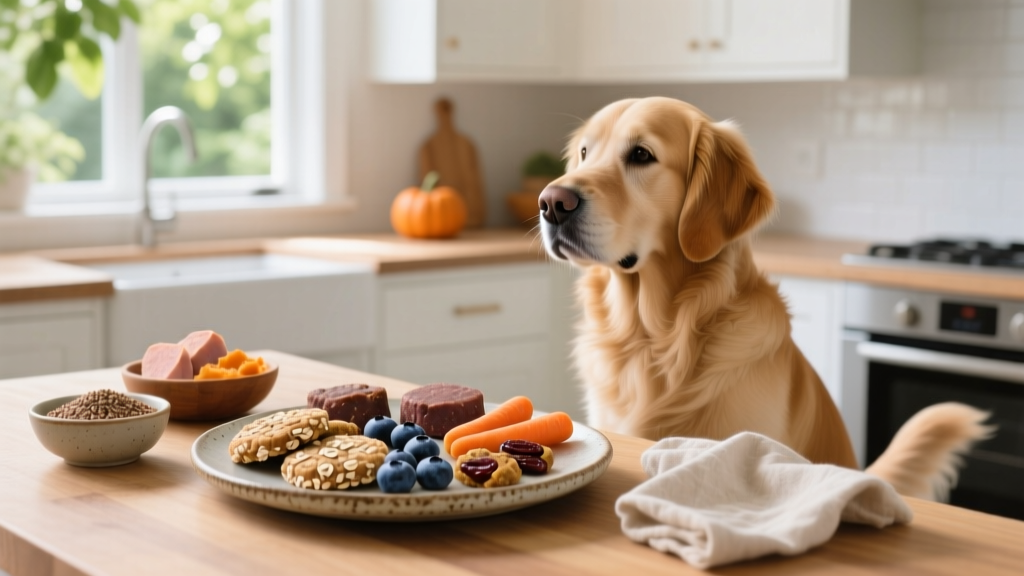
Can Dogs Have Brie Cheese? Safety Guide for Pet Owners
Can dogs have brie cheese safely? Learn serving sizes by weight, preparation tips, nutritional facts, and when to avoid feeding brie to your dog.

The Verdict: Can Dogs Have Brie Cheese?
Dogs can eat small amounts of plain brie cheese as an occasional treat, but it should never be a dietary staple. Brie is high in fat and lactose, which can trigger digestive upset or pancreatitis in susceptible dogs. The rind is safe but difficult to digest. Always serve in pea-sized portions and monitor your dog for 24–48 hours after the first feeding.
Brie is a soft, creamy cow's milk cheese with a white edible rind made from Penicillium camemberti mold. While this mold is safe for human consumption and non-toxic to dogs, the high fat content (roughly 28 grams of fat per 100 grams of brie) and residual lactose make it a food that requires careful portioning. Many adult dogs lack sufficient lactase enzyme to break down dairy sugars efficiently, according to the American Kennel Club.
If your dog has never had dairy before, start with a piece no larger than a green pea and wait a full day before offering more. Watch for loose stools, gas, vomiting, or signs of abdominal discomfort such as a hunched posture or restlessness.
Safe Serving Sizes by Dog Weight
Precision matters when feeding high-fat treats like brie. The Association for Pet Obesity Prevention recommends that treats comprise no more than 10% of your dog's daily caloric intake. One ounce (28 g) of brie contains approximately 95 calories and 8 grams of saturated fat — a significant load for a small dog.
| Dog Size | Weight Range | Max Brie per Serving | Max Frequency | Approximate Calories |
|---|---|---|---|---|
| Toy / Small | Under 20 lb (9 kg) | ½ teaspoon (pea-sized piece, ~3 g) | Once per week | ~10 cal |
| Medium | 20–50 lb (9–23 kg) | 1 teaspoon (~5 g) | 1–2 times per week | ~17 cal |
| Large | 50–90 lb (23–41 kg) | ½ tablespoon (~8 g) | 1–2 times per week | ~27 cal |
| Giant | Over 90 lb (41+ kg) | 1 tablespoon (~14 g) | 1–2 times per week | ~48 cal |
These portions assume your dog is at a healthy body condition score (BCS 4–5 on the 9-point scale) and is not on a prescribed weight-management diet. If your dog is overweight, reduce the serving by half or skip brie entirely in favor of lower-calorie treats like carrot sticks or blueberries.
How to Prepare Brie for Your Dog
Preparation is straightforward but important for safety:
- Choose plain brie only. Avoid brie with added herbs, garlic, onions, honey, truffle, or peppercorn crusts. Garlic and onion are toxic to dogs — even small amounts embedded in flavored rinds can cause hemolytic anemia.
- Remove the rind for small or senior dogs. While the P. camemberti rind is technically edible, its tough, rubbery texture poses a choking risk for dogs that gulp food. For toy breeds and seniors with dental issues, peel it off entirely.
- Cut into pea-sized cubes. Use a clean knife to cut portions appropriate to your dog's weight class (see table above). Do not offer whole wedges — dogs do not chew cheese the way humans do.
- Serve at room temperature. Cold brie straight from the fridge is harder and more difficult to digest. Let the portion sit out for 10–15 minutes before offering.
- Do not melt or cook with butter/oil. Baked brie or brie in pastry adds unnecessary fat and potential toxic ingredients (grape jelly, onion jam, etc.).
Nutritional Profile of Brie Cheese
Brie does contain some nutrients that are beneficial to dogs, but the fat-to-nutrient ratio makes it an inefficient source compared to purpose-formulated treats or whole foods. Here is the approximate breakdown per 1-ounce (28 g) serving, based on USDA food composition data:
| Nutrient | Amount per 1 oz (28 g) | Relevance to Dogs |
|---|---|---|
| Calories | 95 kcal | High — represents 5–15% of daily needs depending on dog size |
| Total Fat | 7.9 g | Excessive for small breeds; pancreatitis risk |
| Saturated Fat | 4.9 g | Contributes to elevated triglycerides over time |
| Protein | 5.8 g | Moderate — supports muscle but not a primary source |
| Calcium | 52 mg | Supports bone health, but better sources exist (e.g., sardines) |
| Phosphorus | 53 mg | Works with calcium; excess can strain kidneys in seniors |
| Vitamin A | 117 IU | Supports vision and immune function |
| Vitamin B12 | 0.47 mcg | Important for nerve function and red blood cell production |
| Sodium | 178 mg | High — problematic for dogs with heart or kidney conditions |
| Lactose | ~0.1 g | Low compared to milk but can still trigger sensitivity |
Is brie good for dogs nutritionally? The short answer: it provides calcium, protein, and B12, but the caloric density and saturated fat content mean your dog would benefit far more from a small piece of cooked chicken breast or a sardine (which delivers omega-3 fatty acids without the lactose concern). Use brie as a high-value training reward or pill-hiding vehicle, not a nutritional supplement.
Risks and Side Effects of Feeding Brie
While a tiny piece of plain brie is unlikely to harm most healthy adult dogs, several risks deserve attention:
Pancreatitis
The Merck Veterinary Manual identifies high-fat meals as a primary trigger for acute pancreatitis in dogs. Breeds with known predisposition include Miniature Schnauzers, Cocker Spaniels, Yorkshire Terriers, and Dachshunds. Symptoms typically appear within 12–24 hours of a fatty meal and include vomiting, diarrhea, a painful or distended abdomen, lethargy, and loss of appetite. Pancreatitis can be life-threatening and often requires hospitalization costing $1,500–$5,000+ depending on severity.
Lactose Intolerance
Most adult dogs produce reduced levels of lactase, the enzyme needed to digest milk sugars. Even though brie's aging process reduces lactose content compared to fresh milk, sensitive dogs may still experience flatulence, loose stools, or abdominal cramping within 6–12 hours of consumption.
Sodium Overload
At 178 mg of sodium per ounce, brie contributes meaningfully to a dog's daily sodium limit. A 30-pound dog's estimated daily sodium requirement is roughly 100–200 mg depending on activity level. Exceeding this consistently can worsen hypertension, congestive heart failure, and chronic kidney disease.
Choking and Obstruction
The rind, while soft to human fingers, can form a gummy bolus in a dog's throat — especially in brachycephalic breeds (French Bulldogs, Pugs, Boston Terriers) that already have compromised airways. Always remove the rind for these breeds.
Weight Gain
A single ounce of brie represents roughly 10% of the daily caloric needs for a 30-pound active dog. Regular feeding without accounting for those calories contributes to obesity, which the AVMA identifies as a leading preventable health issue affecting an estimated 56% of pet dogs in the United States.
When NOT to Feed Brie to Your Dog
Certain dogs should never receive brie or any high-fat dairy product:
- Puppies under 12 months: Their developing digestive systems are especially sensitive to rich, fatty foods. Stick to puppy-formulated treats.
- Senior dogs (7+ years, breed-dependent): Reduced kidney and liver function make processing high sodium and fat more difficult.
- Dogs with a history of pancreatitis: Even small amounts of saturated fat can trigger a recurrence.
- Dogs with kidney disease: The phosphorus and sodium in brie accelerate renal damage.
- Dogs with known dairy allergies or lactose intolerance: If your dog has reacted poorly to yogurt or milk in the past, brie will likely cause similar issues.
- Overweight or obese dogs (BCS 6+): Extra calories from high-fat treats compound the problem. Opt for low-calorie alternatives like cucumber slices or air-dried liver treats.
- Dogs on sodium-restricted diets: Common for those with cardiac conditions such as dilated cardiomyopathy (DCM) or mitral valve disease.
Contact your veterinarian or an emergency clinic immediately if your dog shows any of these signs within 24 hours of eating brie:
- Repeated vomiting (more than twice in 2 hours)
- Bloody or watery diarrhea
- Distended, painful, or rigid abdomen (possible pancreatitis or bloat)
- Lethargy or collapse
- Refusal to eat or drink for more than 12 hours
- Signs of dehydration (tacky gums, skin tenting)
If your dog consumed a large quantity of brie (more than 2–3 ounces for a medium dog) or ate brie containing garlic, onion, or other toxic flavorings, call the ASPCA Animal Poison Control Center at (888) 426-4435 (24/7, consultation fee applies) or the Pet Poison Helpline at (855) 764-7661.
Cheeses and Dairy Products to Avoid
Not all cheese is created equal for dogs. While small amounts of plain mozzarella or cottage cheese are generally better-tolerated options, the following should be avoided entirely:
| Cheese / Dairy Product | Why It's Unsafe for Dogs |
|---|---|
| Blue cheese (Roquefort, Gorgonzola, Stilton) | Contains Penicillium roqueforti, which produces roquefortine C — a mycotoxin that can cause vomiting, seizures, and tremors in dogs |
| Garlic or herb-crusted brie | Garlic and chives are Allium species — toxic to dogs, causing oxidative damage to red blood cells |
| Cheese with onion or onion powder | Onion is toxic to dogs in all forms (raw, cooked, powdered) |
| Cheese spreads with xylitol | Xylitol (birch sugar) causes rapid insulin release and liver failure in dogs — check all ingredient labels |
| Moldy or expired cheese | Wild molds can produce tremorgenic mycotoxins leading to seizures and hyperthermia |
| Queso or nacho cheese sauce | Extremely high in sodium, fat, and often contains jalapeños, onion, or garlic |
If your dog accidentally ingests blue cheese or any cheese containing xylitol, garlic, or onion, treat it as an emergency. Do not wait for symptoms to appear.
How to Introduce Brie Safely
If your dog has no known health contraindications and you want to offer brie as a novel treat or pill pocket, follow this introduction protocol:
- Day 1: Offer a piece no larger than a green pea (~2 g). Place it on the floor or offer from your palm. Do not mix with regular food.
- Monitor for 24–48 hours: Track stool consistency, gas, appetite, energy level, and any vomiting. Normal behavior means you can proceed.
- Day 3: If no adverse reactions, offer the weight-appropriate serving size listed in the table above.
- Ongoing: Limit brie to the frequency guidelines in the table. Rotate with other safe treats to prevent caloric creep and palate fatigue.
Pro tip for medication administration: Brie's soft, moldable texture makes it excellent for hiding small pills. Flatten a pea-sized piece, press the pill into the center, and roll it into a ball. Most dogs will swallow it without detecting the medication. Consult your veterinarian to confirm your specific medication can be given with food — some drugs require an empty stomach for proper absorption.
Frequently Asked Questions
Can dogs eat the rind on brie cheese?
The white rind on brie is made from Penicillium camemberti, which is non-toxic to dogs. However, the rind is tough, rubbery, and harder to digest than the creamy interior. For small dogs, brachycephalic breeds, and seniors with dental disease, remove the rind to reduce choking and digestive risk. Healthy large-breed dogs can typically handle a small amount of rind without issue.
What happens if my dog eats a whole wheel of brie?
A standard 8-ounce (227 g) wheel of brie contains approximately 760 calories and 63 grams of fat. For a 30-pound dog, this represents roughly 80% of their daily caloric needs and a massive fat load that could trigger acute pancreatitis. If your dog consumes this much brie, withhold food for 12 hours (water only), monitor closely for vomiting, diarrhea, and abdominal pain, and call your veterinarian for guidance. Do not induce vomiting unless directed by a professional.
Is brie safer than other cheeses for dogs?
Brie is not the safest cheese option. Its high fat content (28% by weight) exceeds that of mozzarella (17%) and cottage cheese (4%). Low-fat cottage cheese or small amounts of plain mozzarella are better choices for regular treat-giving. Brie's advantage is its soft texture, which makes it useful for hiding pills — but nutritionally, it ranks lower than leaner alternatives.
Can puppies have brie cheese?
No. Puppies under 12 months should not be given brie. Their digestive tracts are still maturing, and high-fat foods can cause significant gastrointestinal upset. Additionally, puppies have specific calcium-to-phosphorus ratio requirements for proper skeletal development, and the mineral profile in brie can disrupt that balance. Stick to treats formulated for puppies or use tiny pieces of cooked, unseasoned chicken.
My dog is lactose intolerant — can they still have a tiny bit of brie?
It is not recommended. While aged and semi-soft cheeses like brie contain less lactose than fresh milk (approximately 0.1 g per ounce versus 12 g per cup of milk), even trace amounts can trigger symptoms in highly sensitive dogs. If you want to offer a cheese treat, try a very small amount of aged cheddar (which has nearly zero lactose) and monitor closely — but consult your veterinarian first.
Disclaimer: This article is for informational purposes only and does not replace professional veterinary advice. Always consult your veterinarian before introducing new foods into your dog's diet, especially if your dog has existing health conditions or is on medication.
Robin Maitland
All our authors care for dogs every day — read more of their work on the authors page.