Can Dogs Eat Mac N Cheese? A Vet-Guided Safety Breakdown
Can dogs eat mac n cheese? Find out if this comfort food is safe, how much to serve by weight, hidden toxic ingredients, and what to do if your dog overeats.
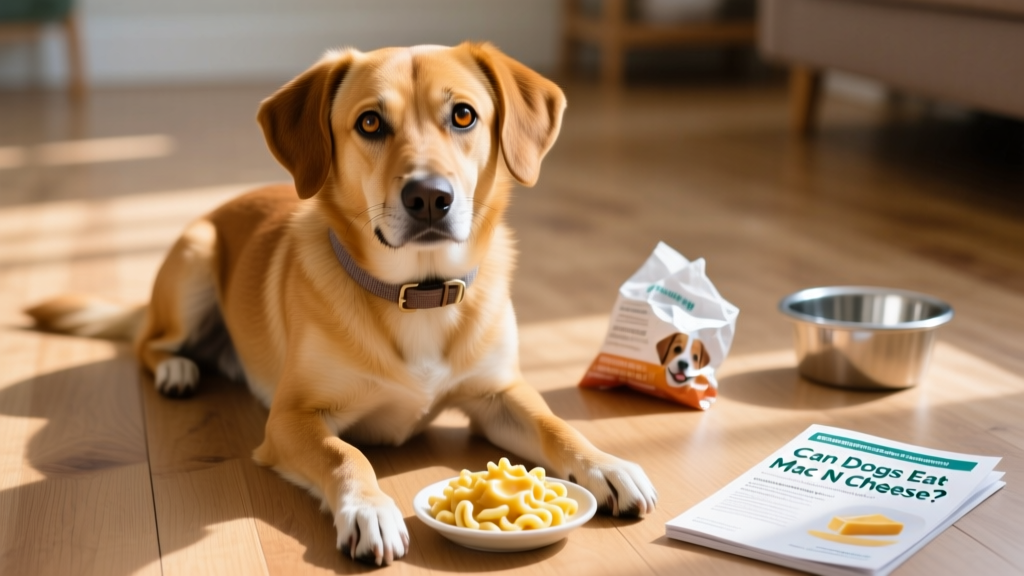
If your dog has ever given you those begging eyes while you're stirring a pot of macaroni and cheese, you've probably wondered whether sharing a spoonful is safe. The short answer is more nuanced than a simple yes or no — and the details matter for your dog's health.
Plain, homemade macaroni (cooked pasta) and a small amount of plain cheese are generally safe for most adult dogs in tiny portions. However, traditional mac n cheese recipes — especially boxed varieties and restaurant versions — contain ingredients that can harm dogs, including garlic powder, onion powder, excessive sodium, and high fat content. Always prepare a dog-safe version before sharing.
Can Dogs Eat Mac N Cheese? The Full Breakdown
Macaroni and cheese is really two foods in one: cooked pasta and a cheese-based sauce. Each component carries its own safety profile for dogs.
Plain cooked macaroni is essentially wheat flour and water. According to the American Kennel Club, plain pasta is not toxic to dogs and provides a source of carbohydrates. However, it offers minimal nutritional value and can contribute to weight gain if fed regularly.
Cheese sauce is where complications arise. Traditional cheese sauce contains butter, milk, salt, and seasonings. Many dogs are lactose intolerant — the Merck Veterinary Manual notes that most adult dogs produce reduced levels of lactase, the enzyme needed to digest dairy. Additionally, common mac n cheese seasonings like garlic powder and onion powder are toxic to dogs, damaging red blood cells and potentially causing hemolytic anemia.
Boxed mac n cheese products (think Kraft, Annie's, Velveeta) are particularly problematic. A single serving of prepared boxed mac n cheese can contain 500–700 mg of sodium — roughly 5–7 times the recommended daily sodium intake for a 30-pound dog. These products also include artificial colorings, preservatives, and flavor enhancers that serve no purpose in a canine diet.
Safe Serving Sizes by Dog Weight
If you decide to share a dog-safe version of mac n cheese, portion control is critical. Treats and human food additions should never exceed 10% of your dog's daily caloric intake, per veterinary nutrition guidelines. Here are specific portion limits for a single serving, offered no more than once or twice per month:
| Dog Weight Class | Weight Range | Max Serving (Dog-Safe Mac N Cheese) | Approximate Calories |
|---|---|---|---|
| Toy/Small | 5–15 lb (2–7 kg) | 1 tablespoon (about 3–4 noodles + dab of cheese) | 20–30 kcal |
| Medium | 16–40 lb (7–18 kg) | 2 tablespoons | 40–60 kcal |
| Large | 41–75 lb (19–34 kg) | 3 tablespoons (roughly 1/8 cup) | 60–90 kcal |
| Giant | 76+ lb (34+ kg) | ¼ cup maximum | 100–120 kcal |
For context, one cup of prepared traditional macaroni and cheese contains approximately 350–400 calories and 15–20 grams of fat. Even a "small" human portion can represent a significant caloric surplus for a dog, especially smaller breeds prone to obesity and pancreatitis.
How to Prepare Dog-Safe Mac N Cheese
If you want to share this comfort food safely, you'll need to make a modified version. Do not simply scoop from the family pot — the seasonings and fat content make standard recipes unsuitable.
Step 1: Cook plain macaroni. Boil elbow macaroni in unsalted water. No salt, no oil, no butter added to the cooking water. Cook until soft (slightly past al dente) for easier digestion. Drain thoroughly.
Step 2: Prepare a minimal cheese topping. Melt 1 tablespoon of low-fat, low-sodium cheese (mozzarella or mild cheddar) with a splash of lactose-free milk or plain water to create a thin sauce. Avoid all butter, cream, garlic, onion, and salt.
Step 3: Combine and cool. Mix a small amount of the cheese sauce with the plain noodles. Let it cool to room temperature before serving — hot food can burn your dog's mouth and esophagus.
Step 4: Serve the weight-appropriate portion from the table above as a topper on their regular food or as a standalone treat.
What about gluten-free pasta? Gluten-free macaroni made from rice, corn, or legumes is safe for dogs without specific grain allergies. However, legume-based pastas (chickpea, lentil) are higher in fiber and may cause gas or loose stools in sensitive dogs. Start with a smaller portion to test tolerance.
Is Mac N Cheese Good for Dogs Nutritionally?
Honestly, no. Mac n cheese is not a nutritionally beneficial food for dogs. Here's what a typical serving of plain macaroni with a small amount of cheese provides:
| Nutrient | Amount (per 2-tablespoon serving) | Relevance to Dogs |
|---|---|---|
| Calories | 40–60 kcal | Energy source, but excess causes weight gain |
| Carbohydrates | 6–9 g | Quick energy; not essential in canine diet |
| Protein | 2–3 g | Minimal; dogs need animal-based protein |
| Fat | 1.5–3 g | Can trigger pancreatitis in susceptible dogs |
| Calcium | 30–50 mg | Bone health, but better sources exist |
| Sodium | 50–150 mg (varies widely) | Often excessive; dogs need only ~10 mg/kg/day |
| Fiber | <1 g | Negligible digestive benefit |
Dogs thrive on diets centered around high-quality animal protein, healthy fats, and specific vitamins and minerals — none of which mac n cheese provides in meaningful quantities. The calcium from cheese is the closest thing to a benefit, but your dog's complete and balanced commercial food already provides adequate calcium.
Think of dog-safe mac n cheese as an occasional novelty, not a nutritional supplement.
What Happens If My Dog Eats Too Much Mac N Cheese?
The risks scale with portion size and the specific ingredients in the mac n cheese your dog consumed. Here's what to watch for:
Mild Symptoms (Monitor at Home)
- Gas and bloating — Wheat pasta and dairy can cause flatulence and mild abdominal discomfort, typically resolving within 12–24 hours.
- Loose stools or diarrhea — Lactose intolerance is the most common culprit. This should resolve within 24–48 hours. Withhold food for 12 hours, then reintroduce a bland diet (boiled chicken and white rice).
- Vomiting (single episode) — Often the body's response to rich, fatty food. If your dog vomits once but is otherwise alert and drinking water, monitor closely.
Serious Symptoms (Contact Your Veterinarian)
- Repeated vomiting or diarrhea lasting more than 24 hours
- Lethargy or weakness
- Signs of abdominal pain — hunched posture, whining when touched, "prayer position" stretching
- Pale or yellow-tinged gums — possible sign of hemolytic anemia if garlic or onion was ingested
- Excessive thirst and urination — could indicate sodium toxicity
If your dog consumed mac n cheese containing garlic, onion, chives, or leeks (common in homemade and restaurant recipes), contact your veterinarian or the ASPCA Animal Poison Control Center at (888) 426-4435 (24/7, consultation fee applies). Allium-family ingredients cause dose-dependent red blood cell damage, and symptoms may not appear for 3–5 days after ingestion. Early intervention is critical.
Also seek emergency care if your dog shows signs of pancreatitis: severe vomiting, abdominal pain, fever, and loss of appetite — particularly common in Miniature Schnauzers, Yorkshire Terriers, Cocker Spaniels, and overweight dogs of any breed after consuming high-fat foods.
Dogs Who Should Never Eat Mac N Cheese
Even a carefully prepared dog-safe version is not appropriate for every dog. Skip the mac n cheese entirely if your dog falls into any of these categories:
- Puppies under 12 months — Their developing digestive systems are more sensitive, and their caloric needs should be met exclusively by puppy-formulated food to ensure proper growth ratios of calcium, phosphorus, and protein.
- Dogs with a history of pancreatitis — Even small amounts of fat and dairy can trigger a recurrence. Pancreatitis treatment costs average $1,500–$5,000 per episode in emergency veterinary care.
- Dogs with known dairy or wheat allergies — Food allergies affect an estimated 1–2% of dogs with allergic skin disease, and wheat and dairy are among the more common triggers.
- Dogs with kidney disease — The sodium and phosphorus in cheese can exacerbate chronic kidney disease (CKD). Dogs on renal diets should avoid all human food additions unless approved by their veterinarian.
- Overweight or obese dogs — With canine obesity rates exceeding 50% in the U.S. (per the Association for Pet Obesity Prevention), adding calorie-dense, nutritionally empty foods worsens the problem.
- Dogs with diabetes — Simple carbohydrates in pasta cause rapid blood sugar spikes, complicating insulin management.
- Senior dogs with sensitive digestion — Older dogs often have reduced digestive enzyme production, making rich or unfamiliar foods harder to process.
Related Foods to Avoid
If you're evaluating mac n cheese, you should also be aware of closely related foods that carry additional risks:
- Boxed mac n cheese (Kraft, Annie's, generic brands) — High sodium, artificial colors (Yellow 5, Yellow 6), and preservatives. The cheese powder is heavily processed and concentrated.
- Restaurant mac n cheese — Typically loaded with butter, cream, garlic, and onion. A single restaurant serving can contain 800–1,200 calories and 40–60 grams of fat.
- Blue cheese and moldy cheeses — Certain blue cheeses contain roquefortine C, a mycotoxin that can cause vomiting, seizures, and tremors in dogs. Never feed blue cheese, gorgonzola, or any cheese with visible mold.
- Mac n cheese with bacon or sausage toppings — Processed meats add extreme sodium levels and fat content. Bacon grease is a known pancreatitis trigger.
- Mac n cheese with tomato sauce or marinara — Tomato sauces often contain garlic, onion, and high sodium. Green tomatoes and tomato stems/leaves contain solanine, which is toxic to dogs.
- Leftover mac n cheese stored with other foods — Cross-contamination with toxic foods (grapes, raisins, xylitol-containing items) is a real risk in mixed leftovers.
How to Introduce Mac N Cheese Safely
If your dog is a healthy adult and you've prepared a dog-safe version following the steps above, here's how to introduce it:
- Start with half the recommended serving for your dog's weight class. For a 30-pound dog, that means just 1 tablespoon.
- Offer it separately from regular meals so you can clearly attribute any digestive reactions to the new food.
- Monitor for 24–48 hours. Watch for changes in stool consistency, gas, vomiting, itching, ear redness, or behavioral changes like lethargy.
- If no adverse reactions occur, you can offer the full recommended serving on a future occasion — but no more than once or twice per month.
- Keep a simple food journal noting the date, portion size, and any reactions. This is especially valuable for multi-dog households or dogs with existing food sensitivities.
Always consult your veterinarian before introducing new human foods, especially if your dog is on a prescription diet or has chronic health conditions.
Frequently Asked Questions
Can dogs eat Kraft mac and cheese?
It's not recommended. Kraft Original Macaroni & Cheese contains 570 mg of sodium per serving, along with artificial colors and preservatives. While a noodle or two accidentally dropped on the floor won't cause an emergency, intentionally feeding boxed mac n cheese regularly exposes your dog to unnecessary sodium and additives. If your dog eats a significant amount of prepared boxed mac n cheese, monitor for vomiting, diarrhea, and excessive thirst.
Can dogs eat macaroni with butter?
Plain cooked macaroni is safe, but adding butter significantly increases the fat content. One tablespoon of butter contains 11 grams of fat and 100 calories — a substantial amount for a small or medium dog. Butter offers no nutritional benefit to dogs and increases pancreatitis risk. Skip the butter and serve plain pasta if you must share.
Is cheese toxic to dogs?
Cheese is not toxic to dogs in the way that chocolate, grapes, or xylitol are. However, many dogs are lactose intolerant, and high-fat cheeses can trigger pancreatitis. Low-fat, low-sodium cheeses like mozzarella or cottage cheese are safer options in small amounts. Never feed moldy cheese, blue cheese, or cheese containing herbs, garlic, or onion.
Can dogs eat white cheddar mac and cheese?
The same rules apply: if it's a homemade version without toxic seasonings and served in a weight-appropriate portion, it's acceptable as a rare treat. White cheddar tends to be slightly higher in fat than regular cheddar, so use a smaller amount of cheese in your dog-safe preparation. Avoid boxed white cheddar varieties due to sodium and additive content.
My dog ate a whole bowl of mac n cheese — what should I do?
First, determine what was in the recipe. If it contained garlic, onion, chives, or leeks, call your veterinarian or the ASPCA Animal Poison Control Center at (888) 426-4435 immediately. If it was a standard recipe without toxic alliums, monitor your dog closely for the next 24–48 hours. Expect possible vomiting, diarrhea, and lethargy from the fat and dairy overload. Provide plenty of fresh water. If vomiting persists beyond 12 hours, if your dog becomes severely lethargic, or if you notice abdominal pain or bloating, seek veterinary care — these may indicate pancreatitis, which requires prompt treatment.
Are there healthier alternatives to mac n cheese for dogs?
Yes. If you want to offer your dog a special food topper or treat, consider these nutritionally superior options: plain cooked sweet potato (rich in beta-carotene and fiber), plain cooked pumpkin (excellent for digestive health), small pieces of cooked chicken breast (high-quality lean protein), or a spoonful of plain, unsweetened yogurt with live cultures (probiotic benefits with less lactose than cheese). All of these provide genuine nutritional value that mac n cheese simply cannot match.
Beth Carrasco
All our authors care for dogs every day — read more of their work on the authors page.