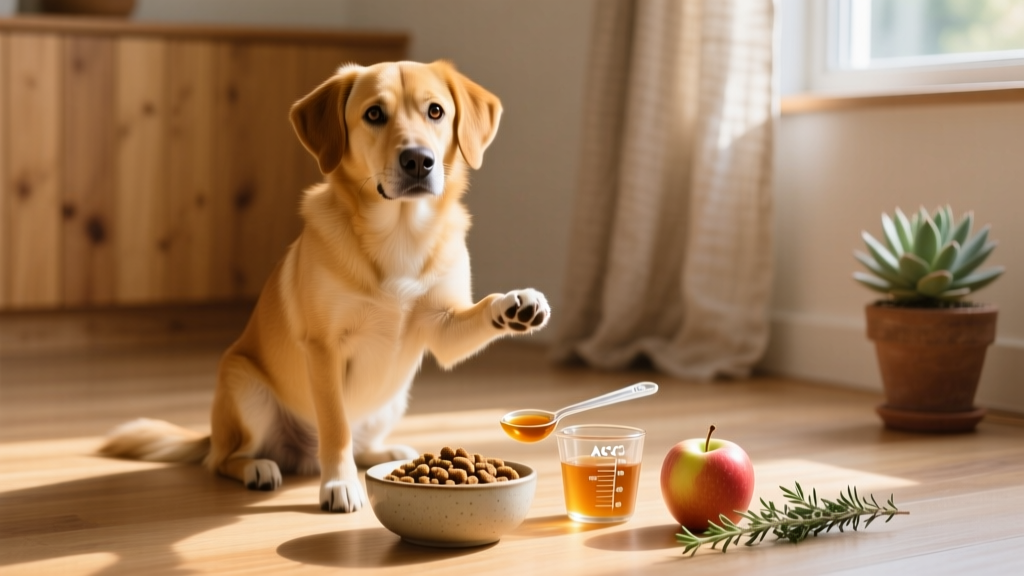
Can Dogs Eat Granny Smith Apples? Safety, Serving Sizes & Vet Tips
Can dogs eat Granny Smith apples? Yes, with prep. Learn safe serving sizes by weight, nutritional benefits, risks, and when to call the vet.

Can Dogs Eat Granny Smith Apples? The Short Answer
Remove all seeds, the core, and the stem before serving. Cut the flesh into bite-sized pieces appropriate for your dog's size. Granny Smith apples are non-toxic and offer vitamin C, fiber, and antioxidants. However, their tartness and higher acid content mean some dogs may experience mild stomach upset if introduced too quickly. Always start with a small piece and monitor for 24–48 hours.
Granny Smith apples are one of the most popular apple varieties in the United States, prized for their crisp texture and tart flavor. According to the ASPCA, apples (genus Malus domestica) are non-toxic to dogs. The flesh is perfectly safe and can serve as a low-calorie treat that most dogs enjoy for its crunch and slight sweetness beneath the tartness.
That said, there are important caveats. Apple seeds contain amygdalin, a cyanogenic glycoside that releases cyanide when chewed. While a few accidentally swallowed seeds won't cause acute poisoning in a large dog, habitual ingestion or a small dog chewing many seeds could pose a risk. The core also presents a choking hazard, especially for small breeds and enthusiastic gulpers. Preparation matters — and we'll cover exactly how to do it below.
Safe Serving Sizes: How Much Granny Smith Apple Can Your Dog Have?
Treats, including fruit, should make up no more than 10% of your dog's daily caloric intake, per the AVMA's nutrition guidelines. A single medium Granny Smith apple (about 182g) contains roughly 95 calories — mostly from natural sugars. Here's a practical breakdown by weight class:
| Dog Weight Class | Weight Range | Safe Serving Size | Frequency | Approx. Calories |
|---|---|---|---|---|
| Toy / Small | 5–20 lb (2–9 kg) | 2–3 thin slices (about 1 tablespoon diced) | 2–3 times per week | 5–10 cal |
| Medium | 21–50 lb (10–23 kg) | 4–5 slices (about ¼ cup diced) | 3–4 times per week | 15–25 cal |
| Large | 51–90 lb (23–41 kg) | 6–8 slices (about ⅓ cup diced) | 4–5 times per week | 25–35 cal |
| Giant | 91+ lb (41+ kg) | Up to ½ apple (about ½ cup diced) | Daily if tolerated | 40–50 cal |
For context, a 30 lb (14 kg) dog eating roughly 700 calories per day should get no more than 70 calories from all treats combined. Granny Smith apple slices fit easily into that budget, but remember to account for other treats, training rewards, and table scraps your dog may receive throughout the day.
Nutritional Benefits of Granny Smith Apples for Dogs
Granny Smith apples bring a modest but meaningful nutritional profile to your dog's diet. They won't replace a balanced commercial or veterinary-formulated diet, but as a supplemental treat, they offer several advantages over processed biscuits. Below is a breakdown based on USDA data for one medium (182g) raw Granny Smith apple with skin:
| Nutrient | Amount per Medium Apple | Benefit for Dogs |
|---|---|---|
| Calories | 95 kcal | Low-calorie treat option vs. typical biscuits (30–50 cal each) |
| Dietary Fiber | 4.4 g | Supports healthy digestion and regular bowel movements |
| Vitamin C | 8.4 mg | Antioxidant support; dogs synthesize their own but extra can help senior dogs |
| Vitamin A | 98 IU | Supports vision, immune function, and skin health |
| Potassium | 195 mg | Electrolyte balance and muscle function |
| Water Content | ~86% | Mild hydration boost, especially useful in warm weather |
| Sugar (natural) | 19 g | Energy source, but reason to limit portion size |
One notable advantage of Granny Smith apples over sweeter varieties like Fuji or Gala: they contain slightly less sugar (roughly 12–14g per medium apple vs. 19–22g in a Fuji). This makes them a marginally better choice for dogs where you want to minimize sugar intake, such as those prone to weight gain. The skin contains most of the fiber and a high concentration of quercetin, a flavonoid with anti-inflammatory properties studied in canine nutrition research.
How to Prepare Granny Smith Apples for Your Dog
Step 1: Wash thoroughly. Rinse the apple under cool running water for 15–20 seconds. If using conventional (non-organic) apples, scrub gently with a produce brush to reduce pesticide residue. The Environmental Working Group consistently lists apples among produce with higher pesticide loads, so organic is preferable when available.
Step 2: Remove the core, seeds, and stem. Slice the apple vertically and cut away the central core section containing seeds. Apple seeds contain amygdalin — while a dog would need to chew and consume a significant quantity for acute toxicity (estimated at roughly 1 mg of cyanide per kg of body weight), there is zero reason to risk it. Discard the core entirely.
Step 3: Decide on skin. The skin is safe and fiber-rich. Leave it on for maximum nutritional benefit unless your dog has shown sensitivity to high-fiber foods or you're serving a very small breed that may struggle with the tougher texture.
Step 4: Cut to appropriate size. For toy and small breeds, dice into ½-inch cubes or cut thin, manageable slices. For medium and large dogs, wedges or thick slices work well. Giant breeds can handle larger chunks, but always supervise to prevent choking.
Step 5: Serve plain. No cinnamon, sugar, honey, peanut butter coating, or any seasoning. While cinnamon is non-toxic in tiny amounts, added sugar and spices can cause GI upset. If you want to combine apple with another safe food, a thin smear of unsalted, xylitol-free peanut butter on a slice makes a high-value training treat.
Raw vs. cooked: Raw is ideal — it retains maximum vitamin C and provides the satisfying crunch dogs enjoy. Cooked (unsweetened applesauce with no added sugar or xylitol) is acceptable for senior dogs with dental issues, but the cooking process degrades some heat-sensitive nutrients. Never feed apple pie filling, which contains sugar, spices, and potentially xylitol — a sugar substitute that is acutely toxic to dogs.
What Happens If Your Dog Eats Too Much Granny Smith Apple?
Overindulgence in Granny Smith apples typically causes gastrointestinal symptoms rather than toxicity. Here's what to expect based on how much was consumed:
Mild overconsumption (2–3× the recommended serving): Your dog may experience loose stools, mild gas, or a brief episode of vomiting within 2–6 hours. The high fiber and natural sugar content can overwhelm a dog's digestive system if introduced in large quantities suddenly. This usually resolves within 12–24 hours with access to fresh water and a bland diet (boiled chicken and white rice).
Significant overconsumption (entire apple including core, or multiple apples): Watch for persistent vomiting, diarrhea lasting more than 24 hours, abdominal bloating, or signs of discomfort (hunched posture, whining, restlessness). The core poses an intestinal blockage risk in small dogs under 15 lb (7 kg). If your dog consumed several apple cores or you notice these symptoms, contact your veterinarian promptly.
Seed ingestion: If your dog chewed and swallowed seeds from one apple, the amygdalin dose is unlikely to cause clinical cyanide poisoning in dogs over 20 lb (9 kg). However, if a small dog consumed and chewed seeds from multiple apples, call the ASPCA Animal Poison Control Center at (888) 426-4435 (24/7, consultation fee applies) or the Pet Poison Helpline at (855) 764-7661 for guidance. Symptoms of cyanide toxicity include bright red gums, difficulty breathing, dilated pupils, and collapse — these are emergencies requiring immediate veterinary intervention.
- Your dog ate apple cores or a large quantity of seeds and shows any distress
- Vomiting or diarrhea persists beyond 24 hours
- Your dog shows signs of abdominal pain (guarding, hunching, refusal to move)
- You notice bright red gums, labored breathing, or sudden lethargy after seed ingestion
- Your dog is a toy breed (under 10 lb / 4.5 kg) and consumed a whole apple including core
Dogs Who Should Not Eat Granny Smith Apples
While Granny Smith apples are safe for the vast majority of dogs, certain populations should avoid them or require veterinary approval before introduction:
- Diabetic dogs: The natural sugar content (even at Granny Smith's lower levels) can affect blood glucose management. Consult your veterinarian before offering any fruit treats.
- Dogs with chronic kidney disease (CKD): The potassium content (195 mg per medium apple) may need to be restricted depending on the stage of CKD. Your vet will advise on safe potassium limits.
- Puppies under 12 weeks: Their digestive systems are still developing, and introducing novel foods can cause unnecessary GI disruption during the critical socialization and vaccination period. Stick to puppy-formulated treats.
- Dogs with a history of pancreatitis: While apples are low in fat, any dietary change during or shortly after a pancreatitis episode should be cleared by your veterinarian.
- Dogs with known food allergies or sensitivities: Apple allergy is rare in dogs but documented. If your dog has reacted to other rosaceae-family fruits (pears, peaches, cherries), introduce apple with extra caution.
- Overweight dogs on a weight-loss plan: Apple can fit into a weight management diet, but the calories must be counted within the daily allowance set by your vet or a veterinary nutritionist.
Related Foods: What to Avoid and What's Safe
Understanding the broader landscape of fruit safety helps you make quick decisions in the kitchen. Here's how Granny Smith apples compare to related and commonly confused foods:
| Food | Safe for Dogs? | Key Notes |
|---|---|---|
| Other apple varieties (Fuji, Gala, Honeycrisp) | ✅ Yes | Same prep rules; slightly higher sugar than Granny Smith |
| Unsweetened applesauce | ✅ Yes | Check label for xylitol — must be absent. Lower fiber than whole apple. |
| Apple cider vinegar (diluted) | ⚠️ Caution | Not toxic but highly acidic; can erode tooth enamel and irritate esophagus |
| Apple pie / apple pie filling | ❌ No | Contains sugar, butter, spices, and potentially xylitol — all problematic |
| Dried apple slices (unsweetened) | ⚠️ Caution | Concentrated sugar; choking hazard for small dogs. Limit to 1–2 small pieces. |
| Apple juice | ❌ No | High sugar concentration with no fiber benefit; can cause osmotic diarrhea |
| Grapes and raisins | ❌ Toxic | Can cause acute kidney failure — never feed any amount. ASPCA grape toxicity page |
| Cherries (flesh only) | ⚠️ Caution | Flesh is safe but pits, stems, and leaves contain cyanide. Risk outweighs benefit. |
The grape comparison is critical. Many pet owners assume that because one fruit is safe, others are too. Grapes and raisins remain one of the most dangerous foods for dogs, with the toxic mechanism linked to tartaric acid, as identified in a 2021 study published in the Journal of Veterinary Emergency and Critical Care. Never substitute grapes for apple slices as a treat.
How to Introduce Granny Smith Apples Safely
If this is your dog's first time eating Granny Smith apple, follow a gradual introduction protocol to minimize digestive upset and identify any sensitivity:
- Day 1: Offer a single small piece (roughly the size of your pinky fingernail for small dogs, a thumbnail-sized piece for large dogs). Observe for 24 hours.
- Day 2–3: If no vomiting, diarrhea, excessive gas, or itching occurred, offer the lower end of the recommended serving size for your dog's weight class.
- Day 4–7: Gradually increase to the full recommended serving if well-tolerated. You can now incorporate apple slices into your regular treat rotation.
- Ongoing: Rotate Granny Smith apple with other safe fruits and vegetables (blueberries, carrots, green beans) to provide nutritional variety and prevent flavor fatigue.
Watch specifically for signs of an allergic reaction, which in dogs typically manifests as itching (especially paws, ears, and belly), hives, facial swelling, or GI distress within 1–4 hours of ingestion. True apple allergy is uncommon, but any novel food carries a small risk. If you observe these symptoms, discontinue feeding and consult your veterinarian.
For training purposes, apple cubes can serve as a mid-value reward. They work particularly well for dogs who are food-motivated but need lower-calorie options during extended training sessions. Cut ½-inch cubes and store them in a sealed container in the refrigerator for up to 3 days — the slight browning from oxidation doesn't affect safety or palatability for dogs.
Frequently Asked Questions
Can dogs eat Granny Smith apple skin?
Yes, the skin is safe and contains the majority of the apple's fiber and beneficial flavonoids like quercetin. Wash thoroughly to remove pesticide residue, or choose organic apples. For very small breeds or dogs with sensitive digestion, you may peel the apple to reduce fiber content.
Are Granny Smith apples better than other apple varieties for dogs?
Marginally, yes. Granny Smith apples typically contain 2–5g less sugar per medium apple compared to sweeter varieties like Fuji or Gala, making them a slightly better choice for weight-conscious dogs or those prone to blood sugar fluctuations. The nutritional difference is modest, though — any apple variety prepared correctly is a safe treat.
Can I give my dog frozen Granny Smith apple slices?
Frozen apple slices make an excellent cooling treat in hot weather and can help soothe teething puppies (over 12 weeks). Cut to appropriate size before freezing, and supervise your dog while they eat them — frozen pieces are harder and can crack teeth in aggressive chewers, particularly the carnassial teeth (upper fourth premolars).
How long does it take for a dog to digest apple?
Most dogs pass fruit matter through their GI tract within 8–12 hours, though this varies by individual metabolism and whether the apple was eaten with a meal or on an empty stomach. If you see undigested apple pieces in your dog's stool, it's usually the skin — this is normal and not a cause for concern unless accompanied by diarrhea.
Can senior dogs eat Granny Smith apples?
Yes, provided they have adequate dental health to chew firm apple slices. For seniors with dental disease or missing teeth, offer thin slices or unsweetened applesauce instead. Senior dogs with kidney disease or diabetes should have apple treats cleared by their veterinarian first due to potassium and sugar content.
This article provides general nutritional guidance and is not a substitute for professional veterinary advice. Always consult your veterinarian before making significant changes to your dog's diet, especially if your dog has pre-existing health conditions. For suspected toxic ingestion, contact the ASPCA Animal Poison Control Center at (888) 426-4435 or the Pet Poison Helpline at (855) 764-7661 immediately.
Aaron Whyte
All our authors care for dogs every day — read more of their work on the authors page.