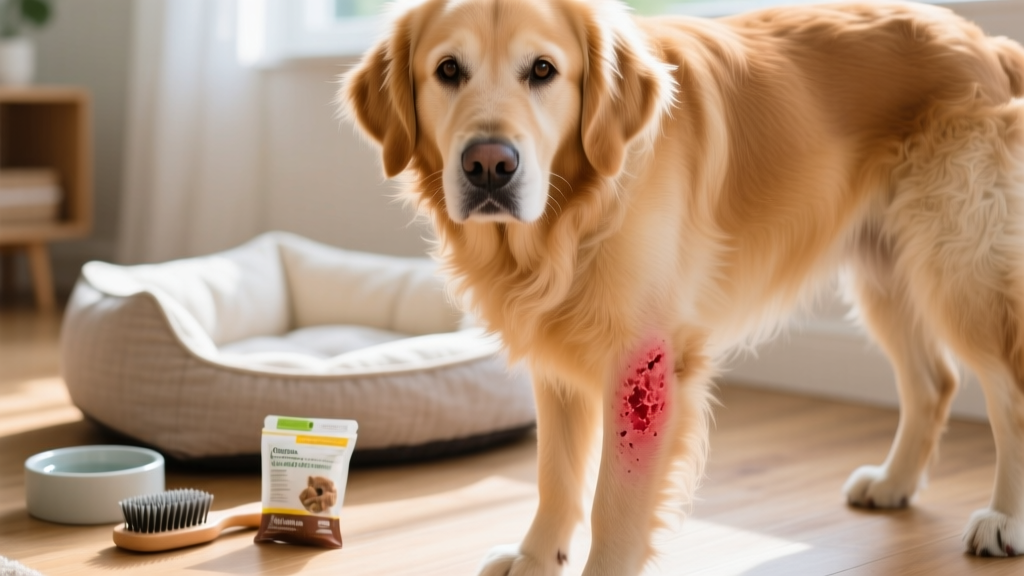
Can Dogs Eat Food With Onions? The Complete Safety Guide
Can dogs eat food with onions? No — onions are toxic to dogs in all forms.

Onions are toxic to dogs in every form — raw, cooked, powdered, dehydrated, or fried. All parts of the onion plant (flesh, skin, juice, leaves) contain organosulfur compounds that destroy red blood cells, causing a life-threatening condition called hemolytic anemia. There is no safe serving size. Even small amounts hidden in sauces, gravies, or seasoned dishes can be dangerous, especially for small breeds.
If you've ever wondered whether a tiny piece of onion in your dog's scraps is harmful, the short answer is: don't risk it. According to the ASPCA, onions rank among the most common household food toxins for dogs, alongside garlic, grapes, and xylitol. What makes onions especially tricky is that toxicity can be delayed — symptoms may not appear for 3 to 5 days after ingestion, making it easy to miss the connection.
Why Onions Are Dangerous for Dogs
Onions (Allium cepa) contain N-propyl disulfide and other organosulfur compounds. When a dog digests these compounds, they cause oxidative damage to hemoglobin inside red blood cells. The damaged hemoglobin clumps together into structures called Heinz bodies, which the spleen recognizes as abnormal and destroys. This process — Heinz body hemolytic anemia — reduces the blood's oxygen-carrying capacity.
Unlike humans, dogs lack certain protective enzymes in their red blood cells that would neutralize these oxidative compounds. Their red blood cells are simply more vulnerable to this type of chemical attack.
The Toxic Dose Threshold
Research published in the Journal of Veterinary Pharmacology and Therapeutics and referenced by the Merck Veterinary Manual establishes the toxic threshold at approximately:
| Metric | Value |
|---|---|
| Toxic dose (raw onion) | 15–30 grams per kilogram of body weight (approximately 0.5% of body weight) |
| For a 10 lb (4.5 kg) dog | As little as 68–135 grams (~2.4–4.8 oz) of raw onion |
| For a 30 lb (13.6 kg) dog | As little as 204–408 grams (~7.2–14.4 oz) of raw onion |
| For a 70 lb (31.8 kg) dog | As little as 477–954 grams (~1.1–2.1 lbs) of raw onion |
| Onion powder concentration | Powder is 3–5× more concentrated than fresh — a teaspoon may contain the equivalent of a whole medium onion |
Important: These are thresholds where clinical toxicity has been documented. Individual sensitivity varies. Some dogs — particularly Japanese breeds like Akitas and Shiba Inus — have a genetic predisposition to red blood cell fragility and may react to smaller amounts. Repeated small exposures are also cumulative, meaning feeding tiny amounts over several days can build up to toxic levels.
All Forms of Onion Are Toxic
A common misconception is that cooking neutralizes onion toxicity. It does not. The organosulfur compounds responsible for red blood cell damage are remarkably heat-stable. Here's how different onion forms compare in risk:
🚫 Raw Onion
Full concentration of N-propyl disulfide. A few rings from a salad or burger topping can be enough to harm a small dog.
🚫 Cooked/Sautéed Onion
Heat does not destroy the toxic compounds. Caramelized, grilled, or boiled onions remain equally dangerous.
🚫 Onion Powder
The most concentrated form. Common in seasoning blends, bouillon cubes, and baby food. One teaspoon of onion powder ≈ one medium onion in toxicity.
🚫 Dehydrated/Onion Flakes
Found in soup mixes and spice blends. Concentrated toxicity similar to powder form.
🚫 Onion Juice/Broth
Toxic compounds dissolve readily into cooking liquids. Any broth or gravy made with onions is unsafe.
🚫 Green Onions/Scallions
While slightly lower in toxic compounds than bulb onions, green onions still contain enough N-propyl disulfide to be considered unsafe.
Symptoms of Onion Toxicity in Dogs
Onion poisoning is insidious because symptoms are often delayed. The American Kennel Club notes that clinical signs typically emerge 3 to 5 days after ingestion, though heavy doses can produce symptoms within 24 hours. Watch for these signs:
Early Signs (1–3 Days After Ingestion)
- Lethargy and weakness — your dog seems unusually tired or reluctant to exercise
- Decreased appetite — turning away from food or eating significantly less
- Vomiting or diarrhea — gastrointestinal upset is common with larger ingestions
- Abdominal pain — your dog may hunch, whine, or resist being touched around the belly
Progressive Signs (3–7 Days After Ingestion)
- Pale or bluish gums — indicates reduced oxygen-carrying capacity in the blood
- Dark red or brown urine — caused by hemoglobin being filtered through the kidneys (hemoglobinuria)
- Rapid breathing or panting — the body compensating for reduced oxygen
- Elevated heart rate (tachycardia)
- Exercise intolerance — collapsing or sitting down during walks
- Jaundice (yellowing of eyes, gums, or skin) — in severe cases
🚨 When to Call the Vet Immediately
Contact your veterinarian or an emergency clinic right away if:
- You know your dog ate a significant amount of onion (use the dose table above as reference)
- You see pale gums, dark urine, or rapid breathing
- Your dog is a small breed (under 20 lbs) and ate any amount of onion
- Your dog consumed onion powder or concentrated onion products
- You are unsure how much was eaten but your dog seems unwell
ASPCA Animal Poison Control: (888) 426-4435 — available 24/7 (consultation fee applies). They can assess the risk based on your dog's weight and estimated ingestion amount.
What Your Vet Will Do
If you bring your dog in for suspected onion toxicity, expect the following diagnostic and treatment approach:
Diagnostic Tests
| Test | Purpose | Estimated Cost |
|---|---|---|
| Complete Blood Count (CBC) | Detects Heinz body formation, reduced red blood cell count, and anemia severity | $80–$150 |
| Blood Smear Examination | Visual identification of Heinz bodies and red blood cell morphology changes | $40–$75 |
| Urinalysis | Checks for hemoglobinuria (free hemoglobin in urine) | $50–$100 |
| Serum Chemistry Panel | Assesses kidney function and overall metabolic status | $90–$180 |
Treatment Options
Treatment depends on how recently the onion was consumed and the severity of anemia:
- Within 2 hours of ingestion: Induced vomiting (apomorphine, $50–$80) and activated charcoal administration ($30–$60) to reduce absorption
- Mild anemia: Supportive care with IV fluids ($150–$300/day), monitoring, and possibly oral antioxidants such as Vitamin E or SAMe
- Severe anemia (PCV below 20%): Blood transfusion may be necessary — expect costs of $500–$1,500 per unit depending on your region and whether a blood bank is available
- Oxygen therapy: For dogs in respiratory distress due to severe anemia ($100–$200/day)
With prompt treatment, the prognosis is generally good for mild to moderate cases. Red blood cells regenerate over 2–4 weeks. However, severe untreated cases can be fatal.
Hidden Onion Sources to Watch For
The biggest risk to dogs isn't usually a whole onion on the counter — it's the hidden onion content in everyday human foods. Check ingredient labels carefully on these common items:
- Baby food — some varieties contain onion powder (always check before using baby food to hide pills or entice sick dogs)
- Bouillon cubes and broth — nearly all commercial broths contain onion unless labeled "no onion"
- Seasoning blends — taco seasoning, Italian seasoning, Cajun spice, ranch dressing mix
- Pre-made sauces — marinara, BBQ sauce, teriyaki, gravy packets
- Restaurant leftovers — soups, stir-fries, burgers, pizza (onions in the sauce)
- Deli meats and sausages — some contain onion powder as a flavoring agent
- Dog treats from unreliable sources — always check ingredient lists; reputable brands do not include onion
Related Toxic Foods in the Allium Family
Onions belong to the Allium genus, and every member of this plant family poses similar (though varying) risks to dogs:
| Allium Plant | Relative Toxicity vs. Onion | Common Sources |
|---|---|---|
| Garlic | 3–5× more toxic than onion per gram | Fresh cloves, garlic powder, garlic bread, supplements |
| Shallots | Similar toxicity to onion | French cuisine, vinaigrettes, stir-fries |
| Leeks | Moderate toxicity (lower concentration) | Soups, quiches, potato-leek dishes |
| Chives | Moderate toxicity (often eaten in small amounts) | Garnishes, dips, herb gardens (dogs may graze) |
| Scallions/Green Onions | Moderate toxicity | Asian cuisine, salads, garnishes |
Garlic is especially concerning because it's more concentrated and is sometimes mistakenly recommended in holistic circles as a "natural flea repellent." This practice is not supported by veterinary evidence and carries real risk of anemia. Consult your veterinarian before giving any Allium-family supplement to your dog.
Safe Alternatives to Add Flavor to Your Dog's Food
If you're looking to make your dog's meals more appealing without the danger of onions, these veterinarian-approved options are both safe and nutritious:
- Plain cooked chicken or turkey — unseasoned, skinless, boneless (2–3 tablespoons per 20 lbs body weight as a topper)
- Pumpkin puree — plain, not pie filling; rich in fiber and beta-carotene (1 tablespoon per 10 lbs body weight)
- Sweet potato — cooked, unseasoned, cut into small pieces (1–2 tablespoons per meal)
- Low-sodium bone broth — specifically formulated for dogs (check labels for onion/garlic-free certification)
- Blueberries — antioxidant-rich, low-calorie (2–3 berries per 10 lbs body weight)
- Carrots — raw or steamed, excellent for dental health and low in calories
Frequently Asked Questions
Can dogs eat food with onions if the onions are cooked?
No. Cooking does not neutralize the organosulfur compounds (N-propyl disulfide) that cause red blood cell damage. Caramelized, sautéed, boiled, grilled, or fried onions are all toxic to dogs. Heat-stable toxins mean that any food prepared with onions — including the cooking liquid — should be kept away from your dog.
What happens if my dog eats a small piece of onion?
A single small piece (like a ring that fell on the floor) is unlikely to cause clinical toxicity in a large dog, but it depends on your dog's size and the amount ingested. For a 10 lb dog, even a few bites could approach the toxic threshold. Monitor for lethargy, pale gums, and dark urine over the next 3–5 days. If you're concerned, call the ASPCA Poison Control at (888) 426-4435 for a risk assessment based on your dog's weight.
Is onion powder more dangerous than fresh onion?
Yes. Onion powder is a dehydrated, concentrated form of onion. One teaspoon of onion powder can contain the toxic equivalent of one entire medium onion. It's also easier for dogs to consume in larger quantities since it's mixed into foods without visible chunks. Always check seasoning blend labels before sharing any seasoned food with your dog.
How long after eating onions will a dog show symptoms?
Symptoms of onion toxicity are typically delayed by 3 to 5 days after ingestion, though heavy doses can produce GI signs (vomiting, diarrhea) within 24 hours. The delayed onset of anemia is what makes onion poisoning particularly dangerous — owners may not connect the symptoms to something the dog ate days earlier. If you know your dog ate onions, contact your vet proactively rather than waiting for symptoms.
Are certain dog breeds more sensitive to onions?
Yes. Japanese breeds — particularly Akitas, Shiba Inus, and Japanese Spitz — have a hereditary predisposition to red blood cell fragility (increased osmotic fragility and higher potassium content in red blood cells). These breeds may develop hemolytic anemia at lower onion doses than other breeds. Additionally, any dog with pre-existing anemia or immune-mediated hemolytic anemia (IMHA) is at higher risk.
Can I give my dog broth that was cooked with onions?
No. The toxic N-propyl disulfide compounds dissolve into cooking liquids. Even if you remove all visible onion pieces, the broth itself contains dissolved toxins. Only feed your dog broths that are specifically labeled onion-free or that you prepared yourself without any Allium ingredients.
What should I do if my dog ate food containing onions?
First, estimate how much onion was consumed and when. Then: (1) If ingestion was within the last 2 hours, call your vet — they may recommend bringing your dog in for induced vomiting. (2) If more than 2 hours have passed, monitor closely for 3–5 days and consider a proactive vet visit for a baseline blood count. (3) For any amount that approaches the toxic threshold (15g/kg body weight), seek veterinary care immediately. Call ASPCA Poison Control at (888) 426-4435 if you need help calculating risk.
Disclaimer: This article is for informational purposes only and does not replace professional veterinary advice. If your dog has ingested onions or is showing symptoms of toxicity, contact your veterinarian or an emergency animal hospital immediately. Always consult your veterinarian before making changes to your dog's diet.
Priya Sutaria
All our authors care for dogs every day — read more of their work on the authors page.