Hot Spot Treatment for Dogs: Complete Identification & Care Guide
Learn how to identify, treat, and prevent hot spots in dogs.
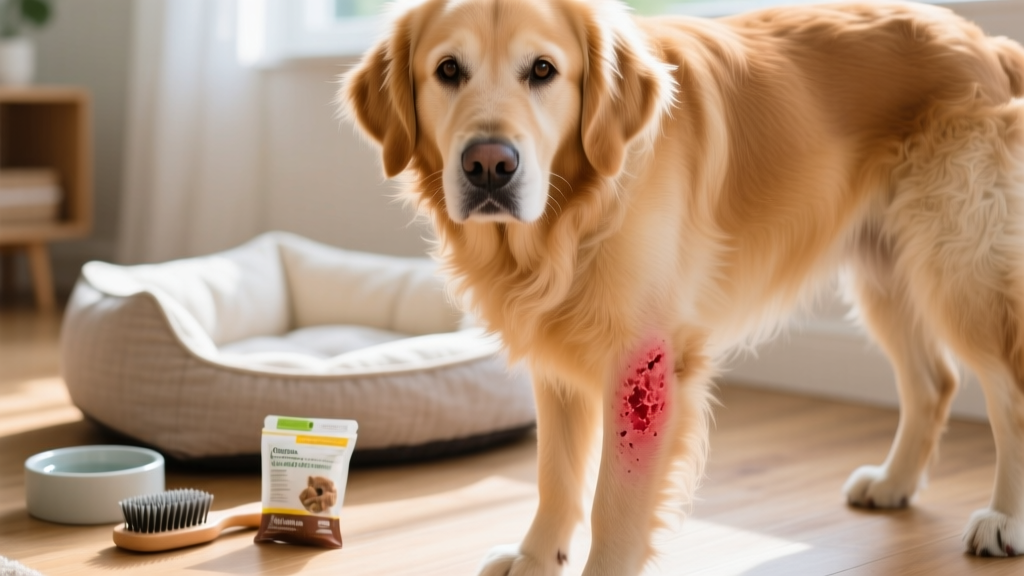
If your dog is suddenly obsessively licking, chewing, or scratching one specific area until it's raw, red, and oozing, you're likely dealing with a hot spot — one of the most common and fast-moving skin conditions in dogs. A hot spot, clinically known as acute moist dermatitis or pyotraumatic dermatitis, is a localized bacterial skin infection that develops when a dog's self-trauma (licking, chewing, scratching) breaks the skin barrier, allowing normal skin bacteria — typically Staphylococcus pseudintermedius — to proliferate rapidly in warm, moist conditions.
Hot spots can appear within hours and spread dramatically in a single day. They're estimated to affect roughly 1 in 14 dogs annually, with incidence spiking during warm, humid months. The good news? With proper hot spot treatment, most resolve within 7–14 days. The challenge is acting fast enough to prevent secondary complications and addressing the underlying trigger so they don't recur.
What Exactly Is a Hot Spot in Dogs?
A hot spot is a superficial bacterial skin infection characterized by a well-demarcated, moist, erythematous (red), and often painful lesion. The condition follows a predictable cycle: an initial itch or irritation causes the dog to lick, chew, or scratch the area. This self-trauma damages the skin's protective barrier, introduces moisture from saliva, and creates an ideal environment for bacterial overgrowth. The resulting inflammation causes more itching and pain, which drives more self-trauma — a vicious feedback loop that can transform a small irritated patch into a large, weeping wound in under 24 hours.
According to the Merck Veterinary Manual, hot spots are classified as superficial pyoderma — meaning the infection affects the outermost layers of skin and hair follicles. Unlike deeper pyoderma or cellulitis, hot spots typically don't involve the subcutaneous tissue, though untreated cases can progress to deeper infections.
Recognizing Hot Spot Symptoms: Early Warning vs. Advanced Signs
Catching a hot spot early dramatically reduces treatment complexity and cost. Here's a symptom checklist organized by progression stage:
| Stage | Symptoms | Urgency |
|---|---|---|
| Early (0–12 hours) |
|
Monitor closely; begin home intervention |
| Moderate (12–48 hours) |
|
Veterinary appointment within 24 hours |
| Advanced (48+ hours or rapidly progressing) |
|
Veterinary visit same day |
The most common locations for hot spots are the base of the tail (often linked to flea allergy), behind the ears (common in floppy-eared breeds with ear infections), the hip and thigh region (associated with hip dysplasia or anal gland issues), and the chest or front legs (often linked to anxiety-related licking or contact allergies).
Risk Factors: Which Dogs Are Most Prone to Hot Spots?
Hot Spot Risk Factor Profile
Breed predisposition: Golden Retrievers, Labrador Retrievers, German Shepherds, Rottweilers, St. Bernards, and any thick-coated or double-coated breed. Dogs with skin folds (Shar-Peis, Bulldogs) are also at elevated risk.
Coat type: Dense, long, or double coats trap moisture against the skin — a primary environmental factor. Dogs that swim frequently without thorough drying are particularly vulnerable.
Age: Hot spots can occur at any age but are most common in dogs aged 1–7 years, correlating with peak allergy sensitivity and activity levels.
Underlying conditions: Flea allergy dermatitis (FAD), atopic dermatitis (environmental allergies), food allergies, ear infections (otitis externa), anal gland impaction, hip dysplasia, and hypothyroidism all increase risk.
Environmental factors: Hot, humid weather (summer months see 2–3x higher incidence), recent bathing or swimming without adequate drying, matted or dirty coat, and stressful environments that trigger compulsive licking.
Behavioral factors: Dogs with anxiety, boredom, or compulsive disorders (acral lick dermatitis) may create hot spots through repetitive self-trauma even without an initial skin irritation.
A 2022 study published in the American Journal of Veterinary Research found that dogs with concurrent flea allergy dermatitis were approximately 4 times more likely to develop recurrent hot spots than dogs without flea allergies, underscoring the importance of addressing root causes alongside topical treatment.
How Veterinarians Diagnose Hot Spots
In most cases, a hot spot diagnosis is straightforward and based on clinical appearance and history. However, your veterinarian may run additional tests to identify underlying causes or rule out more serious conditions that mimic hot spots.
| Diagnostic Step | Purpose | Estimated Cost |
|---|---|---|
| Physical examination | Visual assessment of lesion size, depth, location; full-body skin exam; ear check; flea comb | $50–$85 (exam fee) |
| Cytology (skin scraping/swab) | Microscopic examination of cells and bacteria to confirm bacterial type, rule out yeast (Malassezia), demodex mites, or fungal infection | $35–$75 |
| Bacterial culture & sensitivity | Identifies specific bacteria and which antibiotics are effective — typically reserved for recurrent or non-responsive cases | $80–$160 |
| Fungal culture (DTM) | Rules out ringworm (dermatophytosis) if lesion appearance is atypical | $40–$90 |
| Skin biopsy | Rarely needed for typical hot spots; performed if lesion doesn't respond to standard treatment or if neoplasia is suspected | $150–$350 (including pathology) |
| Allergy testing (IgE blood panel or intradermal) | For dogs with recurrent hot spots to identify specific environmental allergens | $250–$550 |
For a first-time, straightforward hot spot, expect total diagnostic costs of $85–$160 (exam + cytology). Recurrent or complex cases requiring culture, allergy workup, and follow-up visits can reach $400–$800+ in diagnostic fees alone.
Hot Spot Treatment Options: Medical, Topical, and Supportive Care
Effective hot spot treatment for dogs follows a multi-pronged approach: clip and clean the area, control the bacterial infection, break the itch-scratch cycle, and address the underlying trigger. Your veterinarian will tailor the protocol based on severity.
| Treatment | How It Works | Typical Use Case | Cost Range |
|---|---|---|---|
| Clipping & cleaning | Hair is clipped 1–2 cm beyond lesion margins; area gently cleansed with chlorhexidine (2–4%) or diluted povidone-iodine solution | All hot spots — essential first step | Included in exam or $15–$40 if sedation needed |
| Topical antimicrobial sprays/wipes | Chlorhexidine-based sprays (e.g., Vetericyn Plus, Douxo S3 PYO) applied 2x daily to reduce bacterial load | Mild to moderate spots; maintenance between vet visits | $12–$30 per product |
| Topical corticosteroid spray | Hydrocortisone aceponate (Cortavance) or similar — reduces inflammation and itching locally | Moderate spots with significant inflammation | $25–$55 (prescription) |
| Systemic antibiotics | Oral cephalexin (22–30 mg/kg BID) or amoxicillin-clavulanate (13.75 mg/kg BID) for 7–14 days, or Convenia (cefovecin) single injection lasting 14 days | Moderate to severe spots, large lesions, or multiple spots | $15–$45 oral / $65–$120 Convenia injection |
| Systemic anti-itch medication | Apoquel (oclacitinib, 0.4–0.6 mg/kg BID for 14 days then SID) or Cytopoint (lokivetmab) injection — targets itch pathway directly | Severe pruritus; allergy-driven hot spots | $35–$85 Apoquel / $65–$150 Cytopoint (weight-dependent) |
| Short-course oral steroids | Prednisone at anti-inflammatory dose (0.5 mg/kg SID tapering over 5–7 days) for rapid itch relief | Acute severe cases as bridge therapy; not for long-term use | $5–$20 |
| Elizabethan collar (E-collar) or recovery suit | Physical barrier preventing self-trauma while lesion heals | All hot spots — non-negotiable for healing | $10–$35 (cone) / $25–$50 (recovery suit) |
Consult your veterinarian before starting any medication. Dosages listed above are general reference ranges — your vet will determine the exact dose based on your dog's weight, health history, and concurrent medications. Never use human OTC hydrocortisone creams on hot spots without veterinary guidance; many contain ingredients toxic if ingested, and dogs will lick them off.
Can Hot Spots Be Cured?
Yes — individual hot spots are highly treatable and typically resolve completely within 7–14 days with appropriate therapy. However, "cure" of the individual lesion is different from preventing recurrence. Dogs with underlying allergies, flea sensitivity, or behavioral triggers may experience repeated episodes unless the root cause is managed long-term. According to the American Kennel Club, dogs with identified and managed underlying causes have significantly lower recurrence rates.
Prognosis and Expected Recovery Timeline
| Severity | Expected Healing Time | Prognosis | Recurrence Risk |
|---|---|---|---|
| Mild (small, caught early) | 5–7 days with topical treatment + E-collar | Excellent — full resolution expected | Low if trigger addressed |
| Moderate (established lesion, some discharge) | 10–14 days with oral antibiotics + topical care | Excellent — may need one follow-up visit | Moderate — depends on underlying cause |
| Severe (large, deep, or multiple lesions) | 14–21+ days; may require extended antibiotics (3–4 weeks) | Good with aggressive treatment; rare progression to deep pyoderma or cellulitis | High without comprehensive allergy/flea workup |
Hot spots are not life-threatening in the vast majority of cases. However, severely immunocompromised dogs or cases where deep tissue infection develops (rare) require more intensive management. Life expectancy is not affected by hot spots in otherwise healthy dogs.
Home Care and Daily Management During Recovery
Once your veterinarian has established a treatment plan, consistent home care determines how quickly the hot spot resolves. Here's a practical daily protocol:
Step 1: Maintain the E-collar or barrier — always. This is the single most important home care action. Even five minutes of unsupervised licking can undo days of healing. The collar should stay on 24/7 until the skin is fully dry, no longer red, and new hair is visibly growing — typically 10–14 days. If your dog struggles with a traditional cone, consider a soft recovery collar or inflatable donut-style collar (such as the KONG Recovery E-Collar or the Comfy Cone), but ensure they physically cannot reach the lesion.
Step 2: Clean and apply topical treatments as directed. Gently cleanse the area with your vet-recommended solution (typically chlorhexidine 2–4% spray or wipe) twice daily. Pat — don't rub — the area dry with a clean gauze pad before applying any prescribed topical medication. Allow the area to air-dry for 2–3 minutes before replacing any barrier.
Step 3: Administer oral medications on schedule. Complete the full antibiotic course even if the hot spot appears healed. Stopping early selects for resistant bacteria. Set phone alarms for BID (twice-daily) medications to maintain consistent blood levels.
Step 4: Monitor and document progress. Take a daily photo of the lesion in consistent lighting. This helps you and your vet track improvement objectively. You should see the following progression: reduced moisture and redness by day 2–3, crusting and drying by day 4–5, decreased size and new skin formation by day 7–10, and early hair regrowth by day 12–14.
Step 5: Address environmental triggers. Keep your dog cool and dry during recovery. Avoid swimming, baths (unless medicated baths prescribed by your vet), and humid environments. Run air conditioning or fans in warm weather. If your dog has a thick coat, keep the area around the healing spot clipped short.
Total Treatment Cost Breakdown
Understanding the financial picture helps you plan and make informed decisions with your veterinarian:
| Scenario | Included Services | Estimated Total Cost |
|---|---|---|
| Simple, first-time hot spot | Exam, clip/clean, topical prescription, E-collar, oral antibiotics (if needed) | $100–$225 |
| Moderate case with anti-itch medication | Exam, cytology, clip/clean, oral antibiotics, Apoquel or Cytopoint, E-collar, follow-up | $250–$450 |
| Severe or recurrent case | Exam, cytology, culture & sensitivity, extended antibiotics, sedation for clipping, multiple follow-ups | $400–$800 |
| Chronic recurrent with allergy workup | All above plus allergy testing (IgE panel or intradermal), immunotherapy formulation, dermatology referral | $800–$2,000+ |
Pet insurance typically covers hot spot treatment if the condition isn't pre-existing. Plans with $200–$500 deductibles and 80–90% reimbursement make even severe cases manageable. If you don't have insurance, ask your vet about CareCredit or Scratchpay payment plans for larger bills.
Preventing Hot Spots: Long-Term Strategies
Prevention is always cheaper and less stressful than treatment. These evidence-based strategies address the most common hot spot triggers:
Year-round flea control: This is the single most impactful preventive measure. Use a veterinary-recommended oral isoxazoline-class flea preventive (such as Bravecto, NexGard, Simparica, or Credelio) consistently every month or as directed. Flea allergy dermatitis is the #1 underlying cause of hot spots, and even a single flea bite can trigger a reaction in sensitized dogs. Topical products (Frontline Plus, Advantage II) are alternatives but may be less reliable in dogs that swim frequently.
Coat maintenance and thorough drying: Brush your dog regularly to prevent matting, which traps moisture against the skin. After any bath, swim, or rain exposure, dry your dog thoroughly — paying special attention to ears, underarms, groin, and under the tail. Use a high-velocity dryer for thick-coated breeds (the Metro Air Force Commander is a professional-grade option, approximately $130–$180) or towel-dry followed by a blow dryer on a cool setting for at least 15–20 minutes.
Manage underlying allergies: Work with your veterinarian to identify and control atopic dermatitis, food allergies, or contact allergies. Options include Cytopoint injections (every 4–8 weeks), Apoquel (daily), allergen-specific immunotherapy (allergy shots or sublingual drops, $150–$300 initial formulation + $50–$100/month), and elimination diet trials using a prescription hydrolyzed protein diet (Hill's z/d, Royal Canin HP, or Purina HA) for 8–12 weeks.
Regular ear care: For floppy-eared breeds prone to ear infections (a common hot spot trigger behind the ears), clean ears weekly with a veterinarian-recommended ear cleanser (e.g., Epi-Otic Advanced, TrizULTRA+Keto) and keep hair clipped from the ear canal entrance.
Behavioral enrichment: For dogs prone to anxiety-related or boredom-related licking, increase daily mental stimulation (food puzzles, snuffle mats, training sessions, scent work) and physical exercise. In cases of true compulsive licking disorder, your vet may recommend a veterinary behaviorist consultation and medications such as fluoxetine (Prozac) or clomipramine.
When to See the Vet: Red Flag Symptoms
🚨 Seek Veterinary Care Immediately If:
- The hot spot is near the eye — periocular lesions risk corneal damage from rubbing and require careful medication selection
- The hot spot is inside or around the ear canal — may indicate a deeper ear infection requiring otoscopic examination
- Your dog has a fever (rectal temperature above 103°F / 39.4°C) — suggests systemic infection
- The lesion is rapidly expanding (visibly larger within hours) — may indicate deeper tissue involvement
- Multiple hot spots appear simultaneously — suggests a systemic allergic reaction or parasitic infestation requiring broader treatment
- Your dog is lethargic, refusing food, or vomiting — systemic signs that go beyond a simple skin infection
- The hot spot hasn't improved after 48 hours of prescribed treatment — may indicate resistant bacteria or misdiagnosis
- Your dog is a puppy under 6 months or a senior over 10 years — immune systems at these life stages need closer monitoring
- The area has a strong, foul odor with dark discharge — possible deep pyoderma or anaerobic infection
Do not wait. Hot spots can progress from mild to severe in under 24 hours. Early veterinary intervention reduces treatment complexity, cost, and your dog's discomfort significantly.
Frequently Asked Questions About Hot Spot Treatment for Dogs
Can I treat my dog's hot spot at home without going to the vet?
For very small, early-stage hot spots (less than a quarter in size, minimal redness, no discharge), you can try clipping the hair around the area with blunt-nosed scissors, gently cleaning with a diluted chlorhexidine solution (mix 1 part 4% chlorhexidine to 3 parts water), and keeping an E-collar on your dog to prevent licking. Apply a thin layer of plain Neosporin (without pain relief — avoid any product containing pramoxine or hydrocortisone unless directed by a vet) twice daily. If the spot doesn't improve within 48 hours, worsens, or is larger than a quarter, see your veterinarian. Most hot spots benefit from prescription-strength treatment, and delaying care allows the lesion to expand and become more painful.
Are hot spots contagious to other dogs or to humans?
No. Hot spots are caused by the dog's own skin bacteria proliferating in damaged skin. They are not contagious to other pets or to people. However, if the underlying cause is a parasitic infestation (fleas, mites), those parasites can affect other animals in the household, so treating all pets for fleas simultaneously is recommended.
How long does it take for a dog's hot spot to heal completely?
With appropriate veterinary treatment, most hot spots show significant improvement within 3–5 days and are fully healed (dry, no redness, early hair regrowth) within 10–14 days. Severe or deep lesions may take 2–3 weeks. Hair typically regrows fully within 4–8 weeks, though some dogs with dark coats may have temporary skin hyperpigmentation (darkening) that fades over months.
What's the difference between a hot spot and a lick granuloma?
A hot spot (acute moist dermatitis) develops rapidly over hours to days and is a superficial bacterial infection. A lick granuloma (acral lick dermatitis) is a chronic, thickened, raised plaque — typically on the front wrist (carpus) — caused by months of repetitive licking, often driven by anxiety, boredom, or underlying pain (such as arthritis). Lick granulomas are far more difficult to treat, often requiring months of behavioral modification, anti-anxiety medication, and sometimes laser therapy or surgical intervention. If your dog's lesion has been present for weeks or months and feels firm and raised rather than moist and raw, ask your vet about lick granuloma.
Should I shave my dog's coat to prevent hot spots in summer?
Generally, no. Double-coated breeds (Golden Retrievers, Huskies, German Shepherds) rely on their undercoat for insulation against both heat and cold. Shaving disrupts the coat's thermoregulatory function and can actually increase sunburn risk and skin irritation. Instead, keep the coat well-brushed to remove loose undercoat (a de-shedding tool like the Furminator or an undercoat rake works well), and focus on keeping your dog cool with shade, water, and air conditioning. For single-coated breeds, a shorter summer trim is acceptable but leave at least 1 inch of coat for sun protection.
Can food allergies cause hot spots?
Yes, though food allergies are a less common cause than flea allergy dermatitis or environmental allergies (atopic dermatitis). Food allergies account for roughly 10–15% of allergic skin disease in dogs. If your dog has recurrent hot spots and flea control is excellent, your veterinarian may recommend an 8–12 week elimination diet trial using a prescription hydrolyzed protein diet to determine whether food is a contributing factor. Over-the-counter "limited ingredient" diets are not reliable for diagnosis because they may contain trace contaminants of common allergens during manufacturing.
This article provides educational information to help you understand and discuss hot spot treatment options with your veterinarian. It does not replace professional veterinary diagnosis or treatment. Always consult your veterinarian for medical decisions regarding your dog's health.
Beth Carrasco
All our authors care for dogs every day — read more of their work on the authors page.


