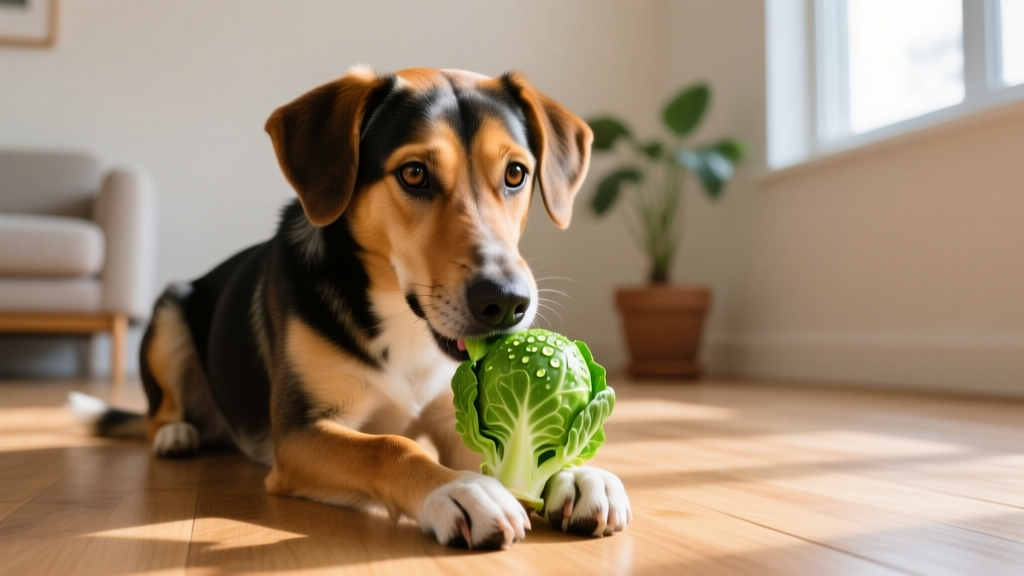
Can Dogs Eat Cooked Carrots? A Complete Safety and Serving Guide
Can dogs eat cooked carrots? Yes — learn safe serving sizes by weight, preparation tips, nutritional benefits, and when to avoid feeding carrots to your dog.

Cooked carrots are safe and nutritious for most dogs when prepared plain — no butter, oil, salt, or seasonings. Steaming or boiling softens the cell walls, making beta-carotene more bioavailable and reducing choking risk compared to raw carrots. Introduce gradually and follow weight-based portion guidelines below.
If you've ever wondered whether that leftover steamed carrot from your dinner plate is safe to share with your dog, the answer is a confident yes. Cooked carrots are one of the most veterinarian-recommended human foods for dogs, and for good reason: they're low in calories, high in fiber, and packed with beta-carotene. According to the American Kennel Club, carrots rank among the top safe vegetables for canine consumption.
But "safe" doesn't mean "unlimited." The way you prepare carrots, how much you serve, and your dog's individual health profile all matter. This guide breaks down everything you need to know — from exact serving sizes to the specific dogs who should skip carrots altogether.
How Much Cooked Carrot Can I Give My Dog?
Portion control is where most owners go wrong. Carrots contain natural sugars (roughly 4.7g per 100g according to USDA nutritional data), and overfeeding can lead to digestive upset or unwanted weight gain. The general veterinary guideline is that treats and supplemental foods — including vegetables — should make up no more than 10% of your dog's daily caloric intake.
Here are specific serving sizes based on your dog's weight class. These amounts assume cooked, plain carrots cut into appropriate pieces:
| Dog Weight | Daily Serving | Piece Size | Calories (approx.) |
|---|---|---|---|
| Under 10 lb (4.5 kg) | 1–2 tablespoons, mashed or finely diced | ¼-inch pieces | 5–10 kcal |
| 10–25 lb (4.5–11 kg) | 2–3 tablespoons, diced | ½-inch pieces | 10–15 kcal |
| 25–50 lb (11–23 kg) | 3–4 tablespoons or 2–3 baby-carrot-sized pieces | ½-inch rounds or strips | 15–20 kcal |
| 50–90 lb (23–41 kg) | ¼ cup diced or 4–5 baby-carrot-sized pieces | 1-inch pieces or strips | 20–30 kcal |
| Over 90 lb (41+ kg) | ⅓ cup diced or 5–6 baby-carrot-sized pieces | 1-inch pieces or whole baby carrots | 30–40 kcal |
Practical tip: One medium raw carrot (about 61g) yields roughly 25 calories when cooked. For a 30-lb dog on a 700-calorie daily diet, that single carrot represents about 3.5% of daily intake — well within the 10% treat threshold.
Is Cooked Carrot Good for Dogs Nutritionally?
Cooked carrots offer several measurable nutritional advantages, especially when compared to many commercial treats that load up on fillers and sodium. Cooking breaks down the tough cellulose walls in carrot cell structures, which actually increases your dog's ability to absorb certain nutrients — particularly beta-carotene.
| Nutrient | Per 100g Cooked Carrot | Benefit for Dogs |
|---|---|---|
| Beta-Carotene (Vitamin A precursor) | 8,285 µg | Supports vision, immune function, and skin/coat health |
| Dietary Fiber | 3.0 g | Promotes healthy digestion and stool firmness |
| Vitamin K1 | 13.2 µg | Essential for blood clotting and bone metabolism |
| Potassium | 235 mg | Supports nerve signaling and muscle contraction |
| Vitamin B6 | 0.15 mg | Aids in glucose regulation and amino acid metabolism |
| Calories | 35 kcal | Low-calorie treat alternative to biscuits or jerky |
Cooked vs. raw — which is better for dogs? Both are safe, but cooking gives a nutritional edge. A study published in the Journal of Agricultural and Food Chemistry found that boiling carrots increased their beta-carotene bioavailability by up to 28% compared to raw. For dogs with sensitive teeth or dental disease, the softer texture of cooked carrots also makes chewing easier and safer.
One important caveat: dogs convert beta-carotene to active vitamin A less efficiently than humans do. The Merck Veterinary Manual notes that dogs should primarily obtain vitamin A from their balanced commercial diet. Think of carrots as a supplemental boost, not a primary vitamin source.
How to Prepare Cooked Carrots for Your Dog
Preparation mistakes are where well-meaning owners accidentally introduce risk. Here's a step-by-step method that keeps carrots safe and palatable:
- Wash thoroughly. Rinse under cold running water to remove soil and any surface pesticide residue. Organic carrots reduce this concern but still need washing.
- Peel if desired. The skin is safe and contains concentrated nutrients, but peeling removes any lingering dirt or wax coatings. For non-organic carrots, peeling is recommended.
- Cut into appropriate sizes BEFORE cooking. Slice into rounds or strips sized for your dog's weight class (see table above). Pre-cutting ensures even cooking.
- Steam or boil plain. Steam for 8–10 minutes or boil for 10–12 minutes until fork-tender. Steaming retains slightly more water-soluble vitamins than boiling.
- Cool completely. Let carrots reach room temperature before serving. Hot carrots can burn your dog's mouth and esophagus.
- Serve plain — no additions. Zero butter, oil, salt, garlic, onion powder, honey, or glaze. Many seasonings safe for humans are toxic to dogs.
What about canned carrots? Most canned vegetables contain added sodium — sometimes 300–400mg per serving. Dogs don't need supplemental salt, and excess sodium strains the kidneys, especially in senior dogs or breeds prone to heart disease. If you must use canned, choose "no salt added" varieties and rinse thoroughly before serving.
Can you use carrot baby food? Plain, single-ingredient carrot baby food (check the label for only carrots and water) is safe in small amounts and can be useful for hiding medication or tempting a sick dog to eat. Avoid any baby food containing onion, garlic, or added sugars.
What Happens If My Dog Eats Too Much Cooked Carrot?
While carrots aren't toxic, overconsumption creates predictable problems. Here's what to watch for, organized by severity:
| Severity | Symptom | Why It Happens | Action |
|---|---|---|---|
| Mild | Loose stool or increased gas | Sudden fiber increase overwhelms gut bacteria | Reduce portion; symptoms resolve in 24–48h |
| Mild | Orange-tinted stool | Excess beta-carotene passing through digestive tract | Harmless; reduce serving size |
| Moderate | Vomiting undigested carrot pieces | Pieces too large or eaten too quickly | Cut smaller next time; monitor for repeat episodes |
| Serious | Choking, gagging, or pawing at mouth | Carrot piece lodged in throat or esophagus | Emergency vet visit immediately |
| Serious | Lethargy, bloating, or no bowel movement for 48+h | Possible intestinal blockage from large pieces | Contact vet immediately — may require imaging |
Long-term overfeeding concern: Chronic excessive vitamin A intake (hypervitaminosis A) is theoretically possible if a dog eats very large quantities of carrots daily on top of a complete commercial diet already providing adequate vitamin A. In practice, this is rare because dogs inefficiently convert beta-carotene. Still, sticking to the serving guidelines above prevents any risk.
How to Introduce Cooked Carrots Safely
Any new food requires a gradual introduction period. Here's the protocol I recommend for dog owners:
- Day 1, Meal 1: Offer a single piece roughly the size of your pinky nail (about ½ teaspoon for small dogs, 1 teaspoon for large dogs). Mix it into their regular food.
- Day 1, Meal 2: If no vomiting, diarrhea, or itching occurred, offer the same amount again.
- Day 2: Increase to half the recommended serving size for your dog's weight class.
- Day 3 onward: If stool remains normal and your dog shows no adverse signs, you can offer the full recommended serving.
Watch for allergic reactions. True carrot allergy in dogs is uncommon but documented. Signs include hives, facial swelling, itchy paws, ear inflammation, or vomiting within 1–2 hours of eating. If you observe any of these, stop feeding carrots and note the reaction for your vet.
Which Dogs Should NOT Eat Cooked Carrots?
While most dogs handle carrots well, certain conditions warrant caution or avoidance:
- Diabetic dogs: Cooked carrots have a higher glycemic index than raw carrots because cooking breaks down complex carbohydrates into simpler sugars. If your dog has diabetes mellitus, consult your veterinarian before adding carrots — the sugar content, while modest, can affect insulin management.
- Dogs with kidney disease: Carrots contain moderate potassium (235mg per 100g). Dogs in late-stage chronic kidney disease (CKD) often need potassium-restricted diets. Your vet will advise whether carrots fit within your dog's renal diet plan.
- Very young puppies (under 12 weeks): Puppies this young have immature digestive systems and should be eating only a complete, balanced puppy food. Introduce supplemental vegetables only after weaning is fully established and your puppy is eating solid kibble or canned food reliably.
- Dogs with a history of intestinal blockage: If your dog has previously required surgery or treatment for a GI obstruction, the fiber content and piece size of carrots could pose a recurrence risk. Discuss with your vet first.
- Obese dogs on strict weight-loss plans: While carrots are low-calorie, any supplemental food adds calories. If your dog is on a prescribed weight-loss protocol, account for carrot calories within the daily allotment rather than adding them on top.
Related Foods: What to Avoid and What's Safe
Carrots belong to the Apiaceae (umbellifer) family, which includes several vegetables commonly found in kitchens. Here's how related foods stack up for dog safety:
| Food | Safe for Dogs? | Notes |
|---|---|---|
| Raw carrots | ✔ Yes | Higher choking risk — always cut into appropriate sizes. Good for dental scraping in large dogs. |
| Celery | ✔ Yes | Stringy fibers can be a choking hazard for small dogs. Cut into small pieces. |
| Parsnips | ✔ Yes | Similar nutritional profile to carrots. Cook and serve plain. |
| Fennel | ✔ Yes | Safe in small amounts; may help with gas. Strong flavor — most dogs aren't fans. |
| Onions / Garlic / Chives | ✘ TOXIC | Allium family — causes hemolytic anemia in dogs. Never feed in any form. |
| Carrot cake / carrot muffins | ✘ No | Contains sugar, flour, fat, and potentially raisins or xylitol — all harmful to dogs. |
| Pickled carrots | ✘ No | Excessive sodium and vinegar. Often contain garlic, dill seed, or spicy peppers. |
If your dog eats cooked carrots seasoned with garlic, onion powder, or chives, contact the ASPCA Animal Poison Control Center at (888) 426-4435 (24/7, consultation fee applies) or the Pet Poison Helpline at (855) 764-7661. Allium toxicity can cause delayed-onset hemolytic anemia — symptoms may not appear for 1–5 days after ingestion.
When to Call the Vet
- Choking, persistent coughing, or difficulty swallowing
- Vomiting that continues beyond 2 episodes or lasts more than 12 hours
- Bloody diarrhea or black, tarry stools
- Abdominal bloating, pain, or a hunched posture
- No bowel movement for 48+ hours after eating a large quantity
- Signs of allergic reaction: facial swelling, hives, difficulty breathing
- Lethargy or refusal to eat their regular meals for more than 24 hours
When in doubt, always call your vet. A 5-minute phone consultation can prevent a costly emergency visit later.
Frequently Asked Questions
Can dogs eat cooked carrots every day?
Yes, most dogs can have a weight-appropriate serving of cooked carrots daily as part of their treat allowance. Just ensure the carrots don't exceed 10% of total daily calories and that your dog's primary nutrition comes from a complete, AAFCO-certified diet.
Do cooked carrots help with dog diarrhea?
The soluble fiber in cooked carrots can help firm up mildly loose stools by absorbing excess water in the digestive tract. However, if diarrhea persists beyond 24–48 hours, contains blood, or is accompanied by vomiting or lethargy, skip the home remedies and consult your veterinarian. Diarrhea can signal infections, parasites, or more serious conditions that carrots won't address.
Are carrot greens (tops) safe for dogs?
Carrot tops are not toxic to dogs, but they have a bitter taste and tough, fibrous texture that most dogs find unpalatable. They can also be difficult to digest. It's best to remove and discard the greens before preparing carrots for your dog.
Can I freeze cooked carrots as a treat?
Yes. Frozen cooked carrot pieces make excellent low-calorie summer treats, especially for teething puppies (over 12 weeks) or dogs who enjoy cold enrichment foods. Freeze individual pieces on a parchment-lined baking sheet, then transfer to a sealed container. They keep for up to 3 months.
Will cooked carrots make my dog's poop orange?
Yes, this is normal and harmless. The beta-carotene pigment can pass through the digestive tract and tint stool orange, especially if your dog eats a larger serving. If the orange color persists for more than 2–3 days after stopping carrots, or if it's accompanied by other symptoms like straining or mucus, consult your vet to rule out bile or liver-related issues.
Can dogs with pancreatitis eat cooked carrots?
Plain cooked carrots are very low in fat (less than 0.2g per 100g), which makes them generally safe for dogs with pancreatitis — a condition requiring strict low-fat diets. However, always confirm with your veterinarian, as individual dogs with pancreatitis may have specific dietary restrictions beyond fat content alone.
This article provides general nutritional guidance and is not a substitute for professional veterinary advice. Always consult your veterinarian before making significant changes to your dog's diet, especially if your dog has existing health conditions or is on prescription medication.
Dr. Hannah Wickes
All our authors care for dogs every day — read more of their work on the authors page.