Can Dogs Eat Brussels Sprouts? A Complete Safety & Feeding Guide
Can dogs eat brussels sprouts safely? Learn portion sizes by weight, preparation tips, nutritional benefits, and when to avoid this cruciferous veggie.
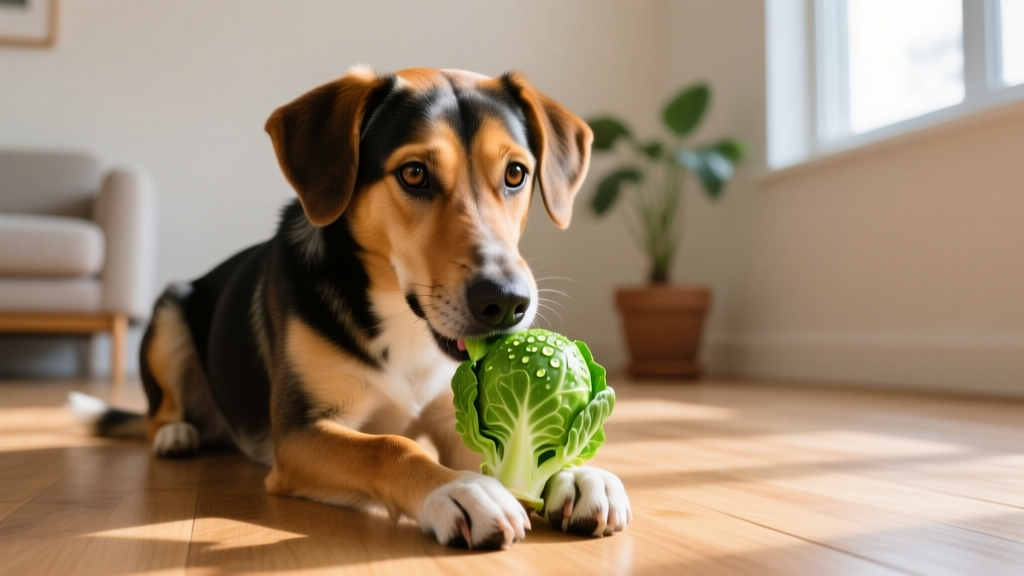
Can Dogs Eat Brussels Sprouts? The Quick Verdict
Brussels sprouts are safe for most dogs when cooked and served plain in appropriate portions. They offer meaningful nutritional benefits including vitamin K, vitamin C, fiber, and antioxidants. However, their high fiber and isothiocyanate content means overfeeding can cause significant gas, bloating, and gastrointestinal upset. Always start with a small amount and monitor your dog for 24–48 hours.
If you've ever watched your dog eye your roasted brussels sprouts with suspicious interest, you're not alone. These miniature cabbage-like vegetables are a staple on dinner tables, and the good news is they're not toxic to dogs. According to the American Kennel Club, brussels sprouts fall firmly in the "safe" category — but that doesn't mean you should toss your dog a whole bowl.
As a cruciferous vegetable in the Brassica oleracea family (alongside broccoli, cabbage, and kale), brussels sprouts contain compounds that deserve a closer look before they land in your dog's dish. Here's everything you need to know to feed them safely.
Nutritional Benefits: What Brussels Sprouts Offer Your Dog
Brussels sprouts punch well above their weight nutritionally. A half-cup (78g) serving of cooked brussels sprouts contains a concentrated profile of vitamins and minerals that can complement a dog's balanced diet. Here's what matters from a canine nutrition standpoint:
| Nutrient | Amount | Canine Benefit |
|---|---|---|
| Vitamin K | 109 mcg (137% DV) | Supports blood clotting and bone metabolism |
| Vitamin C | 48 mg (53% DV) | Antioxidant; immune support (dogs synthesize their own, so supplemental C is less critical than in humans) |
| Fiber | 2.0 g | Promotes healthy digestion and regularity in appropriate amounts |
| Folate (B9) | 47 mcg (12% DV) | Supports cell division and red blood cell production |
| Potassium | 247 mg (5% DV) | Electrolyte balance, nerve and muscle function |
| Manganese | 0.17 mg (7% DV) | Enzyme function, bone development, antioxidant defense |
| Kaempferol (antioxidant) | Present | Anti-inflammatory; may reduce oxidative stress |
Source: USDA FoodData Central, cooked brussels sprouts without salt.
The standout here is vitamin K. While dogs don't typically develop vitamin K deficiency on a complete commercial diet, the additional antioxidant support from kaempferol and the modest fiber boost can benefit dogs who need gentle digestive support or are managing low-grade inflammation.
One important caveat: dogs synthesize their own vitamin C in the liver, so the high vitamin C content — while not harmful — isn't as nutritionally significant for them as it is for humans. The real value lies in the fiber, vitamin K, folate, and antioxidant compounds.
Safe Serving Sizes by Dog Weight
This is where most owners go wrong. Brussels sprouts are dense, fibrous, and gas-producing — portion control is non-negotiable. Treats and supplemental foods (including vegetables) should make up no more than 10% of your dog's daily caloric intake, per ASPCA guidelines. For brussels sprouts specifically, here's what safe portions look like:
| Dog Size | Weight Range | First-Time Serving | Maximum Regular Serving | Frequency |
|---|---|---|---|---|
| Small breeds | 5–20 lb (2–9 kg) | ¼ of one sprout (about ½ teaspoon, finely chopped) | ½ to 1 small sprout (roughly 1 tablespoon chopped) | 2–3 times per week |
| Medium breeds | 21–50 lb (10–23 kg) | ½ of one sprout (about 1 teaspoon chopped) | 1 to 2 small sprouts (roughly 2 tablespoons chopped) | 2–3 times per week |
| Large breeds | 51–90 lb (23–41 kg) | 1 small sprout (about 1 tablespoon chopped) | 2 to 3 small sprouts (roughly 3–4 tablespoons chopped) | 2–3 times per week |
| Giant breeds | 91+ lb (41+ kg) | 1 small sprout (about 1 tablespoon chopped) | 3 to 4 small sprouts (roughly ¼ cup chopped) | 2–3 times per week |
Always start with the "First-Time Serving" amount and wait 24–48 hours before offering more. Watch for gas, loose stools, vomiting, or signs of abdominal discomfort (hunched posture, restlessness, whining). If your dog tolerates the initial serving well, you can gradually increase to the maximum regular serving over the course of a week.
How to Prepare Brussels Sprouts for Your Dog
Preparation matters enormously with brussels sprouts. Raw sprouts are difficult for dogs to digest and carry a higher risk of causing gas and intestinal blockage, especially in small breeds. Here's the step-by-step method I recommend:
Preparation Steps
- Wash thoroughly. Rinse under cold water to remove dirt, pesticide residue, and any small insects trapped between leaves.
- Remove the tough outer leaves and stem end. The outermost leaves tend to be fibrous and bitter. Trim the hard stem base with a knife.
- Cook plain — steam or boil. Steaming for 6–8 minutes preserves the most nutrients while softening the cell walls for easier digestion. Boiling works too (8–10 minutes), but leaches more water-soluble vitamins. Do not roast with oil, butter, garlic, or onion.
- Cool completely. Let the sprouts reach room temperature before serving. Hot food can burn your dog's mouth and esophagus.
- Chop or mash. For small and medium dogs, chop into pea-sized pieces to eliminate choking risk. For large dogs, halving or quartering is usually sufficient. Mashing with a fork works well for mixing into regular food.
- Serve plain. No salt, pepper, butter, olive oil, garlic, onion, balsamic glaze, bacon bits, or any seasoning. Human preparations of brussels sprouts almost always include ingredients that are toxic or unhealthy for dogs.
Raw vs. cooked — the bottom line: While a tiny amount of raw brussels sprout won't poison your dog, the tough cellulose structure is much harder on a dog's digestive tract than a human's. Cooking breaks down this fiber matrix, making nutrients more bioavailable and dramatically reducing gas production. I always recommend cooked over raw for canine feeding.
Risks, Side Effects, and What Happens If Your Dog Eats Too Much
Brussels sprouts are safe, but they are not without risks. Understanding the potential side effects helps you respond quickly if something goes wrong.
The Gas Factor: Isothiocyanates Explained
Brussels sprouts contain isothiocyanates, sulfur-containing compounds that give cruciferous vegetables their characteristic bite. In dogs, isothiocyanates irritate the stomach lining and accelerate intestinal motility, leading to:
- Excessive flatulence (the most common complaint by far)
- Abdominal cramping and bloating
- Loose stools or diarrhea
- Mild nausea or vomiting in sensitive dogs
These effects are dose-dependent. A Great Dane eating three sprouts will likely be fine; a Chihuahua eating the same amount will almost certainly have an unpleasant evening. This is why the weight-based serving table above is so important.
Choking and Intestinal Blockage
Whole or large pieces of brussels sprout — especially raw — pose a genuine choking hazard for small-breed dogs and a potential intestinal obstruction risk for any dog that gulps food without chewing. Always chop to an appropriate size for your dog's breed.
Thyroid Considerations (Goitrogens)
Like all cruciferous vegetables, brussels sprouts contain goitrogens — compounds that can interfere with thyroid hormone production when consumed in large, sustained quantities. For the occasional serving sizes listed above, this is not a concern. However, if your dog has hypothyroidism (common in Golden Retrievers, Doberman Pinschers, and Cocker Spaniels), consult your veterinarian before adding brussels sprouts to their regular rotation. Cooking significantly reduces goitrogen levels, which is another reason to serve them cooked rather than raw.
Allergic Reactions
True food allergies to brussels sprouts are rare in dogs, but individual sensitivities exist. Signs of an allergic response include:
- Itching, hives, or facial swelling
- Vomiting or diarrhea within hours of ingestion
- Lethargy or unusual behavior
If you observe any of these symptoms, discontinue feeding and contact your vet.
Seek veterinary care if your dog exhibits any of the following after eating brussels sprouts:
- Persistent vomiting (more than 2 episodes in 12 hours)
- Severe or distended abdomen (potential bloat/GDV — this is an emergency)
- Bloody diarrhea
- Lethargy combined with refusal to eat or drink for more than 12 hours
- Signs of allergic reaction: facial swelling, difficulty breathing, collapse
For suspected poisoning or toxic ingestion (e.g., your dog ate brussels sprouts prepared with garlic or onion), contact ASPCA Animal Poison Control: (888) 426-4435 (24/7, consultation fee applies) or the Pet Poison Helpline: (855) 764-7661.
Dogs Who Should NOT Eat Brussels Sprouts
While most healthy adult dogs tolerate brussels sprouts well, some dogs should avoid them entirely or only eat them under veterinary guidance:
- Puppies under 6 months: Their digestive systems are still developing, and the fiber load can cause disproportionate upset. Stick to a complete puppy diet.
- Dogs with hypothyroidism: Goitrogenic compounds in cruciferous vegetables may interfere with thyroid medication efficacy. Discuss with your vet first.
- Dogs with a history of bloat (GDV): Gas-producing foods increase abdominal pressure and are risky for predisposed breeds (Great Danes, Standard Poodles, German Shepherds, Weimaraners).
- Dogs with inflammatory bowel disease (IBD) or sensitive stomachs: The fiber and isothiocyanate content can trigger flare-ups.
- Dogs with kidney disease: Brussels sprouts contain moderate potassium and oxalates. If your dog is on a renal diet, check with your vet before adding supplemental vegetables.
- Senior dogs with reduced digestive function: Older dogs may struggle to process the fiber load, leading to constipation or impaction.
Related Foods: Cruciferous Vegetables Compared
If your dog does well with brussels sprouts, you might wonder about other vegetables in the same family. Here's how they compare:
| Vegetable | Safe for Dogs? | Gas Risk | Key Notes |
|---|---|---|---|
| Brussels Sprouts | ✔ Yes (cooked) | Moderate–High | High in vitamin K and kaempferol; always cook and chop |
| Broccoli | ✔ Yes (cooked, small amounts) | Moderate | Florets contain higher isothiocyanate concentration than stalks; keep to <10% of daily intake |
| Cauliflower | ✔ Yes (cooked) | Moderate | Milder on digestion than broccoli; good alternative for sensitive dogs |
| Cabbage (green/red) | ✔ Yes (cooked) | Moderate | Cooking reduces goitrogens; red cabbage has more antioxidants |
| Kale | ⚠ Caution | Low–Moderate | Higher calcium oxalate content — avoid in dogs prone to kidney or bladder stones |
| Onion / Garlic / Leeks / Chives | ✘ NO — Toxic | N/A | Allium family — causes hemolytic anemia in dogs. Never feed, even in small amounts. |
A critical distinction: while brussels sprouts and broccoli belong to the Brassica genus and are safe, the Allium genus (onions, garlic, leeks, chives) is categorically toxic to dogs. Brussels sprouts are often prepared with garlic or onion in human recipes — always ensure your dog's portion is completely free of these ingredients. According to the Merck Veterinary Manual, allium toxicity can cause delayed hemolytic anemia, with symptoms appearing 1–5 days after ingestion.
How to Introduce Brussels Sprouts Safely: A 5-Day Protocol
If you've decided to add brussels sprouts to your dog's diet, here's the gradual introduction method I recommend based on years of helping owners navigate new food additions:
5-Day Introduction Schedule
Day 1: Offer the first-time serving size (see weight table above). Serve mixed into your dog's regular meal, not alone on an empty stomach.
Day 2: Observe. Do not feed more brussels sprouts. Monitor stool quality, gas levels, energy, and appetite. Normal behavior = proceed.
Day 3: If no adverse signs, offer the same first-time serving again.
Day 4: Observe again. Check for any delayed digestive response.
Day 5: If all clear, you can increase to 1.5x the first-time serving. Continue monitoring. If well tolerated, you can reach the maximum regular serving within 7–10 days of the first introduction.
This protocol takes patience, but it saves you from the all-too-common scenario of feeding a large portion on day one and spending the next 48 hours dealing with explosive diarrhea and a very uncomfortable dog.
Frequently Asked Questions
Can dogs eat raw brussels sprouts?
Technically yes — raw brussels sprouts are not toxic. However, they're significantly harder to digest, more likely to cause gas and bloating, and pose a higher choking risk due to their firm texture. Cooking (steaming or boiling) is strongly recommended for canine feeding. If your dog sneaks a raw sprout off the floor, don't panic — just monitor for digestive upset.
Can dogs eat brussels sprout leaves?
Yes, the loose leaves from the outer layers are safe when cooked. However, they tend to be tougher and more bitter than the inner sprout. Remove any wilted or discolored leaves and cook the remaining tender portions.
Can puppies eat brussels sprouts?
I don't recommend feeding brussels sprouts to puppies under 6 months old. Their digestive tracts are still maturing, and the fiber and isothiocyanate content can cause disproportionate upset. Focus on a nutritionally complete AAFCO-approved puppy diet during this critical growth period. After 6 months, you can introduce small amounts following the protocol above.
Are frozen brussels sprouts safe for dogs?
Yes, frozen brussels sprouts are safe and nutritionally comparable to fresh. Thaw and cook them before serving — do not feed frozen solid, as the hard texture is a choking and tooth-damage risk. Avoid frozen brussels sprouts that come pre-seasoned or in sauce blends.
My dog ate brussels sprouts cooked with garlic. What should I do?
Garlic is toxic to dogs and can cause hemolytic anemia. The toxic dose is approximately 15–30 grams of garlic per kilogram of body weight, but even smaller amounts warrant a call to your veterinarian or the ASPCA Animal Poison Control Center at (888) 426-4435. Symptoms may not appear for 1–5 days, so don't wait for visible signs before seeking guidance.
How often can I feed my dog brussels sprouts?
Limit servings to 2–3 times per week. Daily feeding of cruciferous vegetables increases the cumulative goitrogenic load and the likelihood of chronic digestive upset. Variety is better — rotate with other safe vegetables like green beans, carrots, or sweet potato.
Can brussels sprouts help with my dog's constipation?
The fiber content can promote bowel regularity in mild cases, but brussels sprouts are not a first-line treatment for constipation. If your dog is constipated, consult your veterinarian before attempting home remedies. Canned pumpkin (plain, not pie filling) is generally a safer and more predictable fiber supplement for this purpose.
Veterinary Disclaimer: This article is for informational purposes only and does not replace professional veterinary advice. Always consult your veterinarian before making significant changes to your dog's diet, especially if your dog has existing health conditions, is on medication, or is a puppy or senior. Your vet can provide personalized guidance based on your dog's specific nutritional needs, body condition score, and medical history.
Marcus Aldridge
All our authors care for dogs every day — read more of their work on the authors page.


