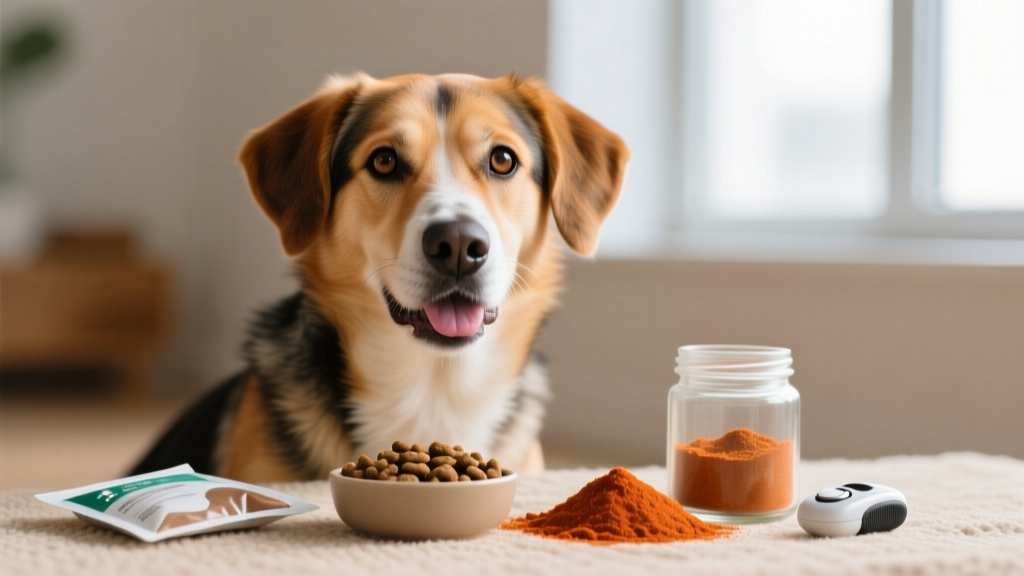
Can Dogs Eat Baked Potato Skins? Safety Guide for Dog Owners
Can dogs eat baked potato skins? Learn safe serving sizes, preparation tips, nutritional benefits, and when to avoid feeding potato skins to your dog.

Dogs can eat baked potato skins in small, controlled portions, provided they are plain, fully cooked, and free of all seasonings (no butter, salt, garlic, onion, or sour cream). Potato skins contain beneficial fiber, potassium, and vitamin C, but they also carry risks: the fibrous texture can cause digestive upset in sensitive dogs, and any green tinting indicates solanine — a naturally occurring toxin that is dangerous to dogs. Always introduce gradually and consult your veterinarian if your dog has a history of pancreatitis, obesity, or food sensitivities.
Are Baked Potato Skins Safe for Dogs?
Plain baked potato skins are not toxic to dogs when prepared correctly. The potato itself (Solanum tuberosum) is a staple carbohydrate source found in many commercial dog foods. According to the American Kennel Club, cooked potatoes are generally safe for dogs and provide digestible energy. However, the skin concentrates certain compounds that require attention.
The primary concern with potato skins is solanine, a glycoalkaloid toxin found in the nightshade family. Solanine concentrates in the skin and sprouts, especially when potatoes are exposed to light and develop a green tint. The Merck Veterinary Manual notes that solanine toxicity in dogs can cause gastrointestinal distress, lethargy, and neurological symptoms at sufficient doses. A fully ripe, properly stored potato with no green discoloration contains only trace solanine levels that are generally harmless in small portions.
Another consideration is the dense, fibrous texture of baked skins. Dogs that gulp food without chewing may struggle to break down the tough skin, leading to choking risk or intestinal irritation — particularly in small breeds under 20 lb (9 kg).
Nutritional Profile of Potato Skins for Dogs
Potato skins carry a meaningful nutrient load. Per the USDA National Nutrient Database, one medium baked potato skin (approximately 58 grams) contains:
| Nutrient | Amount per Medium Skin | Relevance to Dogs |
|---|---|---|
| Dietary Fiber | 4.6 g | Supports bowel regularity; excess causes gas |
| Potassium | 338 mg | Electrolyte balance, muscle function |
| Vitamin C | 13.3 mg | Antioxidant; dogs synthesize their own, so supplemental benefit is limited |
| Vitamin B6 | 0.25 mg | Supports amino acid metabolism and neurotransmitter synthesis |
| Iron | 1.3 mg | Oxygen transport in blood |
| Niacin (B3) | 1.5 mg | Skin health and energy metabolism |
| Calories | ~62 kcal | Significant for small dogs on restricted-calorie diets |
While these nutrients are beneficial, dogs on a complete and balanced commercial diet (look for the AAFCO statement on your dog food label) are likely already meeting these requirements. Potato skins should be viewed as an occasional treat, not a nutritional supplement.
How to Prepare Potato Skins Safely for Your Dog
Preparation is where most risks are either eliminated or introduced. Follow these steps exactly:
- Select properly stored potatoes: Choose firm potatoes with no green tint, sprouts, or soft spots. Green skin = solanine risk. Discard any potato showing greening.
- Wash thoroughly: Scrub the potato under running water with a vegetable brush to remove soil and residual pesticides. Organic potatoes reduce pesticide exposure but still require washing.
- Bake plain: Bake at 400°F (200°C) for 45-60 minutes until the skin is crisp and the interior is soft. Do NOT add oil, butter, salt, or any seasoning before or after baking.
- Cool completely: Let the potato cool to room temperature. Hot potato skins can burn your dog's mouth and esophagus.
- Remove the skin carefully: Peel or scoop the skin away from the flesh. Cut into small, bite-sized pieces — roughly 1-inch squares for large dogs and ½-inch pieces for small dogs.
- Serve immediately or refrigerate: Store unused portions in an airtight container in the refrigerator for up to 3 days. Discard if any off-odor develops.
Never feed raw potato skins. Raw potatoes contain higher solanine concentrations and are extremely difficult for dogs to digest. Raw potato starch is largely resistant starch that passes through the small intestine undigested, often causing significant gas and loose stools. Cooking breaks down resistant starch and reduces solanine levels by approximately 30-40%.
Safe Serving Sizes by Dog Weight
Potato skin treats should never exceed 10% of your dog's daily caloric intake. Here are specific portion guidelines based on weight class:
| Dog Weight | Safe Portion | Frequency | Calories (Approx.) |
|---|---|---|---|
| Toy/Small (5-15 lb / 2-7 kg) | 1-2 teaspoons of finely chopped skin | Once per week maximum | 5-10 kcal |
| Medium (16-40 lb / 7-18 kg) | 1 tablespoon of chopped skin | 1-2 times per week | 10-15 kcal |
| Large (41-70 lb / 19-32 kg) | 2-3 tablespoons of chopped skin | 1-2 times per week | 15-25 kcal |
| Giant (71+ lb / 32+ kg) | Up to ¼ of a medium potato skin | 1-2 times per week | 25-35 kcal |
These portions assume your dog is at a healthy body condition score (BCS 4-5 on a 9-point scale). If your dog is overweight or on a calorie-restricted diet, reduce portions by half or skip potato skins entirely in favor of lower-calorie treats like green beans or carrot sticks.
How to Introduce Potato Skins Safely
Any new food requires a gradual introduction to monitor for adverse reactions. Here is the protocol I recommend to dog owners:
Day 1: Offer a single small piece (about the size of your pinky nail). Watch for 24 hours. Monitor stool consistency, appetite, energy level, and any signs of vomiting or excessive gas.
Day 3: If no adverse reaction occurred, offer the full weight-appropriate portion from the table above. Continue monitoring for another 24-48 hours.
Day 5-7: If your dog tolerates the food well, you can incorporate it as an occasional treat at the recommended frequency. Do not increase beyond the stated serving sizes.
Signs of intolerance include loose stools, vomiting, excessive flatulence, loss of appetite, or lethargy. If any of these appear, discontinue feeding and consult your veterinarian.
Risks and When NOT to Feed Potato Skins
While baked potato skins are safe for most healthy adult dogs, certain dogs should avoid them entirely:
- Dogs with diabetes: Potatoes are high-glycemic carbohydrates that can spike blood glucose. Even the skin contains digestible starch that affects insulin response.
- Dogs with pancreatitis: While plain skins are low-fat, any new food can trigger a flare-up in dogs with a history of pancreatic inflammation.
- Obese dogs on weight management plans: The calorie density (approximately 1 kcal per gram of skin) makes potato skins a poor treat choice when every calorie counts.
- Puppies under 6 months: Immature digestive systems are more sensitive to new fiber sources. Stick to veterinarian-recommended puppy treats.
- Dogs with known food allergies or inflammatory bowel disease (IBD): Novel foods can trigger immune-mediated gut inflammation in predisposed dogs.
- Senior dogs with reduced kidney function: The potassium content (338 mg per medium skin) may be problematic for dogs with chronic kidney disease (CKD) who require potassium-restricted diets.
- Vomiting or diarrhea lasting more than 24 hours after eating potato skins
- Lethargy or unusual weakness
- Signs of abdominal pain (hunched posture, whining when touched around the belly, restlessness)
- Difficulty breathing or swallowing (possible choking on a large skin piece)
- Neurological signs such as tremors, disorientation, or dilated pupils (potential solanine toxicity from green skins)
If you suspect your dog ingested green potato skins or a large quantity, contact ASPCA Animal Poison Control at (888) 426-4435 (24/7, consultation fee applies) or your emergency veterinary clinic.
Related Foods to Avoid
Potato skins sit within a broader category of foods that require careful evaluation. Understanding the related risks helps you make safer choices:
| Food | Safe for Dogs? | Key Risk |
|---|---|---|
| Raw potato / raw potato skins | NO | High solanine; indigestible resistant starch causes severe GI upset |
| Green potato skins | NO | Elevated solanine — toxic at moderate doses |
| French fries | NO | Deep-fried in oil; excessive fat and salt; pancreatitis risk |
| Loaded potato skins (restaurant-style) | NO | Contains garlic, onion, bacon grease, cheese — multiple toxic/unsafe ingredients |
| Mashed potatoes (plain, no butter/milk) | Yes, with caution | High glycemic index; small portions only |
| Sweet potato (cooked, plain) | Yes | Generally safer and more nutritious; lower solanine risk; good fiber source |
| Potato chips | NO | Excessive salt, oil, and artificial flavorings |
Sweet potatoes are often a better alternative. They contain more beta-carotene, have lower glycoalkaloid levels, and their softer cooked texture is easier for dogs to digest. If you are looking for a potato-based treat, plain baked sweet potato (skin included, as sweet potato skins are thinner and less fibrous) is a nutritionally superior choice.
Frequently Asked Questions
Can dogs eat baked potato skins with butter or sour cream?
No. Butter and sour cream add unnecessary fat that can trigger pancreatitis in susceptible dogs. Many dogs are also lactose intolerant, and dairy toppings can cause diarrhea and gas. Always serve potato skins completely plain.
What happens if my dog eats too much potato skin?
Overconsumption typically causes gastrointestinal upset — vomiting, diarrhea, and gas — due to the high fiber content. In severe cases, large pieces of tough skin could cause an intestinal blockage, especially in small breeds. If your dog eats an entire potato skin or multiple skins, monitor closely for 24-48 hours and contact your veterinarian if symptoms develop or if your dog appears uncomfortable.
Is potato skin good for dogs nutritionally?
Potato skins offer modest nutritional value — fiber, potassium, vitamin B6, and iron — but these nutrients are readily available in a balanced commercial diet. They are not a necessary addition and should be treated as an occasional snack rather than a health supplement. The fiber content can support bowel regularity in small amounts but causes digestive upset in excess.
Can puppies eat baked potato skins?
It is not recommended. Puppies under 6 months have developing digestive systems that are sensitive to new fiber sources. Their nutritional needs are best met through a complete, AAFCO-approved puppy diet. Introduce novel treats only after your puppy has completed their initial vaccination series and your veterinarian gives the go-ahead, typically around 6 months of age.
Are sweet potato skins safer than regular potato skins?
Generally, yes. Sweet potatoes (Ipomoea batatas) are not nightshades and do not contain solanine. Their skins are thinner, softer when cooked, and pose less choking risk. They also provide more beta-carotene (a precursor to vitamin A). However, the same preparation rules apply: bake plain, serve in appropriate portions, and introduce gradually.
Can dogs with kidney disease eat potato skins?
Consult your veterinarian first. Potato skins are relatively high in potassium (338 mg per medium skin), and dogs with chronic kidney disease often require potassium-restricted diets. Your vet can advise whether this potassium load fits within your dog's individual dietary plan.
This article is for informational purposes only and does not replace professional veterinary advice. Always consult your veterinarian before introducing new foods to your dog's diet, especially if your dog has pre-existing health conditions or is on a prescription diet.
Anouk Beaumont
All our authors care for dogs every day — read more of their work on the authors page.