Can Dogs Have Paprika? Safety, Risks & Serving Guide for Dog Owners
Can dogs have paprika safely? Learn the vet-informed verdict, safe serving sizes by weight, preparation tips, risks, and when to call your veterinarian.
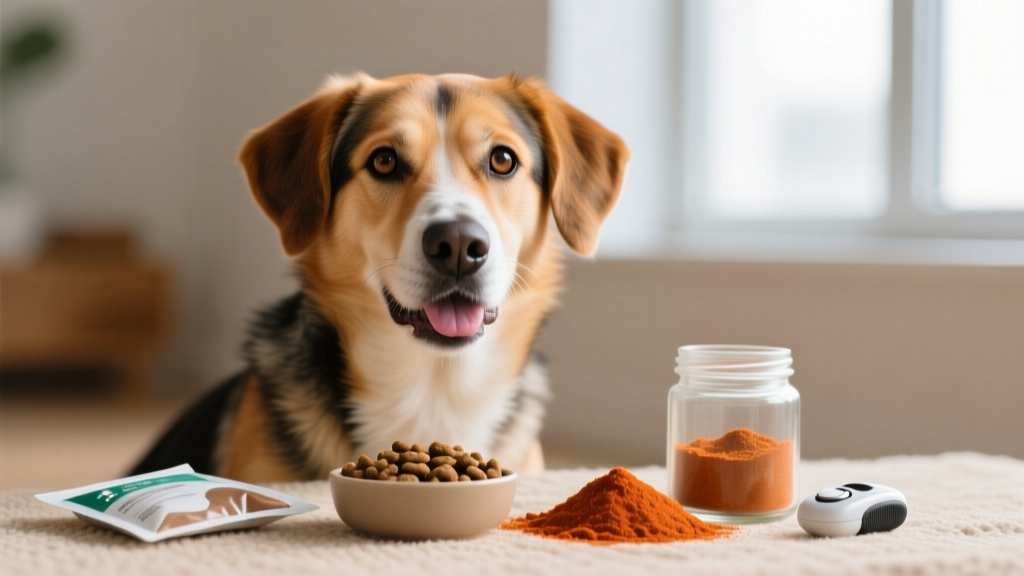
If you've ever caught your dog eyeing the spice rack while you cook, you might wonder: can dogs have paprika? It's a fair question. Paprika is one of the most common spices in American kitchens, showing up in everything from dry rubs to stews. But just because something is safe for us doesn't mean it belongs in your dog's bowl.
Dogs can have small amounts of plain, sweet (non-hot) paprika without serious harm. However, paprika offers minimal nutritional benefit to dogs, can irritate sensitive stomachs, and many commercial spice blends containing paprika include garlic powder or onion powder — both toxic to dogs. Stick to a tiny pinch of pure sweet paprika at most, and always check the ingredient label for hidden toxic additives.
Unlike fruits or vegetables that carry real nutritional payoff for dogs, paprika sits in a gray area. It won't poison your dog in small quantities the way xylitol or chocolate would, but it doesn't earn a spot as a recommended treat either. Here's what every dog owner needs to know before sharing anything paprika-seasoned with their pup.
What Exactly Is Paprika, and Why Does the Type Matter?
Paprika is a ground spice made from dried peppers in the Capsicum annuum family. The flavor and heat level vary dramatically depending on the variety:
- Sweet paprika — mild, slightly fruity, virtually no heat. Made from bell pepper-like cultivars.
- Smoked paprika (pimentón) — adds a smoky flavor. Heat ranges from sweet to hot.
- Hot paprika — contains capsaicin-rich pepper varieties. Noticeably spicy.
The distinction matters enormously for dogs. Capsaicin — the compound that makes peppers hot — is a gastrointestinal irritant for canines. Dogs lack the same taste receptor profile humans have, so they don't experience "spicy" the way we do, but their digestive tracts are still sensitive to capsaicin's inflammatory effects. Hot paprika is off-limits. Sweet paprika in tiny amounts is the only variant worth considering.
There's also a critical difference between pure single-ingredient paprika and paprika-containing spice blends. Many seasoning mixes labeled "BBQ rub," "taco seasoning," or "Hungarian paprika blend" include garlic powder, onion powder, salt, and sometimes artificial flavorings. Garlic and onion are well-documented causes of hemolytic anemia in dogs, damaging red blood cells even in relatively small doses. Always read the label before assuming a spice is safe.
Is Paprika Good for Dogs Nutritionally?
Paprika does contain trace nutrients that benefit human health, but the amounts your dog would consume in a safe serving are negligible. Here's what a full tablespoon (about 6.8 grams) of plain sweet paprika contains, according to USDA nutritional data:
| Nutrient | Per 1 Tbsp (6.8g) | Relevance to Dogs |
|---|---|---|
| Vitamin A | 3,560 IU | Beneficial, but dogs get adequate vitamin A from balanced commercial diets |
| Vitamin E | 2.0 mg | Minor antioxidant support |
| Iron | 1.4 mg | Trace amount; not a meaningful iron source |
| Capsaicin | Varies (0 in sweet) | GI irritant — zero benefit for dogs |
| Fiber | 2.4 g | Minimal at safe serving sizes |
At the safe serving size for dogs (a pinch to ⅛ teaspoon), your dog would receive less than 3% of the values above. For comparison, a single baby carrot provides more usable beta-carotene and fiber for your dog than a safe dose of paprika. If you're looking to add nutritional value to your dog's meals, there are far better options — plain pumpkin purée, blueberries, or steamed green beans, for example.
How Much Paprika Can I Safely Give My Dog?
If you choose to give your dog a taste of food seasoned with pure sweet paprika — perhaps a bite of plain cooked chicken that happened to have a light dusting — the following portion guidelines apply. These assume pure sweet paprika only, no blends:
| Dog Weight Class | Weight Range | Max Safe Serving | Frequency |
|---|---|---|---|
| Small dogs | Under 20 lb / 9 kg | 1 small pinch (≈ 1/16 tsp) | Occasional only (not daily) |
| Medium dogs | 20–50 lb / 9–23 kg | ⅛ teaspoon | Occasional only (not daily) |
| Large dogs | 50–90 lb / 23–41 kg | ¼ teaspoon | Occasional only (not daily) |
| Giant breeds | Over 90 lb / 41 kg | ¼ teaspoon | Occasional only (not daily) |
What "occasional" means: No more than once or twice per week, and never as a deliberate dietary supplement. Paprika should be an incidental exposure — your dog grabs a dropped piece of seasoned chicken — not a planned addition to their meals.
How Should I Prepare Paprika If I Want to Share It With My Dog?
If you're intentionally offering a tiny amount (perhaps to see if your dog enjoys the flavor), follow these preparation rules:
- Verify the ingredient list. The only ingredient should be "paprika" or "sweet paprika." If you see garlic, onion, salt, cayenne, or "natural flavors" listed, do not use it.
- Use sweet paprika only. Hot, smoked-hot, or any variety labeled "picante" should never be given to dogs due to capsaicin content.
- Sprinkle on cooked, plain protein. A light dusting on boiled chicken breast or plain scrambled egg is the safest delivery method. Never give raw paprika powder directly — the fine powder can cause coughing or inhalation irritation.
- Measure, don't eyeball. Use an actual measuring spoon. What looks like "a little" to us can be a heavy dose for a 15-pound dog.
- Mix thoroughly. Ensure the spice is evenly distributed so your dog doesn't get a concentrated mouthful of powder.
What about cooked dishes containing paprika? If you've made a stew, chili, or sauce that includes paprika alongside dog-safe ingredients, a small spoonful of the finished dish is generally fine for a large dog — provided the recipe contains no onions, garlic, grapes, raisins, xylitol, or excessive salt. Always review the full ingredient list before sharing table scraps.
What Happens If My Dog Eats Too Much Paprika?
The consequences depend on the type of paprika and the amount consumed relative to your dog's body weight.
Mild Overconsumption (2–3× the recommended serving of sweet paprika)
- Mild gastrointestinal upset — loose stool or slight vomiting within 4–12 hours
- Increased thirst due to mild irritation
- Temporary decrease in appetite
- These symptoms typically resolve within 24 hours with access to fresh water and a bland diet
Significant Overconsumption or Hot Paprika Ingestion
- Intense GI irritation — vomiting, diarrhea (possibly with mucus or blood)
- Abdominal pain — your dog may hunch, whine, or resist being picked up
- Oral irritation — pawing at the mouth, drooling, lip smacking
- Dehydration risk from prolonged vomiting/diarrhea
Spice Blend Ingestion (Paprika Mix with Garlic/Onion Powder)
This is the most dangerous scenario. If your dog consumed a seasoning blend containing garlic or onion powder, the risk isn't from paprika — it's from allium toxicity. Garlic is approximately five times more toxic than onion to dogs, and damage to red blood cells can occur at doses as low as 15–30 grams of garlic per kilogram of body weight. Symptoms of hemolytic anemia may not appear for 3–5 days after ingestion, making early veterinary evaluation critical.
- Your dog ingested a spice blend containing garlic or onion powder
- Vomiting or diarrhea persists beyond 24 hours
- Blood is visible in vomit or stool
- Your dog appears lethargic, weak, or has pale gums (signs of anemia)
- Your dog is a puppy under 6 months, a senior, or has pre-existing GI conditions
- Your dog shows signs of abdominal pain — hunched posture, whining, restlessness
ASPCA Animal Poison Control: (888) 426-4435 — available 24/7 (consultation fee applies). Pet Poison Helpline: (855) 764-7661.
Which Dogs Should Never Eat Paprika?
Even in the small "safe" amounts listed above, certain dogs should avoid paprika entirely:
- Puppies under 12 months: Their developing digestive systems are more sensitive to spice irritation. Stick to puppy-formulated foods and veterinarian-approved treats.
- Senior dogs (7+ years, breed-dependent): Older dogs often have decreased GI resilience and may have undiagnosed conditions like inflammatory bowel disease or kidney dysfunction that make any dietary deviation risky.
- Dogs with a history of pancreatitis: Any dietary disruption can trigger a flare-up. Pancreatitis management requires strict dietary consistency.
- Dogs with food allergies or sensitive stomachs: If your dog is on a limited-ingredient or hypoallergenic diet, introducing new spices undermines the elimination protocol.
- Dogs with inflammatory bowel disease (IBD): Even mild irritants can exacerbate chronic GI inflammation.
- Brachycephalic breeds prone to aspiration: Fine powder spices can be inhaled during eating, causing respiratory irritation — a particular concern for Bulldogs, Pugs, and Boston Terriers who already have compromised airways.
If your dog falls into any of these categories, consult your veterinarian before introducing any new human food, including seemingly harmless spices.
Similar Spices and Foods to Watch Out For
If you're evaluating your spice cabinet for dog safety, here's how paprika compares to other common seasonings:
| Spice / Seasoning | Safe for Dogs? | Notes |
|---|---|---|
| Sweet paprika (pure) | ⚠️ Caution | Tiny amounts only; no real benefit |
| Hot paprika / Cayenne | ❌ No | Capsaicin causes GI distress and oral irritation |
| Garlic powder | ❌ No — Toxic | Causes hemolytic anemia; never feed |
| Onion powder | ❌ No — Toxic | Allium toxicity; common in spice blends |
| Turmeric | ✅ Yes (small amounts) | Has anti-inflammatory properties; consult vet for dosing |
| Cinnamon | ✅ Yes (small amounts) | Ceylon cinnamon preferred over cassia; avoid essential oils |
| Nutmeg | ❌ No — Toxic | Contains myristicin; can cause seizures and CNS issues |
| Black pepper | ⚠️ Caution | Mild irritant; not toxic but offers no benefit |
| Cumin | ✅ Yes (small amounts) | Generally well-tolerated; no known toxicity |
The key takeaway: many spice blends that feature paprika as a primary ingredient also contain garlic and onion. Always check labels, and when in doubt, don't share.
How to Introduce Paprika Safely (If You Choose To)
If your dog has accidentally tasted paprika-seasoned food or you want to test whether they tolerate it, follow this protocol:
- Start with less than the recommended serving. For a medium dog, that means just a few grains of sweet paprika on a piece of plain chicken.
- Monitor for 24–48 hours. Watch for changes in stool consistency, vomiting, appetite, energy level, and any signs of oral discomfort (excessive lip licking, drooling, pawing at the mouth).
- If no adverse reaction occurs, you know your dog tolerates small amounts. This doesn't mean you should make it a habit — it simply means accidental exposure isn't cause for panic.
- If any GI symptoms appear, discontinue immediately and offer a bland diet (boiled white rice and plain chicken breast) for 24 hours. If symptoms persist beyond 48 hours, contact your veterinarian.
Frequently Asked Questions
Can dogs eat food seasoned with paprika?
A small bite of plain food lightly seasoned with pure sweet paprika is generally safe for healthy adult dogs. The key concerns are portion size (a pinch to ¼ teaspoon depending on weight), ensuring no toxic additives like garlic or onion powder are in the blend, and making sure the food itself is dog-safe. Heavily seasoned human food is typically too high in sodium and fat for dogs regardless of the spice used.
Is smoked paprika safe for dogs?
Smoked paprika (pimentón) comes in sweet, bittersweet, and hot varieties. Sweet smoked paprika in a tiny pinch carries the same low risk as regular sweet paprika. Hot smoked paprika should be avoided due to capsaicin content. The smoking process itself doesn't introduce toxins, but it doesn't add any benefit for dogs either.
My dog ate a chip dusted with paprika seasoning — should I worry?
A single seasoned chip is unlikely to cause serious harm to a medium or large dog, though the high salt and fat content of the chip itself isn't ideal. Check the seasoning ingredients: if garlic or onion powder is listed, monitor your dog closely for 3–5 days for signs of anemia (lethargy, pale gums, rapid breathing, dark-colored urine) and contact your veterinarian for guidance. For a small dog under 15 pounds, a call to the ASPCA Poison Control line at (888) 426-4435 is a reasonable precaution.
Can paprika help with fleas or worms in dogs?
No. There is no veterinary evidence supporting paprika as a treatment for parasites or external pests. Some internet sources suggest capsaicin-containing peppers can deter fleas, but applying any spice to your dog's skin or coat risks irritation and is not a substitute for FDA-approved flea and tick preventives. Consult your veterinarian for safe, effective parasite control.
What spices are actually beneficial for dogs?
Turmeric (in vet-recommended doses) has documented anti-inflammatory properties. Small amounts of fresh parsley or basil can add trace nutrients without risk. However, the foundation of your dog's nutrition should always be a complete-and-balanced diet meeting AAFCO standards. Spices should never replace veterinary-recommended supplements or medications.
Disclaimer: This article provides general educational information and does not replace professional veterinary advice. Always consult your veterinarian before introducing new foods to your dog's diet, especially if your dog has pre-existing health conditions, is on medication, or is a puppy or senior. Every dog is an individual, and what's tolerable for one may not be for another.
Beth Carrasco
All our authors care for dogs every day — read more of their work on the authors page.