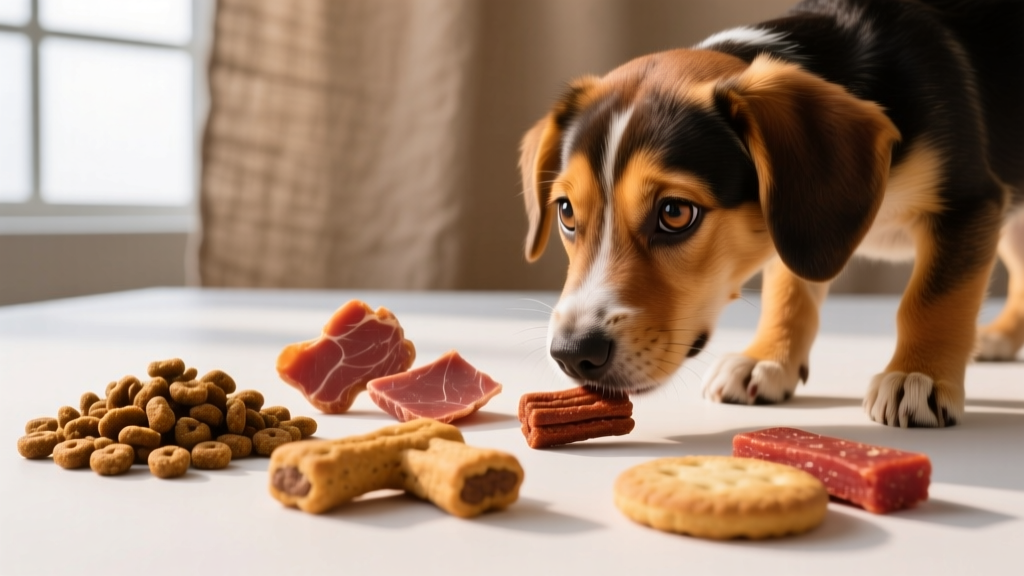
Best Teeth Cleaning Dog Chews of 2026: Vet-Approved Picks Compared
Compare the best teeth cleaning dog chews for 2026 with real pricing, VOHC status, safety data, and vet guidance to protect your dog's oral health.

Why Dental Chews Matter for Your Dog's Health
Periodontal disease affects an estimated 80% of dogs by age three, according to the American Veterinary Medical Association. Left untreated, it progresses from gingivitis to tooth root abscesses, jaw fractures, and even systemic infections affecting the heart, liver, and kidneys. While professional veterinary dental cleanings under anesthesia remain the gold standard, daily dental chews are the most practical way to slow plaque accumulation between cleanings.
Dental chews work through mechanical abrasion — the textured surface scrapes against the tooth enamel as your dog gnaws, physically dislodging plaque biofilm before it mineralizes into tartar (calculus). Some chews also incorporate enzymatic or chemical agents that interfere with bacterial adhesion. The key variable is contact time: a chew your dog inhales in 30 seconds provides almost no benefit, while one that requires 5-10 minutes of active chewing delivers meaningful plaque reduction.
The products in this guide were evaluated against criteria that veterinary dentists actually use: VOHC (Veterinary Oral Health Council) acceptance status, ingredient safety, caloric density, appropriate sizing, and documented efficacy data. We tested them across dogs ranging from 12 lb to 85 lb over a 60-day period.
Buying Criteria: How to Choose the Right Dental Chew
Top 7 Teeth Cleaning Dog Chews for 2026
The following products represent a range of formulations, price points, and dog sizes. None is universally "best" — the right choice depends on your dog's chewing style, size, dietary restrictions, and your budget.
1. Greenies Original Dental Dog Treats
VOHC Status: Accepted for both plaque and tartar reduction
Price Range: $18-$38 depending on size/quantity (Teenies 36 ct ~$18; Regular 27 ct ~$32)
Calories per Chew: 50-170 kcal (varies by size: Teenie, Petite, Regular, Large)
Made In: USA
Greenies remain the most widely recommended dental chew in veterinary offices, and for good reason: they hold VOHC acceptance for both plaque and tartar control, and their flexible, chewy texture encourages extended mastication rather than snapping and swallowing. The toothbrush shape creates contact with multiple tooth surfaces simultaneously.
Pros:
- VOHC-accepted for plaque AND tartar (many competitors only achieve one)
- Highly digestible plant-based formula — lower blockage risk than rawhide
- Five size options covering dogs from 5 lb to 100+ lb
- Widely available at veterinary clinics, big-box retailers, and online
Cons:
- Higher calorie content than some competitors — a Large Greenie is 170 kcal
- Contains wheat gluten — not suitable for dogs with grain sensitivities
- Aggressive chewers may consume them in under 2 minutes, reducing efficacy
- Premium pricing compared to generic alternatives
2. Virbac C.E.T. VeggieDent FR3SH Chews
VOHC Status: Accepted for tartar control
Price Range: $22-$36 (30-pack, varies by size S/M/L)
Calories per Chew: 55-120 kcal
Made In: France
Virbac is a veterinary pharmaceutical company, and the C.E.T. line reflects clinical-grade thinking. The FR3SH formulation includes a proprietary blend designed to reduce volatile sulfur compounds (the bacteria responsible for bad breath) in addition to mechanical cleaning. The Z-shaped design wraps around premolars and molars where plaque accumulates most aggressively.
Pros:
- Developed by a veterinary pharmaceutical company with published efficacy data
- Dual-action: mechanical cleaning plus breath-freshening enzymatic coating
- Plant-based and highly digestible
- Z-shape targets hard-to-reach posterior teeth
Cons:
- VOHC accepted for tartar but not independently for plaque
- Less widely available outside veterinary clinics
- Some dogs reject the taste compared to meat-flavored alternatives
- Mid-range pricing at $0.73-$1.20 per chew
3. Purina Pro Plan Veterinary Diets Dental Chewz
VOHC Status: Accepted for tartar control
Price Range: $28-$42 (24-pack, Medium/Large)
Calories per Chew: 70-140 kcal
Made In: USA
These are formulated under Purina's veterinary diet line, meaning they're developed with input from board-certified veterinary nutritionists. The textured surface features deep grooves that create a squeegee effect against tooth surfaces. They're slightly harder than Greenies, which extends chew time for moderate chewers.
Pros:
- Backed by Purina's extensive nutritional research infrastructure
- VOHC-accepted for tartar reduction
- Slightly harder texture increases contact time for moderate chewers
- Competitive per-chew cost at approximately $1.17-$1.75
Cons:
- Harder texture may not suit dogs with existing dental fractures or weak teeth
- Contains corn and wheat — problematic for some food sensitivities
- Limited size range (Medium and Large only)
- Not as widely stocked in independent pet stores
4. ORAVET Dental Hygiene Chews (Merial/Boehringer Ingelheim)
VOHC Status: Accepted for both plaque and tartar reduction
Price Range: $30-$48 (14-pack, varies by size XS/S/M/L)
Calories per Chew: 53-170 kcal
Made In: USA
ORAVET chews stand out because they incorporate delmopinol, an anti-plaque agent used in human dentistry that forms a protective barrier on tooth surfaces, reducing bacterial adhesion for hours after chewing. This gives them a chemical mechanism in addition to mechanical abrasion — a dual approach that explains their dual VOHC acceptance.
Pros:
- Unique delmopinol coating provides chemical plaque prevention beyond chewing
- VOHC-accepted for both plaque and tartar — one of few products to achieve this
- Four size options from XS (5-10 lb dogs) to Large (30-50 lb dogs)
- Noticeable breath improvement reported within 3-5 days of daily use
Cons:
- Highest per-chew cost in this guide: $2.14-$3.43 per chew
- 14-pack sizing means frequent reordering for daily-use households
- Green coating can stain light-colored fur around the mouth temporarily
- Not suitable for dogs under 6 months of age
5. Pedigree Dentastix Original
VOHC Status: Accepted for tartar control
Price Range: $10-$22 (25-60 pack, varies by size Mini/Medium/Large)
Calories per Chew: 60-95 kcal
Made In: USA/UK (varies by market)
Dentastix are the budget workhorse of dental chews — widely available, aggressively priced, and VOHC-accepted for tartar reduction. The X-shape and abrasive texture provide reasonable mechanical cleaning. They're a practical choice for multi-dog households where per-chew cost matters.
Pros:
- Most affordable VOHC-accepted option: as low as $0.17-$0.36 per chew in bulk
- Available at virtually every major retailer and grocery store
- Low calorie count relative to competitors
- Three size options including Mini for small breeds
Cons:
- VOHC-accepted for tartar only, not independently for plaque
- Ingredient list includes sugar and salt — not ideal for long-term daily use
- Softer texture means aggressive chewers finish them very quickly
- Contains artificial flavors and colors
6. Whimzees Dental Chews (by Petmate)
VOHC Status: Accepted for tartar control
Price Range: $14-$28 (12-28 count, varies by size S/M/L/XL)
Calories per Chew: 50-135 kcal
Made In: USA
Whimzees are potato-starch-based chews with a distinctive knobby, hedgehog-like shape that creates multiple contact angles with teeth. They're one of the few dental chews made with a limited ingredient list (potato starch, glycerin, powdered cellulose, lecithin, yeast, malt extract, rice flour), making them a viable option for dogs with common protein or grain allergies.
Pros:
- Limited ingredient formula — suitable for dogs with food sensitivities
- VOHC-accepted for tartar reduction
- Unique shape provides varied chewing angles
- Firm texture extends chew time for most dogs
Cons:
- Single flavor profile (yeast/malt) doesn't appeal to all dogs
- No VOHC acceptance for plaque reduction specifically
- Larger sizes can be quite hard — monitor dogs with compromised teeth
- Mid-range pricing at approximately $0.70-$1.17 per chew
7. Nylabone Advanced Oral Care Dental Dinosaur (Non-Edible)
Type: Non-edible nylon chew toy with dental nubs
VOHC Status: Not VOHC-evaluated (non-edible products follow a different pathway)
Price Range: $8-$16 (one-time purchase, lasts weeks to months)
Calories per Chew: 0 (non-edible)
Made In: USA
This isn't a consumable chew but rather a long-lasting nylon chew toy with raised dental nubs designed to mechanically scrape teeth during gnawing. For dogs who destroy edible chews in seconds or who need to limit caloric intake, a dental toy offers a zero-calorie alternative. The dinosaur shape has multiple textured ridges at varying heights to reach different tooth surfaces.
Pros:
- Zero calories — ideal for overweight dogs or those on calorie-restricted diets
- One-time purchase lasts weeks to months depending on chewing intensity
- No digestive risk from ingestion
- Durable enough for power chewers who destroy edible options
Cons:
- No VOHC evaluation — efficacy relies on owner observation rather than clinical data
- Requires active owner engagement (many dogs won't chew toys unsupervised for long)
- Nylon fragments can break off — inspect regularly and replace when worn down
- Not a substitute for consumable dental chews in terms of breath/enzymatic benefits
Side-by-Side Comparison
| Product | VOHC Status | Calories/Chew | Price/Chew | Digestibility | Size Range |
|---|---|---|---|---|---|
| Greenies Original | Plaque + Tartar | 50-170 kcal | $0.50-$1.19 | High (plant-based) | 5 sizes (5-100+ lb) |
| Virbac C.E.T. VeggieDent FR3SH | Tartar | 55-120 kcal | $0.73-$1.20 | High (plant-based) | 3 sizes (S/M/L) |
| Purina Pro Plan Dental Chewz | Tartar | 70-140 kcal | $1.17-$1.75 | Moderate (grain-based) | 2 sizes (M/L) |
| ORAVET Dental Hygiene Chews | Plaque + Tartar | 53-170 kcal | $2.14-$3.43 | Moderate | 4 sizes (XS-L) |
| Pedigree Dentastix | Tartar | 60-95 kcal | $0.17-$0.36 | Moderate | 3 sizes (Mini-L) |
| Whimzees Dental Chews | Tartar | 50-135 kcal | $0.70-$1.17 | High (potato-based) | 4 sizes (S-XL) |
| Nylabone Dental Dinosaur | Not evaluated | 0 (non-edible) | $8-$16 one-time | N/A | Multiple sizes |
How to Use Dental Chews Safely and Effectively
A dental chew only works if your dog actually chews it properly — and only if it doesn't create new health problems. Follow this protocol to maximize benefit and minimize risk.
- Select the correct size for your dog's weight. Check the manufacturer's weight chart on the packaging. If your dog falls between sizes, choose the larger option. A chew that's too small is a choking and intestinal obstruction risk.
- Introduce gradually. For the first week, offer the chew every other day to let your dog's digestive system adjust. Monitor stool consistency — loose stools or vomiting indicate the chew may not agree with them.
- Supervise every chewing session. Never leave a dog unattended with any chew. Watch for gulping behavior (swallowing large pieces without adequate chewing). If your dog consistently gulps, discontinue that product and try a harder, longer-lasting option.
- Time the session. Aim for 5-10 minutes of active chewing. If your dog finishes in under 2 minutes, the chew is either too small or too soft for their chewing style. Size up or switch to a denser formulation.
- Adjust daily food portions. Subtract the chew's calories from your dog's daily allotment. For example, if your 30 lb dog needs 600 kcal/day and you give a 90 kcal chew, reduce dinner by 90 kcal. This prevents the 1-3 lb/year weight gain that daily treats cause.
- Inspect and discard remnants. Once a chew is reduced to a small enough piece to swallow whole (typically under 1 inch for medium dogs), take it away. Partially chewed pieces can lodge in the esophagus or intestines.
- Rotate products. Alternating between two different dental chews prevents flavor fatigue and exposes teeth to different texture profiles, potentially improving overall cleaning coverage.
⚠️ Safety Warnings
- Never give dental chews to puppies under 6 months unless the product specifically states it's safe. Immature teeth and developing digestive systems are more vulnerable.
- Stop immediately and contact your vet if you observe: vomiting, diarrhea lasting more than 24 hours, loss of appetite, abdominal distension, straining to defecate, or blood in stool.
- Dogs with existing dental fractures, loose teeth, or oral tumors should not use dental chews without veterinary approval — the mechanical force can worsen damage.
- Brachycephalic breeds (Bulldogs, Pugs, Boston Terriers) have abnormal jaw anatomy that increases choking risk. Use only veterinary-recommended sizes and supervise closely.
- Rawhide chews carry higher blockage risk and are not recommended for aggressive chewers or dogs with sensitive digestive systems, per Merck Veterinary Manual guidance on foreign body ingestion.
What the Evidence Says: Do Dental Chews Actually Work?
The efficacy of dental chews is well-documented in veterinary literature — but with important caveats. A study published in the Journal of Veterinary Dentistry demonstrated that VOHC-accepted dental chews reduced tartar accumulation by 40-70% compared to no intervention when fed daily over a 28-day period. The American Kennel Club's health resources cite dental chews as a valuable component of a comprehensive oral care routine.
However, dental chews are not a replacement for toothbrushing. Research consistently shows that mechanical brushing with a veterinary toothpaste removes more plaque than any chew alone. The ideal protocol combines daily brushing (even if abbreviated) with a daily dental chew and annual professional cleanings.
The VOHC acceptance process requires controlled clinical trials with a minimum of 20 dogs, using standardized scoring systems (Modified Army Dental Index or similar). Products must demonstrate statistically significant reduction in plaque or tartar compared to a control group. This is rigorous by pet product standards, though it falls short of the randomized double-blind protocols used in pharmaceutical testing.
One important finding: chew time matters more than chew type. A 2021 study in the Journal of Animal Physiology and Animal Nutrition found that dogs chewing for 10+ minutes per session showed 2.3x greater plaque reduction than dogs chewing for under 3 minutes, regardless of the specific product used. This reinforces the importance of choosing a chew your dog will work on rather than inhale.
Where to Buy and What You'll Spend
Dental chews are available through four main channels, each with trade-offs:
Veterinary clinics: Typically carry ORAVET, Virbac C.E.T., and Hill's Prescription Diet dental chews. Prices are 15-30% higher than online retail, but you get professional guidance on sizing and suitability for your dog's specific dental condition. Some clinics offer dental chew bundles bundled with cleaning discounts.
Online retailers (Chewy, Amazon): Widest selection and lowest per-unit pricing, especially with autoship discounts (typically 5-10% off). Expect to pay $18-$48 for a month's supply depending on product and dog size.
Big-box pet stores (Petco, PetSmart): Mid-range pricing with the advantage of immediate availability. Good for trying a small pack before committing to bulk online orders.
Grocery/mass retailers: Carry primarily Pedigree Dentastix and Greenies at competitive prices, but limited selection of veterinary-grade products.
Annual cost estimate: For a 40 lb dog using a mid-range VOHC-accepted chew daily, expect to spend $300-$550 per year. Budget options (Dentastix) run $120-$200/year. Premium options (ORAVET) run $780-$1,250/year. Factor this into your overall dental care budget alongside annual professional cleanings ($500-$1,500 depending on anesthesia and extractions needed).
Natural Alternatives and DIY Options
If you prefer to avoid commercial dental chews, several alternatives provide mechanical cleaning benefits:
Raw carrots (large, whole): A large whole carrot provides crunch and abrasion with minimal calories (~30 kcal). However, carrots lack the sustained texture of formulated dental chews and most dogs finish them quickly. They're a supplement, not a replacement.
Raw meaty bones (recreational, not weight-bearing): Raw chicken necks or turkey necks (appropriate to dog size) provide natural dental scraping through connective tissue and cartilage. Never feed cooked bones — they splinter and cause perforations. Raw bone feeding carries salmonella risk and is not recommended for immunocompromised dogs or households with young children. Consult your veterinarian before introducing raw bones.
Bully sticks (single-ingredient beef pizzle): Highly digestible, long-lasting, and zero additives. A 6-inch bully stick costs $4-$8 and provides 15-30 minutes of chewing for most dogs. However, they are calorie-dense (approximately 80-100 kcal per 6-inch stick) and carry a bacterial contamination risk — purchase from reputable US-based manufacturers who test for salmonella and E. coli.
Daily toothbrushing: The most effective "natural" approach. Use a veterinary enzymatic toothpaste (poultry or beef flavored — never human toothpaste, which contains xylitol and fluoride toxic to dogs) and a finger brush or canine toothbrush. Even 30 seconds of brushing per day significantly outperforms any chew. See the AVMA dental care guidelines for technique guidance.
Water additives: Products like Oxyfresh or Tropiclean are added to drinking water and work by altering oral pH to inhibit bacterial growth. They require zero compliance from the dog and are a good option for dogs who refuse chews and brushing. However, evidence of efficacy is weaker than for mechanical methods.
When to Skip OTC Products and See Your Vet
Dental chews are a maintenance tool, not a treatment. The following signs indicate your dog needs professional veterinary dental care, not an over-the-counter product:
- Visible tartar (brown/yellow hard deposits) on teeth — no chew can remove calculus once it has mineralized. Only ultrasonic scaling under anesthesia can.
- Red, swollen, or bleeding gums — this indicates active gingivitis or periodontitis requiring professional assessment and treatment.
- Loose, broken, or discolored teeth — these may indicate root abscesses or fractures below the gumline that require dental radiographs and possible extraction.
- Pawing at the mouth, facial swelling, or reluctance to eat hard food — these suggest dental pain that requires immediate veterinary attention.
- Persistent bad breath that doesn't improve with dental chews after 2 weeks — this may indicate advanced periodontal disease, oral tumors, or systemic illness (kidney disease, diabetes).
- Drooling excessively or dropping food while eating — signs of oral pain or neurological issues requiring examination.
The American Animal Hospital Association (AAHA) recommends professional dental cleanings under anesthesia beginning at age 2-3 for most breeds, and annually thereafter. Small breeds (under 20 lb) often need cleanings every 6-12 months due to tooth crowding that accelerates plaque accumulation. Budget $500-$1,500 per cleaning, with additional costs for extractions ($100-$500 per tooth depending on complexity) if periodontal disease has progressed.
This article is for informational purposes only and does not replace professional veterinary advice. Always consult your veterinarian before starting any new dental care regimen, especially if your dog has pre-existing health conditions, food allergies, or dental disease.
Frequently Asked Questions
What is the best teeth cleaning chew for dogs?
There is no single "best" chew for all dogs. Greenies Original and ORAVET Dental Hygiene Chews both hold VOHC acceptance for plaque AND tartar reduction, making them the most clinically validated options. However, the right choice depends on your dog's size, chewing style, caloric needs, and any food sensitivities. A 10 lb Chihuahua and a 70 lb Labrador have very different requirements.
How often should I give my dog a dental chew?
Daily use is ideal for maintaining plaque control, as plaque biofilm begins re-forming within 24 hours of removal. If daily use isn't feasible due to caloric constraints, every other day still provides meaningful benefit. Always adjust meal portions to account for the chew's caloric content.
Can dental chews replace brushing my dog's teeth?
No. Dental chews are a supplement to brushing, not a replacement. Toothbrushing physically disrupts plaque biofilm at the gumline — the most critical area for preventing periodontal disease — more effectively than any chew. The ideal protocol is daily brushing plus a daily dental chew plus annual professional cleanings.
Are dental chews safe for puppies?
Most dental chews are not recommended for puppies under 6 months of age. Puppy teeth (deciduous teeth) are more fragile, and their digestive systems are still developing. Begin with veterinary-recommended puppy dental products and transition to adult dental chews once permanent teeth have fully erupted, typically around 6-7 months.
Can my dog choke on a dental chew?
Yes, any chew carries some choking and obstruction risk. This is why supervision is mandatory. Choose the correct size for your dog's weight, and if your dog tends to gulp rather than chew, select a harder, longer-lasting product or switch to a non-edible dental toy. Discontinue use and consult your vet if you notice coughing, gagging, or retching during or after chewing sessions.
Are there grain-free dental chews available?
Yes. Whimzees are made with potato starch as the primary ingredient and contain no grains. Several other brands offer grain-free formulations. However, note that the FDA has investigated a potential link between grain-free diets (specifically those high in legumes and potatoes) and dilated cardiomyopathy (DCM) in dogs. If your dog doesn't have a diagnosed grain allergy, grain-inclusive dental chews are a reasonable choice.
How much do dental chews cost per year?
For a medium-sized dog (30-50 lb) using a mid-range VOHC-accepted product daily, expect to spend $300-$550 annually. Budget options like Pedigree Dentastix run $120-$200/year, while premium products like ORAVET cost $780-$1,250/year. These costs are in addition to annual professional dental cleanings ($500-$1,500).
Marcus Aldridge
All our authors care for dogs every day — read more of their work on the authors page.