High Value Treats for Puppy Training: The Complete Nutrition Guide
Discover the best high value treats for puppy training with expert guidance on nutrition, safe ingredients, feeding amounts, and top product picks for 2026.
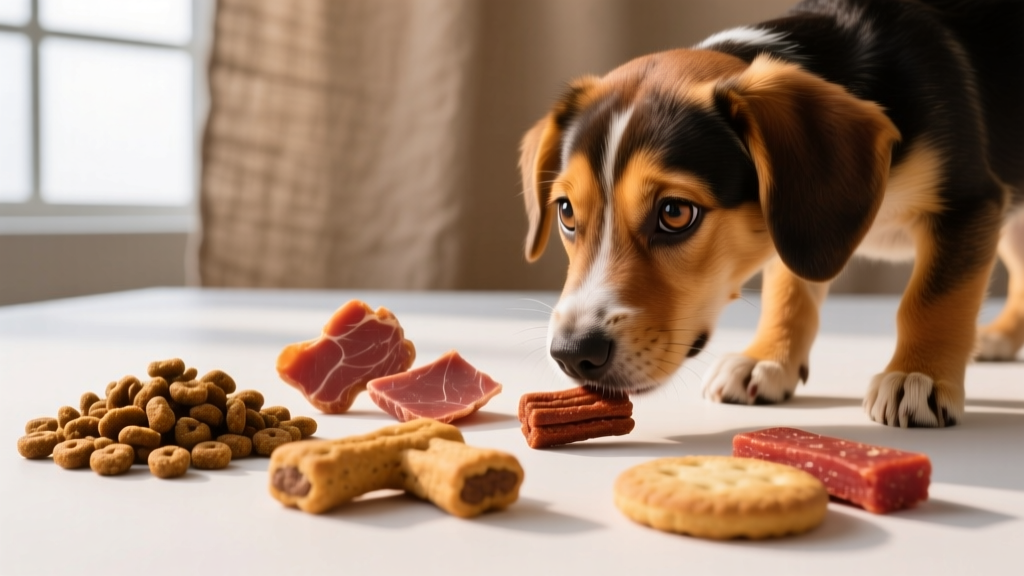
When you're teaching a 12-week-old Labrador to sit for the first time, a dry biscuit rarely cuts it. Puppies need motivation that overrides the distractions of a new environment, and that's where high value treats for puppy training come in. But with hundreds of options on the market — and a growing trend toward homemade and raw alternatives — choosing the right training treat involves more than picking the most expensive bag at the pet store.
This guide breaks down the nutritional science behind effective training treats, which commercial products deliver the best results per calorie, how to safely incorporate homemade options, and how to keep your puppy's overall diet balanced while you're rewarding behaviors dozens of times per session.
What Makes a Treat "High Value" for Puppy Training?
In positive reinforcement training, a high value treat is one your puppy will work hard to earn — even in distracting environments. From a nutritional standpoint, high value treats share specific characteristics:
- Strong aroma: Puppies rely heavily on scent. Treats with real meat, fish, or liver emit volatile compounds that trigger food-seeking behavior far more effectively than grain-based biscuits.
- Soft, chewable texture: Training sessions require rapid consumption. A treat your puppy has to crunch for 30 seconds breaks focus. Soft treats are eaten in 2-5 seconds, keeping the reward loop tight.
- Small size (pea-sized or smaller): The AKC recommends using tiny treats during training so your puppy doesn't fill up or lose motivation. Aim for pieces no larger than ½ inch.
- High protein, moderate fat: Protein-rich treats (minimum 20% crude protein) provide sustained energy and are more satiating at small quantities.
- Novel flavors: Puppies that encounter new proteins (duck, salmon, venison) often show heightened interest compared to everyday chicken or beef.
Nutritional Requirements for Puppy Training Treats
Treats should never exceed 10% of your puppy's total daily caloric intake, according to guidelines from the World Small Animal Veterinary Association. For training-heavy days where you're using 30-50 treats, this math matters enormously.
| Puppy Weight | Estimated Daily Calories | Max Treat Calories (10%) | Approx. # of 5-cal Treats |
|---|---|---|---|
| 5 lb (2.3 kg) | 250 kcal | 25 kcal | 5 treats |
| 10 lb (4.5 kg) | 400 kcal | 40 kcal | 8 treats |
| 20 lb (9 kg) | 650 kcal | 65 kcal | 13 treats |
| 30 lb (13.6 kg) | 850 kcal | 85 kcal | 17 treats |
| 50 lb (22.7 kg) | 1,200 kcal | 120 kcal | 24 treats |
For training sessions, you'll often need to reduce your puppy's regular meal portions by the caloric equivalent of treats used that day. A 10 lb puppy doing a 15-minute training session might consume 8-12 small treats, using up nearly their entire treat allowance.
- Crude Protein: minimum 20% (ideal: 25-35%)
- Crude Fat: 8-15% (higher fat increases palatability but adds calories fast)
- Moisture: 20-35% for soft treats (keeps them pliable and aromatic)
- Calories per treat: ideally 3-8 kcal each for rapid-fire training
- Crude Fiber: under 5% (too much fiber causes loose stools during sessions)
Top 7 High Value Treats for Puppy Training: Product Picks
These recommendations are based on ingredient quality, AAFCO compliance, calorie density per piece, and real-world performance in training environments. Prices reflect 2026 retail averages.
1. Zuke's Mini Naturals Training Treats
Price: $5.50-$7.00 per 6 oz bag
Calories: ~2 kcal per mini treat
Protein: 12% min | Fat: 4% min
Why it works: At just 2 calories per piece, you can deliver 20+ rewards in a session without blowing your puppy's treat budget. The soft texture breaks easily for even smaller pieces. Available in chicken, salmon, and peanut butter recipes. AAFCO-formulated as a supplemental treat.
2. Stewart Pro-Treat Freeze-Dried Liver
Price: $9.00-$12.00 per 3.2 oz tub
Calories: ~5 kcal per piece
Protein: 45% min | Fat: 12% min
Why it works: Single-ingredient beef or chicken liver, freeze-dried to preserve aroma. This is the gold standard for distraction-proof training — the smell carries across a room. Break each piece into 3-4 fragments for tiny rewards. Excellent for recall training outdoors.
3. Wellness Soft Puppy Bites
Price: $4.50-$6.00 per 6 oz bag
Calories: ~6 kcal per treat
Protein: 16% min | Fat: 6% min
Why it works: Specifically formulated for puppies with DHA from salmon oil for brain development. The lamb and salmon recipe is a good novel protein option for puppies showing sensitivity to chicken. Soft enough to eat in under 5 seconds.
4. Blue Buffalo Bits Training Treats
Price: $5.00-$6.50 per 4 oz bag
Calories: ~3.5 kcal per treat
Protein: 10% min | Fat: 7% min
Why it works: Real meat is the first ingredient, with no corn, wheat, or soy fillers. The small, uniform size eliminates the need to break treats mid-session. The turkey recipe is particularly popular for its strong scent profile.
5. Earthborn Holistic Meat Fusions
Price: $6.00-$8.00 per 6 oz bag
Calories: ~4 kcal per treat
Protein: 20% min | Fat: 8% min
Why it works: Grain-free, gluten-free soft treats with real meat as the primary protein. The venison variety is excellent as a novel protein for puppies with developing sensitivities. Texture is moist but not sticky, so treats don't cling to fingers during rapid delivery.
6. Bocce's Bakery Crumbles (Training Size)
Price: $7.50-$9.50 per 5 oz bag
Calories: ~3 kcal per crumble
Protein: 14% min | Fat: 5% min
Why it works: Pre-crumpled treats eliminate the breaking step entirely — pour a few into your treat pouch and go. Limited ingredient recipes with just 3-4 recognizable ingredients. The peanut butter and bacon varieties are consistently top performers in distraction-heavy environments.
7. K9 Natural Freeze-Dried Training Treats
Price: $11.00-$14.00 per 3.5 oz bag
Calories: ~4 kcal per piece
Protein: 35% min | Fat: 30% min
Why it works: Single-source protein options including lamb, beef, and chicken. The high fat content makes these extremely palatable — ideal for high-distraction environments like outdoor group classes. New Zealand-sourced ingredients with no artificial preservatives.
How to Read Treat Labels: What to Look For and What to Avoid
Not all training treats are created equal. Here's how to evaluate a product label using the same criteria veterinary nutritionists apply.
| Look For (Positive Indicators) | Avoid (Red Flags) |
|---|---|
| Named meat as first ingredient (chicken, salmon, lamb) | "Meat by-products" or "animal digest" without species specified |
| AAFCO statement: "formulated for supplemental feeding" or "intermittent feeding" | No AAFCO statement at all |
| Single-source proteins for allergy-prone breeds | Artificial colors (Red 40, Yellow 5, Yellow 6) |
| Natural preservatives (mixed tocopherols, rosemary extract) | BHA, BHT, or ethoxyquin preservatives |
| Guaranteed analysis clearly listed | Vague "natural flavors" as primary ingredient |
| Calorie count per treat listed on packaging | Propylene glycol (moisture retainer linked to health concerns) |
| Made in USA, EU, Canada, Australia, or New Zealand | Products with no country of origin listed |
Homemade High Value Training Treats: Recipes and Safety
Making your own training treats gives you full control over ingredients — critical for puppies with food sensitivities or for owners who want to avoid commercial processing. However, there are important safety considerations.
Recipe: Single-Ingredient Dehydrated Sweet Potato Chews
- Slice sweet potato into ¼-inch rounds (no seasoning, no oil)
- Arrange on a dehydrator tray or parchment-lined baking sheet
- Dehydrate at 135°F (57°C) for 8-12 hours, or bake at 200°F (93°C) for 3-4 hours until leathery but pliable
- Cut into pea-sized pieces for training
- Store in an airtight container in the refrigerator for up to 2 weeks
Calories: ~3 kcal per pea-sized piece | Cost: ~$0.50 per batch (one large sweet potato)
Recipe: Chicken and Pumpkin Training Bites
- Mix 1 cup cooked, shredded chicken breast (no skin, no seasoning), ½ cup pure pumpkin puree (NOT pie filling), and 1 egg
- Add 1 cup oat flour gradually until dough forms
- Roll into pea-sized balls and place on a baking sheet
- Bake at 350°F (177°C) for 15-18 minutes until firm
- Cool completely before storing in the refrigerator (up to 1 week) or freezer (up to 3 months)
Calories: ~4 kcal per piece | Cost: ~$1.50 per batch (yields ~60 treats)
Raw Diet Considerations for Training Treats
Some trainers advocate raw meat or raw organ pieces as ultra-high-value rewards. While freeze-dried raw products (like the Stewart and K9 Natural options above) are generally safe due to the pathogen-reducing freeze-drying process, raw, unprocessed meat carries real risks:
- Salmonella and Campylobacter: The FDA has documented numerous cases of both canine and human salmonellosis linked to raw pet food handling.
- Cross-contamination: Raw meat residue on your hands, treat pouch, and training surfaces can transfer to you and your family.
- Nutritional imbalance: Feeding raw muscle meat alone lacks the calcium, phosphorus, and micronutrient ratios puppies need for proper bone growth.
If you want raw-level palatability without the risk, freeze-dried raw treats offer an excellent compromise.
Feeding Amounts: How to Balance Training Treats with Meals
The most common mistake puppy owners make during intensive training is overfeeding treats without adjusting meal portions. Here's a practical framework:
| Puppy Weight | Normal Daily Food (kibble) | Light Training Day (10-15 treats) | Heavy Training Day (30-50 treats) |
|---|---|---|---|
| 5 lb (2.3 kg) | ¾ cup | ¾ cup (subtract 1 Tbsp kibble) | ½ cup + treats |
| 10 lb (4.5 kg) | 1¼ cups | 1¼ cups (subtract 2 Tbsp kibble) | 1 cup + treats |
| 20 lb (9 kg) | 2 cups | 2 cups (subtract 3 Tbsp kibble) | 1½ cups + treats |
| 30 lb (13.6 kg) | 2¾ cups | 2¾ cups (subtract ¼ cup kibble) | 2¼ cups + treats |
| 50 lb (22.7 kg) | 4 cups | 4 cups (subtract ⅓ cup kibble) | 3¼ cups + treats |
Adjustment factors: Active puppies (those in agility, outdoor sports, or multiple daily training sessions) may need 10-20% more total calories than the baseline. Conversely, puppies with slower metabolisms or lower activity levels may need 10-15% less. Monitor body condition score weekly — you should be able to feel (but not see) your puppy's ribs easily, and they should have a visible waist when viewed from above.
How to Transition Your Puppy to New Training Treats
Sudden dietary changes are a leading cause of puppy diarrhea. Even though training treats are small, introducing a new protein source too quickly can trigger gastrointestinal upset — right in the middle of your training session.
- Days 1-2: Introduce 1-2 pieces of the new treat. Watch for vomiting, diarrhea, itching, or ear redness within 24 hours.
- Days 3-4: If no reaction, increase to 5-8 pieces during a short training session.
- Days 5-6: Use the new treat for a full training session (15-20 treats).
- Day 7: If stools remain firm and no allergic signs appear, the treat is safe for regular training use.
If your puppy develops soft stools, reduce the quantity and extend the transition by 3-5 days. If diarrhea persists beyond 48 hours, discontinue the treat and consult your veterinarian.
Ingredients to Avoid in Puppy Training Treats
Some ingredients are outright toxic to dogs, while others are inappropriate for growing puppies. If your puppy ingests any toxic substance, call the ASPCA Animal Poison Control Center at (888) 426-4435 (24/7, consultation fee applies) immediately.
| Ingredient | Risk Level | Why to Avoid |
|---|---|---|
| Xylitol (birch sugar) | ☠️ Lethal | Causes rapid insulin release leading to hypoglycemia and liver failure. Found in some "sugar-free" peanut butters. |
| Raisins and grapes | ☠️ Lethal | Causes acute kidney failure in dogs. Avoid any treats containing dried fruit medleys. |
| Macadamia nuts | ⚠️ Toxic | Causes weakness, vomiting, tremors, and hyperthermia. |
| Onion and garlic powder | ⚠️ Toxic | Damages red blood cells causing hemolytic anemia. Even small amounts in seasoning blends are dangerous. |
| Chocolate or cocoa | ⚠️ Toxic | Contains theobromine — causes cardiac arrhythmias, seizures, and death. |
| Excessive salt | ⚠️ Harmful | Puppies have lower sodium tolerance. Can cause sodium ion poisoning with vomiting, diarrhea, and seizures. |
| Raw bread dough | ⚠️ Harmful | Expands in the stomach and produces ethanol. Avoid homemade treats with uncooked yeast dough. |
Always check peanut butter labels before using it in homemade treats — many brands now use xylitol as a sweetener. Choose peanut butter with only peanuts (and optionally salt) as ingredients.
Does Your Puppy Need Supplements Alongside Training Treats?
Most puppies eating a complete-and-balanced AAFCO-approved puppy food do not need additional supplements. However, certain situations warrant targeted supplementation:
- DHA/EPA (Omega-3 fatty acids): Supports brain development and cognitive function — directly relevant to learning during training. Dosage: 20-55 mg combined EPA+DHA per kg of body weight daily. Found naturally in fish oil supplements like Nordic Naturals Omega-3 Pet ($15-$20 per bottle).
- Probiotics: If training stress or dietary transitions cause loose stools, a canine-specific probiotic such as Purina FortiFlora ($25-$30 for 30 packets) can stabilize gut flora. One packet daily sprinkled on food.
- Glucosamine/Chondroitin: Only relevant for large-breed puppies (projected adult weight over 50 lb / 23 kg) and generally not needed before 6 months of age. Consult your veterinarian before starting joint supplements in a puppy.
Do not supplement calcium in growing puppies without veterinary guidance. Excess calcium disrupts the calcium-to-phosphorus ratio and can cause developmental orthopedic diseases like osteochondrosis, particularly in large breeds.
Monitoring Success: How to Know Your Treat Strategy Is Working
Track these four indicators weekly to ensure your training treat regimen is supporting — not undermining — your puppy's health:
| Indicator | Healthy Target | Warning Signs |
|---|---|---|
| Body Condition Score (BCS) | 4-5 on a 9-point scale (ribs palpable without excess fat, visible waist) | BCS 6+: treat calories too high. BCS 3-: puppy not getting enough total nutrition. |
| Stool Quality | Firm, formed, easy to pick up (score 2-3 on the Purina fecal scoring chart) | Soft, mucoid, or watery stools suggest treat intolerance, too many treats, or sudden dietary change. |
| Coat Quality | Shiny, soft, minimal shedding beyond normal breed patterns | Dull, dry, flaky coat may indicate essential fatty acid deficiency from imbalanced treat-to-meal ratio. |
| Energy and Focus | Alert, eager to engage in training, recovers quickly between sessions | Lethargy, disinterest in treats, or inability to focus may signal overfeeding, underfeeding, or treat fatigue. |
Treat fatigue is real. If your puppy starts turning their nose up at a previously beloved treat, rotate between 2-3 different high value options. Keep the highest-value treat (usually freeze-dried liver or novel protein) reserved for the most challenging training scenarios — outdoor recall, leash reactivity work, or veterinary desensitization.
Frequently Asked Questions
What is the best high value treat for puppy training?
Freeze-dried single-ingredient liver (such as Stewart Pro-Treat) consistently ranks as the highest-value option due to its intense aroma and protein density. For calorie-conscious training, Zuke's Mini Naturals at 2 calories per piece allow more repetitions per session.
How many training treats can I give my puppy per day?
Treats should not exceed 10% of your puppy's total daily calories. For a 10 lb (4.5 kg) puppy eating 400 kcal/day, that's a maximum of 40 kcal from treats — roughly 8 treats at 5 kcal each or 20 treats at 2 kcal each. Adjust regular meals downward to compensate.
Can I use my puppy's regular kibble as training treats?
Yes, but kibble is considered a "low value" reward. It works well in low-distraction environments (your living room) for behaviors your puppy already knows. For teaching new behaviors or training in distracting environments, you'll need higher-value options like soft meat-based treats.
At what age can puppies start having training treats?
Puppies can begin receiving small training treats as soon as they're fully weaned and eating solid food, typically around 6-8 weeks of age. Use very small pieces (the size of a pea) and choose treats specifically formulated for puppies or those with simple, single-ingredient profiles.
My puppy gets diarrhea from training treats — what should I do?
Diarrhea during training usually stems from one of three causes: too many treats at once, a sudden introduction of a new protein, or treats with high fat content your puppy isn't accustomed to. Reduce treat quantity by 50%, extend the transition period to 10-14 days, and choose lower-fat options (under 8% crude fat). If diarrhea persists beyond 48 hours, consult your veterinarian to rule out food allergies, parasites, or other conditions.
Are cheese and hot dogs safe as high value training treats?
In small quantities, both can work as emergency high-value rewards. Use low-fat, low-sodium cheese (mozzarella or string cheese) in pea-sized pieces — about ½ teaspoon per reward. Plain, unseasoned hot dog pieces (boiled, not grilled with seasoning) can work for extremely high-distraction training. However, both are high in sodium and fat relative to purpose-made training treats, so limit their use to rare, high-stakes training scenarios rather than daily sessions.
Marcus Aldridge
All our authors care for dogs every day — read more of their work on the authors page.


