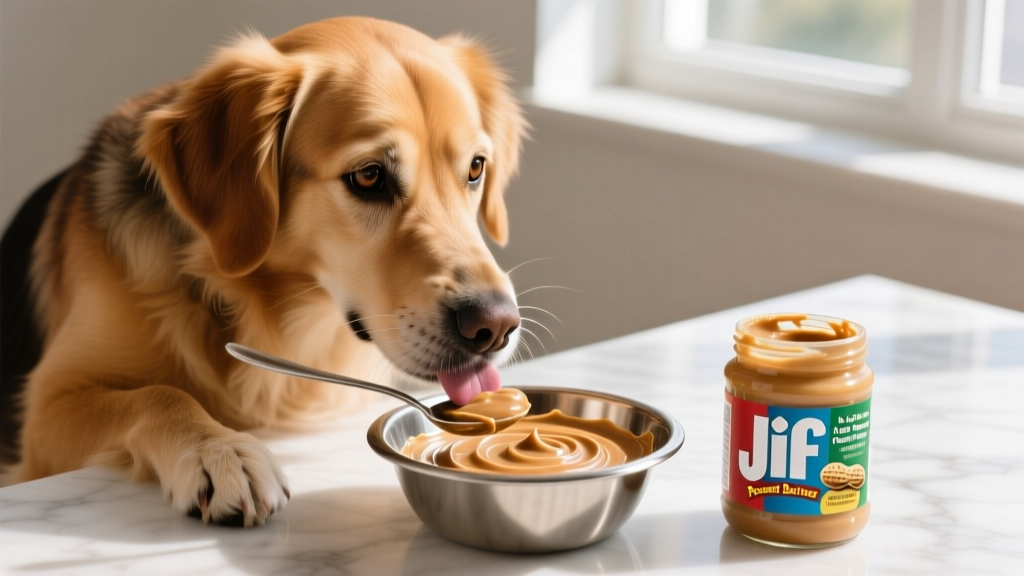
Best Peanut Butter for Dogs: Safe Picks & What to Avoid (2026)
Find the best peanut butter for dogs with our expert picks, safety tips on xylitol, serving sizes, and vet-approved brands for 2026.

Why Peanut Butter Matters for Your Dog's Health and Training
Peanut butter sits in nearly every dog owner's pantry, but not all jars are created equal. For dogs, peanut butter serves as a high-value training reward, a pill-hiding vehicle, and a long-lasting enrichment tool when smeared inside puzzle toys like the Kong Classic. The American Kennel Club confirms that plain, unsalted peanut butter without xylitol is safe for most dogs — but the wrong jar can be deadly.
The primary danger is xylitol (sometimes labeled as birch sugar), a sugar alcohol that causes rapid insulin release in dogs, leading to hypoglycemia, seizures, and liver failure. According to the ASPCA Animal Poison Control Center, xylitol ingestion cases have risen sharply as more "healthy" human brands adopt it. Even 0.1 g/kg of xylitol can trigger hypoglycemia in dogs — that's roughly the amount in a single piece of sugar-free gum, let alone a jar of peanut butter.
This guide breaks down exactly which peanut butters are safe, which to avoid, how to read labels like a vet tech, and how to use peanut butter strategically for training, enrichment, and medication compliance.
What to Look For: Buying Criteria for Dog-Safe Peanut Butter
Reading the Label Like a Vet Tech
Turn the jar over and scan the ingredient list. Here's what you'll encounter and what each means for your dog:
| Ingredient | Verdict | Why It Matters |
|---|---|---|
| Roasted peanuts | ✅ Safe | Core ingredient; good source of protein and healthy fats |
| Salt (sodium chloride) | ⚠️ In moderation | Small amounts fine; excess sodium strains kidneys in senior dogs |
| Sugar / molasses | ⚠️ Limit | Unnecessary calories; contributes to obesity |
| Palm oil / hydrogenated oil | ⚠️ Limit | Not toxic but adds unnecessary saturated fat |
| Xylitol / birch sugar | ❌ TOXIC | Causes life-threatening hypoglycemia and liver failure |
| Erythritol / stevia | ✅ Generally safe | Not associated with xylitol-like toxicity in dogs per current data |
| Monoglycerides | ✅ Safe | Emulsifier; no known toxicity in dogs |
Top 7 Best Peanut Butter Brands for Dogs in 2026
These picks are based on ingredient transparency, xylitol-free verification, sodium levels, and real-world use by veterinary professionals and certified trainers for enrichment and pill-hiding.
1. Smucker's Natural Peanut Butter (Unsalted)
Ingredients: Peanuts only
Sodium: 0 mg per serving
Price: $4.50–$6.00 per 16 oz jar
Best for: Everyday training treats, pill-hiding, Kong stuffing
- Pros: Single ingredient; widely available at any grocery store; no added sugar, salt, or oils; consistent formulation over years
- Cons: Oil separation requires stirring; not available in squeeze format; large jar may expire before single-dog households finish it
2. Teddie All Natural Peanut Butter (Unsalted)
Ingredients: Peanuts only
Sodium: 0 mg per serving
Price: $6.00–$8.50 per 16 oz jar
Best for: Owners who want a US-grown peanut source; dogs with sensitive stomachs
- Pros: Made from US-grown peanuts; no additives whatsoever; available in creamy and super chunk for texture variety during enrichment
- Cons: Higher price point; limited regional availability outside Northeast US; oil separation is significant
3. Greenies Pill Pockets (Peanut Butter Flavor)
Ingredients: Chicken, glycerin, wheat flour, vegetable oil, natural flavors, peanut butter flavor
Sodium: ~120 mg per treat
Price: $8.00–$12.00 per 30-count bag
Best for: Medication compliance; dogs that refuse pills hidden in actual peanut butter
- Pros: Purpose-built pocket conceals capsules and tablets; soft texture molds around pills; widely recommended by veterinary clinics
- Cons: Contains wheat (not suitable for grain-sensitive dogs); higher sodium than plain peanut butter; not a "pure" peanut butter — it's a peanut-flavored treat; more expensive per use
4. P28 Peanut Butter Spread (Original)
Ingredients: Roasted peanuts, whey protein isolate, honey, salt
Sodium: 75 mg per serving
Price: $8.00–$10.00 per 12 oz jar
Best for: Active dogs needing higher protein; working or sport dogs
- Pros: 28g protein per serving (nearly 4× standard PB); added whey protein supports muscle recovery; no xylitol or artificial sweeteners
- Cons: Contains dairy (whey) — not ideal for lactose-sensitive dogs; honey adds sugar; higher cost; smaller jar size
5. Crazy Richard's 100% Peanuts (Creamy)
Ingredients: Peanuts only
Sodium: 0 mg per serving
Price: $4.00–$5.50 per 16 oz jar
Best for: Budget-conscious multi-dog households; daily Kong enrichment
- Pros: One of the most affordable single-ingredient options; no refrigeration needed; widely available at Walmart and Kroger
- Cons: Very runny consistency (oil separation is extreme); not ideal for stuffing toys that need thicker paste
6. Barkworthies Peanut Butter Filled Bones
Ingredients: Beef femur bone, peanut butter filling (peanuts, salt)
Sodium: Varies by bone size
Price: $6.00–$14.00 per bone (varies by size)
Best for: Power chewers who destroy Kongs; supervised enrichment sessions
- Pros: Combines long-lasting chew with peanut butter reward; natural beef bone provides dental scraping; pre-filled convenience
- Cons: Requires supervision (bone splintering risk); not appropriate for aggressive chewers who crack teeth; higher cost per session; must discard when bone becomes small enough to swallow
7. PBfit Peanut Butter Powder (Original)
Ingredients: Roasted peanuts, sugar, salt
Sodium: 70 mg per serving (2 Tbsp powder)
Price: $7.00–$10.00 per 14 oz container
Best for: Overweight dogs (BCS 6+), dogs with pancreatitis, calorie-restricted feeding plans
- Pros: 85% less fat than regular peanut butter; only ~50 calories per 2 Tbsp mixed; mixes with water to create paste for Kongs; excellent for dogs on weight management plans
- Cons: Contains added sugar; less palatable than full-fat versions for some dogs; requires prep (mixing with water); not a direct substitute for pill-hiding due to thinner consistency
Side-by-Side Comparison
| Product | Ingredients | Sodium/Serving | Cal/Serving | Xylitol-Free | Price Range |
|---|---|---|---|---|---|
| Smucker's Natural (Unsalted) | Peanuts | 0 mg | 190 | ✅ | $4.50–$6.00 |
| Teddie All Natural | Peanuts | 0 mg | 190 | ✅ | $6.00–$8.50 |
| Greenies Pill Pockets | Multi-ingredient | ~120 mg | 32/treat | ✅ | $8.00–$12.00 |
| P28 Spread | Peanuts, whey, honey, salt | 75 mg | 190 | ✅ | $8.00–$10.00 |
| Crazy Richard's 100% | Peanuts | 0 mg | 190 | ✅ | $4.00–$5.50 |
| Barkworthies PB Bones | Bone, peanuts, salt | Varies | Varies | ✅ | $6.00–$14.00 |
| PBfit Powder | Peanuts, sugar, salt | 70 mg | ~50 | ✅ | $7.00–$10.00 |
How to Use Peanut Butter Safely: Serving Sizes and Techniques
Serving Size by Dog Weight
Peanut butter is calorie-dense. Overfeeding leads to obesity, pancreatitis flare-ups, and gastrointestinal upset. Use the Merck Veterinary Manual's guidance that treats should constitute no more than 10% of your dog's daily caloric intake.
| Dog Weight | Max Peanut Butter/Day | Approximate Calories | Frequency |
|---|---|---|---|
| Under 10 lb (4.5 kg) | ½ teaspoon | ~16 kcal | Once daily max |
| 10–25 lb (4.5–11 kg) | 1 teaspoon | ~32 kcal | Once daily max |
| 25–50 lb (11–23 kg) | 1 tablespoon | ~95 kcal | Once daily max |
| 50–75 lb (23–34 kg) | 1.5 tablespoons | ~142 kcal | Once daily max |
| 75+ lb (34+ kg) | 2 tablespoons | ~190 kcal | Once daily max |
Step-by-Step: Using Peanut Butter for Enrichment
- Select a food-safe enrichment toy — Kong Classic, West Paw Toppl, or a lick mat. Ensure the toy is sized appropriately for your dog's mouth (your dog should not be able to swallow it whole).
- Measure the correct serving using the table above. Do not eyeball it — peanut butter calories add up fast.
- Smear a thin layer inside the toy rather than filling it solid. This extends licking time from 3 minutes to 15–20 minutes.
- Freeze for 2–4 hours to further extend engagement. Frozen peanut butter Kongs can occupy dogs for 30–45 minutes.
- Supervise initial sessions to ensure your dog doesn't chew and swallow pieces of the toy itself.
- Wash the toy thoroughly after each use. Peanut butter residue breeds bacteria in warm environments.
Using Peanut Butter for Medication Compliance
Capsules and tablets can be embedded in a small ball of peanut butter (~½ tsp). For dogs that spit out pills, try the "peanut butter sandwich" method: place the pill between two dabs of PB on your finger, then offer a third "clean" dab immediately after. The dog swallows the pill-loaded dab while reaching for the reward.
When Peanut Butter Isn't the Answer: Vet Visits and Alternatives
When to Skip Peanut Butter and See Your Vet
- Vomiting or diarrhea lasting more than 24 hours
- Signs of allergic reaction: facial swelling, hives, difficulty breathing, excessive itching
- Lethargy, collapse, or disorientation (possible xylitol poisoning — emergency)
- Signs of pancreatitis: hunched posture, abdominal pain, repeated vomiting, refusal to eat
- Weight gain despite controlled portions (may indicate metabolic issues requiring thyroid testing)
Always consult your veterinarian before introducing peanut butter to dogs with existing health conditions, particularly pancreatitis, diabetes, or known food allergies.
Natural and DIY Alternatives to Peanut Butter
If your dog has a peanut allergy (rare but documented in veterinary literature), pancreatitis, or you simply want variety, these alternatives work well for enrichment and pill-hiding:
| Alternative | Calorie Density | Best Use Case | Notes |
|---|---|---|---|
| Plain pumpkin puree (canned, unsweetened) | Low (~12 kcal/Tbsp) | Kong stuffing, digestive support | High fiber; ensure it's puree, not pie filling |
| Plain Greek yogurt (unsweetened, full-fat) | Medium (~22 kcal/Tbsp) | Lick mats, freezing in toys | Avoid if dog is lactose intolerant |
| Mashed banana | Low (~13 kcal/Tbsp) | Pill-hiding, Kong layering | High potassium; sticky texture works well |
| Almond butter (unsalted, xylitol-free) | High (~190 kcal/Tbsp) | Same uses as PB | Higher in vitamin E; verify no xylitol |
| Cashew butter (unsalted, xylitol-free) | High (~180 kcal/Tbsp) | Enrichment toys | Must be roasted cashews only; raw cashews are toxic |
| Sunflower seed butter (unsweetened) | High (~190 kcal/Tbsp) | Dogs with nut allergies | Check for xylitol; good vitamin E source |
| Coconut oil (solid, unrefined) | High (~120 kcal/Tbsp) | Pill-hiding, lick mats | Use sparingly; can cause loose stools in excess |
Prescription and Veterinary-Grade Alternatives
For dogs with severe food allergies, your veterinarian may recommend a hydrolyzed protein diet (such as Hill's Prescription Diet z/d or Royal Canin Veterinary Diet Hydrolyzed Protein) that can be used as a paste for enrichment. These diets break proteins into fragments too small to trigger immune responses. Expect to pay $45–$85 per case (12 cans) through your vet or authorized online pharmacies like Chewy's veterinary diet program.
Where to Buy and What You'll Pay
Here's where to find the products in this guide at the best prices:
| Retailer | Products Available | Typical Savings |
|---|---|---|
| Chewy.com | Greenies Pill Pockets, Barkworthies, PBfit, specialty brands | Subscribe & Save: 5–10% off; free shipping over $49 |
| Amazon | All brands listed; bulk options available | Competitive pricing; watch for third-party sellers with expired stock |
| Grocery stores (Kroger, Safeway, Publix) | Smucker's Natural, Crazy Richard's, Teddie | Store sales can drop prices to $3.50/jar |
| Walmart | Smucker's Natural, Crazy Richard's, PBfit | Generally lowest everyday prices on mainstream brands |
| PetSmart / Petco | Greenies Pill Pockets, Barkworthies, dog-specific PB brands | Rewards programs offer 5–8% back |
| Local co-ops / health food stores | Teddie, artisan single-ingredient brands | Highest prices ($8–$12/jar) but best sourcing transparency |
Frequently Asked Questions
What is the best peanut butter for dogs?
The best peanut butter for dogs is any brand with a single ingredient (peanuts), zero xylitol, and no added sugar or salt. Smucker's Natural Unsalted and Teddie All Natural are consistently top choices because of their ingredient purity and wide availability. For calorie-restricted dogs, PBfit powder offers the peanut butter experience at 85% less fat.
How do I choose the right peanut butter for my dog?
Start by scanning the ingredient list for xylitol or birch sugar — if either appears, put it back. Next, look for minimal ingredients (peanuts only is ideal). Consider your dog's health status: overweight or pancreatitis-prone dogs need low-fat alternatives like PBfit, while active working dogs can handle full-fat options. Finally, check sodium content — anything under 50 mg per serving is appropriate.
How much does dog-safe peanut butter cost?
Expect to pay $4.00–$6.00 for standard single-ingredient brands (Smucker's, Crazy Richard's) at grocery stores. Premium or specialty brands (Teddie, P28) range from $6.00–$10.00. Dog-specific products like Greenies Pill Pockets run $8.00–$12.00 per bag. Buying in bulk through Amazon or Chewy can reduce per-unit cost by 10–15%.
How do I use peanut butter safely?
Measure servings according to your dog's weight (see the serving size table above), and never exceed 10% of daily caloric intake from treats. Always verify xylitol-free status before each use, even with brands you've used before — formulations change. Supervise dogs with peanut butter-stuffed toys, and wash enrichment toys after every session. If using peanut butter to hide medication, ensure the pill doesn't alter the PB's texture in a way that makes your dog suspicious and spit it out.
Are there natural alternatives to peanut butter?
Yes. Plain canned pumpkin puree, mashed banana, plain Greek yogurt, and unsweetened sunflower seed butter are all safe alternatives that work well for Kong stuffing and lick mats. For dogs with nut allergies, coconut oil or veterinary hydrolyzed protein diets serve as effective substitutes. Always verify that any alternative is xylitol-free and introduced gradually to monitor for digestive upset.
When should I skip OTC peanut butter and see a vet?
Consult your veterinarian if your dog shows vomiting, diarrhea, facial swelling, hives, or lethargy after eating peanut butter. Dogs with existing pancreatitis, diabetes, obesity (BCS 7+), or known food allergies should get veterinary clearance before peanut butter is introduced. If you suspect xylitol ingestion at any dose, call the ASPCA Animal Poison Control Hotline at (888) 426-4435 immediately — do not wait for symptoms.
Can peanut butter cause allergies in dogs?
True peanut allergies in dogs are uncommon but documented. Signs include chronic ear infections, paw licking, facial itching, and gastrointestinal upset. If you suspect a peanut allergy, your vet can perform an elimination diet trial (typically 8–12 weeks on a novel protein) or serum IgE allergy testing ($250–$450) to confirm.
Is crunchy or creamy peanut butter better for dogs?
Both textures are safe. Creamy peanut butter is easier for small breeds and senior dogs with dental issues to eat and works better for pill-hiding. Crunchy peanut butter adds textural interest for enrichment toys. For very small dogs under 10 lb (4.5 kg), creamy is preferable to reduce choking risk from peanut pieces.
The Bottom Line
Peanut butter remains one of the most versatile, affordable, and effective tools in a dog owner's arsenal — for training motivation, medication compliance, and mental enrichment. The single most important rule: always check the label for xylitol before every use, even with brands you've trusted for years. Formulations change, and the consequences of xylitol ingestion are severe. Stick with single-ingredient, unsalted peanut butter from brands like Smucker's Natural or Teddie, respect serving size limits based on your dog's weight, and consult your veterinarian if your dog has any underlying health conditions that could make high-fat treats risky.
Anouk Beaumont
All our authors care for dogs every day — read more of their work on the authors page.