Is Jif Safe for Dogs? A Vet-Approved Peanut Butter Guide
Is Jif safe for dogs? Learn which Jif varieties are dog-safe, exact serving sizes by weight, xylitol risks, and when peanut butter can harm your pup.
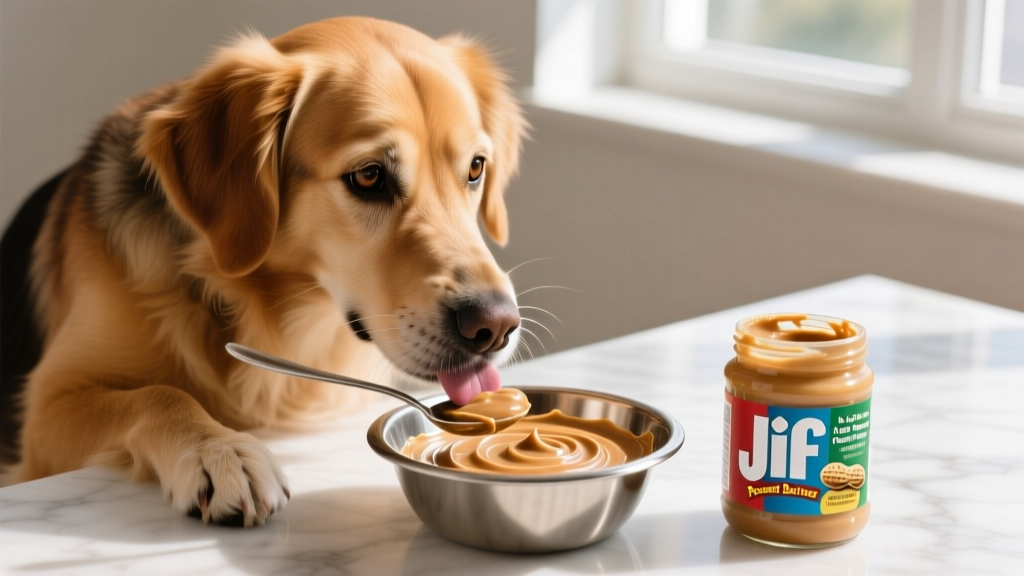
If you've ever smeared peanut butter inside a Kong to keep your dog busy during a nail trim, you've probably wondered whether the jar in your pantry is actually safe. Jif is America's most popular peanut butter brand, but not every variety sitting on grocery shelves in 2026 is appropriate for canine consumption. Here's the short answer before we get into the details.
Standard Jif Creamy and Jif Crunchy peanut butter are safe for most healthy adult dogs in measured portions. These varieties contain no xylitol (birch sugar), the artificial sweetener that is fatally toxic to dogs. However, Jif Natural (which uses palm oil) and any reduced-sugar Jif products must be checked label-by-label, and Jif To Go cups should be portioned carefully due to added sugar. Always read the ingredient list before every purchase — formulations change.
Why Xylitol Is the Deal-Breaker for Dogs
The single most important thing to check on any peanut butter jar is whether it contains xylitol (sometimes listed as "birch sugar" or "birch sap"). Xylitol triggers a rapid insulin release in dogs, causing blood glucose to crash to life-threatening levels within 10–60 minutes. At higher doses, it causes acute liver failure.
According to the ASPCA, as little as 0.1 g of xylitol per kilogram of body weight can cause hypoglycemia in dogs, and 0.5 g/kg can trigger hepatic necrosis. For a 20 lb (9 kg) dog, that's less than 1 gram — roughly the amount in a single piece of sugar-free gum.
As of 2026, the standard Jif Creamy and Jif Crunchy lines do not contain xylitol. The J.M. Smucker Company has confirmed this across multiple product cycles. But here's the catch: Jif has never produced a xylitol-containing product, which is one reason it's frequently recommended by veterinary professionals. That said, you should still verify the label every time you buy, because ingredient formulations can shift without prominent announcement.
⚠️ Toxic Ingredient Watch: Some competing brands — notably certain varieties of Go!, Nuts 'N More, and P28 — have used xylitol. Always check. If your dog ingests any product containing xylitol, call ASPCA Animal Poison Control at (888) 426-4435 immediately (a consultation fee applies).
Safe Serving Sizes: How Much Jif Can Your Dog Have?
Peanut butter is calorie-dense — roughly 95 calories per tablespoon (16 g). For dogs on a weight-management plan or those prone to pancreatitis, even small overages matter. The general veterinary guideline is that treats should not exceed 10% of your dog's daily caloric intake.
| Dog Weight | Max Daily Portion | Calories from PB | Frequency |
|---|---|---|---|
| Small (under 20 lb / 9 kg) | ½ teaspoon (≈ 2.5 g) | ~15 kcal | 2–3 times per week |
| Medium (20–50 lb / 9–23 kg) | 1 teaspoon (≈ 5 g) | ~30 kcal | 3–4 times per week |
| Large (50–90 lb / 23–41 kg) | 1 tablespoon (≈ 16 g) | ~95 kcal | 3–4 times per week |
| Giant (over 90 lb / 41 kg) | 1.5 tablespoons (≈ 24 g) | ~140 kcal | 3–4 times per week |
These portions assume peanut butter is the only treat your dog receives that day. If you're also giving training treats, dental chews, or table scraps, reduce accordingly. Overfeeding peanut butter is one of the stealthiest ways dogs gain unwanted weight — a single extra tablespoon daily adds roughly 665 calories per week, which translates to about 1 lb of fat gain per month in a medium-sized dog.
Nutritional Profile: What Jif Actually Provides Your Dog
Peanut butter isn't a superfood for dogs, but it does deliver some useful nutrients when given in appropriate amounts. Here's what one tablespoon (16 g) of Jif Creamy Peanut Butter contains, based on USDA FoodData Central values:
| Nutrient | Amount per 1 Tbsp (16 g) | Relevance to Dogs |
|---|---|---|
| Protein | 4 g | Supports muscle maintenance; not a primary protein source |
| Total Fat | 8 g | High — contributes to caloric density; excess risks pancreatitis |
| Niacin (Vitamin B3) | 2.1 mg | Supports skin, nerve function, and energy metabolism |
| Vitamin E | 1.8 mg | Antioxidant; supports immune function and coat health |
| Magnesium | 27 mg | Bone health, enzyme function |
| Phosphorus | 55 mg | Skeletal support; excess can concern dogs with kidney disease |
| Fiber | 1 g | Minimal digestive benefit at treat-level portions |
| Sodium | 65 mg | Low but relevant for dogs on sodium-restricted diets |
| Added Sugar | 3 g | Unnecessary for dogs; contributes to dental decay and obesity |
The standout nutrients are niacin and vitamin E, both of which dogs need and most commercial diets already provide in adequate amounts. Peanut butter's real value to dogs isn't nutritional — it's behavioral. Its sticky, high-value nature makes it one of the most effective tools for crate training, medication administration, and enrichment activities like lick mats and frozen Kongs.
How to Prepare and Serve Jif Safely
Peanut butter doesn't require cooking, but there are still important handling and serving considerations:
- Read the ingredient list every time. Confirm the only ingredients are peanuts, sugar, salt, and hydrogenated vegetable oils (the standard Jif Creamy formula). If you see "xylitol," "birch sugar," or "birch sap," do not feed it to your dog.
- Measure, don't eyeball. Use actual measuring spoons. A heaping "spoonful" from a butter knife can easily be 2–3× the intended portion.
- Serve at room temperature. Cold peanut butter straight from the fridge is harder and poses a mild choking risk for small dogs or enthusiastic gulpers.
- Use enrichment tools. Smear the measured portion inside a Kong, spread it on a lick mat (like the Hyper Pet IQ Mat), or use it to hide a pill (Pill Pockets work well in combination).
- Freeze for longer engagement. A Kong stuffed with peanut butter and frozen for 2–3 hours can occupy a dog for 20–30 minutes — excellent for separation anxiety management.
- Clean up promptly. Residual peanut butter on fur (especially around long-haired breeds' muzzles) can attract dirt and cause skin irritation. Wipe with a damp cloth after serving.
Risks and Side Effects: When Peanut Butter Becomes a Problem
Even xylitol-free Jif carries risks that every dog owner should understand.
Fat Content and Pancreatitis
At 8 g of fat per tablespoon, peanut butter is a high-fat food. In dogs predisposed to pancreatitis — particularly Miniature Schnauzers, Cocker Spaniels, and Yorkshire Terriers — even a single large serving can trigger an acute episode. Pancreatitis symptoms include vomiting, abdominal pain (the "prayer position" stretch), lethargy, and loss of appetite, typically appearing within 12–24 hours of a high-fat meal.
Weight Gain and Obesity
According to the American Kennel Club, obesity affects an estimated 56% of dogs in the United States. An extra tablespoon of peanut butter daily, without reducing other calories, can add nearly 10 lb of body weight to a medium-sized dog over a year.
Allergic Reactions
True peanut allergy in dogs is rare but documented. Signs include facial swelling, hives, itching, vomiting, or difficulty breathing within minutes to hours of ingestion. If you observe any of these, contact your veterinarian immediately.
Aflatoxin Concerns
Peanuts are susceptible to Aspergillus flavus mold, which produces aflatoxins — known carcinogens and hepatotoxins. Major commercial brands like Jif are subject to FDA aflatoxin monitoring and typically test well below the 20 ppb action level for animal feed. The risk from occasional, properly stored peanut butter is very low, but always store jars in a cool, dry place and discard any that smell rancid or show visible mold.
Salt and Added Sugar
Standard Jif Creamy contains 65 mg sodium and 3 g added sugar per tablespoon. Neither is toxic at treat-level portions, but dogs with heart disease, kidney disease, or diabetes should avoid the extra sodium and sugar. Consider a no-salt-added, no-sugar peanut butter for these dogs.
Dogs Who Should NOT Eat Jif Peanut Butter
While Jif is safe for most healthy adult dogs, certain dogs should avoid it entirely or only receive it under veterinary guidance:
- Puppies under 12 weeks: Their digestive systems are still developing; introduce only tiny amounts (a dab on your finger) and watch for loose stools.
- Dogs with pancreatitis (current or history): The fat content is too high. Ask your vet about lower-fat enrichment alternatives.
- Dogs with chronic kidney disease (CKD): The phosphorus (55 mg/Tbsp) and sodium content may conflict with renal diets.
- Dogs with diabetes: The 3 g of added sugar per tablespoon can interfere with glucose regulation.
- Overweight dogs on calorie-restricted plans: Every calorie counts; your vet may prefer lower-calorie treat options like green beans or carrot sticks.
- Dogs on low-sodium diets (heart conditions): Even 65 mg of sodium per serving may be significant depending on the dog's size and condition severity.
If your dog falls into any of these categories, consult your veterinarian before offering peanut butter. Your vet can advise on whether a small amount is acceptable or whether an alternative enrichment food would be safer.
After feeding peanut butter, seek emergency veterinary care if your dog shows any of the following:
- Collapse, weakness, or inability to stand (possible xylitol-induced hypoglycemia — onset 10–60 min)
- Repeated vomiting or diarrhea, especially with blood
- Abdominal pain — hunched posture, reluctance to move, "prayer position" stretching
- Facial swelling, hives, or difficulty breathing (allergic reaction)
- Seizures or tremors
- Yellowing of gums or whites of eyes (jaundice — possible liver involvement)
ASPCA Animal Poison Control: (888) 426-4435 (24/7, consultation fee applies)
Pet Poison Helpline: (855) 764-7661 (24/7, consultation fee applies)
Jif vs. Other Peanut Butter Brands: What's Different?
Understanding how Jif compares to other popular brands helps you make informed choices, especially if Jif isn't available or you're considering alternatives.
| Brand | Contains Xylitol? | Added Sugar | Dog-Safe? | Notes |
|---|---|---|---|---|
| Jif Creamy/Crunchy | No | 3 g/Tbsp | Yes (portioned) | Most widely recommended; consistent formulation |
| Jif Natural | No | 2 g/Tbsp | Yes (portioned) | Uses palm oil; slightly less sugar |
| Peter Pan | No | 3 g/Tbsp | Yes (portioned) | Similar profile to Jif |
| Skippy | No | 3 g/Tbsp | Yes (portioned) | Comparable to Jif; check reduced-fat version |
| Teddie (All Natural) | No | 0 g | Yes (ideal) | Just peanuts + salt; no added sugar |
| Smucker's Natural | No | 0 g | Yes (ideal) | Peanuts only; oil separation requires stirring |
| Some "sugar-free" or "keto" brands | POSSIBLY | Varies | ⛔ Check label | Nuts 'N More, P28, some Go! varieties have contained xylitol |
The best peanut butter for dogs from a purely nutritional standpoint is one with a single ingredient: peanuts (or peanuts and salt). Jif isn't the cleanest option due to added sugar and hydrogenated oils, but its consistent xylitol-free status and wide availability make it a practical, safe choice for most households.
Introducing Jif to Your Dog for the First Time
Even safe foods should be introduced gradually. Here's a practical protocol:
- Day 1: Offer a pea-sized amount on your finger. Observe for 24 hours for signs of allergy (itching, swelling, vomiting, diarrhea).
- Day 2–3: If no reaction, offer half the recommended serving size for your dog's weight class. Monitor stool consistency.
- Day 4–5: Increase to the full recommended serving if stools remain normal and your dog shows no discomfort.
- Ongoing: Use the serving table above as your daily/weekly maximum. Rotate peanut butter with other safe enrichment foods (plain pumpkin, plain yogurt for dogs that tolerate dairy) to prevent over-reliance on a single high-fat treat.
According to the Merck Veterinary Manual, sudden dietary changes are a common cause of gastrointestinal upset in dogs, so gradual introduction protects against unnecessary digestive disruption.
Frequently Asked Questions
Can dogs eat Jif peanut butter every day?
Not recommended. Even at proper serving sizes, daily peanut butter adds significant fat and calories. Aim for 3–4 times per week maximum, and vary your enrichment treats. Daily use also increases the risk of your dog becoming "addicted" to high-value treats, making lower-value training rewards less effective.
What happens if my dog eats too much Jif?
If your dog raids the pantry and eats a significant amount (e.g., half a jar), expect vomiting and diarrhea within 6–12 hours due to the fat content. Small dogs are at higher risk of pancreatitis. Offer fresh water, withhold food for 12 hours (but not water), and call your vet if vomiting persists beyond 24 hours, if you see blood in vomit or stool, or if your dog becomes lethargic. If there's any chance the peanut butter contained xylitol, treat it as an emergency.
Is crunchy or creamy Jif better for dogs?
Nutritionally, they're nearly identical. Creamy is slightly easier to stuff into Kongs and lick mats. Crunchy is fine for most dogs, but very small breeds (under 10 lb) or dogs with dental issues may struggle with the peanut pieces. For pill-hiding, creamy is more moldable.
Can puppies eat Jif peanut butter?
Puppies over 12 weeks can have a tiny taste (pea-sized) as an introduction, but it should not be a regular part of their diet. Puppies need precisely balanced nutrition for growth, and high-fat, high-calorie treats can displace essential nutrients from their puppy-formulated food. Focus on age-appropriate training treats instead.
Does Jif peanut butter contain xylitol in 2026?
As of 2026, no Jif product contains xylitol. The J.M. Smucker Company has maintained this formulation consistently. However, always verify the ingredient label at the time of purchase, as companies can reformulate products. Look specifically for "xylitol," "birch sugar," or "birch sap" on the ingredients list.
Can I use Jif to give my dog pills?
Yes — peanut butter is one of the most effective pill-hiding foods because its sticky texture masks the shape and taste of medication. Roll the pill in a small ball of peanut butter (within your dog's serving allowance) and offer it as a treat. Some dogs will swallow it without noticing. For stubborn pill-spitters, try coating the pill in peanut butter and then freezing it for 15 minutes — the cold dulls the medication's taste.
Beth Carrasco
All our authors care for dogs every day — read more of their work on the authors page.


