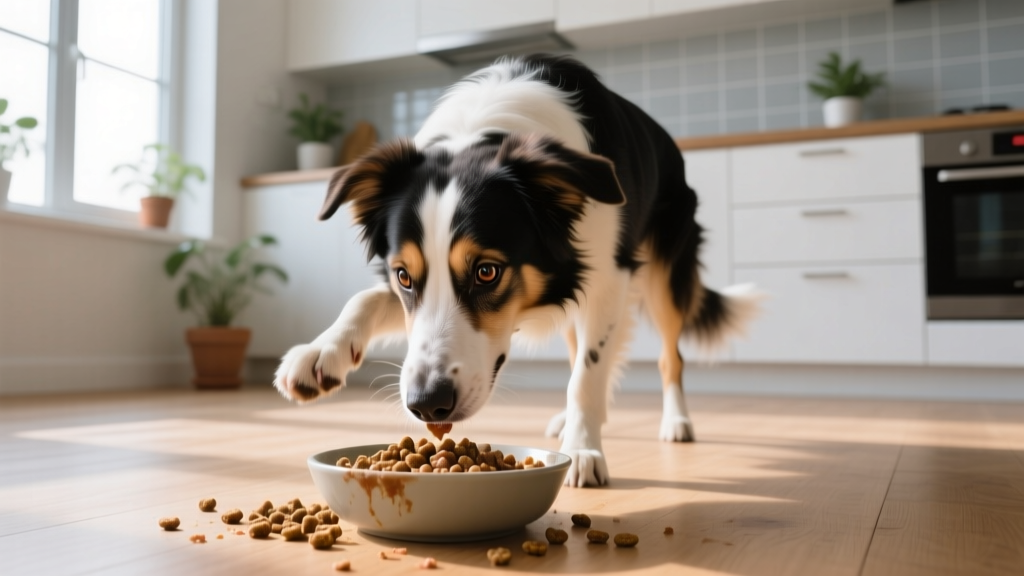
Best Dog Food for Weight Loss: 2026 Vet-Approved Picks & Guide
Compare the best dog food for weight loss in 2026. Vet-informed picks, calorie data, pricing, and a step-by-step plan to help your dog slim down safely.

Over 55% of dogs in the United States are overweight or obese, according to the Association for Pet Obesity Prevention. That extra weight isn't just cosmetic — it drives osteoarthritis, insulin resistance, shortened lifespan, and respiratory compromise. If your vet has flagged your dog's body condition score (BCS) above 5/9, switching to a purpose-formulated weight management diet is one of the most effective interventions available.
This guide reviews the best dog food for weight loss across prescription and over-the-counter categories, with real calorie-per-cup data, 2026 pricing, and a framework for choosing the right option based on your dog's size, health status, and your budget.
How Weight Loss Dog Food Actually Works
Weight management dog foods aren't just "lighter" versions of regular kibble. They're engineered around three mechanisms:
- Caloric density reduction: Most weight loss formulas deliver 250–325 kcal/cup compared to 400–500 kcal/cup in standard adult maintenance diets. This lets you feed a satisfying volume while maintaining a caloric deficit.
- Elevated protein ratios: Protein at 28–37% dry matter (DM) preserves lean muscle mass during caloric restriction. Without adequate protein, up to 25% of weight lost can be muscle tissue rather than fat.
- Increased fiber content: Crude fiber at 7–15% DM slows gastric emptying and promotes satiety. Dogs on high-fiber diets beg less frequently and show fewer hunger-related behaviors, per research published in the Journal of Animal Physiology and Animal Nutrition.
The Merck Veterinary Manual recommends a target weight loss rate of 1–2% of body weight per week. Faster loss risks hepatic lipidosis and muscle wasting.
Buying Criteria: What to Look for in Weight Loss Dog Food
Top 7 Dog Foods for Weight Loss: Detailed Reviews
1. Hill's Prescription Diet Metabolic + Mobility (Dry)
Calories: 291 kcal/cup | Protein: 27.2% DM | Fiber: 13.3% DM | Price: $72–$88 per 27.5 lb bag
Hill's Metabolic formula uses a proprietary fiber blend (psyllium, oat fiber, cellulose) combined with L-carnitine to support fat metabolism while preserving lean mass. The + Mobility variant adds EPA/DHA from fish oil for joint support — a critical addition since 65% of overweight dogs show radiographic signs of osteoarthritis.
Pros: Clinically tested in over 10,000 dogs; 11% body fat reduction in 60 days (Hill's clinical data); dual-action for weight and joints; high palatability scores.
Cons: Requires veterinary authorization; protein slightly below the 28% DM ideal; premium price point; some dogs experience loose stools during transition.
2. Royal Canin Veterinary Diet Satiety Support (Dry)
Calories: 273 kcal/cup | Protein: 32.1% DM | Fiber: 14.5% DM | Price: $68–$82 per 26.5 lb bag
Royal Canin's Satiety line was specifically formulated to reduce begging behavior. The high-fiber matrix (beet pulp, psyllium, cellulose) expands in the stomach, triggering stretch receptors that signal fullness. A 2018 study in the British Journal of Nutrition found dogs fed Satiety showed a 43% reduction in begging frequency within 4 weeks.
Pros: Highest fiber content among veterinary diets; excellent protein-to-calorie ratio; proven begging reduction; available in wet formula (93 kcal/can) for portion control.
Cons: Veterinary authorization required; kibble size is small (may not suit giant breeds); higher flatulence during first 2 weeks; limited flavor variety.
3. Purina Pro Plan Veterinary Diets OM Overweight Management
Calories: 289 kcal/cup | Protein: 36.7% DM | Fiber: 8.2% DM | Price: $65–$79 per 27.5 lb bag
Purina OM stands out for its protein density — the highest among the major veterinary weight loss diets. This makes it the preferred choice for highly active dogs that need to lose fat without sacrificing muscle, working dogs, and breeds prone to muscle wasting (Greyhounds, Whippets, senior dogs of all breeds).
Pros: Highest protein-to-calorie ratio; supports lean mass retention; available in canned version (105 kcal/can); widely stocked at veterinary clinics nationwide.
Cons: Lower fiber means less satiety — some dogs remain hungry; veterinary authorization required; contains corn gluten meal (concern for owners avoiding grain-derived ingredients).
4. Blue Buffalo Wilderness Healthy Weight (OTC, Dry)
Calories: 325 kcal/cup | Protein: 32% DM | Fiber: 10% DM | Price: $52–$64 per 24 lb bag
For dogs that don't need a prescription diet, Blue Buffalo Wilderness Healthy Weight offers a grain-free, high-protein OTC option. Deboned chicken is the first ingredient, and the formula includes LifeSource Bits (a proprietary antioxidant blend). At 325 kcal/cup, it sits at the upper threshold of what we recommend for weight loss diets.
Pros: No prescription needed; widely available at pet stores and online; grain-free formula; strong protein content; mid-range pricing.
Cons: Calorie density borders on high for a weight loss food; grain-free diets carry FDA scrutiny regarding dilated cardiomyopathy (DCM) — consult your vet; fiber content moderate, not exceptional.
5. Wellness CORE Healthy Weight (OTC, Dry)
Calories: 310 kcal/cup | Protein: 34% DM | Fiber: 8.5% DM | Price: $48–$60 per 26 lb bag
Wellness CORE Healthy Weight uses deboned turkey as the primary protein and incorporates L-carnitine to support fat metabolism. The grain-free, high-protein formulation targets owners who want a "whole prey" macronutrient profile at a lower caloric density.
Pros: No prescription required; strong protein density; includes L-carnitine; competitively priced; available in small-bag sizes for trial.
Cons: Grain-free (same DCM consideration as above); lower fiber than prescription options; some owners report kibble size inconsistency across batches.
6. Hill's Science Diet Perfect Weight (OTC, Dry)
Calories: 298 kcal/cup | Protein: 29.4% DM | Fiber: 11.8% DM | Price: $44–$58 per 27.5 lb bag
Hill's OTC weight management option delivers the same fiber-forward approach as their prescription Metabolic line but without requiring veterinary authorization. It's a strong bridge diet for dogs that have completed a prescription weight loss program and need maintenance support.
Pros: No prescription needed; strong fiber content for satiety; backed by Hill's feeding trial data; widely available; good value per calorie.
Cons: Contains chicken by-product meal (second ingredient); protein slightly below ideal for muscle preservation; not suitable for dogs with food sensitivities to chicken.
7. Purina ONE SmartBlend Healthy Weight (OTC, Dry)
Calories: 296 kcal/cup | Protein: 28.6% DM | Fiber: 6.8% DM | Price: $32–$42 per 31.1 lb bag
For budget-conscious owners, Purina ONE SmartBlend Healthy Weight delivers the lowest cost per calorie among quality OTC options. Real chicken is the first ingredient, and the formula includes glucosamine for joint support — a useful addition for overweight dogs carrying extra load on aging joints.
Pros: Best budget option; no prescription needed; contains glucosamine; widely available at grocery stores and mass retailers; large bag size reduces cost per pound.
Cons: Lowest fiber content in this roundup (less satiety); contains corn and soy (common allergens); lower protein density; not ideal for dogs with food sensitivities.
Side-by-Side Comparison Table
| Product | kcal/cup | Protein (DM) | Fiber (DM) | Rx Required | Price Range |
|---|---|---|---|---|---|
| Hill's Metabolic + Mobility | 291 | 27.2% | 13.3% | Yes | $72–$88 |
| Royal Canin Satiety | 273 | 32.1% | 14.5% | Yes | $68–$82 |
| Purina Pro Plan OM | 289 | 36.7% | 8.2% | Yes | $65–$79 |
| Blue Buffalo Wilderness HW | 325 | 32% | 10% | No | $52–$64 |
| Wellness CORE HW | 310 | 34% | 8.5% | No | $48–$60 |
| Hill's Science Diet Perfect Weight | 298 | 29.4% | 11.8% | No | $44–$58 |
| Purina ONE SmartBlend HW | 296 | 28.6% | 6.8% | No | $32–$42 |
How to Transition Your Dog to a Weight Loss Diet Safely
⚠️ Safety Warning: Never abruptly switch your dog's food. Sudden diet changes cause gastrointestinal upset in 30–40% of dogs, including vomiting, diarrhea, and food refusal. Always transition over 7–10 days. If your dog has diabetes, kidney disease, or hepatic conditions, consult your veterinarian before making any dietary change.
Step-by-Step Transition Protocol:
- Days 1–3: Mix 25% new weight loss food with 75% current food. Feed the total combined amount your dog normally receives.
- Days 4–6: Increase to 50% new food / 50% old food. Watch for stool changes — mild softening is normal; watery diarrhea means slow the transition.
- Days 7–9: Shift to 75% new food / 25% old food. Confirm your dog is eating the full portion without food refusal.
- Day 10+: Feed 100% weight loss food. Calculate your dog's target daily calories using the Resting Energy Requirement (RER) formula: RER = 70 × (target weight in kg)^0.75. For weight loss, feed 80% of RER.
- Weekly weigh-ins: Weigh your dog every 7 days on the same scale, at the same time of day. Record results. Target 1–2% body weight loss per week. If your dog loses more than 2% per week, increase daily food by 10%. If less than 0.5% per week after 3 weeks, decrease by 10%.
- Eliminate untracked calories: Remove all table scraps, unmeasured treats, and free-feeding. If you give treats, deduct their calories from the daily allotment (treats should not exceed 10% of total daily calories).
When to Skip OTC and See Your Veterinarian First
Not every overweight dog should start with an over-the-counter weight loss food. Certain underlying conditions require diagnostic workup and prescription therapeutic diets:
- Hypothyroidism: Accounts for an estimated 2–5% of canine obesity cases. A simple T4 blood panel ($45–$85) can rule this out. Dogs with hypothyroidism need levothyroxine supplementation, not just a diet change.
- Hyperadrenocorticism (Cushing's disease): Characterized by a pot-bellied appearance, increased thirst/urination, and hair loss. Requires an ACTH stimulation test ($150–$300). Weight loss without treating the underlying cortisol excess is ineffective.
- Diabetes mellitus: Obese diabetic dogs need a prescription diet formulated for glycemic control (typically high-fiber, moderate-protein) alongside insulin therapy.
- Orthopedic conditions: Dogs with severe IVDD, hip dysplasia, or post-surgical recovery need diets with targeted EPA/DHA levels that OTC foods rarely provide at therapeutic concentrations.
- BCS of 8/9 or 9/9: Severely obese dogs (more than 30% above ideal weight) should begin weight loss under veterinary supervision to monitor for hepatic lipidosis, electrolyte imbalances, and refeeding syndrome risk.
Red flags requiring immediate veterinary consultation: rapid unexplained weight gain, increased thirst and urination alongside weight gain, lethargy disproportionate to body condition, hair loss or coat changes, or failure to lose weight after 8 weeks on a measured caloric deficit.
Natural Alternatives and DIY Approaches
If you prefer a less commercial approach, several strategies can support weight loss alongside (or instead of) a dedicated weight management kibble:
Fresh Food Toppers for Volume Without Calories
Replace 15–20% of your dog's daily kibble with low-calorie vegetables to increase meal volume and fiber without significantly increasing calories:
- Green beans (canned, no salt added): 31 kcal/cup — excellent fiber source, most dogs find them palatable.
- Carrots (raw, chopped): 52 kcal/cup — crunchy texture satisfies chewing drive.
- Pumpkin (plain, canned, not pie filling): 83 kcal/cup — high soluble fiber aids satiety and stool quality.
- Cucumber slices: 16 kcal/cup — nearly negligible calories, good for snacking.
Homemade Weight Management Meals
A board-certified veterinary nutritionist (DACVN or equivalent) can formulate a custom homemade diet that meets your dog's exact caloric and nutritional needs. Expect to pay $150–$300 for an initial consultation and recipe. Critical warning: Homemade diets without professional formulation risk severe nutritional deficiencies — calcium-to-phosphorus imbalances, taurine deficiency, and vitamin/mineral gaps are common in DIY recipes found online. Always work with a credentialed nutritionist for any long-term homemade feeding plan.
Exercise as a Complement
Diet drives approximately 70% of weight loss; exercise provides the remaining 30%. For overweight dogs, start with low-impact activity:
- Week 1–2: 10-minute leash walks twice daily.
- Week 3–4: Increase to 15-minute walks twice daily.
- Week 5+: Build to 30-minute walks twice daily, adding swimming or controlled play if joints allow.
Avoid sudden high-intensity exercise (fetch marathons, long runs) in obese dogs — the risk of cruciate ligament injury and heat stroke increases significantly when excess weight loads unconditioned joints.
Where to Buy and What You'll Spend
| Channel | Availability | Price Notes |
|---|---|---|
| Veterinary clinics | Prescription diets (Hill's, Royal Canin, Purina Pro Plan Vet Diets) | Highest prices but include vet oversight; some clinics offer auto-ship discounts of 5–15%. |
| Chewy.com / PetFlow | Prescription diets (with vet authorization) + all OTC options | Often 5–10% cheaper than clinics; Chewy's autoship saves an additional 5%. Vet auth handled digitally. |
| Amazon | OTC options only; prescription diets NOT authorized | Competitive pricing but verify seller — counterfeit pet food reports exist. Buy "Ships from and sold by Amazon" only. |
| PetSmart / Petco | OTC options (Blue Buffalo, Wellness, Hill's Science Diet, Purina ONE) | In-store prices 10–20% higher than online; price-match policies available at most locations. |
Annual cost estimate: For a 50 lb (23 kg) dog on a weight management diet, expect to spend $480–$840/year depending on the brand selected. Prescription diets trend toward the higher end; OTC options like Purina ONE can keep costs under $500/year.
Frequently Asked Questions
What is the best dog food for weight loss overall?
For dogs needing veterinary supervision, Royal Canin Satiety Support and Hill's Metabolic + Mobility lead the category based on clinical outcome data. For OTC use, Wellness CORE Healthy Weight offers the best balance of high protein, moderate fiber, and reasonable calorie density at a mid-range price. The "best" choice depends on your dog's health status, your budget, and whether your vet has identified an underlying metabolic condition.
How do I choose the right weight loss food for my dog?
Start with a veterinary exam to rule out hypothyroidism, Cushing's disease, and diabetes. If your dog is otherwise healthy with a BCS of 6–7/9, an OTC weight management diet is appropriate. For BCS 8–9/9 or dogs with comorbidities, a prescription therapeutic diet under veterinary monitoring is strongly recommended. Match the food's protein level to your dog's activity — highly active dogs need ≥32% DM protein to preserve muscle during caloric restriction.
How much does weight loss dog food cost?
Prescription diets range from $65–$88 per 27 lb bag, lasting approximately 6–8 weeks for a 50 lb dog. OTC weight management foods range from $32–$64 per 24–31 lb bag. Annual feeding cost for a medium-sized dog runs $480–$840 depending on brand and caloric density.
How do I use weight loss dog food safely?
Transition gradually over 7–10 days using a 25/50/75/100% mixing schedule. Calculate daily calories using the RER formula (70 × target weight in kg^0.75, then multiply by 0.8 for weight loss). Weigh your dog weekly and adjust portions if loss exceeds 2% or falls below 0.5% per week. Eliminate all untracked treats and table food. Consult your veterinarian if your dog refuses food for more than 24 hours or develops persistent vomiting/diarrhea during transition.
Are there natural alternatives to commercial weight loss dog food?
Yes — you can supplement a measured portion of your dog's current food with low-calorie vegetables (green beans, carrots, pumpkin) to increase volume and fiber. A veterinary nutritionist can formulate a custom homemade diet. Increasing structured exercise (leash walks, swimming) provides additional caloric deficit. However, these approaches require more owner diligence in calorie tracking and nutritional balancing than a pre-formulated weight management diet.
When should I skip OTC and see a vet instead?
See your veterinarian before starting any weight loss plan if your dog: has a BCS of 8/9 or 9/9, shows increased thirst/urination, has unexplained hair loss or coat changes, is lethargic, is a senior dog (over 7 years) with no recent bloodwork, or has known orthopedic conditions. Also seek veterinary guidance if your dog fails to lose weight after 8 weeks on a properly measured caloric deficit — this may indicate an undiagnosed metabolic condition.
Can I just feed less of my dog's regular food instead of switching?
You can, but it's less effective. Redcing a standard adult maintenance diet by 20–30% also reduces protein, vitamins, and minerals by the same proportion, risking nutritional deficiency over time. Weight management diets are formulated to deliver complete nutrition at reduced caloric density — your dog gets all necessary nutrients despite eating fewer calories. If you do reduce portions of regular food, consult your veterinarian about supplementing protein and micronutrients.
The information in this article is for educational purposes and does not replace professional veterinary advice. Always consult your veterinarian before starting your dog on a weight loss program, especially if your dog has pre-existing health conditions. For toxic ingestion emergencies, contact ASPCA Animal Poison Control at (888) 426-4435 (24/7, consultation fee applies).
Priya Sutaria
All our authors care for dogs every day — read more of their work on the authors page.