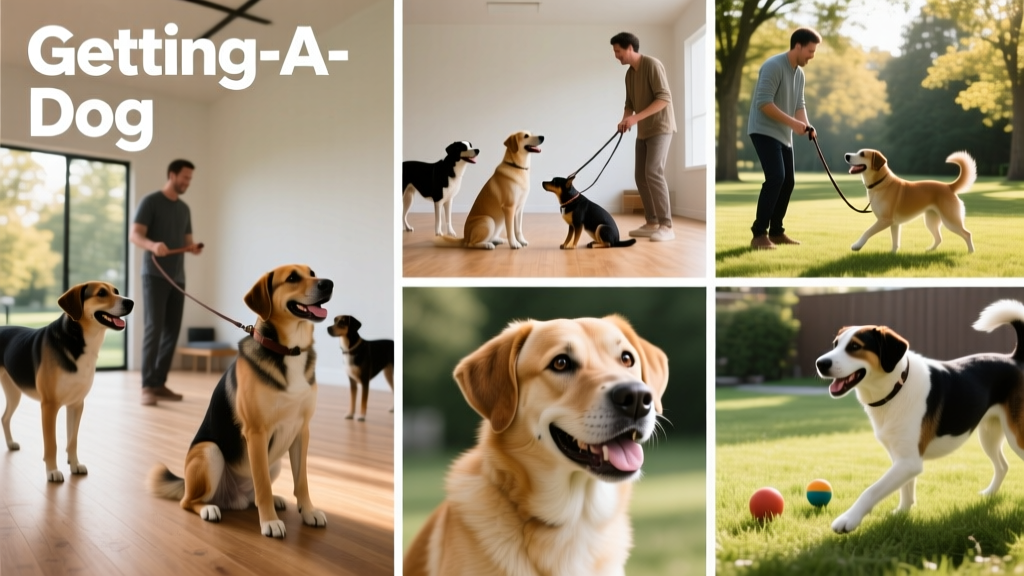
First Week with a Rescue Dog: What to Expect
Navigate the first week with your rescue dog confidently—realistic expectations, proven tips, and compassionate care for 2026.

Your First Week with a Rescue Dog
Welcome home! Bringing a rescue dog into your life is one of the most rewarding experiences—but it’s rarely like the joyful, tail-wagging montage we imagine. In reality, the first seven days are a delicate dance of trust-building, observation, and gentle guidance. Based on veterinary behavior science and shelter best practices (including ASPCA and AVSAB guidelines updated in 2026), this week sets the emotional and behavioral foundation for years to come.
Why the First Week Matters So Much
Dogs don’t instantly ‘settle in’—they transition. A rescue dog may have experienced loss, instability, or even trauma before arriving at your door. Their stress response system is often heightened, and cortisol levels can remain elevated for several days post-adoption. Research from the University of Bristol’s 2025 Canine Welfare Study shows that dogs given structured, low-pressure environments in their first 72 hours demonstrate 42% faster acclimation to new households.
Day 1–2: The Quiet Introduction
Goal: Safety, predictability, and minimal stimulation.
- Keep it calm. No parties, children running, or other pets introduced yet. Designate one quiet, low-traffic room (e.g., a spare bedroom or bathroom) as their safe zone—with a soft bed, water bowl, and chew-safe toy.
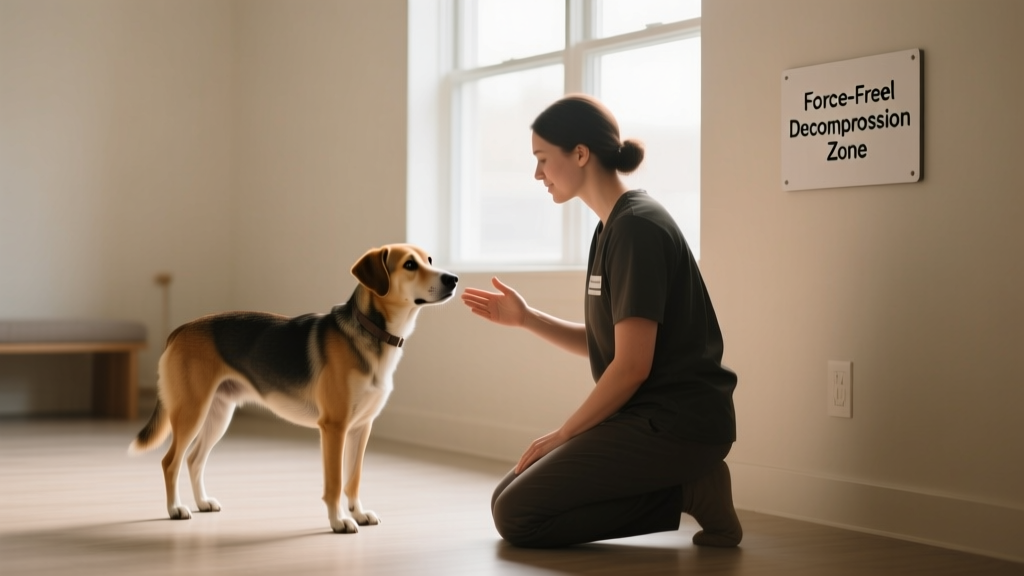
- Let them lead. Don’t force interaction. Sit nearby quietly while reading or working—let them approach when ready. Reward calm proximity with soft praise or a tiny treat (pea-sized, low-fat).
- Establish routine immediately. Take them outside for potty breaks every 1.5–2 hours—even if they don’t go. Always use the same door and spot, and reward with calm enthusiasm *after* elimination (not during). This builds location-based habit fast.
- Observe body language. Lip licking, yawning, whale eye (showing the whites), tucked tail, or flattened ears signal stress—not ‘shyness.’ Back off and give space.
Days 3–4: Building Trust & Structure
Goal: Gentle consistency, positive associations, and early boundaries.
- Introduce crate training—compassionately. Never use the crate for punishment. Make it inviting with bedding and treats. Start with 5-minute intervals while you’re present; gradually increase. If your dog whines persistently, pause and try again later—forced crating increases anxiety.
- Begin leash orientation indoors. Let them wear a lightweight collar and leash around the house (supervised only). This normalizes touch and prepares for future walks—without pressure or pulling.
- Start simple cues—using food lures. ‘Sit’ and ‘wait’ are ideal first commands. Use high-value treats (e.g., boiled chicken or commercial soft training treats). Keep sessions under 90 seconds, 3x daily. Success isn’t perfection—it’s offering attention and trying.
- Feed meals by hand or in a puzzle toy. This builds positive association with *you* as the source of good things—and gently encourages focus and calmness.
Days 5–7: Expanding Comfort & Connection
Goal: Gradual exposure, bonding reinforcement, and vet coordination.
- Introduce one new person—slowly. Have them sit quietly and offer treats without direct eye contact or reaching. Let your dog initiate. Skip introductions with toddlers or overly exuberant guests until Week 2.
- First short outdoor walk—on your terms. Choose a quiet time (early morning or late evening) and route. Keep the leash loose. Let them sniff freely for 3–5 minutes—even if you don’t ‘go far.’ Sniffing is mental exercise and stress relief.
- Schedule your vet wellness visit. Most rescues provide medical records, but a full exam within 7 days is essential in 2026 due to rising regional parasite resistance (e.g., heartworm strains in southern U.S. states). Ask about fecal testing, flea/tick prevention, and microchip scanning—even if paperwork says it’s done.
- Watch for subtle signs of adjustment. Improved appetite, relaxed sleeping posture (e.g., belly up or sprawled), following you room-to-room, or bringing you a toy are all green flags. Don’t expect constant affection—trust grows through reliability, not demands.
What *Not* to Do (Common Pitfalls)
Even well-intentioned actions can backfire:
- ❌ Don’t overwhelm with toys, collars, or gear. Introduce one new item every 2 days. Too much novelty = sensory overload.
- ❌ Don’t punish accidents or fear responses. Yelling, rubbing their nose, or forcing interaction damages trust. Clean urine/feces with enzymatic cleaner (never ammonia-based)—and adjust your supervision schedule instead.
- ❌ Don’t skip alone time practice. Even 30 seconds of stepping out of the room (and returning calmly) helps prevent separation anxiety later. Build duration slowly—always return before distress begins.
- ❌ Don’t assume silence means comfort. A shut-down dog (motionless, avoiding eye contact, refusing treats) is overwhelmed—not ‘fine.’ Reduce stimuli and consult a certified professional (CCPDT or IAABC) if this persists past Day 5.
When to Reach Out for Help
Most dogs show gradual improvement by Day 7—but some need extra support. Contact your veterinarian or a certified canine behavior consultant if you observe:
- No interest in food or water for >24 hours
- Prolonged hiding (>48 hours) with no emergence for potty breaks
- Aggression toward hands, feet, or faces—even in low-stress moments
- Self-injury (excessive licking, chewing, or scratching)
- Signs of illness: vomiting, diarrhea lasting >12 hours, coughing, lethargy, or discharge from eyes/nose
Remember: You’re not failing if your dog needs time. You’re succeeding by honoring their pace. Every quiet moment you sit beside them, every gentle ‘yes’ you whisper after a brave step—they’re learning: This is safe. I belong here.
You’ve Got This
The first week won’t be perfect—and it shouldn’t be. It’s not about instant obedience or nonstop cuddles. It’s about showing up with patience, consistency, and kindness. By Day 7, you’ll likely notice small shifts: a deeper sigh as they settle on their bed, a curious nose nudging your hand, or a tentative tail wag at breakfast time. Those are victories. And they’re just the beginning of a bond rooted in mutual respect and earned trust.
For more support, download our free Rescue Dog Transition Checklist (updated for 2026 standards) or book a virtual 15-minute welcome consult with our certified behavior team—available to all new adopters at no cost.
Emma Hartley
All our authors care for dogs every day — read more of their work on the authors page.