Best No-Pull Dog Harness: Front Clip Guide
Find the best front-clip no pull harness for new rescues in 2026. Compare Kurgo, 2 Hounds, and Rabbit Go for stress-free walks.
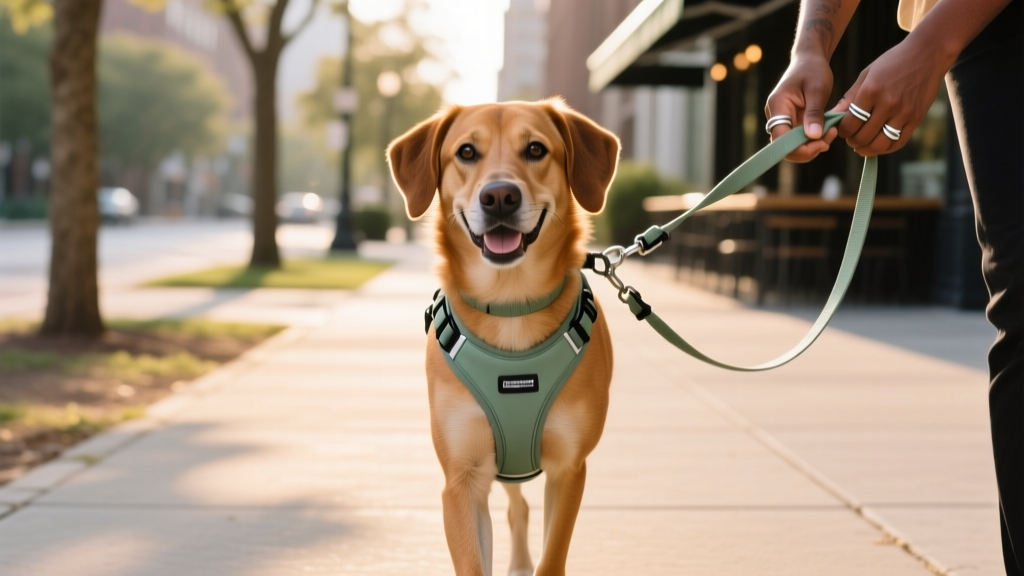
The best front-clip harnesses for rescue dogs in 2026 are the Ruffwear Front Range Harness for overall reliability, the 2 Hounds Design Freedom No-Pull Harness for heavy pullers, and the Rabbitgoo No-Pull Dog Harness for budget-conscious adopters. These models provide immediate steering control without tracheal damage, making them ideal for newly adopted dogs still learning leash manners. This guide is written specifically for new rescue dog parents and foster volunteers navigating the critical first 30 days of leash training with an unknown behavioral history.
Key Takeaways
- Top Pick: Ruffwear Front Range Harness offers the best balance of durability and comfort.
- Heavy Pullers: 2 Hounds Design Freedom No-Pull Harness features a patented martingale control loop.
- Fit Rule: Always use the 5-centimeter (2-finger) rule under all straps to prevent chafing.
- Training: Front-clip hardware redirects forward momentum laterally, reducing pulling by up to 60%.
Why Front-Clip Harnesses Are Essential for New Rescues
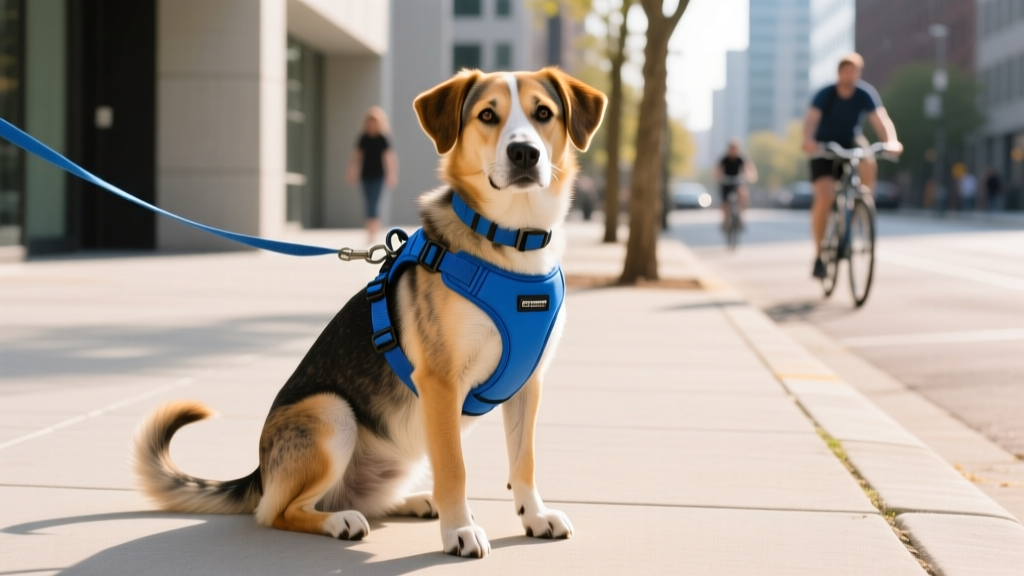
Front-Clip Harness Definition: A canine walking restraint featuring a D-ring leash attachment point on the chest strap. When tension is applied, the chest anchor redirects the dog's forward momentum laterally, naturally discouraging pulling without applying dangerous pressure to the trachea or cervical spine.
Rescue dogs often arrive with established pulling habits or leash reactivity. According to the American Society for the Prevention of Cruelty to Animals (ASPCA), using a standard collar on a pulling dog can cause severe tracheal collapse or neck injuries. A front-clip harness mitigates this risk by utilizing biomechanical redirection rather than brute force restraint.
The Biomechanics of No-Pull Design
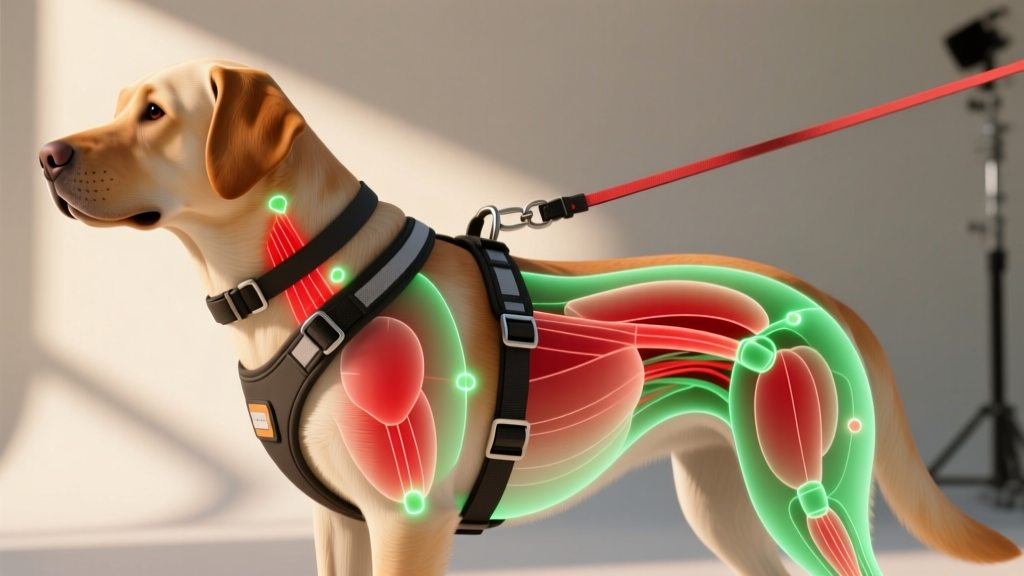
When a dog pulls forward on a front-clip attachment, the harness applies gentle pressure to the chest and shoulders. This creates a 15-degree rotational redirection, turning the dog slightly toward the handler. This physical feedback interrupts the pulling cycle and encourages the dog to check in with the handler, which is critical for building trust with a newly adopted rescue.
Top 3 Front-Clip Harnesses for Rescue Dogs
Best Overall for Escape Artists: Ruffwear Front Range Harness
The Ruffwear Front Range Harness is engineered with 4 adjustment points and dual leash attachment points. The aluminum front V-ring provides secure steering control, while the foam-padded straps distribute weight evenly. It is highly recommended for anxious rescues prone to backing out of standard gear due to its secure, multi-point strapping system.
Best Heavy-Duty Puller Control: 2 Hounds Design Freedom No-Pull Harness
For dogs weighing 25 to 150 pounds that pull with extreme force, the 2 Hounds Design Freedom No-Pull Harness utilizes a patented Swiss velvet-lined martingale control loop on the back, combined with a front chest ring. This dual-action system gently tightens around the ribcage when the dog pulls, providing superior braking power without choking.
Best Budget-Friendly Option: Rabbitgoo No-Pull Dog Harness
The Rabbitgoo No-Pull Dog Harness features robust 1.5-inch nylon webbing and a breathable mesh lining. While it lacks the premium hardware of higher-end models, its reinforced front O-ring and reflective stitching make it a highly effective, affordable choice for foster parents managing multiple dogs.
Harness Selection Decision Framework
Use this matrix to select the right hardware based on your rescue dog's specific behavioral profile and physical build.
| Dog Profile | Primary Issue | Recommended Harness Model | Key Feature |
|---|---|---|---|
| Deep-chested sighthounds | Slipping out of gear | Ruffwear Front Range Harness | 4-point adjustment system |
| Large breed power pullers | Dragging the handler | 2 Hounds Design Freedom No-Pull | Martingale tightening loop |
| Highly reactive / fearful | Sudden lunging | Rabbitgoo No-Pull Dog Harness | Padded chest plate for impact absorption |
How to Properly Fit and Transition Your Rescue
Proper fit is non-negotiable for safety and comfort. The American Veterinary Medical Association (AVMA) emphasizes that ill-fitting gear causes gait abnormalities and skin lesions.
The 5-Centimeter Fit Test
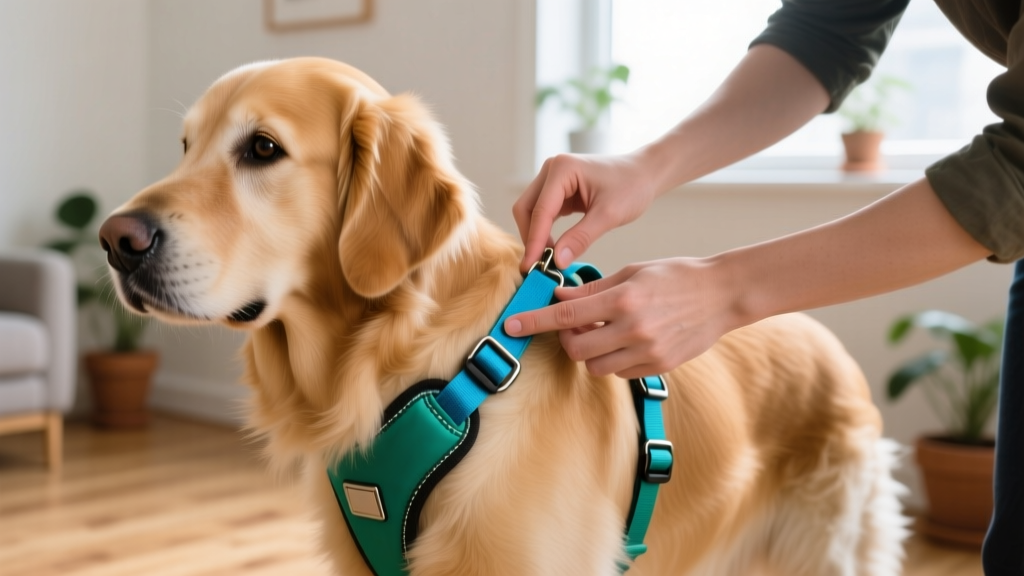
You must be able to slide exactly 5 centimeters (two fingers) flat beneath every strap on the harness. If you cannot fit two fingers, the harness is too tight and will restrict shoulder extension. If you can fit three or more fingers, the dog can easily back out of the harness during a panic episode.
Transitioning from Back-Clip to Front-Clip
Attach a dual-ended training leash to both the front and back rings simultaneously. When the dog walks calmly, maintain slack on the front ring and use the back ring for general guidance. When the dog begins to pull, apply gentle pressure to the front ring to trigger the lateral redirection. The American Kennel Club (AKC) recommends consistently rewarding the dog for maintaining eye contact and a loose leash during these transition sessions.
Frequently Asked Questions
Are front clip harnesses safe for dogs?
Yes, front-clip harnesses are generally safer than traditional collars or back-clip harnesses for dogs that pull. They distribute force across the robust chest and shoulder muscles rather than the delicate trachea and cervical spine, preventing long-term respiratory and orthopedic damage.
What is the best no-pull harness for rescue dogs with high prey drive?
The 2 Hounds Design Freedom No-Pull Harness is optimal for high-prey-drive rescues. The martingale control loop provides immediate, secure braking power when the dog suddenly lunges after wildlife, preventing hardware failure and escape.
How to stop a rescue dog from pulling on a leash permanently?
Hardware alone cannot stop pulling permanently. You must pair a front-clip harness with positive reinforcement training. Reward your dog with high-value treats every time the leash goes slack, and immediately stop walking or change direction when tension occurs.
Next Steps for Your Rescue's Walking Journey
Selecting the best front-clip harnesses for dogs is the foundational step in transforming chaotic walks into structured bonding sessions. By equipping your newly adopted dog with a properly fitted Ruffwear Front Range Harness or 2 Hounds Design Freedom No-Pull Harness, you immediately remove the physical danger of tracheal damage while establishing clear communication. Your next step is to purchase a dual-ended training leash and schedule a 15-minute decompression walk in a low-distraction environment to introduce the new gear.
jonas-cole
All our authors care for dogs every day — read more of their work on the authors page.