Canine Science
The science behind how dogs think, feel, and live — evidence-based deep dives.

7 Dog Years to Human Years: The Science Behind Canine Aging
Is the 7 dog years to human years rule accurate? Learn the real science of canine aging, epigenetic clocks, breed-specific lifespans, and what it means for your dog.
Beth Carrasco
Dogs With Webbed Toes
Discover the science behind dogs with webbed toes — which breeds have them, how they evolved, and what webbed feet mean for your dog's health and daily life.
Anouk Beaumont
What Is 7 Years Old in Dog Years? The Real Science of Canine Aging
What is 7 years old in dog years? We break down the UC San Diego epigenetic clock formula, breed-specific aging, and what a 7-year-old dog actually experiences.
Beth Carrasco
A Female Dog Is Called What? Canine Terminology &
A female dog is called a bitch in proper canine terminology. Learn the science, history, breed registry usage, and why this term matters for dog owners.
Jonas Cole
Psychiatric Support Dog Science: How Dogs Detect and...
How do psychiatric support dogs detect panic attacks, PTSD episodes, and depressive states?
Aaron Whyte
How to Get Rid of Dog Odours in the House: A Science-Backed Guide
Learn how to get rid of dog odours in the house using canine science.
Priya Sutaria
My Dog Bear Its Teeth? Canine Facial Signals
Why does my dog bear its teeth? Explore the canine science behind teeth-baring, submissive grins, and aggression signals with expert behavioral insights.
Aaron Whyte
How Long Is a Dog Pregnant? The Science of Canine Gestation
How long is a dog pregnant? Learn the science behind canine gestation length (58–68 days), hormonal triggers, breed variations, and what owners need to know.
Tom Renshaw
Genetics, History, and Canine Science Behind the Coat
Explore the science behind the Black Kur dog — melanistic coat genetics, evolutionary origins, temperament, and what owners need to know about this striking working breed.
Priya Sutaria
Give Dogs Pedialyte?
Can you give dogs Pedialyte? Learn the veterinary science behind electrolyte solutions for dogs, safe dosages, risks, and when to call your vet instead.
Dr. Hannah Wickes
My Dog Look Up? 'Up Dog' Behavior Explained
Why do dogs look up? Explore the canine science behind 'up dog' behavior, from evolutionary roots to what it means when your dog stares at the ceiling.
Marcus Aldridge
Can Dogs Taste Spice? The Science of Canine Flavor Perception
Can dogs taste spice? Explore the science behind canine flavor receptors, why spicy food affects dogs differently, and what it means for their diet and health.
Tom Renshaw
The World's Biggest Canine: Science Behind Giant Dog Breeds
Explore the science behind the world's biggest canine breeds — from Great Danes to English Mastiffs — including genetics, physiology, and care needs.
Tom Renshaw
And Dogs Sense Pregnancy?
Can cats and dogs sense pregnancy? Explore the science behind pet behavior during pregnancy, plus life-stage care tips for preparing your dog for a new baby.
Tom Renshaw
CoQ10 and Dogs: The Science Behind This Cellular Supplement
Explore the science of CoQ10 and dogs — how this antioxidant works at the cellular level, what research says about benefits, dosing, and safety for your dog.
Robin Maitland
Dog Tail Meanings Decoded: What Your Dog's Tail Position Really Says
Explore the science behind dog tail meanings — from wag direction and height to breed-specific signals. Learn what your dog's tail is really communicating.
Robin Maitland
What Breed of Dog Was Hooch? (Dogue de Bordeaux Explained)
Turner and Hooch what breed of dog? Hooch was a Dogue de Bordeaux.
Marcus Aldridge
Can Dogs Smile? The Science Behind Your Dog's Happy Expression
Can dogs smile? Discover the science behind canine facial expressions, what research reveals about dog smiles, and how to read your dog's true emotions.
Tom Renshaw
Dog Continuously Licking Lips: Canine Science Behind the Behavior
Why is your dog continuously licking lips? Explore the canine science behind lip licking, from stress signals to medical causes, and learn when to act.
Aaron Whyte
Signs a Dog Is Dying: The Science of Canine End-of-Life Behavior
Learn the scientific and physiological reasons behind signs a dog is dying.
Dr. Hannah Wickes
What Colors Dogs See: The Science Behind Canine Color Vision
Discover what colors dogs actually see, the science of canine cone cells, how their vision differs from humans, and what this means for toys, training, and safety.
Dr. Hannah Wickes
Does Catnip Work on Dogs? The Canine Science Behind the Myth
Does catnip work on dogs? We break down the science, the evolutionary biology, and what actually affects your dog's brain — plus safe alternatives.
Aaron Whyte
The Science Behind Home Remedies for Itching Skin: What...
Explore the canine science behind home remedies for itching skin for dogs.
Priya Sutaria
How Hunting Dogs Use Their Senses: The Science of Prey Drive
Explore the canine science behind hunting dogs — how prey drive evolved, the physiology of scent-tracking, and what it means for modern owners.
Dr. Hannah Wickes
Antibiotic Cream for Dog Scratches: The Science of Wound Healing
Learn the science behind using antibiotic cream for dog scratches — how canine wound healing works, safe ingredients, and when to skip the ointment.
Beth Carrasco
Laika and Beyond: The Science Behind the 1st Dog in Space
Explore the science behind the 1st dog in space, Laika's 1957 mission, canine physiology in microgravity, and what space research reveals about dogs today.
Priya Sutaria
Poison Ivy and Dogs Treatment: Canine Science, Risks & Recovery Guide
Learn the science behind poison ivy and dogs treatment.
Priya Sutaria
The Science Behind Every Disney Movie with Dogs
Explore the canine science behind every popular Disney movie with dogs. Learn what's realistic, what's myth, and what real dog behavior looks like.
Jonas Cole
Grieving the Loss of a Dog: The Science of Canine Bereavement
Explore the science behind grieving the loss of a dog — how dogs process bereavement, what research reveals, and practical steps to support your surviving pet.
Jonas Cole
Rare Dogs and Genetic Bottlenecks: The Science Behind Unusual Breeds
Explore the canine science behind rare dogs — from genetic bottlenecks and founder effects to evolutionary traits that make uncommon breeds unique.
Jonas Cole
Why Does My Dog's Breath Stink? The Science Behind Canine Halitosis
Why does my dog's breath stink? Discover the veterinary science behind canine halitosis, from oral bacteria to systemic disease, and learn evidence-based solutions.
Marcus Aldridge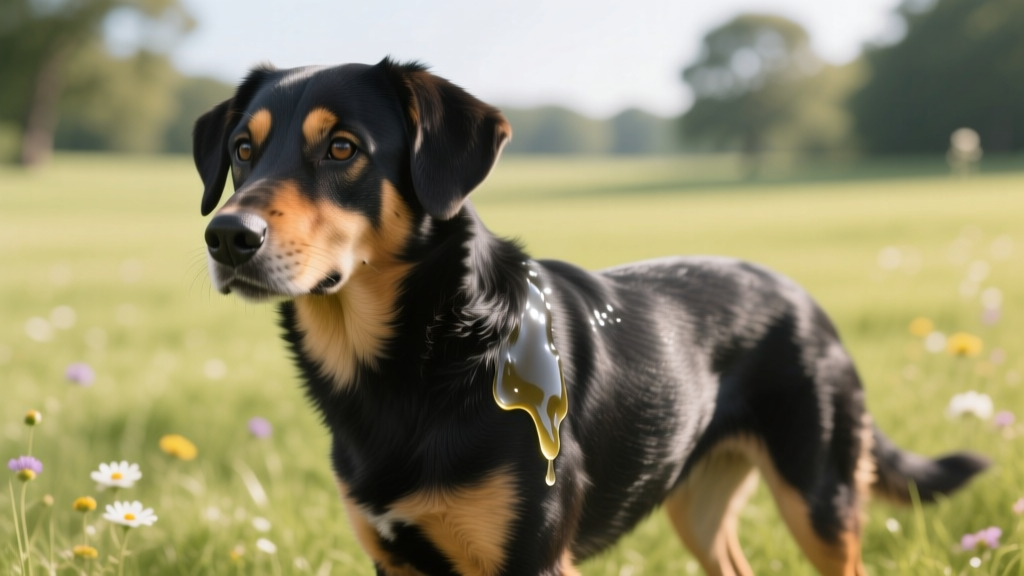
Can You Put Coconut Oil on Dogs? The Science Behind Topical Use
Can you put coconut oil on dogs safely? We examine the veterinary science, skin physiology, dosing by weight, risks, and practical application methods.
Priya Sutaria
6 Diseases Dogs Can Pass to Humans: A Zoonotic Risk Guide
Learn about 6 diseases dogs can pass to humans, including symptoms, transmission routes, prevention strategies, and when to seek medical or veterinary care.
Beth Carrasco
Antlers for Dogs: The Science of Safety, Chewing Behavior & Risk
Are antlers for dogs safe? Explore the canine science behind chewing behavior, dental fracture risks, and evidence-based guidance for choosing chew items.
Anouk Beaumont
Clownish Dogs: Why Some Breeds Play the Fool
Why are some dogs natural comedians? Explore the evolutionary, neurological, and breed science behind clownish dogs and what it means for owners.
Priya Sutaria
Why Does My Dog Lick Her Paws? The Science Behind This
Discover why dogs lick their paws with science
Beth Carrasco
Can Your Dog Tell When You're Pregnant?
Can your dog tell when you're pregnant? Explore the science behind canine scent detection, behavioral shifts, and how to support your dog through your pregnancy.
Jonas Cole
Types of Cattle Dogs: The Science Behind Herding Instincts
Explore the types of cattle dogs through canine science — herding instincts, evolutionary origins, physiological mechanisms, and what drives their behavior.
Jonas Cole
Flaxseed and Dogs: Omega-3s, Fiber, and Canine Digestion
Explore the science of flaxseed and dogs — how lignans, ALA omega-3s, and soluble fiber interact with canine physiology, plus safe serving sizes and myths debunked.
Aaron Whyte
Chau Dog Origins and Science: What Makes This Ancient Breed Unique
Explore the canine science behind the chau dog — its evolutionary roots, physiological traits, genetic distinctiveness, and what modern research reveals.
Dr. Hannah Wickes
How Many Times a Day Do You Feed a Dog? A Guide
How many times a day do you feed a dog? Veterinary science and canine physiology research reveal optimal feeding schedules by age, breed, and size.
Priya Sutaria
Panda Dogs Explained
What are panda dogs? Explore the science behind panda-patterned coats in dogs.
Robin Maitland
Enjoy Music? How Dogs Hear and Respond to Sound
Can dogs enjoy music? Explore the science of canine auditory perception, research on music preferences, and practical tips for using sound to enrich your dog's life.
Jonas Cole
Cone for Dog: The Science Behind Recovery and Canine Stress
Why does a cone for dog recovery cause stress? Explore the science of canine vision, spatial awareness, and behavior when wearing an Elizabethan collar.
Jonas Cole
Dog Twisted Stomach Symptoms: Recognizing GDV Before It's Too Late
Learn the critical dog twisted stomach symptoms, the science behind gastric dilatation
Robin Maitland
Designing Spaces Dogs Actually Love
Science-based dog room ideas that align with canine sensory needs, den instincts, and behavioral biology. Design a space your dog truly thrives in.
Marcus Aldridge
How Dogs Recognize Their Names: Names for Male Dogs
Discover the canine science behind how dogs learn and respond to their names.
Aaron Whyte
Benefits of Male Dog Neutering: What Canine Science Actually Shows
Explore the benefits of male dog neutering backed by canine science — from hormonal mechanisms to behavioral outcomes, breed-specific timing, and common myths debunked.
Tom Renshaw